When Colorado Parks and Wildlife Starts Stocking Trout Each Spring
That feeling of winter finally breaking, the days stretching longer, and the ice starting to pull back from the shorelines… it's a special kind of anticipation for Colorado anglers. Many of us are itching to hit the water, especially knowing that Colorado Parks and Wildlife (CPW) is getting ready to replenish our favorite spots. But exactly when do they start stocking trout each spring? It's a question that can feel like a moving target, leaving many of us wondering when to oil up our reels. This guide is here to demystify the CPW spring stocking schedule, helping you understand the factors at play and how to be ready when the fish arrive.
Understanding Colorado Parks and Wildlife's Stocking Program
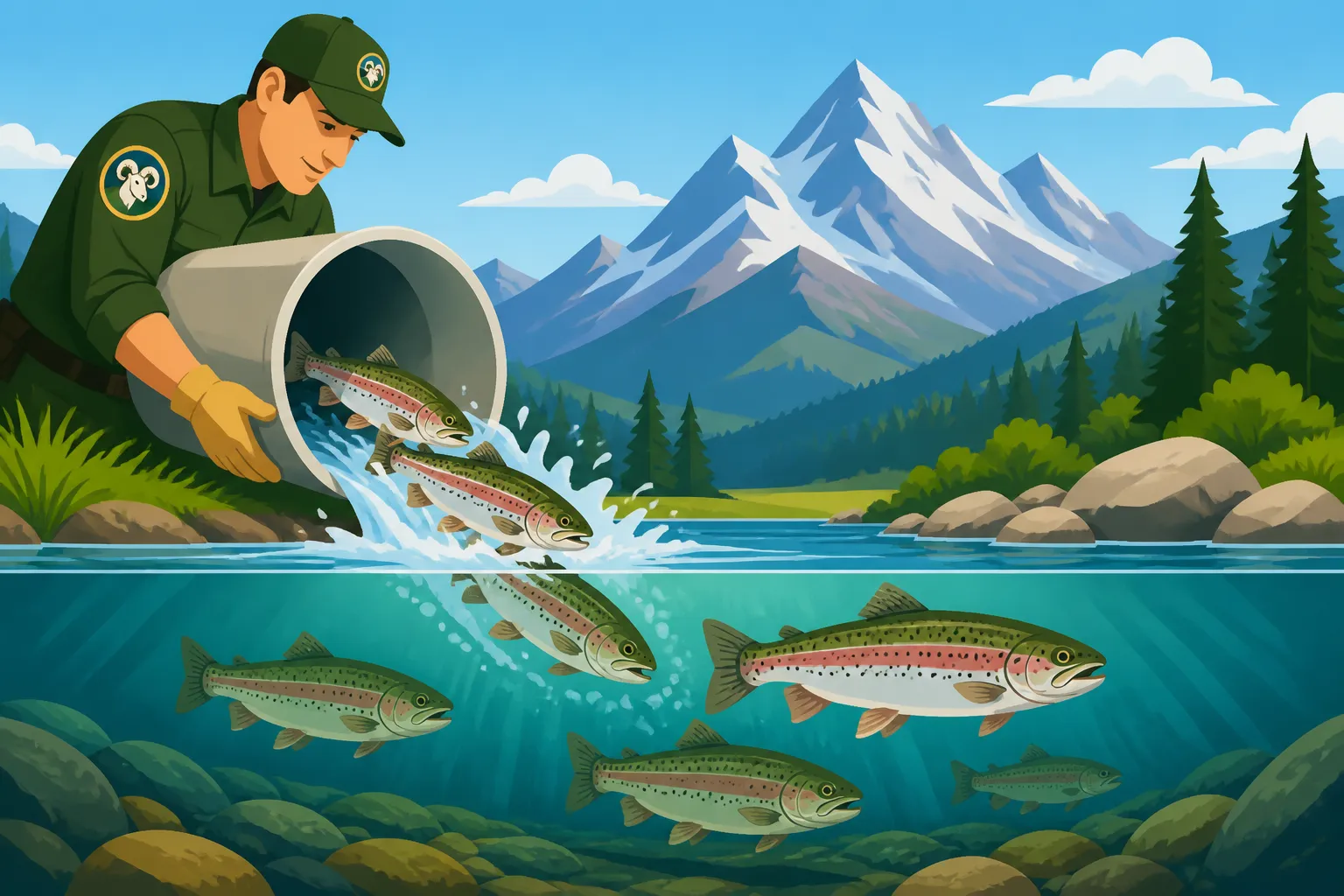
Colorado Parks and Wildlife operates a robust and highly effective fish stocking program that's crucial for maintaining the state's incredible angling opportunities. Without it, many of our most popular lakes and rivers simply wouldn't be able to sustain the level of fishing pressure they experience. This program isn't just about dumping fish into the water; it's a carefully managed effort designed to enhance recreational fishing, support native species recovery, and provide diverse experiences for anglers of all skill levels.
Why CPW Stocks Fish
The primary reason CPW engages in such extensive stocking is to create put-and-take fisheries. These are waters where anglers can realistically expect to catch and keep fish, especially in areas with high recreational demand like urban ponds or easily accessible reservoirs. Many of these waters can't support natural reproduction due to various factors like water quality, temperature fluctuations, or predation, making stocking essential. Beyond that, stocking helps to introduce new species, bolster existing populations that face environmental challenges, and even create unique trophy fisheries. It's a complex balancing act, ensuring healthy ecosystems while also providing ample opportunity for us anglers.
The Types of Trout Stocked in Spring
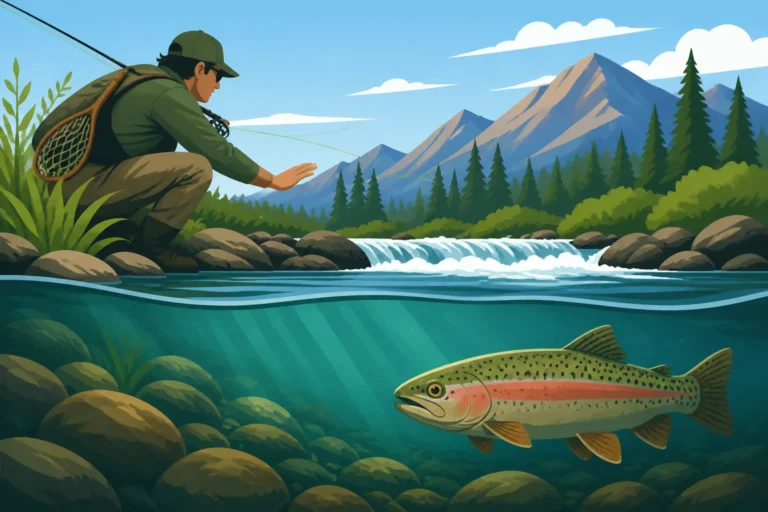
When we talk about spring stocking, we're primarily talking about catchable-sized trout. The vast majority of these will be rainbow trout, often sterile triploids, which means they grow larger and focus their energy on eating rather than reproducing. This is ideal for put-and-take fisheries. However, CPW also stocks other species depending on the water. You might find cutbows (a rainbow-cutthroat hybrid), brook trout in certain higher elevation lakes, and even tiger trout, which are a sterile brown and brook trout hybrid known for their aggressive nature and striking patterns. Understanding where these different species are stocked can help you tailor your approach; you can learn more about specific trout distribution in our guide on Rainbow Trout in Colorado, Where They're Stocked.
Hatchery Operations and Logistics
CPW's fish hatcheries are incredible operations, raising millions of fish each year. These facilities are strategically located across the state, ensuring that fish can be grown in optimal conditions and then transported efficiently to their designated waters. The process involves everything from egg collection and incubation to growing them out in raceways and ponds, then finally loading them onto specialized trucks for transport. The sheer logistics of moving hundreds of thousands of fish, often to remote locations, is a marvel in itself. It highlights the significant resources and dedication CPW commits to keeping Colorado a premier fishing destination.
The Typical Spring Stocking Timeline
The question on everyone's mind: when does it actually begin? While there's no single "start date" etched in stone, CPW's spring stocking efforts generally kick off as soon as ice thaws and water temperatures begin to rise. This typically means late March or early April in lower elevation, Front Range waters, and progresses to higher elevations as spring advances into early summer.
Factors Influencing Stocking Start Dates
Several critical factors determine when CPW can begin stocking trout each spring. These aren't just arbitrary decisions; they're based on scientific principles and practical logistics that ensure the fish have the best chance of survival and that anglers have a good experience.
Ice-Out and Water Temperatures
The most significant factor is often the ice-out on lakes and reservoirs. You can't stock fish into a frozen body of water, obviously! As the ice recedes, CPW crews can gain access, but then water temperature becomes the next crucial element. Trout are cold-water species, but they still need water that's not too frigid to thrive and feed actively. Generally, once water temperatures consistently reach above 40-45 degrees Fahrenheit, it's considered safe and beneficial to start stocking. If the water is too cold, the fish can be stressed and sluggish, making them less likely to bite and more susceptible to post-stocking mortality. This is why you'll find that lower elevation lakes near cities like Denver or Colorado Springs often see the first stockings, as they warm up faster.
Weather Patterns and Snowpack
Colorado's notoriously variable spring weather plays a huge role. A late, heavy snowstorm can delay ice-out and keep water temperatures low. Conversely, an early warm spell can bring on spring stocking quickly. The overall snowpack from the winter also impacts when rivers swell with runoff and how quickly reservoirs fill. Heavy runoff, which typically hits around May and June, can make river stocking challenging due to high, swift, and often muddy water. CPW will generally hold off on stocking rivers until the runoff subsides and the water clears, making it safer for the fish and more appealing for anglers. Understanding When Colorado's Spring Runoff Hits and How to Fish Around It is key to planning your spring fishing trips.
Hatchery Capacity and Fish Availability
Behind the scenes, the timing also depends on the hatcheries themselves. They operate on a carefully planned schedule to grow fish to the desired "catchable" size. If there are delays in growth or unforeseen issues at a hatchery, it can impact the release schedule. While CPW aims for consistency, the sheer volume of fish they manage means a complex logistical dance. They need to ensure they have enough fish ready at the right size and that transport vehicles are available.
Regional Variations in Spring Stocking
Colorado is a vast state with incredible elevation changes, and this means spring stocking isn't a uniform event. What's happening on the Eastern Plains will be very different from what's happening in the high country.
- Front Range and Eastern Plains: These areas, with their lower elevations and generally milder springs, are usually the first to see trout stockings. Urban ponds and smaller reservoirs along the I-25 corridor, like those in Denver and Aurora, often receive their first deliveries in late March or early April. These early stockings are a welcome relief for anglers eager to shake off winter rust.
- Western Slope and Mountain Valleys: Waters in areas like the Gunnison Valley, Arkansas River Valley near Salida, or those around Steamboat Springs might see stockings begin in mid-April to early May, depending on specific lake elevations and how quickly the ice retreats. Major rivers like the Arkansas or the Colorado River will often wait until after the peak of spring runoff, typically in late May or early June.
- High Country Lakes: The highest elevation lakes, those above 9,000 or 10,000 feet, are often still frozen solid well into May, sometimes even June. Stocking here is heavily dependent on complete ice-out and passable roads. These waters often don't receive their first trout until late May or June, and sometimes even into July for the most remote alpine lakes. If you're planning a trip to the high country, be sure to check road conditions and ice reports.
| Region/Elevation | Typical Stocking Start | Key Factors |
|---|---|---|
| Front Range & Urban Ponds (< 6,000 ft) | Late March – Early April | Ice-out, rising water temps, high public demand |
| Mid-Elevation Reservoirs (6,000-8,000 ft) | Mid-April – Early May | Ice-out, stable water temps, early runoff |
| Major Rivers (All Elevations) | Late May – Early June | Post-runoff clearing, stable flows |
| High Mountain Lakes (> 8,000 ft) | Late May – July | Complete ice-out, road access, water temps |
Finding Out Specific Stocking Information
Nobody wants to drive hours to a prime fishing spot only to find out it hasn't been stocked yet. Thankfully, CPW provides excellent resources to keep anglers informed about their stocking activities. It requires a little proactive checking on your part, but it's well worth the effort.
Colorado Parks and Wildlife Stocking Report
Your absolute best friend for staying up-to-date is the official Colorado Parks and Wildlife Weekly Stocking Report. This report is usually updated weekly during the stocking season and provides detailed information about which waters have been stocked, when, and with what species and quantity of fish. It's an invaluable tool for planning your trips.
- How to access it: You can typically find this report directly on the CPW website. It's usually under their "Fishing" or "Wildlife" sections.
- What to look for: The report will list the specific water body, the date it was stocked, the species (e.g., Rainbow Trout), and the number of fish (e.g., 2,500). Sometimes it even includes the average size.
- Interpreting the data: If you see a lake on the report, you know it's a good time to visit. If your favorite spot hasn't appeared yet, it means stocking hasn't started there for the season. Keep checking back regularly!
Using the CPW Fishing Atlas and Other Tools
Beyond the weekly report, CPW offers an interactive online Fishing Atlas. This tool allows you to explore waters across the state, see general stocking information, and even view regulations specific to each lake or river. While it might not give real-time updates on exact stocking dates for the current week, it's fantastic for researching new spots or understanding what species are typically present in a given area. For a deeper dive into the tool, check out our article on Using Colorado's Fishing Atlas to Plan a Trip.
Some third-party apps, like the Bield App, also integrate CPW stocking data, providing alerts and easy-to-digest information directly to your phone. These can be incredibly convenient for on-the-go planning.
Local Fly Shops and Sporting Goods Stores
Don't underestimate the power of local knowledge! Your local fly shop or sporting goods store employees are often passionate anglers themselves and have their ears to the ground. They frequently hear about stocking deliveries, local conditions, and what's biting. A quick phone call or a visit to a shop near your target fishing destination can provide invaluable, up-to-the-minute information that you might not find online right away. They can tell you if the trout are hitting on PowerBait or if nymphs are the hot ticket.
Preparing for Spring Stocking Success
Once you have a handle on when and where CPW is stocking, it's time to get your gear ready and hit the water! Spring trout fishing, especially right after a fresh stocking, can be incredibly rewarding.
Essential Gear for Spring Trout
Getting your gear in order before you head out makes a huge difference. You don't need the most expensive equipment, but having the right tools for the job helps.
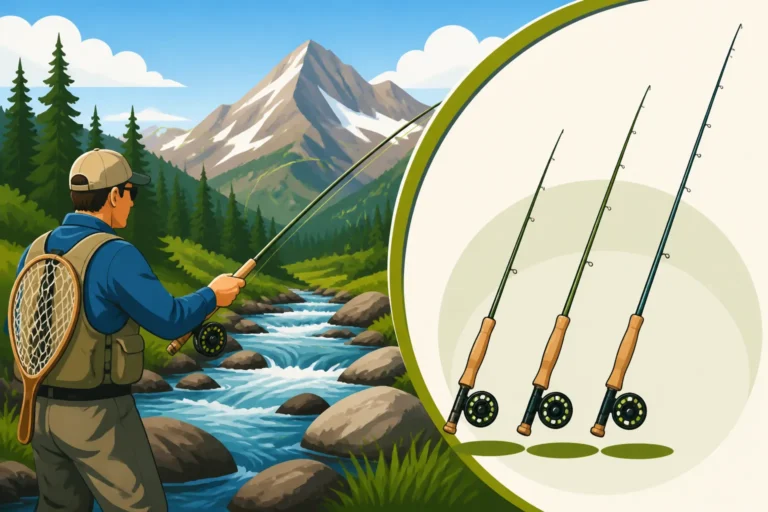
- Rods and Reels: A light to medium action spinning rod, around 6 to 7 feet long, paired with a matching spinning reel spooled with 4-6 pound test line, is perfect for most stocked trout scenarios. If you're into fly fishing, a 4- to 6-weight fly rod is versatile for targeting stocked fish. You can find some excellent starter kits on Amazon that include everything you need to get going without breaking the bank.
- Baits and Lures: For recently stocked trout, traditional baits are often incredibly effective. Think PowerBait in various colors (chartreuse, rainbow, garlic scent), salmon eggs, or even nightcrawlers. Small inline spinners (like Mepps or Panther Martins) or spoons (like Kastmasters) are also fantastic for actively searching for fish. Remember to check local regulations for any bait restrictions, especially if you're venturing into Gold Medal Waters, which often have specific rules about Colorado Bait Restrictions and Where They Apply.
- Tackle Box Essentials: Don't forget your basic tackle box items: a variety of hooks (sizes 8-12 are usually good for trout), split shot weights, small bobbers or strike indicators, a pair of pliers for hook removal, and a net. A small cooler to keep your catch fresh is also a good idea.
- Layered Clothing: Colorado springs can be incredibly unpredictable. One moment it's sunny and warm, the next it's snowing or pouring rain. Dressing in layers, with a waterproof outer shell, is crucial. Good waterproof boots are also a must, especially if you plan on doing any wade fishing.
Effective Techniques for Freshly Stocked Trout
Stocked trout, especially those fresh from the hatchery, often behave a little differently than wild trout. They're typically eager to feed and less wary, which can make for some fast action.
- Bait Fishing: This is often the most straightforward and effective method. Use a simple slip-sinker rig with PowerBait molded around a small hook, or suspend a worm or salmon egg under a bobber. Cast it out and let it sit. Stocked trout are often cruising relatively shallow water near shorelines, so you don't always need to cast far.
- Spin Fishing: For more active fishing, cast and retrieve small spinners or spoons. Vary your retrieve speed and depth until you find what the fish are reacting to. These lures imitate small minnows or insects and can trigger aggressive strikes. This method is great for covering more water and locating schools of fish.
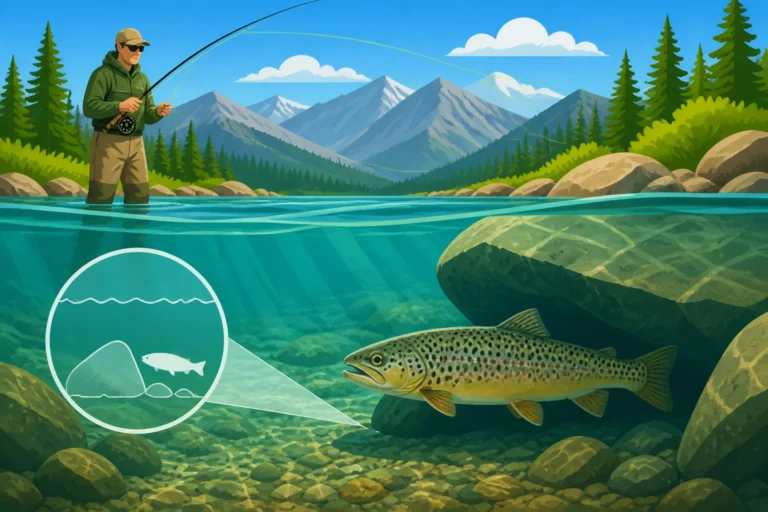
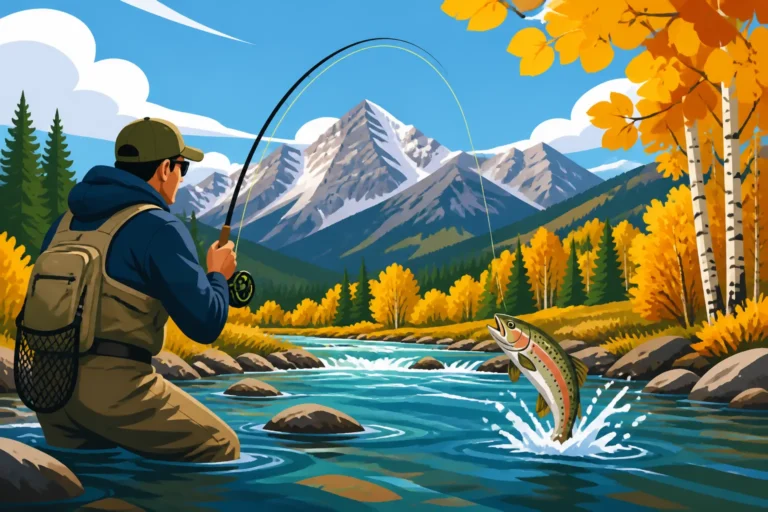
- Fly Fishing: If you're a fly angler, don't shy away from stocked waters. While nymphs are always a solid choice, especially small patterns like scuds, midge larva, or pheasant tails, you might also find success with small streamer patterns that imitate baitfish or even a dry-dropper rig if insects are hatching. Keep your leader and tippet fairly light (4X-6X) for finicky fish.
Practicing Good Angling Etiquette
With increased stocking comes increased angler presence, especially in popular spots. Practicing good etiquette ensures a pleasant experience for everyone.
- Give Space: If someone is already fishing a spot, give them plenty of room. Don't crowd them or cast over their line. A good rule of thumb is to allow at least 20-30 feet of space, or more if the water allows.
- Leave No Trace: Pack out everything you pack in. This includes old fishing line, bait containers, and any other trash. CPW and local agencies work hard to keep these areas beautiful, and we, as anglers, have a responsibility to do the same. This also means properly disposing of fish entrails if you clean your catch on site; if not, take them home with you.
- Know the Regulations: Always carry your current Colorado Fishing License Guide for Residents and Nonresidents and be aware of the specific rules for the water you're fishing. This includes bag and possession limits, any special restrictions on tackle or bait, and catch-and-release rules. Some lakes might have size limits, while others might be "flies and lures only." You can find all the details in the annual Colorado Fishing Regulations Every Angler Should Know brochure. This also includes understanding if you need a Colorado's Habitat Stamp, Explained. If you're fishing with kids, remember that even young anglers might need to be aware of certain rules, though kids 15 and under generally don't need a license to fish in Colorado.
The excitement of spring stocking is a core part of the Colorado fishing experience. By understanding CPW's efforts, staying informed, and preparing properly, you'll be well on your way to a fantastic day on the water, welcoming back the season of fresh trout.
Disclaimer
The information provided in this guide is for general informational purposes only and is subject to change. Always consult the official Colorado Parks and Wildlife website and current regulations brochure before planning any fishing trip to ensure you have the most up-to-date and accurate information. Fishing conditions and stocking schedules can vary based on environmental factors and management decisions.