Best Month for Dry Fly Fishing in Colorado
One of the most common questions I get from folks dreaming of Colorado's clear, sparkling rivers is, "When is the absolute best time to experience that quintessential dry fly fishing?" It's a valid question because hitting the river during the wrong conditions can turn a dream trip into a frustrating slog of high, muddy water or picky fish. This guide will help you pinpoint the sweet spot for incredible dry fly action, ensuring your casts land on eager trout during the prime hatches.
Pinpointing the Prime Dry Fly Window in Colorado
If you're looking for that single best month for dry fly fishing in Colorado, the answer, hands down, is June, closely followed by July. This is when Colorado’s rivers typically settle after the snowmelt, water temperatures become ideal, and insect activity explodes, bringing a consistent parade of trout to the surface. It’s the time of year when dry fly anglers truly thrive, seeing fish after fish rise to their perfectly presented imitations.
Understanding Colorado's Dynamic Fishing Seasons
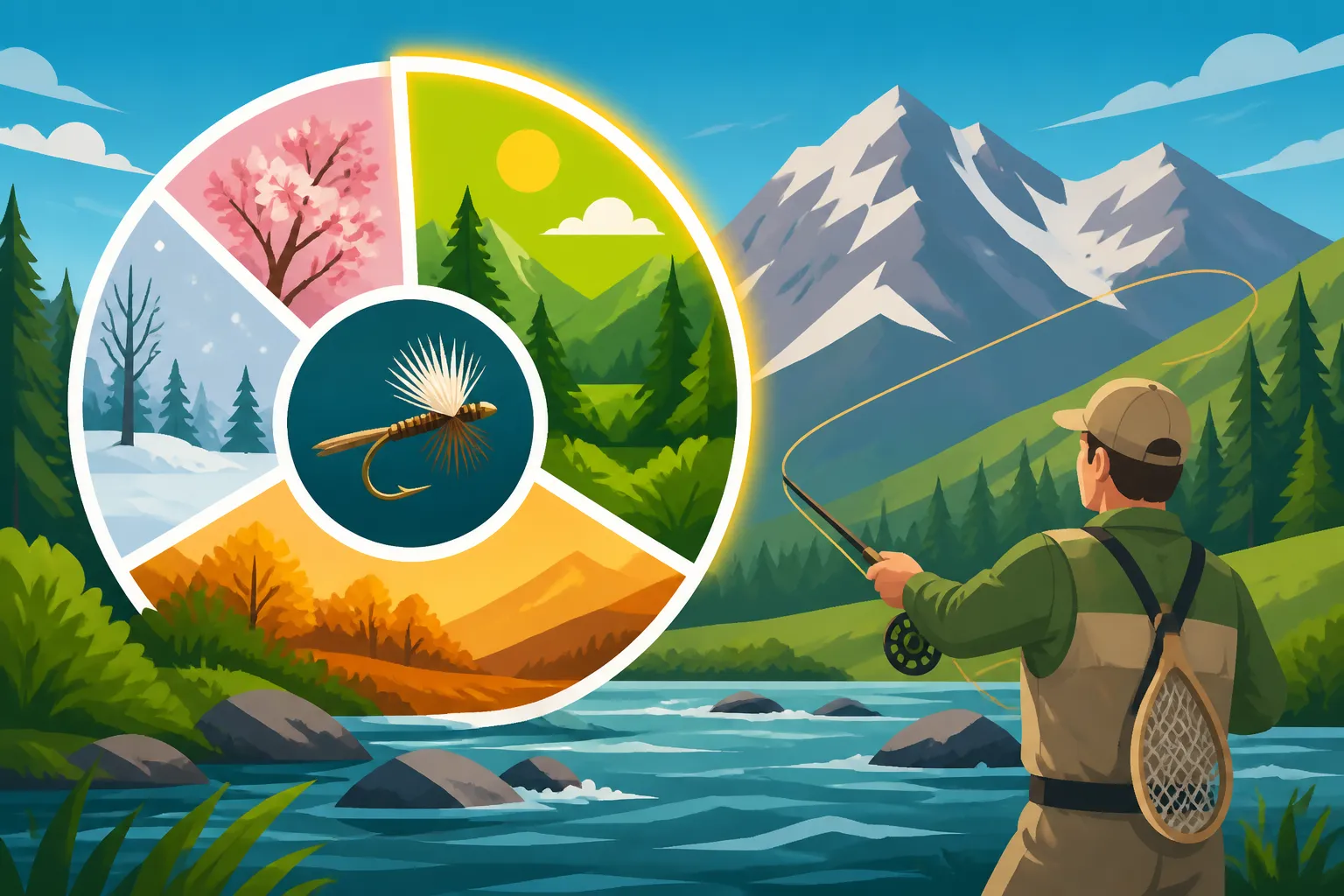
Colorado's fishing seasons are heavily influenced by its elevation and climate. We're talking about a state where you can be fishing a high-altitude lake in a blizzard one week and a desert-like canyon in 80-degree weather the next. This dramatic variation means that "fishing season" isn't a monolithic block. It's a fluid dance between snowmelt, water temperatures, and the life cycles of aquatic insects.
Before June and July, late spring (April and May) can offer some fantastic pre-runoff dry fly opportunities, especially on tailwaters, which are rivers flowing out of the bottom of large reservoirs. These waters stay cold and clear even when the surrounding snow is melting, making them an oasis for early-season hatches. However, as the main snowmelt (often called "runoff") truly kicks in, usually late May into early June, many freestone rivers (rivers not dam-controlled) become high, fast, and often too muddy for effective dry fly fishing. This is why timing is everything, and why waiting for those glorious post-runoff conditions is so crucial for chasing rises. Understanding these natural rhythms is key to planning a successful trip, whether you're interested in Colorado Fishing Seasons Month by Month or When Colorado's Spring Runoff Hits and How to Fish Around It.
The Peak of Dry Fly Action: June and July
Once the bulk of the spring runoff subsides, usually by early to mid-June in most parts of the state, Colorado’s rivers transform. The water clarity returns, flows drop to more manageable levels, and most importantly, the massive insect hatches begin in earnest. Think of it as nature's grand buffet, and the trout are ready to feast.
In June, you'll often see legendary hatches like the Pteronarcys californica, more commonly known as the giant salmonfly. These colossal insects bring out some of the biggest trout in the river, as the fish can't resist such a substantial meal. Following quickly on their heels, or sometimes overlapping, are abundant caddis and various stonefly hatches. The sheer volume of insects on the water makes trout incredibly willing to rise. By July, the stonefly and caddis action continues strong, but you also start seeing larger mayfly hatches, like Pale Morning Duns (PMDs) and Green Drakes, especially on Gold Medal waters like the Fryingpan River or sections of the Arkansas. This sustained insect activity, coupled with comfortable weather, makes both June and July absolutely ideal for experiencing the best of Dry Fly Fishing Colorado's Freestone Rivers. It’s not uncommon to spend entire afternoons casting dry flies, watching for the telltale sip or splash of a rising trout.
Factors Influencing Dry Fly Success
Dry fly fishing isn't just about showing up in the right month; it's about understanding the subtle nuances of the river system. Several key environmental factors dictate when and where trout will feel comfortable rising to the surface.
Water Levels and Clarity
Water levels are arguably the most critical factor for dry fly fishing in Colorado. As mentioned, the spring runoff, driven by melting snowpack, causes rivers to swell significantly. This high, turbulent water often makes it impossible for fish to see small dry flies, and even if they could, the sheer effort required to hold position in the current discourages them from expending energy to rise. Clarity also goes hand-in-hand with levels; high water often means silty, off-color conditions, further reducing visibility for both angler and fish.
Conversely, once runoff subsides and rivers return to more normal flows, the magic begins. Lower, clearer water allows trout to easily spot and intercept insects floating on the surface. It also makes wading safer and easier for anglers, opening up more of the river to explore. Tailwaters, because their flows are regulated by dams, often provide clearer, more stable conditions even during peak runoff on freestone rivers. This stability is why many anglers seeking early season dry fly action will focus on these areas. For a deeper dive into how river conditions change, you might want to explore High Water Tactics During Colorado's Runoff.
Insect Hatches and Their Timing
The heart of dry fly fishing lies in matching the hatch, and Colorado boasts an incredible diversity of aquatic insects. Knowing which insects are likely to be present at certain times of the year and on specific river systems is paramount.
- Stoneflies: These are often the first large hatches after runoff, particularly the massive salmonflies and golden stones. They typically emerge from late May through July, depending on the river and elevation. The Arkansas River and sections of the Colorado River are famous for their stonefly hatches.
- Caddis: Various species of caddisflies are present throughout the spring, summer, and fall. The Mother's Day caddis hatch in May is legendary on rivers like the Arkansas and Colorado, often providing some of the first widespread dry fly opportunities of the year before runoff hits. Caddis are prolific in June and July as well, with multiple species emerging.
- Mayflies: Mayflies are a huge category, ranging from tiny Tricos to large Green Drakes. PMDs (Pale Morning Duns) are a staple of summer dry fly fishing, typically starting in June and continuing through August on many rivers. Green Drakes are a larger, often sporadic, but highly anticipated hatch that brings big fish to the surface, peaking in July in many areas. Blue-Winged Olives (BWOs) are primarily a spring and fall hatch, though you can find them on cloudy days throughout summer, providing excellent opportunities when other insects are scarce. For more on specific insect patterns, check out Fly Selection for Colorado's Caddis Hatch.
- Terrestrials: As summer progresses and water levels drop, insects like grasshoppers, ants, and beetles become increasingly important. Wind blows them into the water, and fish become accustomed to these larger, high-protein meals. This action often peaks from late July through September.
Each hatch has its own personality, and successfully Matching the Hatch on Colorado's Tailwaters, or freestones, means observing the water, understanding the insect lifecycle, and presenting the right imitation.
Weather and Temperature Considerations
The weather plays a crucial role in triggering insect hatches and influencing trout behavior. Warm, sunny days generally lead to more prolific hatches, as insects need specific water and air temperatures to emerge. Overcast or rainy days, particularly in spring and fall, are often when Blue-Winged Olive hatches explode, providing fantastic dry fly fishing opportunities.
Water temperature directly impacts a trout's metabolism and activity levels. Too cold, and they're sluggish, conserving energy at the bottom. Too warm, and they become stressed, seeking cooler, deeper water and often refusing to rise. The ideal water temperature range for trout activity and dry fly feeding is generally between 45°F and 65°F. During June and July, water temperatures typically fall within this optimal range across many of Colorado's rivers and high-country lakes, promoting active feeding. However, in late summer (August) and early fall, particularly in lower elevation rivers, mid-day temperatures can climb, pushing trout into deeper, cooler pockets until evening.
Month-by-Month Dry Fly Breakdown
Let's break down the year to give you a clearer picture of what to expect for dry fly opportunities, highlighting why June and July stand out.
Late Spring (April-May)
April and May are transitional months. In April, before the serious snowmelt begins, tailwaters like the Fryingpan below Ruedi Reservoir, the Blue River in Silverthorne, or the South Platte near Deckers can offer incredible dry fly action. Blue-Winged Olives are the dominant hatch, often accompanied by midges and early caddis. The fish can be incredibly selective, requiring delicate presentations and fine tippet, but the rewards are huge. This is often the time when you might try Matching a Blue-Wing Olive Hatch on a Colorado Tailwater.
As May progresses, especially towards the end of the month, freestone rivers start to swell with runoff. This is often when you'll hear the term "Mother's Day Caddis" – a massive emergence of caddisflies on rivers like the Arkansas and Colorado. If you hit it just right, before the water gets too high and muddy, it can be epic. But be warned, runoff usually kicks in hard shortly after, making dry fly fishing on these rivers very challenging until things settle down. High-country lakes, still locked under ice or just thawing, offer no dry fly opportunities yet.
Early Summer (June)
Welcome to prime time! June is the month when many anglers eagerly anticipate the end of runoff and the explosion of insect life. The big stoneflies (salmonflies, golden stones) begin to emerge, particularly on rivers like the Arkansas, Colorado, and Gunnison. These are large, exciting insects that can bring even the biggest trout to the surface. You'll also find strong caddis hatches throughout the day, and increasingly, various mayflies like Green Drakes and Pale Morning Duns start showing up, particularly on rivers known for their Best Flies for Colorado's Gold Medal Trout Water.
The window for the giant salmonflies can be narrow, lasting only a couple of weeks on any given stretch of river, so timing your trip is critical. However, the subsequent hatches of golden stones, caddis, and mayflies offer consistent dry fly opportunities for weeks on end. Most of Colorado's iconic rivers, from the Roaring Fork to the Eagle, are fishing incredibly well with dry flies by mid-June. If you’re considering Best Colorado Rivers to Fish in June, you'll find an abundance of options for dry fly success.
Mid to Late Summer (July-August)
July continues the stellar dry fly fishing started in June. The stonefly action might be winding down in some areas, but caddis, PMDs, Green Drakes, and a host of other mayflies are in full swing. This is often the best month for terrestrial fishing as well, with grasshoppers, ants, and beetles becoming a significant food source for trout. Large foam patterns mimicking these insects can be incredibly effective, especially along grassy banks.
By August, while dry fly fishing remains excellent, especially in the mornings and evenings, the mid-day heat can push trout into deeper, faster water on lower-elevation rivers. This is when high-country lakes and streams, which are now fully thawed and accessible, become phenomenal dry fly destinations. Alpine lakes above 11,000 feet, which were inaccessible just weeks before, come alive with hatches, offering spectacular fishing for cutthroat and brook trout. The air is thinner, the scenery is breathtaking, and the trout are often less pressured. For those who enjoy When Alpine Lakes Above 11,000 Feet Thaw Out, August is often the sweet spot.
Here’s a quick overview of primary dry fly opportunities by month:
| Month | Primary Dry Fly Hatches/Opportunities | River Type Focus | Notes |
|---|---|---|---|
| April | Blue-Winged Olives, Midges, Early Caddis | Tailwaters | Pre-runoff, selective fish, delicate presentations needed. |
| May | Mother's Day Caddis (early), BWO (tailwaters) | Freestones/Tailwaters | Runoff begins mid-late May, challenging on freestones. |
| June | Salmonflies, Golden Stones, Caddis, PMDs, Green Drakes | Freestones/Tailwaters | Prime Time! Post-runoff, big bugs, aggressive takes. |
| July | Caddis, PMDs, Green Drakes, Terrestrials (Hoppers, Ants) | Freestones/Tailwaters | Excellent! Consistent hatches, great terrestrial action. |
| August | Terrestrials, PMDs, Caddis, Midges (especially high country) | All | Strong terrestrial fishing, high-country lakes excel, some mid-day slowdowns. |
| September | Terrestrials, BWOs, October Caddis, Midges | All | Fall transition, good terrestrial action, BWO resurgence. |
| October | Blue-Winged Olives, Midges, October Caddis | Tailwaters/Lower Freestones | Cooler water, BWO strength, often fewer anglers. |
Fall (September-October)
As summer fades into fall, dry fly fishing remains strong, albeit with a shift in focus. Terrestrial patterns like grasshoppers and ants continue to be effective, especially during warmer afternoons. However, the true stars of fall dry fly fishing are often the Blue-Winged Olives, which have a strong resurgence as water temperatures cool and cloudy days become more frequent. You might also encounter some large, orange October Caddis.
Many rivers become less crowded in the fall, offering a more peaceful experience. While the fish might not be rising to the same explosive hatches of summer, the quality of the fishing can be superb, with larger brown trout becoming more active and aggressive as they prepare for their spawn. This is a great time to experiment with different presentations for those bigger, wilder fish.
Maximizing Your Dry Fly Experience
Beyond knowing when to go, understanding how to approach dry fly fishing in Colorado will significantly increase your chances of success.
Essential Gear and Fly Selection
A medium-fast action 4- or 5-weight fly rod is generally ideal for most Colorado dry fly situations. It offers enough delicacy for small flies and light tippet, but also enough backbone to handle larger fish and cast in typical mountain breezes. A good quality floating fly line, a tapered leader (9-12 feet), and a selection of fluorocarbon or monofilament tippet ranging from 4X to 6X are standard.
When it comes to flies, diversity is key. Here's a quick hit list you'd want in your box, readily available from retailers like Amazon or local fly shops:
- Stoneflies: Chubby Chernobyl, Morrish Hopper, Amy's Ant (sizes #6-12) – great for imitating larger insects and as attractor patterns.
- Caddis: Elk Hair Caddis, X-Caddis, Goddard Caddis (sizes #12-18) – essential for spring and summer.
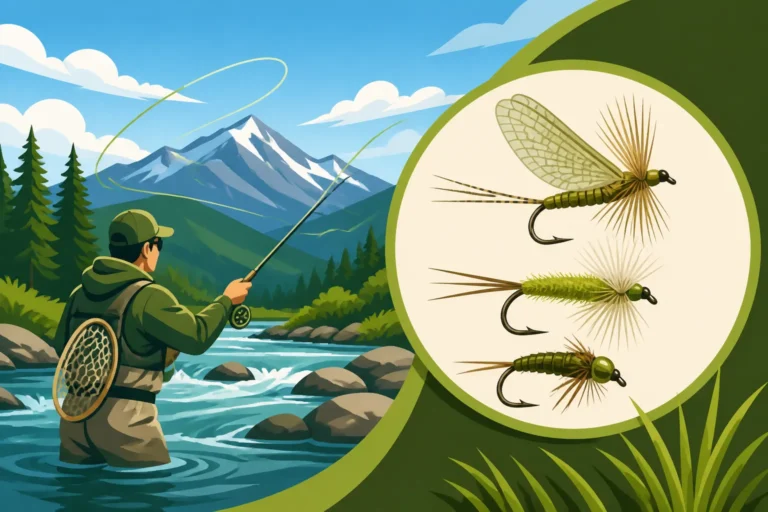
- Mayflies: Parachute Adams, PMD Sparkle Dun, Green Drake Thorax Dun, BWO CDC Comparadun (sizes #12-22) – cover a wide range of mayfly hatches.
- Terrestrials: Dave's Hopper, Charlie Boy Hopper, Ant patterns, Beetle patterns (sizes #8-18) – crucial for late summer and fall.
- Attractors/Emergers: Royal Wulff, Stimulator, Purple Haze, various midge emergers – useful when fish aren't keyed into a specific hatch.
Remember, trout can be incredibly selective, especially on heavily pressured waters. Having a variety of sizes and slight variations of popular patterns can make all the difference. For specific recommendations, check out Best Flies for Colorado's Gold Medal Trout Water.
Reading the Water and Approaching Fish
One of the most rewarding aspects of dry fly fishing is the visual game: spotting rising fish, deciphering the drift, and making that perfect cast. Reading Water on a Colorado Freestone River, or any river for that matter, is an art form. Look for seams where faster current meets slower water, eddy lines, behind rocks, and under overhanging vegetation. These are prime feeding lies where trout can comfortably wait for insects to drift by.
When you spot a rising fish, approach stealthily. Trout have excellent eyesight, and heavy footsteps on the bank or shadows cast over the water can spook them instantly. Cast upstream or across-stream, allowing your fly to drift naturally over the fish's feeding lane with no drag. The goal is to make your artificial fly look like another natural insect, unattached to your line. Often, just one good cast is all you get, so make it count. Understanding How to Approach a Tailwater Without Spooking Trout, applies to any clear-water dry fly situation.
Locating Prime Dry Fly Waters
Colorado is blessed with an abundance of fantastic dry fly waters. Here are a few to get you started:
- South Platte River (Deckers, Cheesman Canyon, Dream Stream): These tailwater sections are famous for prolific hatches and large, often selective, trout. Dry fly opportunities abound throughout the season, with strong BWO, caddis, and Trico hatches. The Fishing the Dream Stream and Cheesman Canyon on Colorado's South Platte, is a must-do for many.
- Fryingpan River: Known for its gin-clear waters and massive trout, the "Fryingpan below Ruedi" is a legendary dry fly destination. PMDs, Green Drakes, and midges dominate in summer.
- Arkansas River: From Buena Vista to Cañon City, the Arkansas is a classic freestone river. Famous for its caddis and stonefly hatches, especially in June and July.
- Colorado River: Sections near Kremmling and further downstream offer fantastic dry fly fishing for brown and rainbow trout, particularly during stonefly and caddis hatches.
- High-Country Lakes: Accessible primarily from July through September, these pristine lakes in areas like Rocky Mountain National Park or the San Juan Mountains offer incredible dry fly fishing for eager cutthroat and brook trout, often with less pressure.
Always remember to check the Colorado Parks and Wildlife (CPW) website for the latest regulations, river conditions, and stocking reports. Many fly shops also provide real-time updates on local hatches and fishing conditions. Getting updated information from local fly shops, easily found online through a quick search or via sites like Amazon for specific area information, is a critical step before heading out.
Disclaimer
Fishing conditions and regulations in Colorado can change frequently. Always consult the most current Colorado Parks and Wildlife (CPW) regulations before heading out. Be aware of private property boundaries, fire restrictions, and any specific rules for the body of water you intend to fish. Practice responsible catch-and-release techniques to help preserve Colorado's incredible fisheries for future generations.