Matching a Stonefly Hatch in Early Summer
There's nothing quite like standing knee-deep in a pristine Colorado river, the air buzzing with the promise of a hatch, only to realize the fish are rising to something you can't quite identify. For many of us, the early summer stonefly hatch is one of those legendary, yet sometimes frustrating, experiences. These big, juicy bugs can drive trout into a feeding frenzy, but knowing exactly when and how to match their emergence can feel like cracking a secret code. This guide aims to demystify the art of matching stonefly hatches in early summer across Colorado's incredible waters, offering practical advice and insights to help you land that trophy trout.
Understanding Colorado's Stonefly Hatches in Early Summer
The stonefly hatch is an event that stirs excitement in every Colorado angler, but truly understanding its nuances is key to success. These insects are a cornerstone of the aquatic food chain in our high-country rivers, providing a substantial meal for hungry trout.
The Stonefly Life Cycle and Key Species
To successfully match a stonefly hatch, you first need to understand the lifecycle of these fascinating insects. Stoneflies (Order Plecoptera) undergo incomplete metamorphosis, meaning they transition from an egg to a nymph, and then directly to an adult, without a pupal stage like caddis or mayflies.
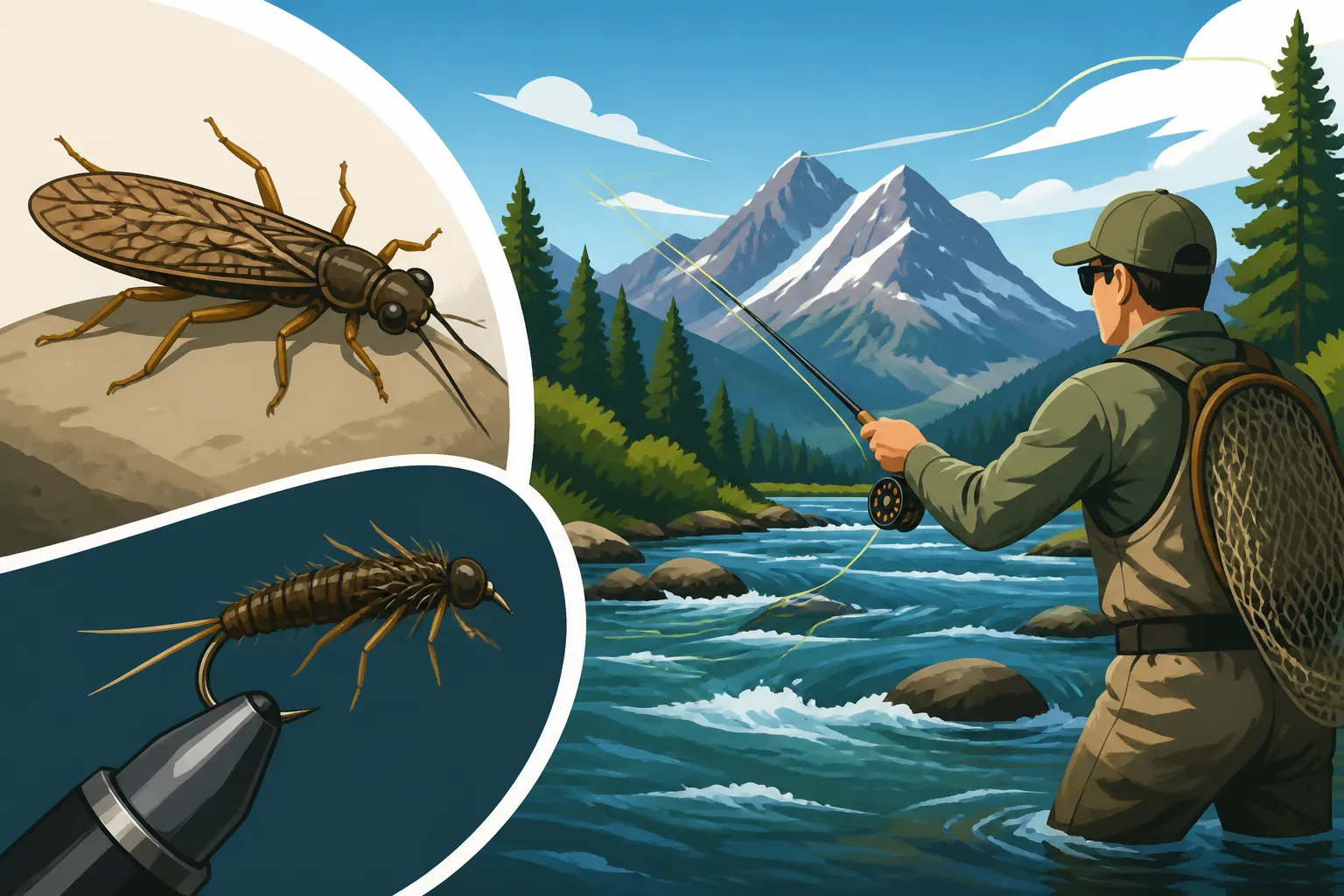
Their life begins when adult females deposit eggs, often dropping them from flight onto the water's surface or dipping their abdomens to release them. These eggs settle to the riverbed, eventually hatching into nymphs. Stonefly nymphs are incredible creatures, often spending one to three years crawling along the river bottom, hiding under rocks, and feeding on detritus or other small invertebrates. They're characterized by two prominent tails (cerci) and two antennae, often with gills on their thoraxes. As they grow, they shed their exoskeletons multiple times.
In Colorado, several key stonefly species draw the attention of anglers. The most famous for early summer are often the Salmonflies (genus Pteronarcys). These are massive, up to three inches long, and when they hatch, it’s truly a spectacle. Their nymphs are dark, almost black, and the adults are a reddish-orange or dark brown with dark wings. Another significant early summer species is the Golden Stonefly (genus Hesperoperla or Claassenia). While not quite as gargantuan as Salmonflies, they are still substantial, often reaching two inches in length, with nymphs and adults sporting a golden-brown hue. These generally follow the Salmonfly hatch by a week or two. You might also encounter smaller species like Little Yellow Sallies, which can hatch over a much longer period but are less of a primary "hatch" focus for big trout.
These insects thrive in cold, clear, well-oxygenated rivers with rocky bottoms, which perfectly describes many of Colorado's premier trout streams. Knowing which species are active and what stage they are in is crucial for fly selection.
Why Early Summer is Prime Stonefly Time
The transition from late spring to early summer in Colorado is a magical period, marked by the gradual retreat of spring runoff and the warming of river temperatures. This is precisely why early summer becomes the prime window for stonefly hatches.
Typically, in May and early June, many of Colorado's freestone rivers are roaring with snowmelt, carrying silt and debris, making fishing challenging. However, as the peak runoff subsides, usually by mid-June into July, water levels begin to drop, and the turbidity decreases. This clearing and warming of the water, hitting that sweet spot between 50-60 degrees Fahrenheit, signals to the mature stonefly nymphs that it's time to emerge. The nymphs, having spent years on the riverbed, sense these environmental cues and begin their migration towards the riverbanks. They crawl out from under rocks and debris, often making their way to riparian vegetation or large boulders where they shed their nymphal shucks and transform into winged adults.
This period often coincides with the peak fishing season, and the sheer size of these insects means trout get a substantial meal, leading to incredibly aggressive and often unforgettable takes. It’s not just the quantity but the quality of the meal that puts trout in a feeding frenzy. Anglers who time their trips right, often tracking local conditions closely, can experience some of the best dry fly fishing of the year.
Reading the Water and Identifying the Hatch
Successfully matching a stonefly hatch goes beyond simply knowing it's "stonefly season." It requires careful observation of the water, the insects, and, most importantly, the trout themselves.
Spotting Stonefly Nymphs and Shucks
Before you even see an adult stonefly take flight, the first clues of an impending or active hatch will be found in the nymphal stage. Stonefly nymphs are not subtle; they are often large and can be seen crawling along the riverbed or, more tellingly, on submerged rocks and woody debris near the banks. One of the most effective ways to confirm their presence is to wade carefully into slower water near the bank and turn over a few rocks. If you see large, segmented, dark-bodied nymphs with two tails scrambling to find cover, you know you're in stonefly territory. Their size alone is usually a dead giveaway, distinguishing them from smaller mayfly or caddis nymphs.
Even more indicative of an active emergence are the shed shucks. After a stonefly nymph crawls out of the water, it sheds its exoskeleton on a rock, log, or streamside vegetation. These translucent, empty casings are literally littered across the rocks, often clinging to the sunny side. If you see numerous shucks, especially large, dark ones, you know the adults are or have recently been emerging. This is a critical piece of information because it tells you the trout might still be focused on the nymphal migration or the adults struggling to get free. The sheer volume of shucks can provide a powerful indicator of the hatch's intensity.
Observing Adult Stoneflies and Trout Behavior
Once the nymphs emerge, they transform into adult stoneflies, which are fairly easy to spot due to their size and characteristic clumsy flight. Adult stoneflies don't fly particularly well; they often bumble along the surface of the water, or hop from rock to rock, making them easy prey for opportunistic trout. Look for them on riparian vegetation, especially low-hanging branches, or buzzing noisily near the water. Their large, often dark bodies and distinct wings are unmistakable. If you see them actively flying around, or even more critically, see them landing on the water's surface and struggling, then you know it's time to get a dry fly on.
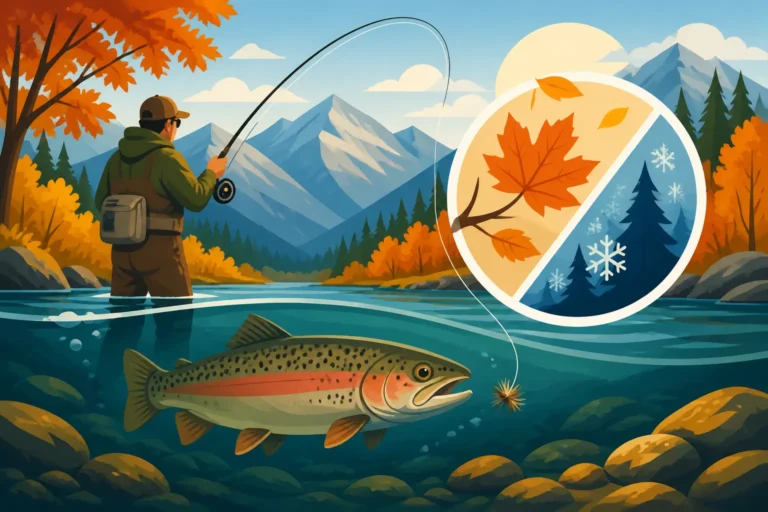
The most exciting part, of course, is observing trout behavior. During a robust stonefly hatch, trout often throw caution to the wind. Unlike the subtle sips for tiny midges, a trout taking a large stonefly dry fly will often produce a very aggressive, splashy, and audible take. They might porpoise out of the water, crash down on the fly, or even fully jump clear. This aggressive feeding behavior, especially near the banks where stoneflies are most prevalent, is a clear sign that they are keyed into the hatch. If you see these violent rises, you're likely in the midst of a productive stonefly feed. However, sometimes trout will be focused on the nymphs that are still crawling along the bottom or swimming to the surface, showing subtler subsurface takes. This is where a careful eye and a bit of detective work come into play to discern their preferred meal.
Essential Gear and Techniques for Matching the Hatch
Having the right gear and employing the correct techniques can make all the difference when trying to fool a trout during a stonefly hatch. It’s not just about having a big, buggy fly; it’s about presentation and understanding how trout feed.
Recommended Fly Patterns for Nymphs and Dries
When it comes to stonefly patterns, size definitely matters. These are not dainty insects, so you'll be reaching for larger flies, typically in sizes #4 to #10. Having a good variety in your fly box is essential, as the specific species, its stage, and even regional differences can influence trout preference. You can easily find a vast selection of these patterns on platforms like Amazon or at local fly shops, ensuring you're well-stocked.
For the nymphal stage, which often precedes and continues through the adult hatch, these patterns are indispensable:
- Pat's Rubber Legs: This is arguably one of the most effective stonefly nymph patterns out there. Its rubber legs provide incredible movement in the water, mimicking the natural action of a struggling nymph. It comes in various colors, but black, brown, and coffee/black combinations are excellent choices.
- Girdle Bug: Similar to the Pat's Rubber Legs but often tied with a flatter profile, it's another fantastic general stonefly nymph imitation.
- Kaufmann's Stone: A classic pattern, often tied with a darker body and noticeable wing pads, making it a good representation of a mature nymph.
- Prince Nymph: While not exclusively a stonefly imitation, its general dark, buggy profile and flash often make it an attractive option, especially when fish are less selective.
- Twenty Incher Stone: Another popular choice that, as its name suggests, is designed to catch big fish.
When the adult stoneflies are on the water, you'll want some high-floating, visible patterns:
- Chubby Chernobyl: This foam-bodied pattern is a modern classic. It floats like a cork, is highly visible, and perfectly imitates the large, bulky profile of a Salmonfly or Golden Stone. It's often tied with rubber legs for added appeal.
- Morrish Hopper: While often thought of as a hopper pattern, its size and profile make it an excellent choice for larger stonefly adults, particularly later in the summer.
- Sofa Pillow: A traditional choice, this pattern is known for its effectiveness, particularly in faster water where its bushy hackle helps it ride high.
- Stimulator: A versatile pattern that can imitate a variety of large insects, including stoneflies, especially in golden or orange hues.
- Royal Wulff: While not a direct stonefly imitation, its large, visible profile and excellent floatation can make it an effective attractor pattern when fish are actively looking up.
Remember to match the size and general color profile of the naturals you observe. If Salmonflies are emerging, think dark and reddish-orange; for Golden Stones, lean towards golden-browns. For more specialized advice, consulting a guide to Best Flies for Colorado's Gold Medal Trout Water can often provide tailored recommendations.
Rigging Strategies for Success
How you present your flies is just as important as the patterns themselves. Stonefly hatches often call for slightly different rigging than when you're targeting fish on smaller, more delicate insects.
When trout are focused on nymphs, especially those migrating to the banks, a double nymph rig or a single nymph under an indicator is highly effective. You might use a heavy stonefly nymph (like a Pat's Rubber Legs) as your lead fly, with a smaller attractor nymph (like a caddis larva or a Perdigon) trailing behind it. The weight of the lead fly helps get your rig down to the bottom quickly, where stonefly nymphs often reside. A high-quality strike indicator is essential to detect the often subtle takes of trout on nymphs. For detailed instructions, check out resources on Nymphing Techniques for Colorado Tailwaters.
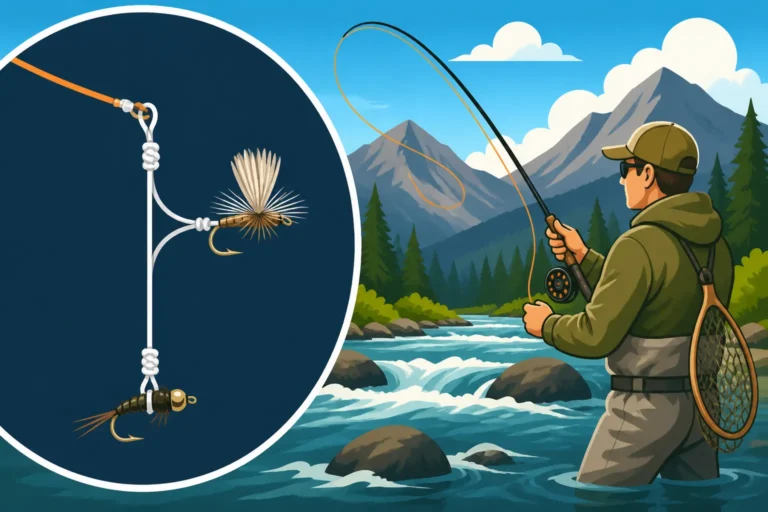
For dry fly fishing during the adult hatch, simplicity can be key. A single large dry fly, cast accurately to rising fish or likely holding water, is often all you need. However, a dry-dropper setup is incredibly versatile and often my go-to. This involves tying a stonefly dry fly (like a Chubby Chernobyl) as your main attractor, and then attaching a smaller nymph (often a Pat's Rubber Legs or a Prince Nymph) to the bend of the dry fly hook with a short piece of tippet (12-18 inches). This allows you to imitate both a struggling adult on the surface and a nymph below, catering to trout that might be opportunistic or still focusing on the subsurface migration. The larger dry fly also acts as your indicator for the trailing nymph.
Because you're often throwing larger flies and potentially fighting bigger, stronger fish that have feasted on these protein-rich insects, don't be afraid to use heavier leader and tippet. I generally start with a 9-foot 3X or even 2X leader, especially if I'm fishing a single dry fly. For dry-dropper setups, I'll extend with 3X or 4X tippet for the dropper, but rarely go lighter. You want to be able to turn over those big flies and have the strength to muscle a good fish out of strong currents without breaking off. Many anglers stock up on essentials like tippet and leader material from retailers such as Amazon before their trips.
Casting and Presentation Tactics
Successfully presenting your stonefly imitations requires a strategic approach, especially given the typically turbulent nature of Colorado's freestone rivers in early summer.
Accuracy is paramount, particularly when fishing the adult hatch. Stoneflies often emerge and fall near the banks, log jams, and rocky structure. These are prime feeding lies for trout. You’ll want to cast your dry fly patterns right up against the bank or structure, often with an upstream mend to allow for a drag-free drift. Trout during a stonefly hatch can be aggressive, but they’re not stupid; any drag will often send them scurrying. Practice your roll casts and reach casts to achieve that perfect, natural drift. For guidance on perfecting your surface presentations, exploring Dry Fly Fishing Colorado's Freestone Rivers can be very beneficial.
For nymphing, especially when fish are focused on the migrating nymphs, you'll want to target the same areas: current seams, the edges of faster water, and deep pools near bankside structure. Cast upstream of your target, allow your flies to sink, and drift them naturally through the suspected holding water.
One effective tactic, especially with dry stonefly patterns, is to twitch or skate them slightly on the surface. Unlike delicate mayfly presentations, a stonefly adult, especially one that has just hatched or fallen onto the water, will often struggle, creating a ripple or a disturbance. A subtle twitch of your rod tip can impart this lifelike movement, sometimes triggering an otherwise hesitant trout to strike. Experiment with this, but don't overdo it; too much movement can also spook fish.
Finally, remember the importance of stealth. Even though trout can be aggressive during a stonefly hatch, large fish are still wary. Approach your desired fishing spots carefully, try to stay low, and avoid casting a shadow over the water. Long leaders, combined with accurate casting, help keep your presence minimized.
Prime Colorado Locations for Early Summer Stonefly Action
Colorado boasts an incredible array of rivers and streams, but some are particularly renowned for their legendary early summer stonefly hatches. Knowing where and when to focus your efforts can significantly increase your chances of experiencing this epic event.
Gold Medal Rivers Known for Stoneflies
When we talk about stoneflies, we're often talking about the larger, more robust species like Salmonflies and Golden Stones, which thrive in healthy, high-gradient rivers with plenty of rocky habitat. Coincidentally, many of Colorado's designated Gold Medal Waters fit this description perfectly, making them prime destinations for early summer stonefly action.
- Arkansas River: The Arkansas River, particularly the stretches near Salida and Buena Vista, is famous for its Salmonfly and Golden Stone hatches. As the spring runoff subsides, usually from mid-June through early July, this river can be absolutely electrifying. The river has ample public access and hosts a healthy population of brown and rainbow trout eager to gorge on these large insects. It’s a freestone river, meaning its flows are entirely dependent on snowmelt and rainfall, so timing is crucial.
- Colorado River: The mainstem Colorado River, especially the sections from Kremmling down through Glenwood Springs, is another hotspot. The stretch near Glenwood Canyon, for instance, offers fantastic opportunities. Here, you'll find Salmonflies and Golden Stones providing significant protein for the resident trout. Floating trips are extremely popular on this river during the hatch, allowing anglers to cover more water and access prime holding lies. For a deeper dive into fishing this iconic waterway, explore Fishing the Colorado River From Glenwood Canyon to Kremmling.
- Gunnison River: The Gunnison River, particularly below the Black Canyon and in the Gunnison Gorge, is legendary for its stonefly hatches. While often a float trip destination requiring permits, the rewards can be immense. The sheer volume of Salmonflies and Golden Stones here provides unparalleled dry fly action for wild trout. However, access can be challenging, and navigating the Black Canyon requires experienced rafters. For those seeking adventure and potentially huge fish, the Gunnison is hard to beat. You can learn more about this incredible fishery through guides like Fishing Colorado's Gunnison River and the Black Canyon.
- Fryingpan River: While known more for its technical tailwater fishing and smaller hatches, the upper Fryingpan, particularly its freestone sections above the dam, can also produce some stonefly activity, though often with smaller species. However, when the Golden Stones do appear here, the large, selective trout can be a rewarding challenge.
These rivers offer the cold, clear, well-oxygenated water and rocky bottoms that stonefly nymphs require to thrive, making them perfect venues for chasing the early summer hatch.
Timing Your Trip to Hit the Hatch
One of the biggest challenges with stonefly hatches in Colorado is their unpredictable nature. While "early summer" is the general timeframe, the exact week, or even day, can vary significantly year to year. Several factors influence the timing:
- Snowpack and Runoff: Heavy snowpack years often mean prolonged, high runoff, pushing the hatch later into summer. Conversely, a low snowpack year can lead to an earlier, quicker runoff and an earlier hatch. You need to keep a close eye on streamflow gauges provided by the U.S. Geological Survey (USGS) and local conditions.
- Water Temperature: Stonefly nymphs are highly sensitive to water temperature. The magic range for emergence is generally between 50 and 60 degrees Fahrenheit. If temperatures remain too cold, the hatch will be delayed. If they warm up too quickly, it can be intense but short-lived.
- Elevation: Rivers at lower elevations will typically see their hatches earlier than those higher up in the mountains. For example, the Arkansas River near Cañon City might see its hatch before the upper reaches near Buena Vista.
The best strategy for timing your trip is to monitor local fly shop reports religiously. Fly shops along the Arkansas, Colorado, and Gunnison rivers are invaluable resources, providing daily updates on water conditions, active hatches, and successful patterns. These reports, often updated weekly or even more frequently, are more reliable than any calendar date. Additionally, the Colorado Parks and Wildlife (CPW) website and their Reading Colorado's Weekly Stocking Report can offer broader insights into general fish activity, though less specific to individual hatches.
Sometimes, different stretches of the same river can experience the hatch at different times, with the lower, warmer sections starting first and the hatch progressing upstream. This means a skilled angler can sometimes "chase the hatch" up a river system over several weeks. Flexibility and a willingness to adjust your plans are crucial for experiencing the stonefly hatch at its peak.
Common Challenges and Troubleshooting
Even with the right flies and prime timing, a stonefly hatch can present its own set of frustrations. Trout can be notoriously picky, and river conditions are always dynamic. Understanding common challenges and having troubleshooting strategies ready can salvage a tough day on the water.
When Trout Ignore Your Perfect Imitation
There’s nothing more disheartening than seeing big, juicy stoneflies everywhere, and even seeing fish rising, only to have them completely ignore your meticulously tied Chubby Chernobyl. It's a common scenario, and it usually means the trout are keyed into a different aspect of the hatch.
One major reason for refusals is that trout are often more focused on emergers or cripples than perfect, healthy adults. Stoneflies are large insects, and their emergence can be a struggle. Nymphs sometimes get stuck in their shucks, or adults fall into the water before their wings are fully hardened. These vulnerable insects are easy targets. If trout are refusing your high-floating dry, try fishing a slightly submerged or wet stonefly adult pattern, or even a smaller nymph pattern directly below your dry fly (a dry-dropper setup) to imitate a nymph that didn't quite make it to the surface. Sometimes a subtle variation in the fly's profile, perhaps a pattern tied with CDC feathers for a more natural, wet look, can make a difference.
Another factor might be presentation. Even during an aggressive hatch, drag on your fly can be an instant turn-off. Ensure your dry fly is drifting completely naturally, free of any unnatural pulling or skating motion caused by your line. Sometimes, a subtle twitch of a dry fly can imitate a struggling insect, but too much can scare fish. Experiment with varying degrees of movement, from dead drift to slight twitches.
Finally, water conditions can play a significant role. If the water is still a bit high and off-color from runoff, trout might be feeding more aggressively on subsurface nymphs that offer an easier, less visible meal. Conversely, if the water is exceptionally clear and low, trout can become incredibly selective, making longer leaders (perhaps 10-12 feet) and finer tippet (4X-5X, carefully) necessary for a more delicate presentation. Understanding the Colorado's 14-Inch Trout Length Rule on certain Gold Medal waters also emphasizes the need for careful handling of these larger, discerning fish.
Dealing with High Water and Post-Hatch Scenarios
Early summer, while prime for stoneflies, can still present challenges with fluctuating river levels and clarity, especially if there are late spring rains or continued snowmelt. High, murky water doesn't mean you have to pack up and go home, but it does mean adjusting your tactics.
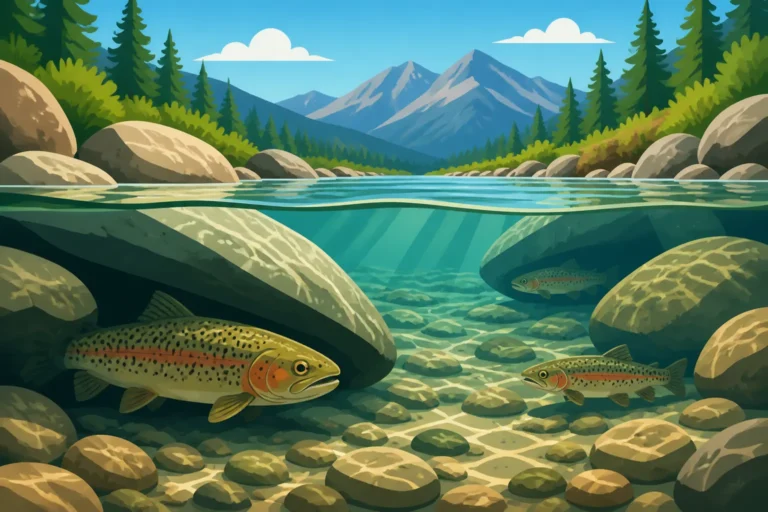
When the water is high and slightly off-color, trout often move out of the main current and seek refuge in slower, softer water near the banks, behind large boulders, or in eddies. They also become less willing to rise to the surface because visibility is reduced, and it takes more energy to track down a meal. In these conditions, focus heavily on subsurface nymphing. Use heavier stonefly nymph patterns like a heavily weighted Pat's Rubber Legs or a Girdle Bug, sometimes even adding extra split shot to your leader, to get your flies down quickly to where the fish are holding. Brighter, more visible nymph colors (e.g., patterns with fluorescent green or chartreuse hot spots) can also be more effective in murky conditions, as they provide better contrast. You might also consider using larger patterns than usual, as the fish's feeding window is narrower. Remember to be safe when wading in high water; consulting resources on How to Stay Safe Wading Fast Colorado Currents is always a good idea.
Once the main stonefly hatch is over, the trout won't just stop eating. They'll transition to other available food sources, but they'll often remember the large, easy meals the stoneflies provided. In a post-hatch scenario, you might still find success with smaller stonefly nymphs, as some nymphs will continue to emerge, and others might be dislodged from the bottom. However, it's also a time to consider other hatches that might be coming off, such as caddis or even early season grasshoppers, or to switch to attractor patterns like a large Stimulator or a classic Wulff. Streamer fishing can also be incredibly effective, as trout will be looking for larger meals that require less effort than picking off smaller insects. Keeping an eye on the river for other insect activity is crucial for these transitional periods.
Colorado Stonefly Species and Key Patterns
| Stonefly Species | Typical Hatch Time (Colorado) | Size Range (Flies) | Key Nymph Patterns | Key Dry Fly Patterns | Notes |
|---|---|---|---|---|---|
| Salmonfly (Pteronarcys) | Mid-June to Early July | #4 – #8 | Pat's Rubber Legs (black/brown), Girdle Bug, Kaufmann's Stone (dark), Rogue River Stone | Chubby Chernobyl (orange/black), Sofa Pillow, Royal Wulff (large) | The biggest and most famous hatch. Nymphs are dark, adults are reddish-orange. Often found on large freestone rivers like the Arkansas and Colorado. Trout are often aggressive during this hatch. |
| Golden Stonefly (Hesperoperla, Claassenia) | Late June to Mid-July | #6 – #10 | Pat's Rubber Legs (tan/gold), Girdle Bug (tan), Kaufmann's Stone (golden) | Chubby Chernobyl (golden/tan), Stimulator (golden), Morrish Hopper (tan) | Slightly smaller than Salmonflies, with a golden-brown hue. Often follows the Salmonfly hatch. Found on many of the same rivers, and can be equally effective in drawing strikes. |
| Skwala Stonefly (Skwala) | Late March to Early May | #8 – #12 | Pat's Rubber Legs (olive/brown), Biot Stone, 20 Incher Stone | Chubby Chernobyl (olive/brown), Skwala Skater, Olive Stimulator | While primarily a spring (not early summer) hatch, worth noting as a significant early season stonefly. Nymphs are olive/brown, adults are olive-brown. Precedes runoff and can be incredibly effective when active. |
| Little Yellow Sally (Isoperla) | Late May to August | #12 – #16 | Yellow Sally Nymph, Hare's Ear (small) | Yellow Sally Dry, Small Stimulator (yellow), Royal Wulff (small) | Smaller than the "big three," but a common and prolonged hatch throughout summer. Trout can key in on these when larger stoneflies aren't present. Often seen fluttering off riverside vegetation. |
Disclaimer
Please note that fishing conditions, regulations, and insect hatches in Colorado can change rapidly due to weather, water levels, and conservation efforts. Always consult the latest Colorado Parks and Wildlife regulations and local fishing reports before heading out. Safety should always be your top priority when fishing any body of water.