How Wind Affects Fishing on Colorado’s High Lakes
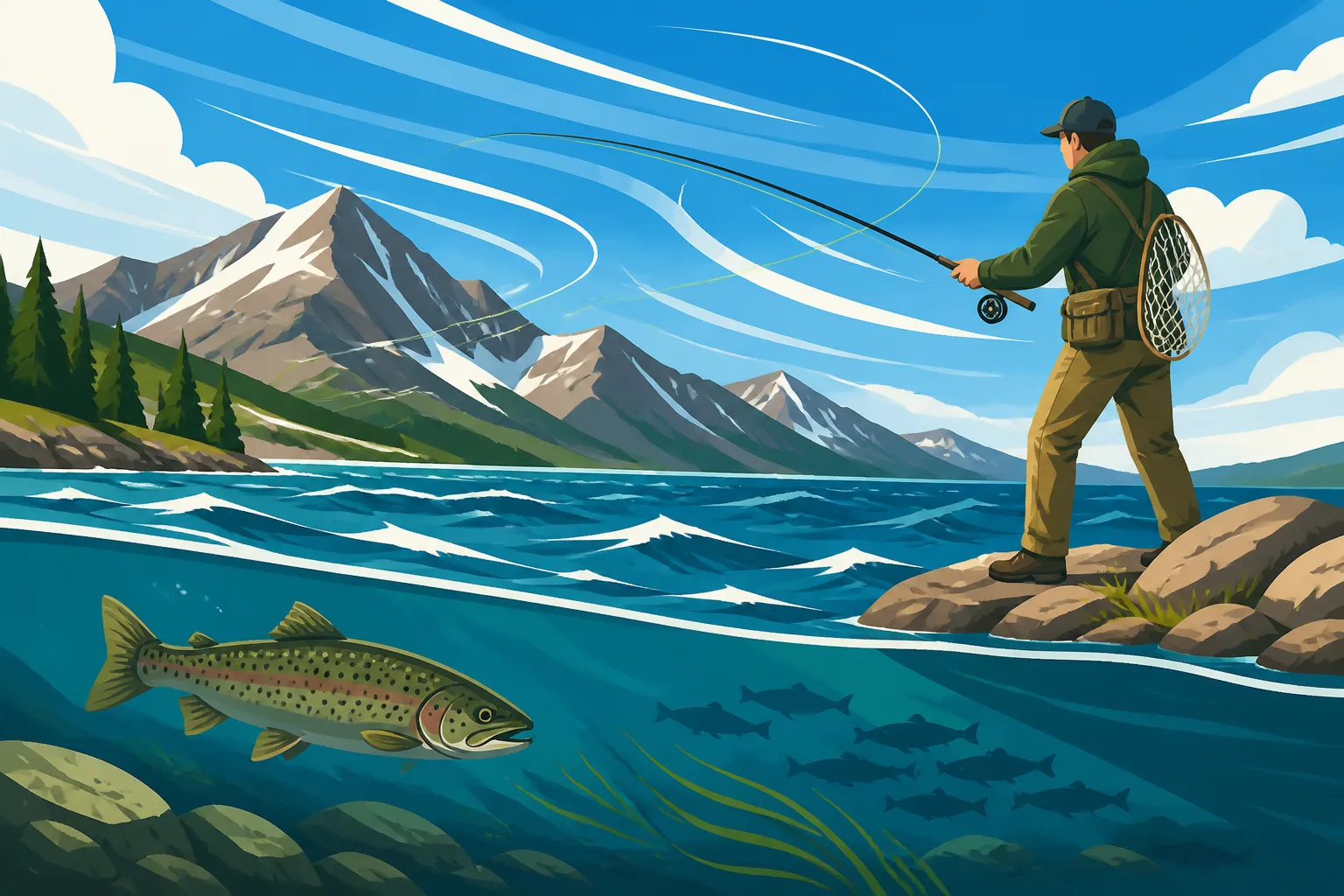
Oh, the wind on a Colorado high lake. If you’ve spent any time casting a line in our stunning alpine country, you know this isn't just a gentle breeze; it’s often a relentless, gear-snatching, line-tossing, morale-draining force that can turn a peaceful day into a frustrating battle. It's enough to make you pack up early and question your life choices. But here’s the thing: while it certainly complicates things, wind isn't always the enemy. In fact, understanding how it interacts with these unique environments and learning to adapt can significantly improve your chances of a successful day. This guide will walk you through the nuances of fishing Colorado's high lakes when the wind whips, offering practical strategies to turn those gusts into gains.
The Mountain Wind: Friend or Foe?
Fishing high-altitude lakes in Colorado inevitably means dealing with wind. These lakes, often nestled above the treeline or in exposed valleys, are subject to powerful air currents that can descend from peaks or funnel through passes. It’s a completely different beast than fishing a placid lowland reservoir. While it can be incredibly annoying, this constant churning actually brings some significant benefits to the underwater world.
The Challenges Wind Presents to Anglers
Let's be real, the challenges are usually what stick in our minds. Imagine you're standing on the rocky shore of a pristine lake near Leadville, say Turquoise Lake, with a perfect view of the surrounding peaks. You make a beautiful cast, and just as your fly or lure is about to land, a gust snatches your line, depositing it in a tangled mess at your feet. Sound familiar?
- Casting Nightmares: Whether you're fly fishing or spin fishing, wind makes accurate casting incredibly difficult. Your line becomes a sail, your fly wants to knot itself around your rod tip, and lightweight lures get tossed off course. Trying to present a delicate dry fly in these conditions feels like trying to thread a needle in a hurricane.
- Boat and Float Tube Control: If you’re out on a float tube or a small raft on a lake like Twin Lakes, wind can quickly turn your quiet drift into an uncontrolled sprint across the water. Maintaining position over a promising drop-off becomes a constant battle against the elements, often requiring anchors or a lot of finning.
- Chilling Effects: High-altitude wind, especially when combined with cool water spray, dramatically increases the wind chill factor. Even on a sunny summer day, you can quickly get cold, impacting your comfort and concentration.
- Visibility Issues: For sight fishing, choppy water created by wind obliterates your view into the water. It also makes it harder to see subtle takes on your line, especially with nymphs or subsurface lures.
Unexpected Benefits Wind Brings to Fishing
Despite the frustrations, wind is a crucial element for healthy high-lake ecosystems and can actually concentrate fish. Think of it as a natural agitator and food delivery service.
- Oxygenation and Water Mixing: Wind literally stirs the pot. It breaks up the surface, increasing oxygen exchange between the air and water, which is vital for fish health, especially in shallower areas or during warmer periods. It also helps to mix water layers, distributing temperatures and nutrients more evenly.
- Disorienting Fish: The choppy surface makes it harder for fish to see you, the angler, giving you a stealth advantage. It also creates a sense of chaos on the surface, making fish less wary of a slightly imperfect presentation.
- Creating Current and Food Delivery: Perhaps most importantly, wind generates surface currents. These currents act like conveyor belts, pushing insects, terrestrial bugs (like grasshoppers and beetles), and other organic matter towards specific areas – typically wind-blown shorelines, points, and coves. Fish learn to patrol these areas, knowing an easy meal is likely to appear.
Strategic Approaches for Fishing in Windy Conditions
Knowing that wind can be both a pain and a blessing means you can prepare for it. Adapting your strategy and gear is key to turning a challenging day into a rewarding one.
Finding Lee-Side Protection and Reading the Water
When you arrive at a high lake and see whitecaps, your first instinct might be to turn around. Don't! Instead, scan the landscape.
- Seek Out Sheltered Coves and Points: Look for areas where cliffs, large rock formations, or dense stands of trees create a natural windbreak. These "lee" sides will have calmer water, making casting and boat control much easier. Fish will often hold in these calmer zones, especially if the wind has been blowing food into them. Even a slight bend in the shoreline can offer a surprising amount of protection.
- Identify Wind-Blown Banks: Conversely, the banks directly hit by the wind are often prime feeding zones. While challenging to fish, these are where food concentrates. If you can manage your cast and presentation, these areas can be incredibly productive. Imagine a steady wind pushing terrestrial insects off the bank of a lake. Trout will position themselves facing into this "current," waiting for morsels to drift by.
- Look for Seams and Eddies: Just like in a river, wind-driven currents in a lake create seams and eddies where faster-moving water meets slower water. These transition zones are where fish often hold, conserving energy while waiting for food to be delivered to them. Look for subtle lines on the water's surface that indicate these current changes.
Adapting Your Gear and Techniques
You can't change the wind, but you can change how you fish with it. A few adjustments to your setup can make a world of difference.
- Heavier Lines and Weights: For fly fishing, consider switching to a heavier fly line (e.g., a 6-weight instead of a 4-weight on your 5-weight rod) or adding sink tips to cut through the wind and get your flies down. For nymphing, don't shy away from using more split shot to ensure your flies get to the strike zone quickly. Spin anglers should opt for heavier lures like Kastmasters, Daredevils, or dense jigs that have enough heft to cast accurately into the wind and stay down in chop. You can find a wide variety of these options available on Amazon.
- Shorter, More Aggressive Casts: Instead of trying to aerialize long casts, focus on shorter, more accurate presentations. Use a "punch cast" in fly fishing, where you drive the line forward with more power to penetrate the wind. Spin anglers can try sidearm casts to keep the lure lower to the water, reducing wind interference. Sometimes, just wading a few feet closer (if safe) can make all the difference.
- Indicator and Leader Adjustments: If you’re indicator nymphing, use a larger, more buoyant indicator that won't get pulled under by surface chop. Consider a shorter leader or a heavier tippet to maintain better contact with your flies in the wind.
- Boat and Wading Control: If you're using a float tube, an anchor system is almost a necessity in windy conditions. A small drag chain or collapsible anchor can hold you in place, allowing you to focus on fishing instead of constantly kicking against the wind. Drift socks are also fantastic for slowing your drift if you want to cover water. If wading, take extra care. The choppy water can obscure slippery rocks, and a strong gust could throw you off balance. Always use a wading staff in these conditions, and remember that studded boots for icy river banks can offer similar grip on slick, windy shorelines.
Understanding Wind's Impact on Fish Behavior
It's not just about how the wind affects you; it's about how it affects the fish. Trout are opportunistic and will adapt their feeding patterns based on environmental cues, and wind is a major one.
Wind as a Food Delivery System
As mentioned, wind concentrates food. This is particularly true for terrestrial insects – grasshoppers, beetles, ants, and other land-dwelling bugs that are either blown directly into the water or fall from shoreline vegetation due to gusts.
- Terrestrial Hatches: When the wind picks up, especially in late summer and fall, you'll often find a surge in terrestrial patterns being effective. Fish will actively cruise wind-blown shores, looking for struggling insects on the surface. Fishing patterns like foam hoppers, ants, or even stimulators along these banks can be incredibly productive.
- Subsurface Concentration: Wind also pushes plankton and smaller invertebrates, like scuds and callibaetis nymphs, towards the leeward side of the lake or into sheltered coves. This concentration of baitfish and insect life creates a buffet for trout, drawing them in from deeper, less productive areas. Consider using nymphing techniques for Colorado tailwaters, adapting those heavy rigs for lake conditions to get flies down to these feeding fish.
Oxygenation, Temperature, and Fish Comfort
Wind plays a critical role in the physical conditions of the lake, which directly impacts where fish prefer to hold.
- Breaking Thermal Stratification: In warmer months, many high lakes can develop thermal stratification, where warmer, oxygen-depleted water sits above cooler, oxygen-rich water. Strong winds can help break up these layers, mixing the water and making more of the lake suitable for trout. This can encourage fish to spread out and explore new feeding grounds.
- Cooling Surface Waters: A constant wind can also help cool down surface water temperatures, which is particularly beneficial for cold-water species like trout during heat waves. This can keep fish active and feeding closer to the surface than they might otherwise be. However, remember that water temperature affects trout feeding significantly, so extreme cold or warmth can still slow them down.
Reduced Visibility: A Trout's Blind Spot
While choppy water hinders your vision, it's also a significant advantage when it comes to approaching wary trout.
- Less Spooky Fish: In clear, calm water, trout are incredibly spooky. Any sudden movement, shadow, or bright gear can send them darting for cover. Wind-blown, choppy water creates a broken surface that greatly reduces their ability to see movement above. This allows you to get closer to feeding fish without spooking them, making your presentations more effective.
- Camouflage for the Angler: The wind and waves also provide natural camouflage. You don't have to be quite as stealthy in your approach, which can be a huge relief in situations where getting a perfect, hidden angle is impossible. This is one of the reasons why dry fly fishing Colorado's freestone rivers can be so challenging in calm, clear conditions.
| Wind Condition | Angler Challenges | Fish Behavior Effects | Recommended Gear/Strategy |
|---|---|---|---|
| Light Breeze | Minimal casting impact | Subtle surface disturbance, minor food drift | Standard setups, focus on accurate presentation |
| Moderate Wind | Difficult casting, boat control | Concentrates food, oxygenates water, disorients fish | Heavier lines/lures, seek lee sides, aggressive casts |
| Strong Gusts | Extremely challenging, potential safety risk | Intense food delivery, highly oxygenated water, very spooky fish | Stick to sheltered coves, heavier weights, short casts, focus on safety |
Safety First: Navigating Windy High Lakes
No matter how good the fishing might be, safety always comes first, especially in Colorado’s high country. The weather can change in an instant, and wind amplifies every risk.
Vigilant Weather Awareness
Before heading out to a high-altitude lake, always check the weather forecast. But don't just check it once; pay attention to changing conditions throughout the day.
- Mountain Weather is Fickle: A forecast for "light breezes" in the valley can translate to "gale-force winds" at 10,000 feet. Look for specific mountain forecasts, if available. Be aware of approaching storm fronts, which often bring sudden, intense winds preceding rain or snow.
- Watch the Sky: Learn to read the clouds. Darkening skies, rapidly moving cloud formations, or sudden drops in temperature often signal impending wind or storms. If you see conditions deteriorating rapidly, it's always best to err on the side of caution and head for shore or pack up. Our guide to Colorado fishing seasons month by month can give you an idea of typical weather patterns.
Protecting Yourself from the Elements
Being prepared for the cold and wet is paramount when fishing in windy conditions.
- Layer Up, Always: Even on a warm day, a strong wind can quickly drop your effective temperature. Dress in layers, avoiding cotton. Opt for synthetics or wool that wick moisture and retain warmth even when wet. A good waterproof and windproof outer shell is non-negotiable. Look for high-quality options on Amazon that are designed for alpine conditions.
- Head and Hand Protection: A warm hat and gloves are often overlooked but crucial. You lose a significant amount of heat through your head, and cold, numb fingers make tying knots or handling fish a miserable experience.
- Hydration and Snacks: Fighting the wind can be physically demanding. Stay hydrated and bring plenty of high-energy snacks to keep your core temperature and energy levels up.
Boat and Wading Safety
If you're using any kind of watercraft on a windy high lake, or even just wading, be acutely aware of your surroundings and capabilities.
- Life Jackets are Non-Negotiable: Whether in a boat, kayak, or float tube, always wear a properly fitted life jacket. High-altitude lakes are often incredibly cold, and even a brief immersion can quickly lead to hypothermia.
- Know Your Limits: Don't venture out into conditions that exceed your experience or the capabilities of your watercraft. Small, lightweight boats or float tubes can be easily capsized or blown far offshore in strong winds. It's better to stay safe on shore, even if it means missing out on some potential bites.
- Wading Staff and Awareness: As mentioned, a wading staff is a smart tool when wading in choppy, wind-affected water. The obscured bottom can hide hazards, and the wind itself can make you stumble. Always be aware of how far you are from shore and the depth of the water. Our guide on how to stay safe wading fast Colorado currents offers valuable insights that apply to windy lake wading as well.
Wind is an inherent part of the Colorado high country fishing experience. Instead of dreading it, view it as another layer of the challenge – and opportunity. By understanding its effects, preparing your gear, and adapting your techniques, you can still have incredibly productive and memorable days on our stunning alpine lakes. Don't let a little bluster blow you off the water; learn to work with it, and you might just discover some of the best fishing spots Colorado has to offer. Just make sure your Colorado fishing license guide for residents and nonresidents is up to date before you head out!
Disclaimer
The information provided in this guide is for general informational purposes only and does not constitute professional advice. Fishing regulations, conditions, and safety protocols can change. Always consult the official Colorado Parks and Wildlife (CPW) website or local authorities for the most current and accurate information before planning any fishing trip. Safety should always be your top priority.