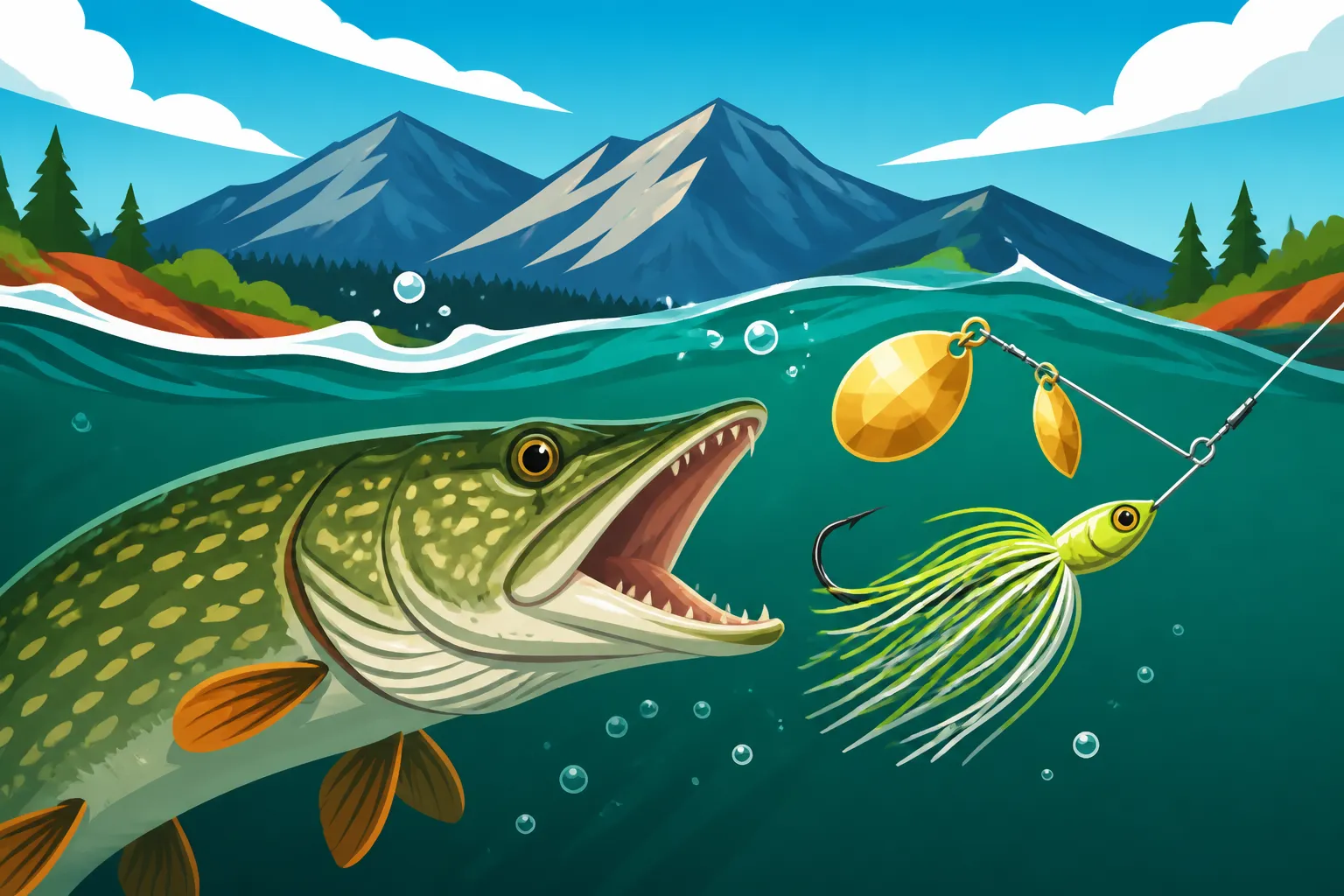
How to Fish a Spinnerbait for Colorado Pike
Trying to coax a powerful northern pike out of its ambush spot can feel like a game of hide-and-seek where the fish always has the advantage. These toothy predators are notoriously wary, but sometimes, you just need to put the right offering in front of them to trigger an aggressive strike. This comprehensive guide is dedicated to teaching you everything you need to know about effectively fishing a spinnerbait for Colorado pike, turning those elusive encounters into memorable catches.
Understanding Spinnerbaits and Why Pike Love Them
Before we dive into the "how-to," let's spend a moment understanding what a spinnerbait is and why it's such a potent weapon in a pike angler's arsenal. Many anglers might overlook this classic lure, thinking it's just for bass, but pike have an undeniable weakness for its unique action.
Anatomy of a Spinnerbait
A spinnerbait isn't your average lure; it's a unique construction designed to create maximum commotion and flash underwater. Imagine a metal arm with a wire frame. On one end, you have the jig head, often weighted, adorned with a skirt made of silicone or natural fibers, and typically a single, stout hook. On the other end of that wire arm, you'll find one or more blades – these are the "spinners" that give the lure its name.
The most common blade shapes are Colorado, Indiana, and Willowleaf. Colorado blades are round and wide, creating a lot of vibration and lift, making them great for slow retrieves or murky water. Indiana blades are a hybrid, offering a balance of flash and vibration. Willowleaf blades are long and slender, designed for fast retrieves and deep water, producing maximum flash with less resistance. Often, spinnerbaits will combine different blade types and sizes for a complex, enticing presentation that mimics baitfish fleeing or struggling. The skirt, whether it's silicone strands, bucktail, or marabou, adds bulk, pulsates in the water, and hides the hook, making it incredibly appealing to predatory fish like pike.
Why Pike Can't Resist a Spinnerbait
Northern pike are ambush predators, meaning they often lie in wait in cover, ready to dart out and strike unsuspecting prey. Spinnerbaits tap into several of a pike's key predatory instincts. First, the flash from the spinning blades mimics the glint of scales on a fleeing baitfish. This visual cue is a massive attractant, especially in water with decent visibility. Second, the vibration generated by those blades travels through the water, allowing pike to detect the lure with their lateral line system, even if visibility is poor or they're in dense cover. It creates a "thump" that says "food" to a pike.
Beyond the sensory appeal, the spinnerbait's single, upward-pointing hook makes it remarkably weedless. This is crucial for pike fishing, as these fish often lurk in dense vegetation, submerged timber, or rocky areas where other lures would quickly snag. You can burn a spinnerbait through reeds, over weed beds, and along fallen logs, putting it directly into the pike's living room without getting hung up constantly. This ability to penetrate heavy cover means you're presenting a tempting meal right in their strike zone, something other lures often can't achieve. The combination of flash, vibration, and weedlessness makes the spinnerbait an almost irresistible offering for an aggressive pike.
Essential Gear for Spinnerbait Pike Fishing
Just like with any specialized fishing technique, having the right tools for the job can make all the difference. While pike aren't always the pickiest eaters, presenting your spinnerbait effectively and having the power to land these often-feisty fish requires a thoughtful approach to your tackle.
Rod and Reel Selection
When you're chasing northern pike with spinnerbaits, you'll want a setup that offers both power and sensitivity. For a rod, a medium-heavy to heavy power rod, typically 6'6" to 7'6" in length, is ideal. This length provides good casting distance for covering water and sufficient leverage for steering a big pike out of heavy cover. A fast action tip is beneficial, as it allows for precise casting and provides the sensitivity needed to feel subtle bites, while the robust backbone handles the raw power of a surging pike. You can find excellent options on Amazon from brands like Ugly Stik or St. Croix that fit this description perfectly.
Pairing your rod with the right reel is equally important. A baitcasting reel is often preferred for spinnerbait fishing for pike. Its design offers better control over casting accuracy, especially when targeting specific pockets in cover, and superior winching power to muscle a fish in. Look for a reel with a gear ratio in the 6.1:1 to 7.1:1 range. This medium-to-high speed retrieve allows you to work the spinnerbait quickly when needed, but also provides enough torque for slower presentations and fighting a strong fish. A smooth drag system is non-negotiable; you need to be able to tire out a powerful pike without fear of snapping your line.
Line Choices and Leader Considerations
The line you choose is your direct connection to the fish, and for pike, durability is key. Many anglers opt for braided line when throwing spinnerbaits for pike. Braided line, in the 30-50 pound test range, offers incredible strength for its diameter, zero stretch for excellent sensitivity and hook sets, and superior abrasion resistance against sharp pike teeth and abrasive cover. Plus, it casts like a dream, helping you reach those distant weed lines.
However, braided line alone isn't enough. Pike are famous for their razor-sharp teeth, which can easily sever even heavy monofilament or fluorocarbon. This is where a proper leader comes into play. You absolutely must use a bite-resistant leader. Options include:
- Fluorocarbon Leaders: While still susceptible to severe abrasion, heavy fluorocarbon (40-80 lb test) can provide some protection and is nearly invisible underwater.
- Steel or Titanium Leaders: These are the most common and reliable choices. Steel leaders, either single-strand or multi-strand, are highly bite-resistant. Titanium leaders are more flexible, lighter, and kink-resistant. Many come pre-tied with swivels and snaps, making lure changes easy. A leader length of 6-12 inches is usually sufficient to protect your main line.
Using a leader is non-negotiable. Without one, you're almost guaranteed to lose lures and, more importantly, lose fish. It’s better to be safe than sorry when those pike teeth get involved.
Mastering Spinnerbait Techniques for Colorado Pike
Fishing a spinnerbait isn't just about casting it out and reeling it in. There's an art to making this lure dance in a way that pike find irresistible. Understanding how to present it, control its depth, and use retrieve variations can dramatically increase your success rate.
Casting and Presentation
When it comes to casting a spinnerbait for pike, accuracy often trumps distance, especially when you're targeting specific structures or cover. Pike are ambush predators, so placing your lure precisely near a weed line, a submerged log, or a rock pile is far more effective than just blindly casting into open water. Use a controlled sidearm or overhead cast to land your spinnerbait softly near these potential holding spots. The goal is to imitate a baitfish that has just strayed too close to a predator's lair.
Once your spinnerbait hits the water, the presentation begins immediately. Allow it to sink for a moment, especially if you suspect pike are holding deeper or in vertical cover. This initial drop can often trigger a strike as the blades flutter, mimicking a dying or injured baitfish. Pay close attention during this "fall" because a pike might hit it before you even start your retrieve. If you're fishing shallow weed flats, you might want to start your retrieve as soon as it touches down to keep it above the vegetation.
The Retrieve: Speed, Pauses, and Twitches
The retrieve is where the magic happens with a spinnerbait. There isn't one "right" way to retrieve; instead, varying your speed, incorporating pauses, and adding twitches can make your lure more enticing.
- Steady Retrieve: This is your baseline. A moderate, steady retrieve keeps the blades spinning and the skirt pulsating, creating a consistent visual and vibrational signature. This works well for covering large areas and finding active fish. Think of it as a fleeing baitfish trying to get away.
- Slow Roll: In colder water, or when pike are less active, a slow roll can be incredibly effective. Cast your spinnerbait out, let it sink a bit, and then retrieve it just fast enough to keep the blades spinning slowly. This allows the lure to stay in the strike zone longer and presents an easy meal. This is often deadly in early spring or late fall in Colorado.
- Burn and Kill: This is an aggressive tactic for aggressive pike. Retrieve the spinnerbait at a high speed, causing the blades to blur and the lure to dart. Then, suddenly stop your retrieve, allowing the spinnerbait to flutter and fall. Many strikes happen on the "kill" or the subsequent restart. This mimics a frantic baitfish that's panicking.
- Stop-and-Go: Similar to the burn and kill, but less extreme. Retrieve steadily for a few cranks, pause for a second or two, then resume. This broken retrieve pattern can be highly effective at eliciting a reaction strike from curious pike.
- Rod Twitches and Sweeps: Don't be afraid to use your rod to impart extra action. Gentle twitches can make the spinnerbait jump or change direction, while longer sweeps can make it surge forward. Experiment to see what the pike in your chosen Colorado waters prefer on a given day. These subtle movements can imitate an injured baitfish struggling to swim, an easy meal for a hungry pike.
Remember that pike can be found in various environments across Colorado. You might be targeting them in large reservoirs like Chatfield Reservoir or Cherry Creek Reservoir, or perhaps smaller, more remote lakes. Each location might require a slightly different approach to your retrieve.
Targeting Specific Cover and Structure
Pike are creatures of habit and structure. They love to hide, waiting to ambush their prey. Your job is to present your spinnerbait right in their living room.
- Weed Lines: This is prime pike territory. Cast your spinnerbait parallel to the edge of weed beds, allowing it to just tick the tops of the vegetation. When you feel it snag lightly, give your rod a sharp snap to rip it free; this erratic action often triggers a strike.
- Submerged Timber and Rock Piles: These structures provide excellent ambush points. Cast your spinnerbait past the structure and retrieve it to brush against it. The spinnerbait's weedless design shines here, allowing you to work through cover where other lures would hang up. A slow roll right next to a sunken tree can be deadly.
- Drop-offs and Ledges: In deeper reservoirs, pike will often patrol drop-offs, waiting for baitfish to move between shallow and deep water. Cast your spinnerbait onto the shallow side of the drop-off and retrieve it down the slope. Let it sink, count it down, and then retrieve it back up the ledge, mimicking a baitfish moving between different depths.
- Points and Bays: Points extending into the water or quiet bays can be excellent spots, especially during different times of the year. Cast around these features, covering all angles, as pike might be staging in different areas depending on baitfish movement or water temperature.
Knowing Colorado's Northern Pike, Where They're Legal and which specific bodies of water hold a healthy population will help you identify these prime locations. Colorado Parks and Wildlife (CPW) often manages pike populations to balance the ecosystem, so knowing the regulations is key.
Where and When to Fish Spinnerbaits for Colorado Pike
Colorado offers some fantastic pike fishing opportunities, but success often hinges on knowing where these fish are likely to be and when they are most active. Spinnerbaits are versatile, but they shine brightest under certain conditions.
Prime Colorado Pike Waters
Colorado's diverse aquatic environments provide homes for northern pike across the state. While often viewed as an invasive species in some delicate trout habitats, pike are a thrilling sport fish in many larger reservoirs and lakes.
- Blue Mesa Reservoir: Perhaps the most famous pike fishery in Colorado, Blue Mesa holds trophy pike. The vast weed flats and numerous bays around this massive reservoir near Gunnison are ideal spinnerbait territory. Look for pike staging along the edges of submerged vegetation or cruising shallow bays.
- Eleven Mile Reservoir: Another excellent Front Range option, Eleven Mile, near Lake George, offers good pike fishing, particularly in its weedier coves and along its numerous points. Anglers here often find success with spinnerbaits early in the season or in the fall.
- Shadow Mountain Reservoir and Lake Granby: These connected reservoirs in Grand County also hold good numbers of pike. Targeting the weed beds and transition areas between shallow and deeper water with a spinnerbait can be very effective. The inlets and outlets during certain times of the year can also be productive.
- Chatfield Reservoir and Cherry Creek Reservoir: While primarily known for bass and walleye, these urban reservoirs near Denver also have a respectable pike population. Focus on the extensive weed beds, especially in the shallower arms of the reservoirs, or along rocky points. Don't forget to check Best Waters for Northern Pike in Colorado for more specific locations and details.
Always make sure you understand Colorado Fishing Regulations Every Angler Should Know before heading out, as specific rules for pike, including bag and possession limits, can vary by water body. CPW is very active in managing pike populations, sometimes implementing Why Colorado Culls Pike From Some Waters to protect native species.
Best Seasons and Times of Day
Spinnerbaits can be effective throughout the open water season, but certain times offer better odds for pike.
- Spring (Ice-Out to Runoff): This is arguably one of the best times for spinnerbaits. As the ice melts and water temperatures begin to rise (typically late March through May in many areas), pike become very active and move into shallower waters to spawn and feed aggressively. They are often concentrated in bays and along warming shorelines where baitfish congregate. A slow-rolled spinnerbait can be deadly during this period. Check Colorado Fishing Seasons Month by Month for more detailed insights into specific spring conditions.
- Summer: While pike can be caught on spinnerbaits all summer, they tend to retreat to deeper, cooler water or denser cover as surface temperatures soar. Early mornings and late evenings are the prime windows. During the day, focus on fishing spinnerbaits deeper along drop-offs, over submerged humps, or in the shade of very thick weed mats. In clearer water, consider using more natural colors.
- Fall: As water temperatures cool down in September and October, pike again become highly active, feeding heavily in preparation for winter. They will move back into shallower areas, weed lines, and rocky points. This is another fantastic time for spinnerbaits, as pike are often aggressive and willing to chase. Faster retrieves and larger spinnerbaits can be very effective as they bulk up for the colder months.
Generally, overcast days or periods of low light (dawn and dusk) tend to be more productive for pike, as they are less wary in dim conditions. However, spinnerbaits can also shine on bright, sunny days when the flash off the blades really grabs attention.
Advanced Tips and Common Mistakes to Avoid
While the basic principles of spinnerbait fishing for pike are straightforward, a few advanced tips can elevate your game, and knowing what pitfalls to avoid can save you a lot of frustration.
Spinnerbait Customization and Modifications
Don't be afraid to experiment with your spinnerbaits; customizing them can often be the key to unlocking more bites.
- Trailer Hooks: Northern pike often "short strike," meaning they might nip at the tail of your lure without fully committing to the main hook. Adding a trailer hook, usually a single or treble hook attached to the main hook with a short piece of monofilament or a split ring, can drastically increase your hook-up ratio. Just be mindful of snagging in heavy cover.
- Trailer Baits: Sometimes, adding a soft plastic trailer to your spinnerbait's main hook can enhance its appeal. Options include grub tails, paddle tails, or even simple plastic worms. These add bulk, action, and sometimes scent, making the spinnerbait appear larger and more enticing. For example, a white grub tail on a white spinnerbait can create a formidable baitfish imitation.
- Blade Swaps: Many spinnerbaits allow you to swap out the blades. Carrying an assortment of different blade shapes (Colorado, Indiana, Willowleaf) and colors (silver, gold, painted) allows you to adapt to changing conditions. For murky water, a large, thumping Colorado blade in gold might be perfect. In clear water, a flashy silver Willowleaf might be better. This flexibility means one spinnerbait can serve multiple purposes.
- Skirt Colors: Stock a variety of skirt colors. White, chartreuse, black, and natural baitfish patterns are good starting points. Match the hatch if you know what baitfish are prevalent, or experiment with bright, contrasting colors to trigger reaction strikes. On Amazon, you can find a wide array of replacement skirts and trailer plastics to customize your lures.
Avoiding Fouled Lures and Snags
One of the biggest frustrations when fishing any lure, especially spinnerbaits, is a fouled lure or a snag. A spinnerbait that isn't running true because of a twisted skirt or a blade that's not spinning properly is practically useless.
- Check Your Lure After Every Cast: Before you even begin your retrieve, give your spinnerbait a quick visual check. Make sure the blades are free and spinning, the skirt is hanging correctly, and your leader isn't wrapped around the wire arm. A quick inspection saves you a lot of wasted casts.
- Maintain Your Line and Knots: Frayed line or weak knots are an open invitation for disaster. Regularly inspect your leader and main line for nicks or abrasions, especially after fighting a fish or getting hung up. Re-tie if there's any doubt. Remember to keep your Colorado Fishing License Guide for Residents and Nonresidents handy, as proper gear maintenance is part of responsible angling.
- Know Your Cover: While spinnerbaits are generally weedless, they aren't snag-proof. Learn to "read" the water and anticipate potential snags. If you're approaching dense timber, slow your retrieve and be ready to lift your rod tip to guide the lure over obstructions. If you feel resistance, try to free the lure with a steady pull rather than a hard jerk, which often embeds the hook deeper. For more on navigating difficult terrain, consider tips on How to Stay Safe Wading Fast Colorado Currents – while not directly about snags, it emphasizes situational awareness.
Safe Handling of Pike
Northern pike are incredible fish, but their powerful jaws and needle-sharp teeth demand respect and careful handling. Responsible angling includes ensuring the fish's well-being.
- Use Proper Tools: A long-nosed pair of pliers or a dedicated fish gripper is absolutely essential for safely removing hooks from a pike's mouth. Never, ever stick your hand in a pike's mouth. Their teeth are designed to hold onto struggling prey, and they can inflict serious injury.
- Minimize Air Exposure: If you plan to release the fish, keep its time out of water to an absolute minimum. Hold it horizontally, supporting its belly, to avoid damaging internal organs. If you want a photo, get it quickly and gently.
- Control the Fish: Pike can thrash violently. Control its head, either with a gripper or by holding it firmly behind the gill plates (but not in the gills). This protects both you and the fish.
- Understand Regulations: Be aware of Colorado Bag and Possession Limits by Species for pike on the water you're fishing. If you're keeping fish, dispatch them quickly and humanely. If you're releasing, do so gently, allowing the fish time to recover before swimming off. CPW regulations on pike are important, especially in waters where How Colorado Manages Pike to Protect Trout or other native species.
Fishing spinnerbaits for northern pike in Colorado is an incredibly rewarding experience. By understanding the lure, mastering your techniques, and applying these advanced tips, you'll be well on your way to consistent success. Remember, persistence and adaptation are your greatest assets when chasing these magnificent freshwater predators.
Disclaimer
The information provided in this guide is for general informational purposes only and does not constitute professional advice. Fishing regulations, conditions, and best practices can change. Always consult the most current Colorado Parks and Wildlife regulations and local authorities before fishing. Engage in fishing activities responsibly and prioritize safety.