What to Do If You Fall In While Wading
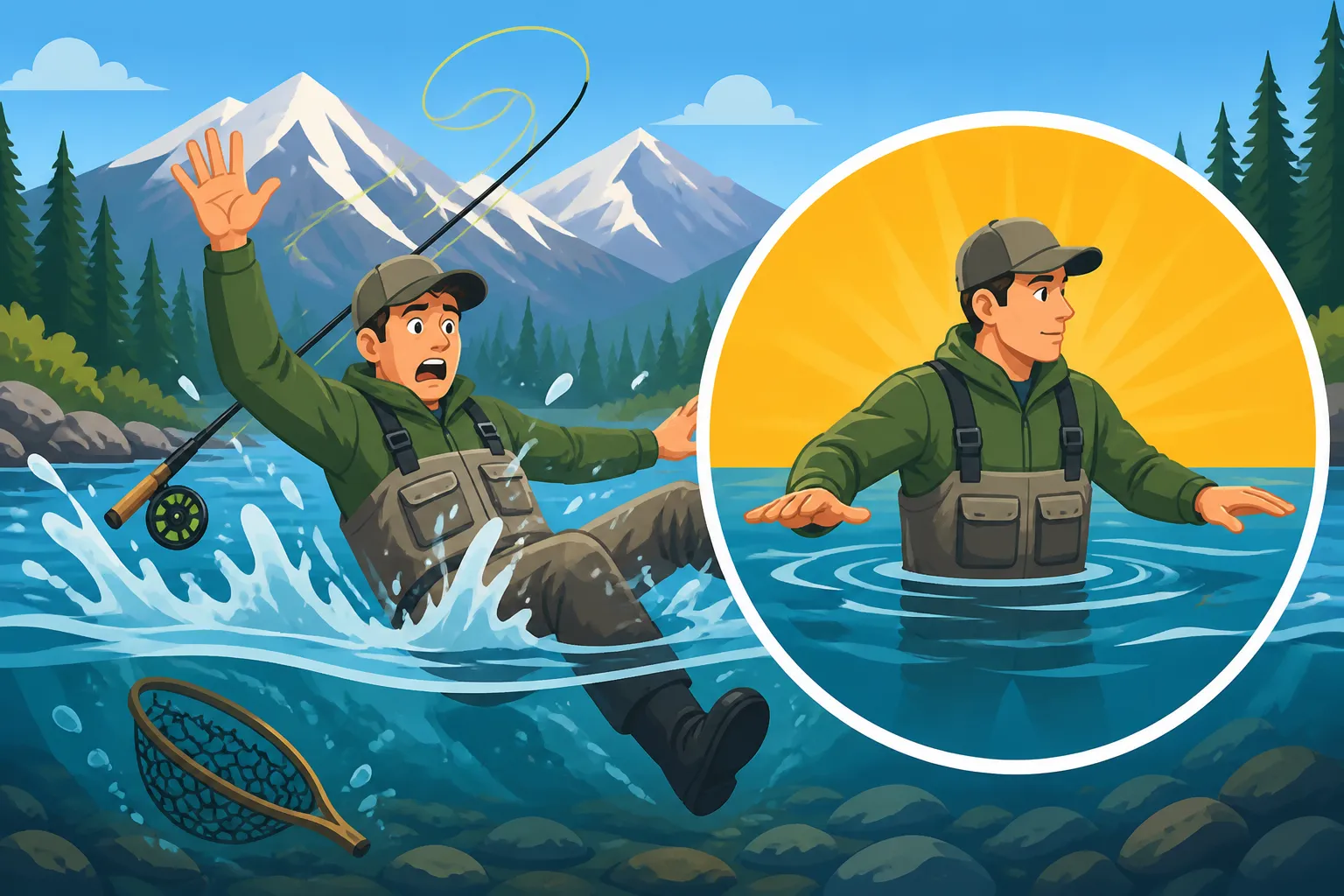
There’s a moment of pure, unadulterated panic that washes over you the instant your foot slips on a mossy rock or you misjudge the depth of a Colorado river. One minute you’re gracefully casting a fly, the next you’re flailing, fully submerged in icy water. It’s a fear every angler who wades has experienced or at least considered. This guide isn't about scaring you, but rather empowering you with the knowledge and steps to take if—or more realistically, when—you take an unplanned dip while fishing in Colorado’s beautiful, sometimes treacherous, waters.
The Immediate Aftermath: Prioritizing Safety and Assessment
That first jolt of cold water can steal your breath and send your heart racing. The instinct might be to thrash, but taking a moment to regain composure is crucial. Your immediate actions can make all the difference in turning a scary moment into a manageable mishap.
Getting Your Bearings and Stabilizing Yourself
The very first thing you need to do when you fall into a river, especially one with a noticeable current, is to resist the urge to immediately stand up. If the current is strong, it can actually pin you against rocks or sweep your feet out from under you again. Instead, try to orient yourself downstream, on your back, with your feet pointing downstream. This position allows you to use your feet as bumpers, protecting your head and body from hitting submerged rocks or logs. Think of it like a river guide navigating rapids – feet up, facing downstream. You want to make contact with obstacles with your sturdy wading boots, not your head or softer body parts.
As you float, actively look for slower water or eddies along the bank. These are spots where you can more easily regain control and work your way back to solid ground. Keep a firm grip on your fishing rod if you can, but don't risk injury trying to save it if it means putting yourself in more danger. Sometimes, letting go of gear is the safest option. For instance, if you're swept into a tangle of submerged branches, a loose rod can be replaced, but a serious injury is a far greater cost. Try to use your arms to paddle gently towards the bank, aiming for calmer water where you can get your footing.
Assessing Yourself and Your Gear
Once you've made it back to the bank and are safely out of the immediate danger of the current, take a deep breath. Now it's time for a quick, thorough self-assessment. Are you injured? Check for any cuts, scrapes, or twisted ankles. Even a minor fall can result in a sprain if your foot caught awkwardly. Pay attention to how you feel: any dizziness, headache, or extreme shivering could indicate a more serious issue. If you feel any significant pain, especially in your head or neck, do not move unnecessarily. Call for help if you have a way to do so, or signal to any companions.
Next, turn your attention to your gear. The first priority is anything electronic that might have gotten wet. Is your phone in a waterproof case? If not, get it out immediately, remove the battery if possible, and start the drying process. The same goes for car keys with electronic fobs – these are notorious for failing after a dunking. Check your wallet and any important documents. Your fishing rod and reel should be inspected for any obvious damage. A bent guide, a cracked reel foot, or a reel filled with grit are all potential issues that need attention. It's truly amazing what a sudden impact can do to sensitive equipment.
The Cold Reality: Dealing with Hypothermia and Wet Gear
Even on a warm summer day, Colorado's rivers are fed by snowmelt and can be surprisingly cold. A sudden immersion, especially if you’re wet for an extended period, can quickly lead to hypothermia, which is a serious medical emergency.
Steps to Mitigate Hypothermia
Your first and most critical step after falling into cold water is to get out of your wet clothes, particularly your waders. Waders, while excellent at keeping water out, will hold cold water against your body if they flood. This is why having a wading belt is so important; it can help prevent your waders from filling completely, giving you a better chance to stay somewhat dry or at least limit the amount of water ingress. Once you’re out of the water, strip down to whatever dry layers you might have. Many experienced Colorado anglers carry a dry bag with a full change of clothes, including warm socks, a hat, and gloves, even in summer. You can find excellent, inexpensive dry bags on Amazon.
Once you’re out of the wet gear and into dry clothes, the goal is to generate and conserve body heat. If you're able, move around – do some jumping jacks, walk briskly, or swing your arms. If you have access to a warm beverage like tea or coffee in a thermos, sip it slowly. Avoid alcohol, which can actually increase heat loss. If you’re with a companion, huddle together for shared body warmth. If symptoms of hypothermia (uncontrollable shivering, confusion, slurred speech, clumsy movements) become severe, it’s crucial to seek immediate medical attention. Remember, your day of fishing is over; your safety is paramount.
Protecting and Drying Your Equipment
After ensuring your personal safety, it's time to deal with your gear. For electronics like phones and car fobs, if they weren’t in a waterproof case, immediate action is key. If your phone took a dive, turn it off immediately. Don't try to charge it. If possible, remove the battery. You can try submerging it in a bag of uncooked rice or desiccant packets for 48-72 hours. This isn't a guaranteed fix, but it's your best shot. Consider investing in a truly waterproof case or a small, hard-shell waterproof container for vital items like your phone and car keys, easily found on platforms like Amazon.
Your fishing rod and reel need some love too. If your reel took a dunking, especially in silty water, it needs to be cleaned. Even if it feels fine initially, tiny particles can get into the gears and bearings, causing corrosion and eventually seizing up. A good practice is to thoroughly rinse your reel with clean, fresh water as soon as possible, let it air dry completely, and then re-lubricate it. If you're not comfortable doing this yourself, take it to a reputable fly shop for a professional cleaning. Waders and wading boots need to be dried completely, inside and out, to prevent mildew and odor. Hang your waders upside down in a well-ventilated area. For boots, remove the insoles and let them air dry thoroughly. Stuffing them with newspaper can help absorb moisture.
Learning from the Spill: Preventing Future Incidents
While an accidental swim can be unsettling, it's also a valuable learning experience. Taking the time to understand why it happened and what you can do to prevent it can make you a much safer and more confident wader.
Pre-Trip Planning and Gear Considerations
Preparation begins long before you even step into the water. First, always check current river conditions. High water flows, common during Colorado's spring runoff, can significantly increase currents and make wading extremely dangerous. Online resources from Colorado Parks and Wildlife (CPW) and local fly shops often provide real-time streamflow data. Knowing how to read water on a Colorado freestone river can also help you identify safer wading paths and avoid treacherous sections.
Your footwear is paramount. Deciding between felt soles and rubber soles often comes down to personal preference and the type of riverbed you'll encounter. However, adding studded boots for icy river banks or slippery, mossy rocks can provide a dramatic increase in traction. A wading staff is another indispensable tool. It provides a crucial third point of contact, acting like a cane for stability and allowing you to probe depths and test footing before committing. Many collapsible wading staffs are lightweight and can be clipped to your pack or belt for easy access. Even if you don't typically use one, bringing one along on a trip to unfamiliar water is a smart move. And again, always wear a wading belt with your waders; it keeps water out if you take a tumble and also provides lumbar support.
On-Water Techniques for Safer Wading
Once you're in the water, a cautious and deliberate approach is key. Avoid rushing. Take slow, shuffling steps, never lifting both feet off the riverbed at once. Always face upstream, or at least upstream-ish, allowing you to see obstacles approaching and to brace against the current. Using a wading staff to probe the depth and feel for slippery rocks or drop-offs ahead of you is a habit that will save you many a fall. Never wade into water that is above your knees in strong current, or above your waist in any current. The deeper the water, the more force the current exerts on your body, making you unstable.
Be especially wary of fast currents, deep holes that appear unexpectedly, and smooth, algae-covered rocks. These are common culprits for falls. If you encounter a section that looks too risky, turn around. It's always better to walk a little further to find a safer crossing or to fish from the bank than to risk an unwanted swim. Remember, conditions can change rapidly. A clear morning can turn into an afternoon thunderstorm, raising water levels and increasing currents dramatically, making already tricky spots downright dangerous. Learning how to stay safe wading fast Colorado currents is an ongoing process of observation and caution.
| Wading Hazard | Description | Prevention/Mitigation | Essential Gear |
|---|---|---|---|
| Slippery Rocks | Algae-covered, smooth, or round rocks in the riverbed. | Use studded boots or felt soles, take slow, shuffling steps, use a wading staff to test footing. | Wading boots with good traction (felt/studded rubber), wading staff. |
| Strong Currents | Fast-moving water, especially during high flows or runoff. | Avoid areas with strong currents; wade slowly and deliberately; face upstream. Check river flows pre-trip. | Wading belt, wading staff, PFD (in extreme cases). |
| Deep Holes/Drop-offs | Sudden, unexpected changes in riverbed depth. | Probe ahead with a wading staff; observe water changes for signs of depth. | Wading staff. |
| Uneven Riverbed | Cobbles, boulders, submerged logs, and debris. | Shuffle feet, keep knees bent, use a wading staff to feel for obstacles. | Wading boots, wading staff. |
| Cold Water | Low water temperatures, even on warm days. | Wear appropriate layers, carry a dry bag with spare clothes, use a wading belt. | Layered clothing, dry bag with spare dry clothes, thermos with warm drink. |
| Poor Visibility | Murky water from rain or runoff, or low light conditions. | Avoid wading in murky water; use headlamp in low light; probe more frequently with staff. | Headlamp, wading staff. |
After the Adventure: Post-Fall Checklist
The immediate danger has passed, your gear is (hopefully) drying, and you're back on solid ground. But the journey isn't quite over. There are still a few important steps to take to fully recover and prepare for your next outing.
Reporting and Reflection
Taking a moment to reflect on your fall, even if it was minor, is crucial for future safety. What happened? Where did you slip? Was it a particular type of rock, a misjudgment of depth, or did you simply lose your balance? Understanding the "why" allows you to adjust your technique or gear for next time. Perhaps you realize you should have packed a wading staff, or that your current wading boots are no longer providing adequate traction.
If your fall resulted in an injury, even a minor one, or significant damage to property (like a lost phone or valuable camera), consider documenting it. This isn't just for insurance purposes; it also serves as a stark reminder of the risks involved and reinforces the importance of safety precautions. Sharing your experience with fellow anglers can also be beneficial, as others can learn from your mishap, and you might get valuable advice in return. After all, we're all part of the same community, trying to enjoy Colorado's incredible fishing opportunities safely.
Replacing or Repairing Damaged Items
Dealing with a truly soaked phone or set of car keys can be a nightmare. If your phone is beyond repair after its swim, you'll need to consider replacement. For electronic car keys, check with your dealership or a locksmith about replacement options; sometimes just the fob needs to be replaced and reprogrammed. This is often the most frustrating and costly part of an unexpected dunking, underscoring the value of keeping these items in truly waterproof protection while on the water.
For your fishing gear, assess the damage carefully. Is your rod tip broken? Is your reel gritty or making strange noises even after cleaning and oiling? Many fly shops offer repair services for rods and reels. Sometimes, though, replacement is the only option. Take this opportunity to upgrade to more durable or feature-rich gear, or simply replace what you lost. Maybe this is the push you needed to invest in a better quality wading staff or those studded boots you've been eyeing on Amazon. Think about what backups you might carry in the future—perhaps a basic, inexpensive pair of car keys that doesn't rely on electronics, or a small emergency phone in a sealed bag for critical calls. After all, the ultimate goal is to get back out there, enjoying the peace and thrill of Colorado fishing season dates and bag limits without fear.
Disclaimer
This article is for general informational purposes only and does not constitute professional advice. Laws, prices and regulations vary by location and change over time. Consult a qualified professional for guidance on your specific situation.