How Water Temperature Affects Trout Feeding
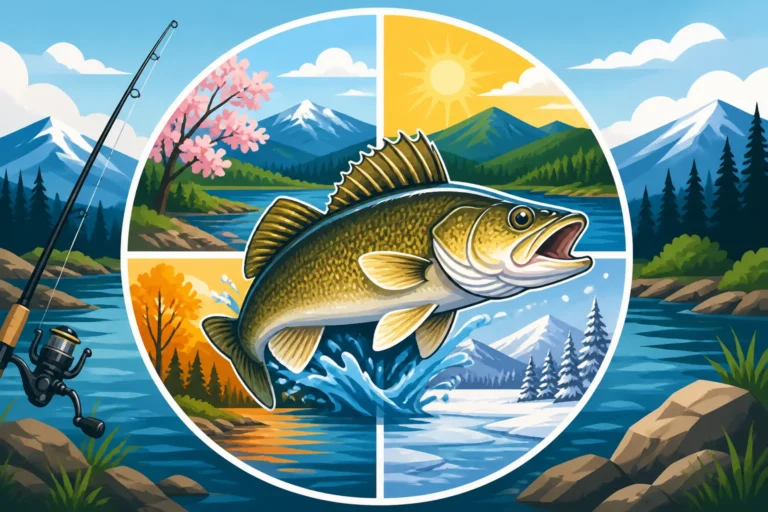
There's nothing quite as frustrating as showing up at your favorite Colorado river or lake, conditions looking perfect on the surface, only for the trout to be completely uninterested in anything you throw at them. You tie on your go-to fly or lure, drift it through prime-looking runs, and… nothing. Often, the unseen culprit is the water temperature. This guide will dive deep into how water temperature profoundly affects trout feeding behavior, giving you the knowledge to crack the code and increase your chances of success on the water, no matter the season.
The Crucial Connection Between Water Temperature and Trout Metabolism
Trout, like all fish, are cold-blooded creatures. This isn't just a quirky biological fact; it's the fundamental truth that dictates almost every aspect of their lives, especially their metabolism and, by extension, their feeding habits. Their internal body temperature is directly tied to the water temperature around them. Unlike warm-blooded mammals that can generate their own heat to maintain a steady internal environment, trout are at the mercy of their aquatic surroundings.
Understanding Trout as Cold-Blooded Creatures
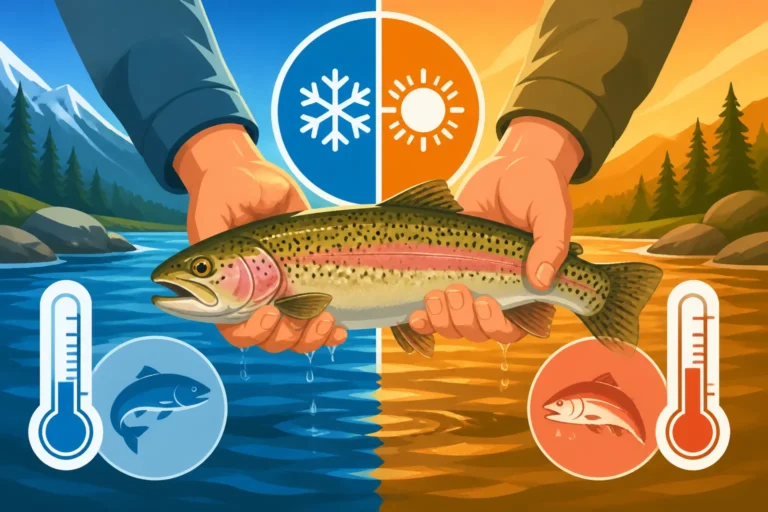
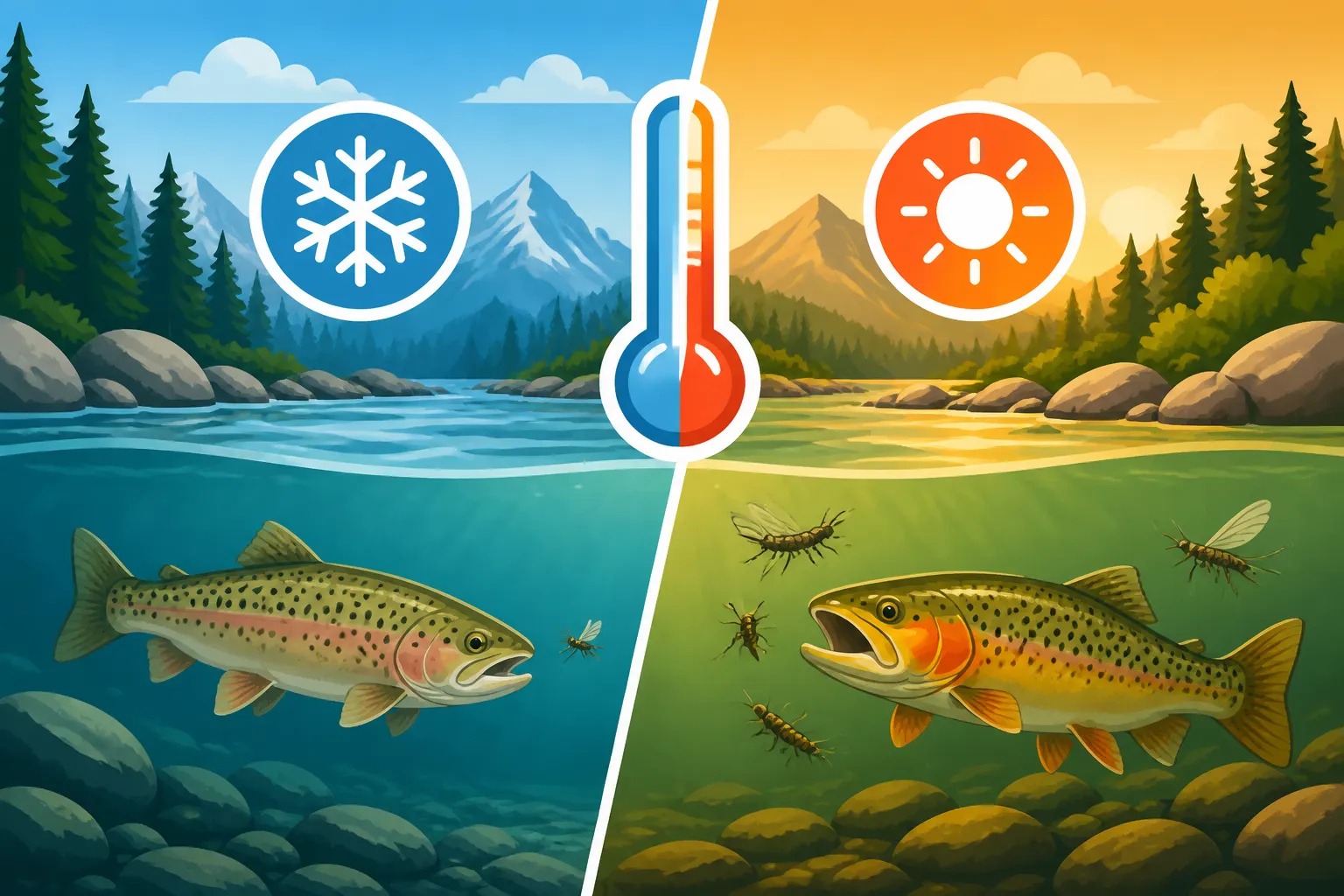
Think of a trout's body as being on a sliding scale of activity directly governed by the temperature of the water it inhabits. When the water is warm, their metabolic rate speeds up. This means they digest food faster, their hearts beat more quickly, and they require more oxygen. Conversely, when the water is cold, their metabolism slows down significantly. Their bodies operate at a much lower intensity, requiring less energy and digesting food at a snail's pace. This direct relationship between water temperature and physiological activity is what makes understanding temperature so critical for any angler hoping to catch trout. It’s not just a preference; it’s a biological imperative.
How Temperature Impacts Digestion and Energy
Imagine trying to run a marathon right after a huge meal. Your body would struggle, right? Trout experience a similar physiological challenge, but it's driven by water temperature. In optimal temperature ranges, trout digest their food efficiently, converting it into energy for growth, spawning, and daily activities like hunting. They feel good, they're active, and they need to replenish that energy often, which means they're looking for food.
However, outside of these optimal zones, things change dramatically. In very cold water, their digestive enzymes work slowly. A meal that might take a few hours to process in ideal temperatures could take a full day or more in frigid conditions. They simply don't need to eat as often, nor do they have the energy to chase down prey. In overly warm water, while their metabolism is high, the stress on their system is immense. They're trying to process food quickly in an environment that often has lower dissolved oxygen, leading to physiological distress rather than efficient energy conversion. This is why you'll find very active, hungry trout in comfortable temperatures, but sluggish or stressed fish when temperatures are at either extreme.
Optimal Temperature Zones for Colorado's Beloved Trout Species
Colorado is home to a fantastic variety of trout, each with its own preferred temperature comfort zone. While there's some overlap, knowing these ranges can help you target specific species and understand why certain waters fish better at different times of the year. For a broader overview, check out our guide on Colorado's Trout Species, A Field Guide.
Rainbow and Brown Trout: Their Sweet Spot
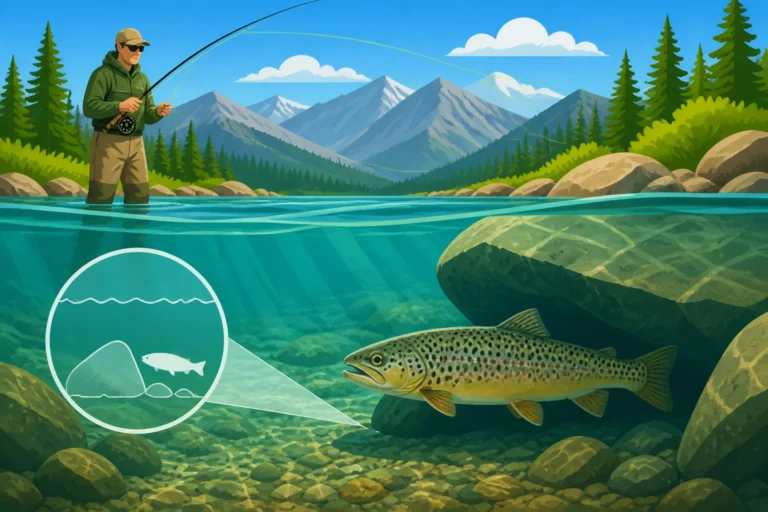
Rainbow trout and brown trout, two of Colorado's most popular and widely distributed species, generally thrive and feed most actively in what we call the "sweet spot" – typically water temperatures ranging from about 45°F to 65°F (7°C to 18°C). Within this range, their metabolism is humming along nicely. They're active, opportunistic feeders, and their digestive systems are working efficiently, prompting them to seek out food regularly.
You'll notice these species are often stocked in rivers and lakes that tend to stay within this range for much of the spring, summer, and fall. In places like the Arkansas River Near Salida or many of the Front Range reservoirs, these are the conditions that lead to explosive hatches and aggressive bites. When temperatures are in this zone, trout are comfortable, energetic, and most likely to chase after a well-presented fly or lure. They're in their prime, ready to convert available prey into energy and growth.
Native Cutthroat and Brook Trout: Cooler Preferences
Colorado's native cutthroat trout subspecies, like the Colorado River Cutthroat Trout, Where to Find Them, and the popular brook trout, tend to prefer slightly cooler water temperatures than their rainbow and brown trout cousins. Their ideal feeding zone is often closer to the 40°F to 60°F (4°C to 15°C) range, though they can tolerate slightly warmer or colder water for periods. You'll often find brook trout, in particular, thriving in the colder, oxygen-rich waters of high-country streams and lakes, where other trout species might struggle.
These fish are perfectly adapted to the chillier environments found at higher elevations or in spring-fed creeks. While they will still feed actively in their preferred cooler temperatures, their metabolism naturally runs a bit slower than a rainbow trout in 60°F water. This means they might not need to eat quite as frequently, but when they do, they can still be very aggressive. When you're chasing native cutthroats in pristine alpine lakes, understanding their cooler preference can guide your timing and approach.
Temperature Swings and Their Immediate Effects
It's not just the absolute temperature that matters; sudden changes can throw trout off their game just as much. A rapid drop in temperature, perhaps from a cold front or a sudden rainstorm bringing in cold runoff, can put trout in a funk, making them less willing to feed. Similarly, a quick spike in temperature can also stress them out, especially if it pushes the water above their comfortable range.
For instance, a warm, sunny spring day might bring water temperatures up to that ideal 50-degree mark, triggering a strong hatch. But if a cloud cover rolls in quickly and drops the temperature by five degrees in an hour, that strong bite might shut off just as fast. Trout are creatures of habit and stability, and abrupt environmental shifts often lead to a temporary pause in feeding while they adjust their metabolism. This is why early morning and late evening often provide the most consistent bites in summer, as temperatures are usually more stable and closer to the optimal range.
When the Water Gets Too Hot: Summer Woes and Stress
Summer in Colorado can be absolutely beautiful, but as the sun beats down and water levels drop, river and lake temperatures can climb into dangerous territory for trout. This isn't just about sluggish feeding; it can be a matter of survival. Understanding these challenges is key to being a responsible angler. Our guide on Why Colorado Closes Rivers Early During Drought Years offers more insight into these critical situations.
Oxygen Depletion and Physiological Stress
When water temperatures rise above 65°F (18°C) and especially over 70°F (21°C) for extended periods, trout face severe physiological stress. Warmer water holds less dissolved oxygen, and paradoxically, the trout's metabolic needs increase in higher temperatures, requiring more oxygen. It's a double whammy: less oxygen available when they need it most. This is akin to us trying to run a sprint at high altitude with a limited air supply.
Trout in warm water become lethargic and easily exhausted. Their immune systems weaken, making them more susceptible to disease. Catching and fighting a fish in these conditions can be a death sentence, even if you release it quickly. The lactic acid buildup from the fight, combined with low oxygen and high stress, often proves fatal. Responsible anglers understand that in these situations, it's often best to simply stay off the water or focus on waters known to remain cool.
Hoot Owl Restrictions and Conservation
Colorado Parks and Wildlife (CPW) often implements "hoot owl" restrictions on certain waters during periods of high water temperature and low flows. These restrictions typically mean fishing is prohibited after a certain time in the day, often 12 PM or 2 PM, to protect trout during the warmest parts of the day. This isn't meant to spoil your fun; it's a vital conservation measure to ensure the long-term health of our fisheries.
Respecting these restrictions, and even self-imposing them when temperatures hit critical levels (generally when water temperatures approach 68-70°F), is crucial. A simple water thermometer, easily found on Amazon or at your local fly shop, can be your best friend in making these responsible decisions. If the water is too warm, consider fishing at higher elevations where temperatures typically stay cooler, or switch to targeting species that tolerate warmer water, like smallmouth bass or catfish, which thrive in waters exceeding 70°F.
Strategies for Fishing During Warm Periods
If you absolutely must fish during warmer spells, here are a few considerations, always keeping the trout's well-being paramount:
- Go Early or Late: The coolest water temperatures occur at dawn and dusk. This is your best window. Our article on Best Time of Day to Fish a Colorado Tailwater in Summer has more details on this.
- Seek Out Cold Water Refuges: Look for areas with cold spring inflows, deep pools, or the tailwaters below large dams. These areas tend to hold cooler, more oxygenated water.
- Fish Fast and Handle Gently: If you do hook a fish, bring it in as quickly as possible to minimize the fight time and lactic acid buildup. Keep the fish in the water as much as possible, use wet hands, and avoid any unnecessary handling. Release it quickly.
- Heavier Tippet: Using slightly heavier tippet can help you land fish faster, reducing stress.
- Consider Other Species: As mentioned, warmwater species like bass and catfish are much more tolerant of high temperatures. Sometimes, switching gears for the day is the most responsible choice.
When the Water Gets Too Cold: Winter Sluggishness
Just as trout suffer in extreme heat, they also respond significantly to extreme cold. Colorado winters, while beautiful, can make for some truly frigid water temperatures. Understanding how trout behave in these conditions is essential for successful winter fishing.
Reduced Metabolism and Less Frequent Feeding
When water temperatures plummet into the 30s and low 40s Fahrenheit (below 5°C), trout's metabolism slows to a crawl. They still need to eat, but their energy requirements are vastly reduced, and their digestive processes are incredibly slow. This means they don't need to feed as often, and when they do, they're looking for an easy meal that requires minimal effort. They're conserving energy, moving less, and often holding in slower, deeper water. For insights into adapting your strategy, check out our guide on Winter Fishing on Colorado's Tailwaters.
You won't typically find trout chasing streamers or actively rising to tiny dries in these conditions. Instead, they become much more selective and lethargic. Their bites can be incredibly subtle, sometimes feeling like just a slight hesitation or spongey weight rather than a definitive tug. Patience becomes an even greater virtue in cold water.
Finding the Warmer Pockets
Even in winter, water temperatures aren't uniform across a river or lake. Savvy anglers look for subtle thermal advantages. Think about:
- Sun-Warmed Banks: On sunny winter days, shallow, dark-bottomed areas along the bank can warm up a few degrees, attracting insects and, in turn, hungry trout.
- Springs and Inflows: Any natural spring or warmer inflow from a tributary can create a thermal oasis, even if it's just a few degrees warmer than the surrounding water.
- Tailwaters: Rivers below large reservoirs (tailwaters) often have more stable, slightly warmer winter temperatures because the water released from the bottom of the dam is insulated by the mass of the reservoir above it. This is why many of Colorado's Gold Medal tailwaters remain productive through the coldest months.
- Deep Pools: While cold water is dense, deep pools offer thermal stability, protecting fish from rapid temperature fluctuations on the surface.
These small temperature variations can be enough to concentrate fish and make them more willing to feed. Searching for these subtle differences, perhaps with a thermometer from Amazon, can be the key to finding active fish when the mercury drops.
Tactics for Cold Water Success
Fishing in cold water requires a change in mindset and technique. Here's how to adapt:
- Slow Down Everything: Your retrieve speed, your drift, your presentation – everything needs to be slow. Trout aren't going to expend much energy chasing.
- Deep and Dead Drifts: Nymphing rigs with plenty of weight to get your flies down to the bottom, where trout are often holding, are paramount. Focus on achieving long, natural, drag-free drifts.
- Small Flies and Baits: Midges and small nymphs are often the primary food source in winter. When using bait, smaller, more natural offerings are usually more effective.
- Fish During the Warmest Part of the Day: The midday hours, typically from late morning to mid-afternoon, are when water temperatures will be at their highest and most stable. This is often the best time to find feeding fish.
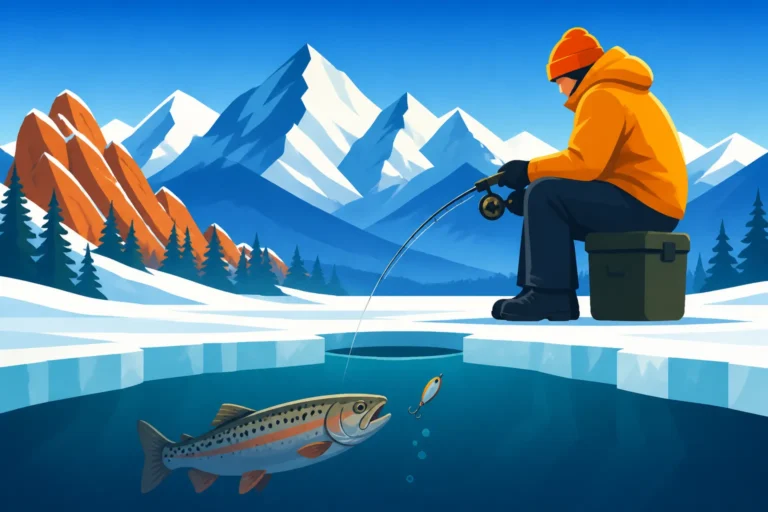
- Don't Overlook Stillwater: Lakes and reservoirs can offer excellent ice fishing opportunities in winter, where fish might be more active under the ice than in open rivers. Our guide on Ice Fishing in Colorado, Getting Started can help you prepare.
Practical Tools and Tips for Temperature-Aware Anglers
Being aware of water temperature isn't just about reading a report; it's about being prepared on the water and understanding the subtle cues the environment provides.
The Indispensable Water Thermometer
Honestly, if you're serious about Colorado fishing, a good water thermometer is as essential as your rod and reel. These simple devices, which you can easily find on Amazon or at any local fly shop, take the guesswork out of temperature readings. They allow you to:
- Confirm Conditions: Don't just guess; verify the actual temperature in the water you're fishing.
- Identify Thermal Seams: Use it to find those subtle warmer or cooler pockets where fish might be concentrating.
- Make Responsible Decisions: Crucially, it helps you know when to stop fishing to protect stressed trout in warm conditions, adhering to guidelines like those in Colorado Fishing Regulations Every Angler Should Know.
- Inform Fly/Lure Selection: Knowing the temperature helps you anticipate what insects might be active or what species of fish are most likely to be feeding.
Carry it on a lanyard or retractable zinger so it’s always accessible. Dip it into the current for a minute or two to get an accurate reading, ideally in the areas where fish are likely holding.
Reading the Conditions Beyond the Thermometer
While a thermometer gives you precise data, there are other environmental cues that can indicate water temperature trends:
- Air Temperature: A string of hot, sunny days will inevitably warm up the water, especially in smaller, shallower rivers. Conversely, cold nights and overcast days will cool it down.
- Snowpack and Runoff: A heavy snowpack means colder, higher water during spring runoff, impacting the start of prime fishing seasons. Light snowpack might lead to earlier warm-ups and potentially earlier low-flow, high-temp issues. Our article on When Colorado's Spring Runoff Hits and How to Fish Around It elaborates on this.
- Water Clarity: Often, colder water can be clearer, while warmer, lower water can sometimes be murkier due to algal blooms or stirred-up sediment.
- Insect Activity: Hatches of specific insects are often temperature-dependent. For example, blue-wing olives often hatch on cool, overcast days, while caddis flies prefer slightly warmer conditions. Observing what's hatching can tell you a lot about the water temp.
Adjusting Your Approach Based on the Readout
Once you have your temperature reading, it's time to make smart adjustments.
- Optimal Range (45-65°F): This is when trout are most active. Match the hatch if possible, but don't be afraid to experiment with streamers or larger attractor patterns. Fish will be willing to move for a meal.
- Warm Water (65-70°F): Focus on the coolest parts of the day, seek shade, deeper pools, or cold inflows. Use quick, efficient presentations, and prioritize fish welfare. Consider a change of venue to higher elevations or warmer-tolerant species.
- Too Hot (70°F+): This is generally a "stay home" or "switch species" situation. Do not fish for trout. Your patience is a virtue for conservation.
- Cold Water (Below 45°F): Slow down. Go deep. Use small nymphs and midges. Focus on slow runs and pools. Fish during the warmest part of the day. Be patient for subtle takes. You might also want to look into specific tips for How to Set the Hook on a Take in Fast Water if you are fishing in cold, slower currents.
Understanding water temperature transforms you from a casual angler hoping for luck to a strategic fisher making informed decisions. It’s about more than just catching fish; it’s about understanding the intricate ecosystem and becoming a better steward of Colorado's incredible aquatic resources.
| Colorado Trout Species | Optimal Feeding Temperature Range (Fahrenheit) | Feeding Behavior Outside Optimal Range (General) |
|---|---|---|
| Rainbow Trout | 45°F – 65°F | Sluggish in cold, stressed/lethargic in warm |
| Brown Trout | 45°F – 65°F | Sluggish in cold, stressed/lethargic in warm |
| Cutthroat Trout | 40°F – 60°F | Very sluggish in cold, highly stressed in warm |
| Brook Trout | 38°F – 60°F | Extremely slow metabolism in cold, stressed in warm |
| Lake Trout | 40°F – 55°F (prefer deeper, colder water) | Less active if surface water warms, seek deep refuge |
Disclaimer
This article is for general informational purposes only and does not constitute professional advice. Laws, prices and regulations vary by location and change over time. Consult a qualified professional for guidance on your specific situation.