How to Set the Hook on a Take in Fast Water
There’s nothing quite as frustrating as feeling that subtle (or sometimes not-so-subtle) tug, realizing a trout has just taken your fly or lure, and then… nothing. You lift your rod, hoping to feel the exhilarating weight of a fish, only to find slack line and an empty hook. It’s a common scenario, especially when fishing Colorado’s swift, churning rivers where the current plays tricks on your line and your senses. This guide is here to help you understand the nuances of detecting a take and, more importantly, how to set the hook effectively when battling the challenges of fast-moving water, so you convert more of those elusive bites into landed fish.
Understanding the Dynamics of Fast Water Takes
Fast water in Colorado's rivers presents a unique set of challenges and opportunities for anglers. Trout in these environments are often opportunistic and powerful, but the current itself can be your greatest foe in feeling the take and setting the hook properly.
The Illusion of Speed: Why Takes Feel Different
When you're fishing in a strong current, your line is constantly under tension, pulled by the moving water. This tension can mask the delicate sip of a trout or amplify a subtle nudge into what feels like a much larger, more definitive strike. It's an optical illusion for your senses, making it incredibly difficult to differentiate between the natural drag of the water and a fish mouthing your offering. Many anglers, myself included, have fallen victim to the "phantom take" – setting the hook on a gust of wind or a sudden eddy rather than an actual fish.
Conversely, a truly aggressive take can sometimes be softened by the current. A fish might grab your fly and turn quickly with the flow, momentarily reducing the direct tension you'd feel on a stillwater lake. The current then takes over, making it feel like a snag rather than a live fish. Learning to discern these nuances comes with experience, but knowing what you're up against is the first step. You need to train your eyes and hands to interpret these subtle cues, remembering that trout often take and reject a fly in a fraction of a second, especially when they're feeding aggressively in fast water.
Reading the River: Where Fish Hold and Strike
Trout in fast water are masters of energy conservation. They won't spend all day fighting the main current; instead, they'll find "lie" spots where they can rest, watch for food, and dart out to feed. Understanding these holding lies is paramount to anticipating where a take is likely to occur, which in turn helps you prepare for your hook set. Look for current seams where fast water meets slow water, the calm pockets behind large rocks, submerged logs, or ledges, and the soft water along undercut banks. These are prime ambush points.
The way a fish holds and feeds in these spots directly impacts how they take your fly or lure. In a pocket behind a rock, a trout might have more time to inspect your offering and take it gently. In a strong current seam, they're more likely to snatch it quickly and instinctively. For deeper insights, our guide on Reading Water on a Colorado Freestone River offers invaluable tips on deciphering these complex flows. Recognizing these patterns helps you not only present your offering effectively but also anticipate the kind of take you might get, allowing for a more timely and precise hook set. The quicker you can react, the better your chances of a solid connection.
Mastering the Hook Set: Techniques for Success
Setting the hook in fast water isn't a one-size-fits-all maneuver. Different fishing methods and the specific dynamics of the take itself require varied approaches. The goal is always the same: to drive the hook point firmly into the fish's mouth without breaking your line or pulling the fly away too soon.
The Upstream Mend and Strip-Set for Nymphing
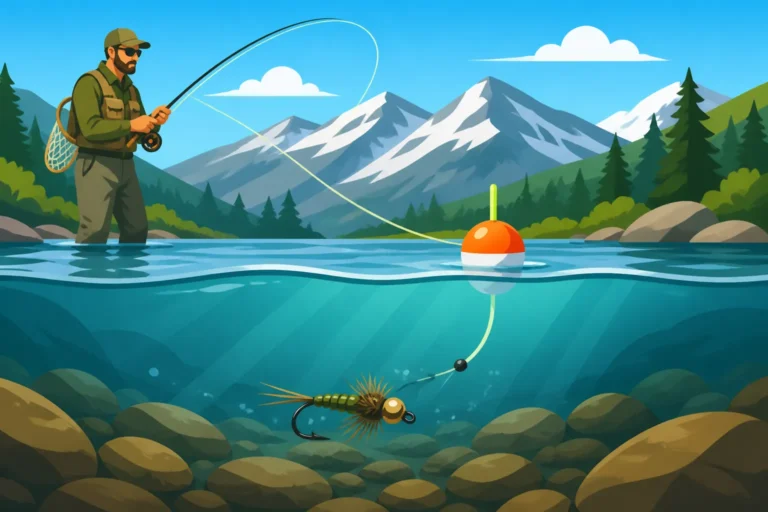
Nymphing in fast water is incredibly effective, but it demands constant attention and a precise hook set. Your indicator is your primary visual cue, but a true nymph take can often be felt as much as seen. The key to successful nymphing in fast water begins with proper line management, often involving an upstream mend to reduce drag and ensure a natural drift. This also helps you maintain a straighter line to your fly, making it easier to feel subtle takes. For more on this, check out our piece on Nymphing Techniques for Colorado Tailwaters.
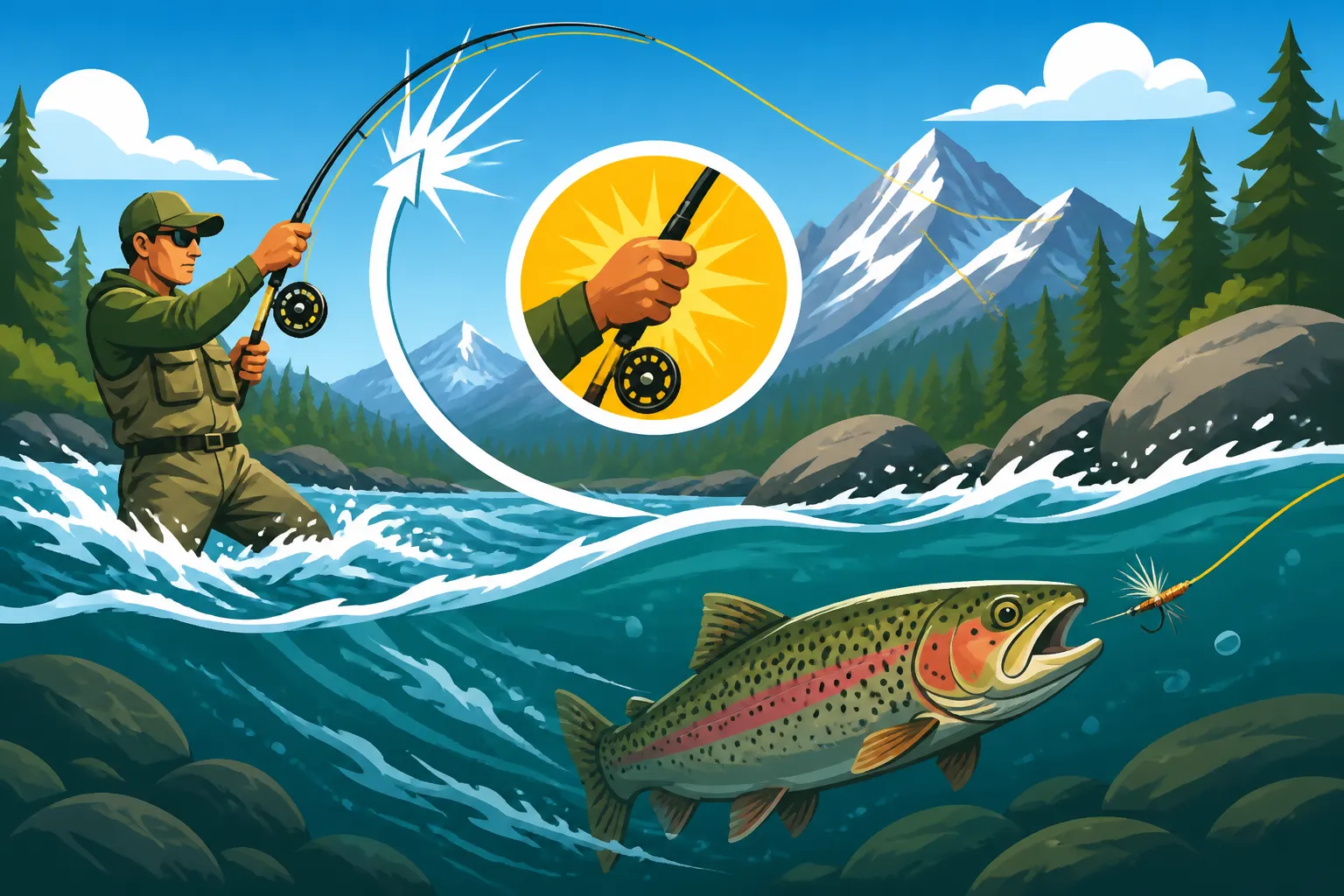
When an indicator pauses, twitches, or darts unnaturally, or if you feel a subtle tick or sudden pressure, that's your cue. Don't lift straight up with a violent jerk. Instead, execute a controlled "strip-set." This involves a quick, firm sweep of the rod tip to the side, parallel to the water, while simultaneously stripping in a foot or two of line with your free hand. This side-sweeping motion leverages the rod's power and helps drive the hook in sideways, rather than pulling it straight back out of the fish's mouth. It also minimizes splashing, which is crucial if you miss, as it’s less likely to spook other fish in the area. For those heavier currents, managing your split shot size, as discussed in What Split Shot Size Works Best in Fast Colorado Currents, is also vital for getting your nymphs into the strike zone effectively.
The Controlled Lift and Sweep for Dry Flies
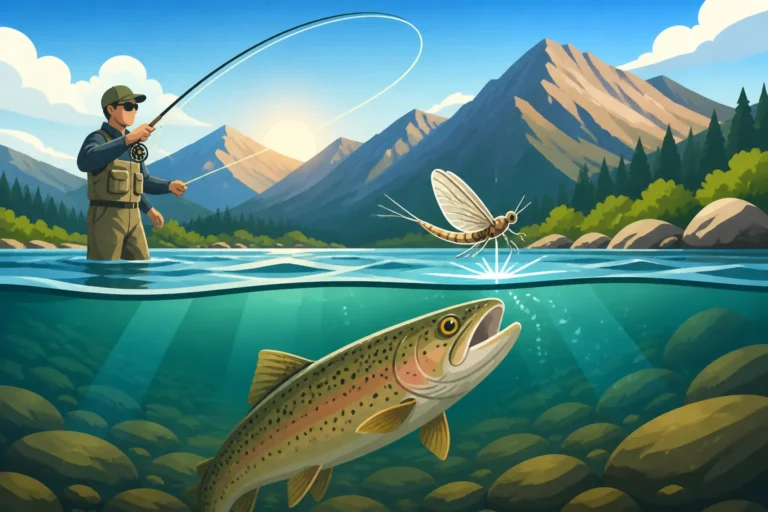
Dry fly fishing on Colorado's freestone rivers is an art form, and the hook set is perhaps the most delicate stroke. When a trout rises and takes your dry fly, it can be a heart-stopping moment. The biggest mistake is often setting too quickly or too hard, pulling the fly right out of the fish's mouth before it has a chance to fully take it. This is especially true with smaller, more delicate dry fly patterns. Our guide on Dry Fly Fishing Colorado's Freestone Rivers offers some great insights into this rewarding method.
The trick with dry flies is to adopt a slight delay – often called the "trout mouth" rule. Wait until you actually see the fish turn back down after taking the fly, or feel the undeniable weight of the fish, before setting the hook. When you do set, it's typically a gentle but firm upward lift of the rod tip, accompanied by a slight sweep to the side. Avoid a huge, overhead power set. The goal is to set the hook with just enough force to penetrate, but not so much that you rip the fly free or break fine tippet. This controlled lift, often just a few inches, is usually all that’s needed to secure the hook in the softer tissue of a trout's mouth. Remember, the fish is already swimming away with your fly, creating tension; you just need to apply enough force to make that hook stick.
The "Sweep" for Spin Fishing and Streamers
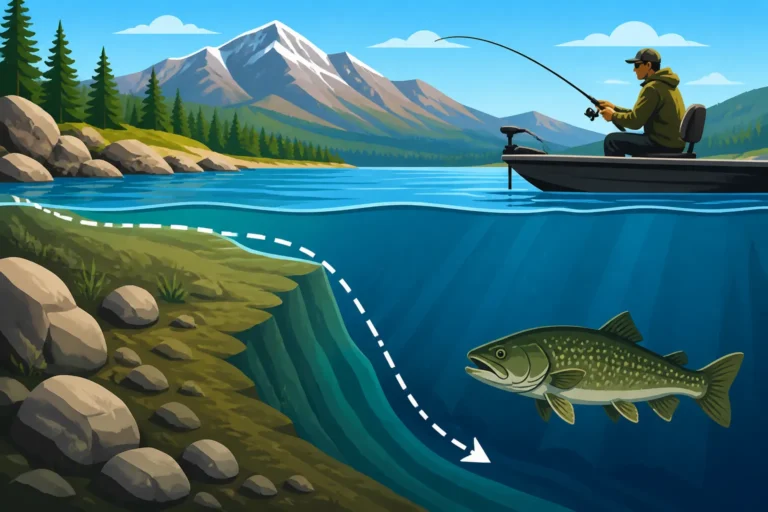
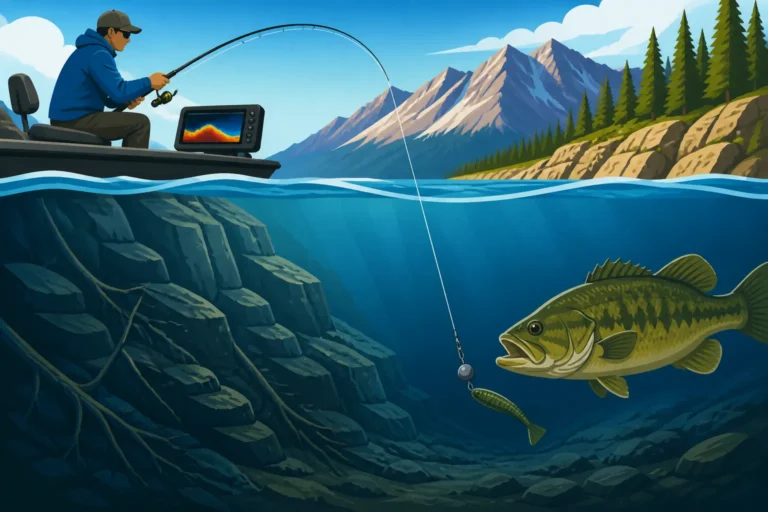
Spin fishing with lures or streamer fishing with a fly rod in fast water often calls for a more assertive, yet still controlled, hook set. When a fish hits a spinner, spoon, or streamer in a strong current, the strike can be jarring, or it can be a subtle change in the feel of your retrieve. Trout will often smash these presentations, but pike and bass can also give you a surprise strike in some Colorado waters. For those exploring Streamer Fishing for Colorado Brown Trout, this technique is essential.
For both spin and fly setups here, the "sweep" set is highly effective. Instead of a direct upward jerk, which can pull the lure straight out of the fish's mouth against the resistance of the current, sweep your rod to the side, maintaining a low angle. Imagine a wide, powerful arc, pulling the rod tip from one side of your body to the other. This parallel motion helps drive the hook horizontally into the fish's jaw, where it's more likely to find purchase. With spin gear, this is often a firm, quick wrist and forearm motion. With a fly rod, it’s a strong strip-set combined with that wide side sweep. Always maintain good contact with your lure; feeling the strike is crucial here, as visual cues are less common. This technique helps ensure a solid connection even against the force of the current.
Gear and Practice: Optimizing Your Setup
While technique is king, having the right tools and consistently practicing your skills can dramatically improve your hook-setting success in fast water.
Rod Action and Line Choice
The type of rod you use plays a significant role in how effectively you can set a hook. For fast water applications, especially with nymphing or streamer fishing, many anglers prefer a faster-action rod. A fast-action rod (which bends mostly in the top third) recovers quickly and offers more backbone, allowing for a quicker and more powerful energy transfer to the hook point. This speed is crucial for converting quick, subtle takes into solid hookups. However, for dry fly fishing with delicate tippets, a moderate-fast action rod can be more forgiving, absorbing shock and preventing snapped lines. You can find a wide range of options for different rod weights, including those ideal for Colorado trout, on platforms like Amazon. Our guide on Best Rod Weight for Colorado Trout Fishing provides more detail on selecting the right rod for your needs.
Line choice is equally important. For fly fishing, a good quality fly line with a slick coating and a sensitive core can enhance your feel for subtle takes. For spin fishing, low-stretch braided lines are a game-changer in fast water. Their minimal stretch transmits even the slightest bump directly to your hand, giving you precious milliseconds more reaction time compared to monofilament. While slightly more expensive, the improved feel and hook-setting ability are often worth the investment. Always match your line to your rod and the species you're targeting.
Sharpening Your Hooks
This might seem basic, but it’s often overlooked: razor-sharp hooks are absolutely non-negotiable, especially in fast water where you have very little time or margin for error. A dull hook might only scratch a fish’s mouth, leading to missed opportunities or fish that quickly shake free. Think about it – you’re trying to drive a tiny piece of metal into resistant tissue in a fraction of a second, against the force of a current. A sharp hook does this with minimal effort.
Carry a small hook sharpener (you can find excellent, portable options on Amazon) and make it a habit to check the sharpness of your hooks frequently throughout the day. A quick test involves lightly dragging the hook point across your thumbnail; if it slides, it's dull. If it digs in and catches, it's sharp. This simple act can make the difference between a frustrating day of missed fish and a memorable one filled with solid hookups. Remember, even brand-new hooks can sometimes benefit from a quick touch-up.
Practice Makes Perfect
Like any skill in fishing, mastering the hook set in fast water requires practice and patience. You won’t get it right every time, and that's okay! The more you fish these challenging conditions, the more intuitive your reactions will become.
One great way to practice is simply to observe your indicator or line in different current speeds without even a fly attached. Watch how the water pushes and pulls your line, how eddies create slack, and how different currents interact. This helps you build a baseline for what "normal" looks and feels like, making it easier to spot an anomaly that signals a take. You can also try mock hook sets while you’re out on the water, getting a feel for the motion required for different types of takes. Consider booking a trip with a professional. A Learning to Fly Fish With a Colorado Guide can provide real-time feedback and hands-on instruction that accelerates your learning curve. They can point out subtle takes you might otherwise miss and refine your hook-setting mechanics. Embrace every missed take as a learning opportunity, and you’ll find yourself connecting with more fish in Colorado's exhilarating fast-water environments.
| Fishing Method | Target Water/Conditions | Hook Set Technique | Key Considerations |
|---|---|---|---|
| Nymphing | Fast runs, pocket water | Strip-set (side sweep + line strip) | Watch indicator, feel subtle ticks, reduce drag with mend |
| Dry Fly Fishing | Seams, slower eddies | Gentle, controlled upward lift | Wait for fish to turn, avoid over-setting, use light tippet |
| Streamers/Lures | Main currents, structure | Powerful side sweep | Maintain line tension, feel resistance, sharp hooks crucial |
Disclaimer
This article is for general informational purposes only and does not constitute professional advice. Laws, prices and regulations vary by location and change over time. Consult a qualified professional for guidance on your specific situation.