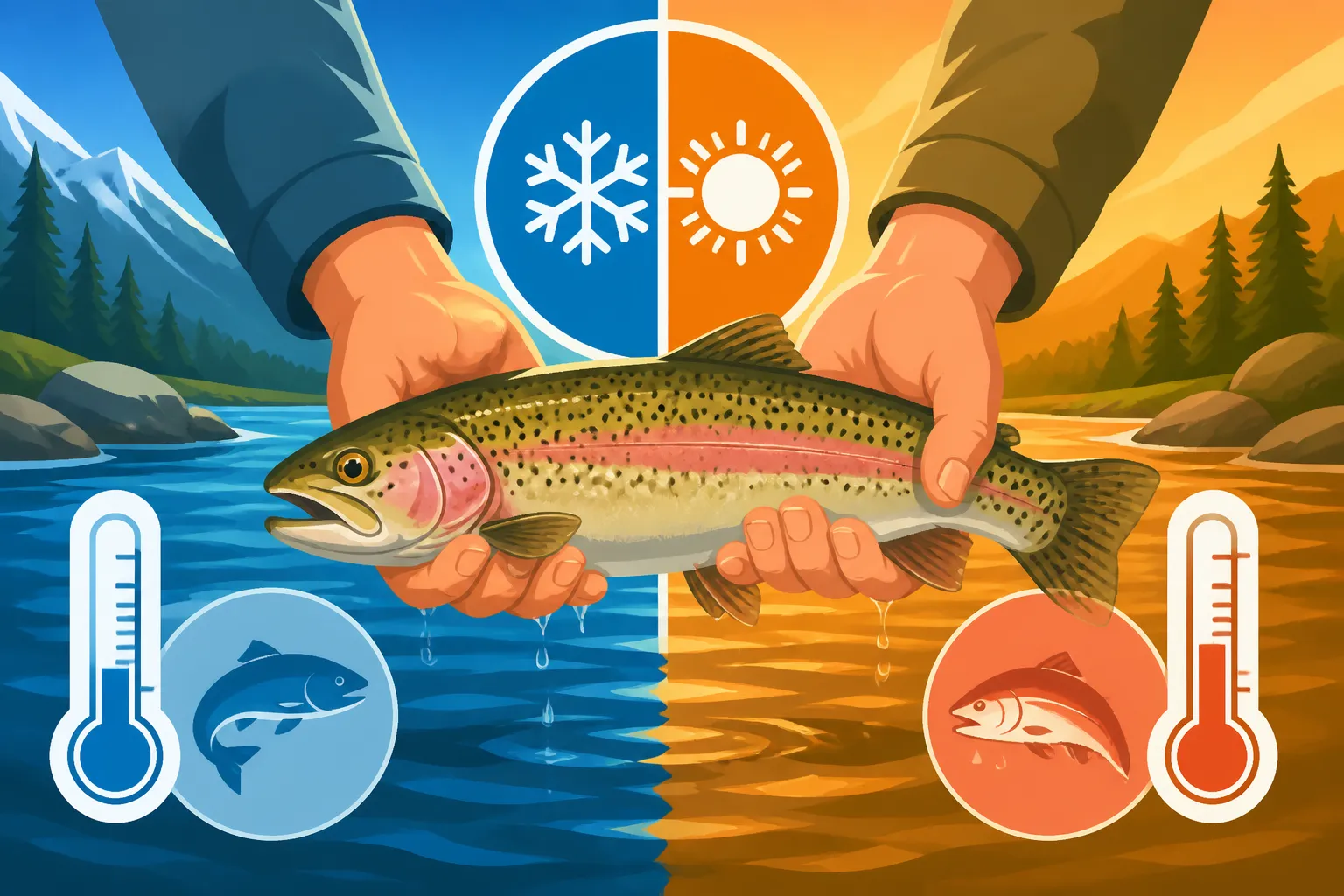
Does Water Temperature Affect Catch-and-Release Survival?
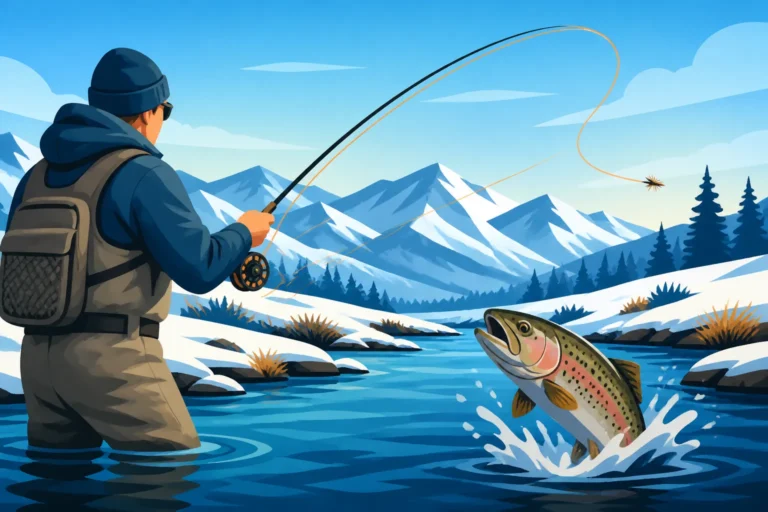
It's heartbreaking, isn't it? You spend all that time on the water, you hook a beautiful trout, play it carefully, and then you do everything you think is right for a catch-and-release, only to watch it struggle to swim away, or worse, float belly-up moments later. That sinking feeling is something every angler knows, and it often leaves us wondering what went wrong. This guide is all about one of the most significant, yet often unseen, factors impacting a fish's survival after release: water temperature. We're going to dive deep into why warmer water can be so detrimental, how you can recognize the risks, and what you can do to give those magnificent Colorado fish the best chance at thriving after their encounter with your hook.
The Hidden Stressor: How Warm Water Impacts Fish Physiology
Think about yourself trying to run a marathon on a sweltering summer day versus a cool, crisp autumn morning. It's night and day, right? The same principle, intensified, applies to fish, especially cold-water species like trout, when they're caught in warm water. What seems like a quick fight to us can be an intense, life-threatening ordeal for them, and temperature plays a massive role in how their bodies cope—or don't.
Oxygen Deprivation and Metabolic Stress
One of the fundamental challenges for fish in warmer water is the simple physics of oxygen. Colder water holds more dissolved oxygen, which is essential for fish respiration. As water temperatures rise, its capacity to hold oxygen drops significantly. Imagine trying to breathe through a thin straw; that's what it can feel like for a fish in oxygen-depleted warm water.
Simultaneously, a fish's metabolism accelerates in warmer conditions. Their bodies work harder, demanding even more oxygen just to maintain normal functions, let alone deal with the exertion of a fight. When you add the stress of being hooked and fighting against a line, their oxygen demand skyrockets, but the available oxygen is at its lowest. This creates a severe oxygen deficit, putting immense strain on their respiratory system and pushing their bodies into an anaerobic state, a desperate last resort where their muscles can function without oxygen for a short time, but at a high cost.
The Lactic Acid Buildup and Its Consequences
When a fish fights, especially in oxygen-poor, warm water, its muscles rapidly produce lactic acid. This is the same stuff that makes your legs burn after a sprint. For a fish, this lactic acid builds up in their bloodstream and tissues, making their blood more acidic. Normally, in cooler, oxygen-rich water, a fish can recover from this lactic acid buildup relatively quickly, flushing it out as they resume normal respiration.
However, in warm water, their systems are already struggling. The lack of oxygen hinders their ability to process and eliminate the lactic acid. This prolonged buildup can lead to what's known as "physiological collapse." Their pH balance is thrown off, muscle function deteriorates, and vital organs, including the brain and heart, can be damaged. You might see a fish that seems fine immediately after release, only to succumb hours later due to these internal stresses. It’s a silent killer that can turn a seemingly successful catch-and-release into a tragedy, highlighting why understanding How to Handle Trout for a Safe Release is so crucial.
Recognizing the Warning Signs: When Water is Too Warm for Catch-and-Release
So, how do you know when you're pushing the limits? It's not always obvious, especially when you're excited about a day on the river. But paying attention to the environment and your catches can make all the difference in ensuring responsible angling.
The Critical Temperature Thresholds
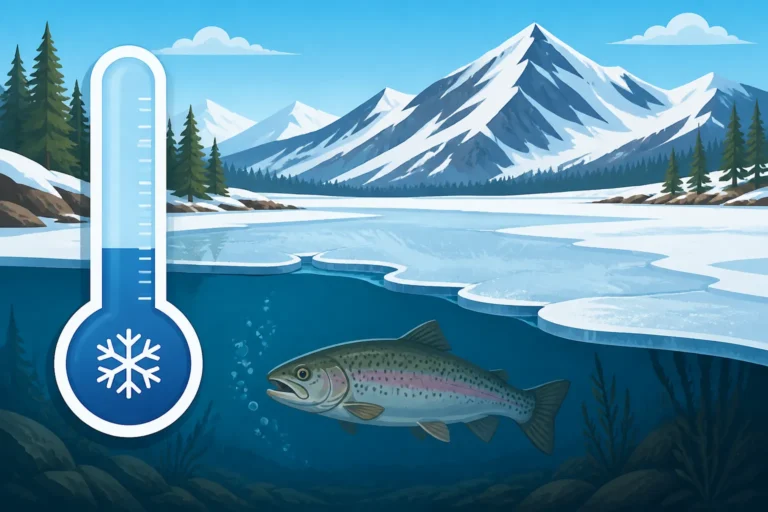
For many of Colorado's beloved trout species—rainbows, browns, cutthroats, and brook trout—the danger zone generally begins around 65 degrees Fahrenheit. Once water temperatures hit the mid-60s, stress levels significantly increase. When they reach 70 degrees or higher, the survival rate for released trout plummets dramatically. At these temperatures, even a short fight can be fatal. It's not just trout, either; other cold-water species can also suffer.
It's important to remember that these are general guidelines. Factors like water clarity, dissolved oxygen levels, and how long a fish is fought can also influence survival. But using a thermometer to keep tabs on the water temperature is one of the most proactive steps you can take. If you're fishing a tailwater, the water might stay cooler even on hot days, but freestone rivers, especially in the afternoon sun, can warm up quickly. You should always consult Reading Colorado's Fishing Regulations Brochure to stay informed on specific local rules and recommendations.
Visual Cues and Monitoring Tools
You can't just guess the water temperature; you really need to measure it. A simple, inexpensive fishing thermometer is an essential piece of gear for any responsible angler in Colorado. You can find reliable ones easily on Amazon or at your local fly shop. Dip it in the water for a minute or two and get an accurate reading. Make this a habit throughout the day, especially if the sun is beating down.
Beyond the numbers, pay attention to the fish themselves. If fish are coming to the net quickly, are very lethargic, or take a long time to recover and swim off strongly after release, those are huge red flags. Even if the thermometer reads just below the critical threshold, a fish struggling to right itself or swimming away slowly might be telling you the conditions are too harsh. In extreme cases, you might even see fish gasping at the surface, which is a clear sign of severe oxygen deprivation. This situation also makes it incredibly important to follow guidelines like Catch-and-Release Rules on Colorado's Cutthroat Waters.
Best Practices for Maximizing Survival in Warm Water Conditions
Knowing the risks is one thing, but acting on that knowledge is what truly makes a difference. When temperatures climb, you need to adjust your approach to give every fish the best possible chance at survival.
Minimizing Fight Time and Handling
When the water is warm, every second counts. Using appropriate tackle for the size of fish you expect to encounter is paramount. Don't go ultra-light if you know there are big fish in warm water; you'll only prolong the fight, exhausting the fish further. Play the fish quickly and decisively, keeping it in the water as much as possible.
Once you have the fish subdued, minimize handling. Avoid squeezing the fish, especially around its belly or gills, as this can cause internal damage. Always wet your hands thoroughly before touching a fish, as dry hands can rub off their protective slime layer, leaving them vulnerable to infection. If you can, unhook the fish without ever removing it from the water. A good rubber mesh net can help here, keeping the fish secure while you work. Remember, the less time a fish is out of its element, the better.
The Art of the Quick Release
Being prepared for a quick release is key. Using barbless hooks, or crimping down the barbs on your existing hooks, makes unhooking much faster and less damaging. Often, a gentle twist with forceps or pliers is all it takes for the hook to slide right out. If a fish is deeply hooked and removing the hook would cause significant trauma, it's often better to cut the line as close to the hook as possible. The hook will eventually rust out, or the fish's body may expel it, and this is generally less stressful than a lengthy, invasive removal.
After unhooking, gently hold the fish in the current, facing upstream, until it can swim away on its own. Don't rush it! If it's struggling, hold it upright and allow water to flow over its gills. You'll feel a strong kick when it's ready. If it repeatedly rolls over or seems unable to swim off, it's a grim sign that it may not recover. These actions are a core part of following What Catch-and-Release Only Means on Colorado Water.
Adjusting Your Fishing Schedule and Location
Sometimes, the best practice is simply not to fish. If temperatures are consistently high, consider taking a break or changing your plans entirely. If you absolutely must fish, adjust your schedule to target cooler times of the day. Early mornings, just after sunrise, are almost always cooler than the scorching mid-afternoon. Similarly, fishing into the evening as the sun sets can offer more favorable conditions.
You can also seek out colder water sources. Tailwaters, which are rivers below large dams, often release cold water from the bottom of reservoirs, keeping them cooler even during heatwaves. High-elevation streams and alpine lakes also tend to maintain colder temperatures throughout the summer. Before heading out, it's wise to check Colorado Fishing Seasons Month by Month to get a general idea of conditions, but always verify current temperatures. If you see signs of fish distress or hear about voluntary closures, strongly consider packing it in for the day to protect the resource.
Understanding Colorado's Hoot Owl Closures and Conservation Efforts
Colorado takes its fisheries seriously, and the state often implements measures to protect fish during periods of extreme environmental stress. Knowing what these are and why they exist is part of being a responsible angler.
What Are Hoot Owl Closures?
During periods of prolonged high temperatures and low water flows, Colorado Parks and Wildlife (CPW) may implement what are known as "Hoot Owl" closures. These regulations restrict fishing to specific, cooler times of the day, typically from early morning until noon, closing the water to angling during the hottest parts of the afternoon and evening. The name comes from the idea of fishing "from hoot to hoot," referring to the activity of owls at dawn and dusk.
These closures aren't just arbitrary rules; they are critical conservation tools designed to reduce the stress on fish during the most vulnerable times. By limiting fishing pressure when water temperatures are highest and oxygen levels are lowest, these closures give fish a much better chance of surviving encounters with anglers. They are an official recognition that, yes, How Water Temperature Affects Trout Feeding and their very survival is intrinsically linked to these conditions. Ignoring these closures, whether official or voluntary, can have devastating impacts on local fish populations.
Angler's Role in Conservation
Beyond following official regulations, individual anglers have a profound role to play in conservation. If you notice water temperatures climbing into the dangerous zone, even if there isn't an official closure, consider implementing your own voluntary hoot owl closure. Pack up your gear and enjoy a different part of Colorado's beautiful outdoors, or simply return to the water when conditions are more favorable.
Responsible angling means more than just catching fish; it means protecting the future of the sport and the health of the aquatic ecosystems we cherish. By being mindful of water temperature, practicing careful handling and release techniques, and respecting official and voluntary closures, we can all contribute to keeping Colorado's rivers and lakes vibrant and full of healthy fish for generations to come. This commitment extends to understanding the bigger picture, like Colorado Fishing Regulations Every Angler Should Know, and appreciating the reasons behind them.
Water Temperature and Release Survival: A Quick Reference
To help you remember these critical guidelines and practices, here’s a quick reference table. This isn't a substitute for a thermometer or official regulations, but it provides a handy overview.
| Water Temperature Range (Fahrenheit) | Fish Stress Level | Recommended Action for Anglers |
|---|---|---|
| Below 55°F | Low | Standard catch-and-release practices. |
| 55°F – 64°F | Moderate | Handle quickly, minimize out-of-water time, use barbless hooks. |
| 65°F – 69°F | High | Fish during coolest parts of day (early morning), strong consideration for taking a break. Rapid, careful release is essential. |
| 70°F and Above | Critical | Cease fishing for cold-water species. Fish will likely not survive release. Consider warm-water species in appropriate areas, or switch activities. |
This table focuses on trout and other cold-water species commonly found in Colorado. Remember that warm-water species like bass and catfish tolerate higher temperatures, but even they can suffer stress in extreme heat or prolonged fights.
Disclaimer
This article is for general informational purposes only and does not constitute professional advice. Laws, prices and regulations vary by location and change over time. Consult a qualified professional for guidance on your specific situation.