Best Time of Year to Avoid Crowds on Popular Rivers
There's nothing quite like the frustration of arriving at your favorite Colorado river, gear in hand, only to find the banks lined with other eager anglers, fly lines crisscrossing the air, and the prime spots already taken. It can feel like finding a parking spot at a concert when all you wanted was a peaceful escape. This guide is all about helping you understand the ebb and flow of angler traffic on Colorado's popular rivers, so you can strategize your trips for those precious moments of solitude and unpressured fish.
The Seasonal Dance of Anglers: Understanding Colorado's Fishing Crowds
Colorado's rivers see distinct patterns in angler traffic, largely dictated by weather, water conditions, and even school holidays. Knowing these patterns is your first step to planning a quieter day on the water. It’s not just about avoiding people, it’s about giving yourself the best chance at an unpressured, rewarding experience.
Summer's Popularity and Its Peak
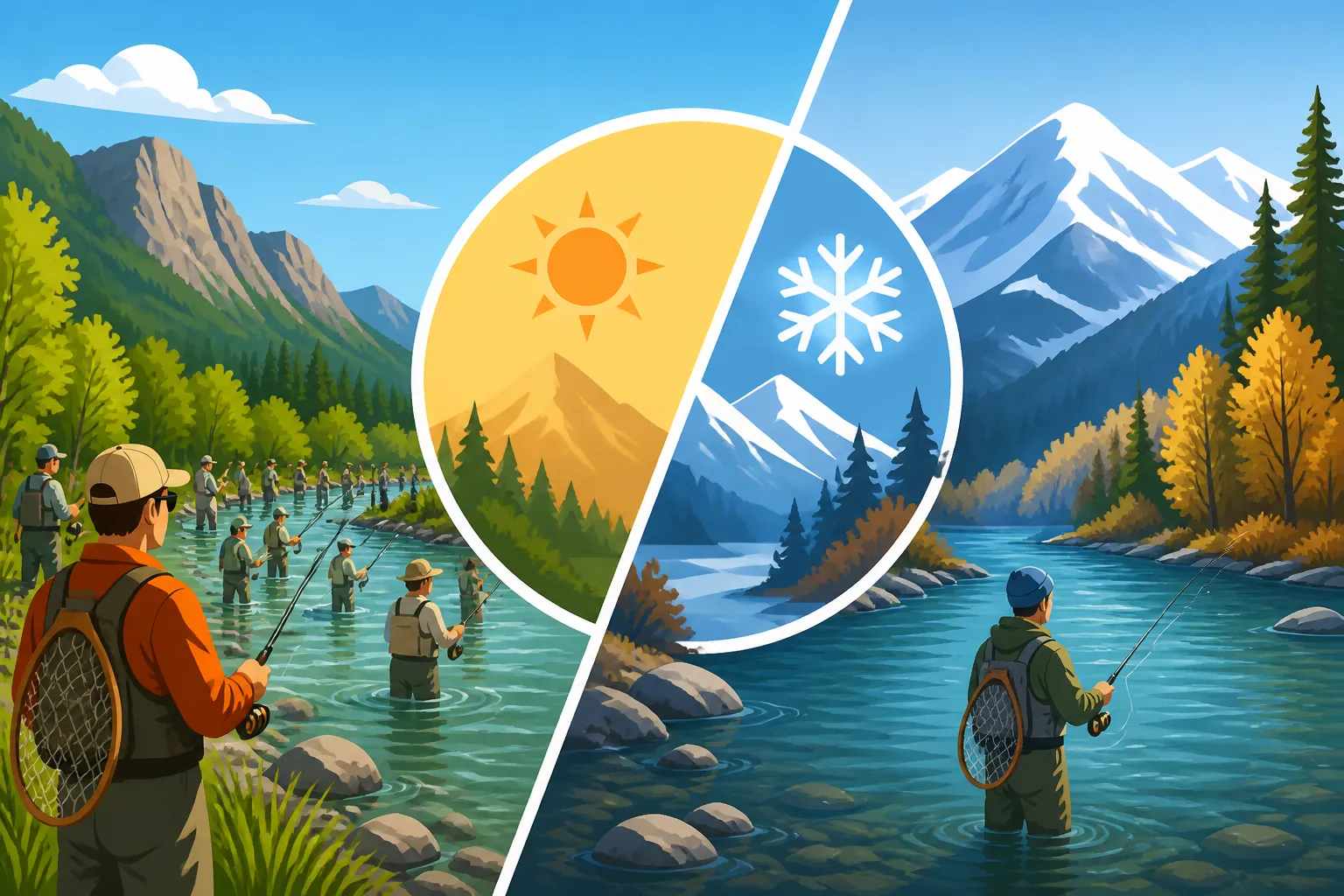
Let's be real, summer is glorious in Colorado. The sun is shining, the mountains are green, and the water is generally at a pleasant temperature for wading. This also means it's prime time for visitors and locals alike to hit the rivers. From late June through August, especially on weekends and around holidays like the Fourth of July or Labor Day, popular stretches of rivers like the Arkansas, Blue, or South Platte near Deckers can be absolutely swarming. Families are out, tourists are casting, and guide boats are often booked solid. If you're looking for solitude, this is generally the toughest time to find it on easily accessible, well-known waters. Even streams that require a bit of a hike, like those in Cheesman Canyon on the South Platte, can see significant traffic, as many anglers are willing to put in the effort for quality fishing.
Spring's Promise and Runoff's Relief
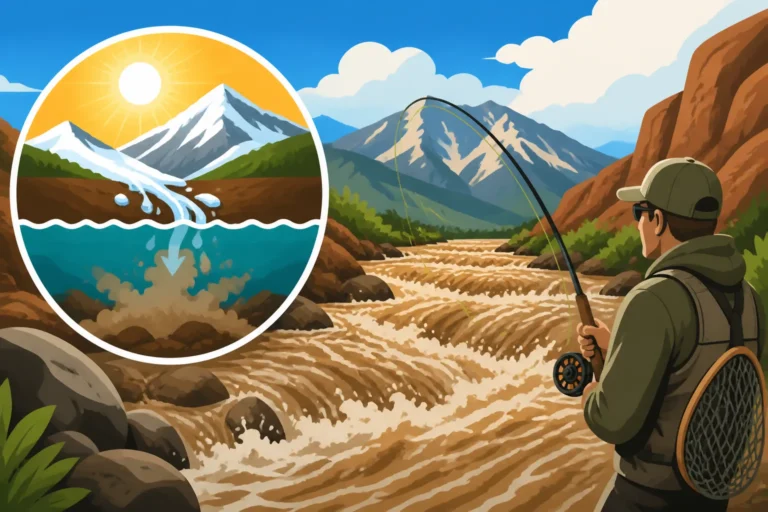
Spring is a season of transition, and so are the crowds. Early spring, typically March and April, can be fantastic on many tailwaters before the major runoff begins. The weather is improving, and anglers are itching to get out after a long winter. Crowds can still be present, especially on prime tailwater sections known for consistent fishing. However, once Colorado's Spring Runoff Hits and How to Fish Around It in late May and early June, things shift dramatically. Many freestone rivers become high, swift, and murky, turning off a lot of casual anglers. This period, while challenging, can offer surprising solitude for those equipped and willing to fish around the high water, perhaps by targeting slower eddies or smaller tributaries that clear more quickly. It's a trade-off: fewer crowds often mean tougher fishing conditions, but sometimes that challenge is part of the appeal.
The Golden Lure of Autumn
Ah, autumn in Colorado. The aspens turn golden, the air gets crisp, and the brown trout start their spawning rituals. This is a beloved time for many experienced anglers, and for good reason. The fishing can be phenomenal, with aggressive brown trout and still-active rainbows. Consequently, popular rivers, particularly Gold Medal waters known for their large brown trout, can get quite busy, especially on weekends in September and October. However, the crowds usually aren't as intense as peak summer, and they tend to thin out significantly as you move past mid-October and closer to winter. The crisp air and stunning scenery make any shared space feel a little more tolerable, but if true solitude is your goal, late fall is when you start finding more elbow room. Fall Fishing in Colorado, What Changes beyond just the leaves and temperatures, influencing both fish behavior and angler patterns.
Winter's Quiet Resilience
For many, winter is the ultimate secret season for avoiding crowds. While some hardcore anglers flock to specific tailwaters for Winter Fishing on Colorado's Tailwaters, the sheer number of people on the water drops dramatically. Many fair-weather anglers pack away their gear, intimidated by the cold temperatures and the potential for ice. This means that even on popular rivers, you can often find stretches to yourself. The fishing can be technical, focusing on tiny midge patterns or subtle nymph rigs, but the reward is a tranquil experience surrounded by snow-dusted landscapes. Of course, accessibility can be an issue with snow-covered roads or iced-over banks, but if you're prepared for the cold, winter offers the best chance at true solitude on many Colorado waterways.
Strategic Timing: Finding Solitude on Colorado's Rivers
Avoiding crowds isn't just about picking the right season; it's also about being smart with your timing, even during busier periods. A few simple adjustments to your fishing schedule can make a world of difference.
Weekdays Are Your Best Friend
This might seem obvious, but it bears repeating: if you want to avoid crowds on Colorado's popular rivers, fish on a weekday. The difference between a Saturday and a Tuesday on a river like the Fryingpan or the Dream Stream is often night and day. Most people work Monday through Friday, so their weekends are their only chance to hit the water. If you have the flexibility to take a day off during the week, seize it! Even a single weekday can offer significantly reduced pressure. Remember that many guides also operate heavily on weekdays, but even with guides, the overall angler density will be lower. Consider How Weekday vs Weekend Crowds Differ on Colorado Tailwaters – the difference is more pronounced than you might think.
Embrace the Early Bird or Night Owl Mentality
Regardless of the day of the week, hitting the water at dawn can give you a precious few hours of solitude before others arrive. Most anglers don't like getting up before the sun, especially on their days off. Similarly, fishing into the evening, right up until dark, can also shake off a good portion of the crowds. Many anglers pack up once the sun starts to dip, but those "golden hours" of dusk can be incredibly productive, especially for larger, more elusive fish like brown trout. You might need a headlamp, which you can easily find on Amazon, but the reward of having a productive run all to yourself is often worth the extra effort.
The Post-Runoff Sweet Spot
As mentioned earlier, spring runoff can be a deterrent for many. But there's a magical window that opens immediately after the runoff begins to recede and the water starts to clear, usually in mid to late June. The fish have been less pressured, gorging on the influx of food, and often incredibly active as the water levels stabilize. Many anglers are still waiting for "ideal" conditions, or haven't quite caught on that the rivers are dropping and clearing. This short period can offer phenomenal fishing with fewer crowds than what you'll find a couple of weeks later in peak summer. Keep a close eye on streamflow gauges and weather patterns to pinpoint this sweet spot. It's often the Best Time of Year to Fish a Colorado Tailwater in Summer before the heat really sets in.
Beyond the Beaten Path: Discovering Less Crowded Waters
Sometimes, avoiding crowds means changing where you fish, not just when. Colorado has an incredible diversity of waters, and while the "popular" rivers are popular for a reason (great fishing!), there are plenty of other gems waiting to be explored.
Utilizing Colorado's Fishing Atlas and Stocking Reports
Colorado Parks and Wildlife (CPW) provides invaluable resources for anglers, and learning to use them is key to finding quieter spots. The Using Colorado's Fishing Atlas to Plan a Trip is a fantastic online tool that allows you to explore public access points, fish species, and regulations for countless lakes and rivers across the state. By looking beyond the well-known "Gold Medal" stretches, you can often identify smaller streams, lesser-known reservoirs, or even sections of major rivers that might require a bit more effort to reach but offer significantly less pressure. Similarly, while not directly for avoiding crowds, Reading Colorado's Weekly Stocking Report can help you find recently stocked ponds or lakes that might not be on every fly fisher's radar, offering a different kind of experience that can sometimes be less crowded than premier trout rivers.
Exploring Smaller Tributaries and High-Country Lakes
The allure of big, famous rivers is strong, but Colorado is crisscrossed with countless smaller tributaries that often hold healthy populations of wild trout. These streams might not produce trophy-sized fish, but they offer an intimate, serene fishing experience. The fish are often less educated, and the scenery can be breathtaking. Similarly, venturing into the high country to fish Fishing Colorado's High-Country Lakes can be a fantastic way to escape the masses. These lakes often require a hike, sometimes a significant one, which acts as an excellent filter for crowds. The reward is stunning alpine vistas and feisty cutthroat or brook trout in pristine environments. Just remember to check the Colorado Fishing Season Dates and Bag Limits for high-country waters, as they can sometimes differ due to ice-out and accessibility.
Consider "Technical" Waters or Less Accessible Sections
Some stretches of popular rivers are inherently less crowded because they require specific skills or significant effort. For example, some Gold Medal Waters might have sections with dense bank vegetation, deep wading requirements, or swift currents that deter less experienced anglers. Learning tactics for Where Trout Hold During High Water can also open up opportunities when others are staying home. Don't be afraid to put in the work! Hiking further upstream or downstream from popular access points can often lead to unpressured water, even on heavily trafficked rivers. Sometimes it's simply a matter of walking an extra mile, which is a small price to pay for solitude. For instance, while Cheesman Canyon is popular, the further you hike into it, the fewer anglers you'll likely encounter, though you might still find yourself wondering How Crowded Cheesman Canyon Gets on Weekends.
Gear and Mindset: Tactics for a Quieter Fishing Experience
Beyond when and where you go, having the right gear and a strategic mindset can further enhance your ability to find and enjoy uncrowded fishing experiences. It’s about being prepared and embracing the adventure.
Self-Sufficiency and Preparation
When you're venturing to less-trafficked areas, especially smaller streams or high-country lakes, being self-sufficient is paramount. You might not have cell service, and amenities will be nonexistent. Pack everything you need: plenty of water, snacks, appropriate layers for changing weather, a first-aid kit, and all your fishing essentials. A good, comfortable backpack is crucial for carrying your gear, perhaps an Osprey or Patagonia model that you can find easily on Amazon. Being prepared means you can stay out longer, explore further, and not be forced back to civilization by a minor inconvenience. This extends to your vehicle too; make sure it's reliable and has a full tank of gas, as some of these quieter spots are a good drive from the nearest town.
The Art of Stealth and Respectful Sharing
Even when you find a less crowded spot, employing stealthy tactics will increase your success and allow you to fully enjoy the peace. Approach the river quietly, keep a low profile, and avoid stomping along the bank. These wilder fish are often warier than their stocked counterparts. If you do encounter other anglers, a simple nod or friendly wave goes a long way. Always maintain respectful distance; give others ample space, even if you found the spot first. The joy of a quiet day on the river is amplified when everyone respects each other's space and desire for a peaceful experience. It's a shared resource, and a positive attitude makes everyone's day better. Sometimes, the best way to ensure a quiet experience is to simply ask, "How's the fishing?" and observe how they respond to your presence.
Table: Colorado River Crowd Seasonality & Strategies
| Season | Typical Crowd Level (Popular Waters) | General Fishing Conditions | Best Strategy for Solitude |
|---|---|---|---|
| Early Spring | Moderate to High (tailwaters) | Good (tailwaters), improving (freestones) | Weekdays, early mornings, post-runoff window (late spring) |
| Late Spring/Runoff | Low to Moderate (many rivers) | Challenging (high/muddy) | Target smaller tributaries, high-country lakes (if accessible), specific tailwaters |
| Summer | High to Very High | Excellent | Weekdays, very early/late, seek high-country lakes, less-known spots |
| Autumn | Moderate to High (Gold Medal) | Excellent | Mid-week, late fall, less accessible sections, explore eastern plains rivers |
| Winter | Low to Moderate (specific tailwaters) | Technical, challenging | Any day, be prepared for cold, ice fishing (lakes) |
Remember, this is a general guide. Local conditions, weather, and specific events can always influence crowd levels. The key is flexibility, preparedness, and a willingness to explore beyond the most famous names on the map. Colorado is vast, and its waters offer endless opportunities for discovery and quiet enjoyment if you know how to look.
Disclaimer
This article is for general informational purposes only and does not constitute professional advice. Laws, prices and regulations vary by location and change over time. Consult a qualified professional for guidance on your specific situation.