When Grasshopper Season Peaks on Colorado Rivers
There's nothing quite like the sight of a big, hungry trout sipping a tiny midge off the surface, but let's be honest, the true heart-pounding action often comes when larger prey are on the menu. If you've ever dreamt of those explosive, unforgettable strikes, you've probably been waiting for grasshopper season. This guide will walk you through when these protein-packed insects become a primary food source for Colorado's trout, ensuring you're ready to hit the water during this exhilarating time.
Understanding the Grasshopper Life Cycle in Colorado
Before we can pinpoint the peak of grasshopper season, it helps to understand a little about these fascinating insects themselves. They're not just random bugs; they follow a predictable pattern dictated by the Colorado landscape and its ever-changing climate. Knowing their lifecycle helps us anticipate when they'll be most active and, more importantly, most available to hungry fish.
The Warmth They Crave
Grasshoppers, like so many insects, absolutely thrive in warm, dry conditions. While Colorado winters can be harsh, the eggs typically overwinter in the soil, patiently waiting for the sun's sustained warmth to usher in spring. As the days lengthen and soil temperatures consistently rise, these tiny eggs begin to hatch. This usually starts in late spring, around May or early June, depending on how warm and dry the particular year has been. A cold, wet spring can delay things, while an unusually warm one can bring them out earlier.
Think about those stretches of river where the banks are lined with dry, grassy meadows or agricultural fields. These are prime breeding grounds for grasshoppers. They need that open, sunny environment to develop, feed, and eventually mature. The more sun-baked and dry these areas become in early summer, the more quickly the grasshopper populations tend to flourish, setting the stage for the feast to come.
From Nymph to Leaping Adult
Once hatched, grasshoppers go through several nymph stages, gradually growing and shedding their exoskeletons. During these early stages, they’re still relatively small and not quite the acrobatic, leaping adults that often accidentally end up in the river. This development takes time, and they spend these weeks munching on various plants, slowly but surely bulking up.
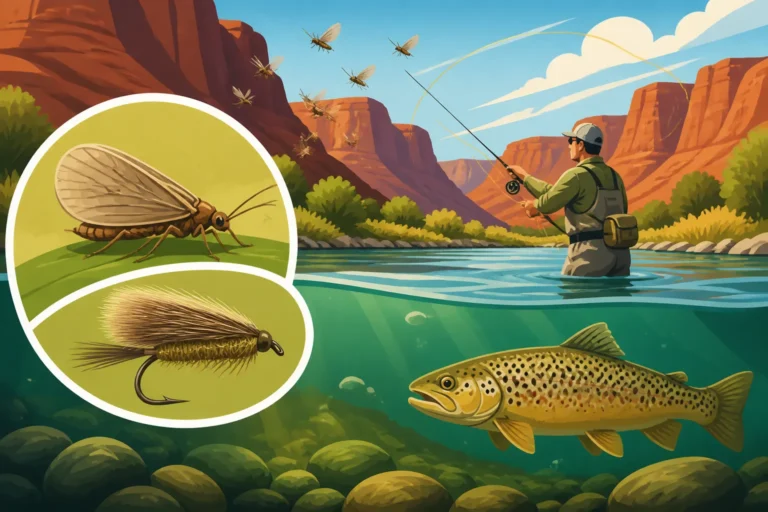
As summer progresses and the heat intensifies, typically by mid-July, these nymphs transform into their adult forms. This is when they develop those powerful hind legs that allow them to jump impressive distances – and sometimes, unfortunately for them, right into the water. This transition from ground-bound nymph to airborne adult is key, because it's these larger, more mobile insects that become the substantial meal trout are looking for. You'll often find yourself swatting at them as you walk through a riverside meadow, a sure sign that the hoppers are out in force.
Pinpointing the Peak: When to Expect the Hopper Bonanza
So, when exactly does this legendary "hopper season" truly hit its stride in Colorado? It's not a single date on the calendar, but rather a window that opens and closes based on a few critical environmental factors. Understanding these nuances can mean the difference between a frustrating day of sparse action and an unforgettable outing filled with explosive takes.
The Crucial Role of Weather
The primary driver for peak grasshopper activity is the weather, specifically sustained heat and dry conditions. As the Colorado summer heats up, typically from late July through August, grasshopper populations explode. These insects are cold-blooded, so warm temperatures make them incredibly active. They'll be jumping, mating, and feeding with gusto across fields and riverbanks. A heat wave, especially after a period of general warmth, can kick the season into high gear.
Wind also plays a significant, though sometimes unwelcome, role. A breezy afternoon, particularly one that picks up across wide, grassy plains or mountain meadows, acts like a natural delivery service, blowing countless grasshoppers right off the banks and into the river. This involuntary plunge creates a buffet for trout, who quickly learn to look up for these easy, high-calorie meals. However, too much wind can make casting challenging, so it's a balance. If you're out on a clear day with a gentle breeze, you're likely in for a treat, especially on rivers like the Arkansas where wide-open banks are common.
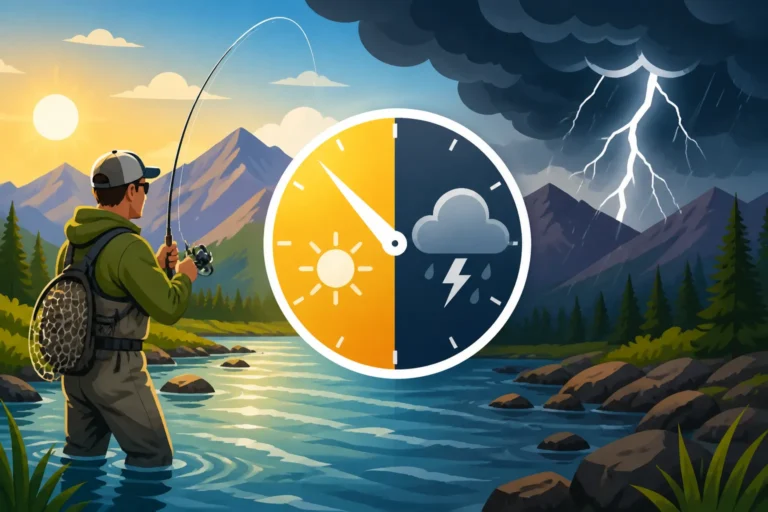
Conversely, a sudden cold snap or persistent heavy rains can put a damper on the party. Cooler temperatures slow grasshoppers down, making them less active and less likely to accidentally end up in the water. Heavy rains can also wash them away or make them seek shelter, reducing their availability. This is why late summer, particularly August and early September, with its generally stable warm and dry weather, often sees the most consistent and prolific grasshopper activity.
Geographic Variations Across Colorado
Colorado is a state of incredible diversity, and what's happening on the Eastern Plains can be vastly different from what's occurring in the high Rockies. This means that "peak hopper season" isn't uniform across the entire state. Generally, the lower elevation, warmer, and drier regions will see grasshopper activity start earlier and last longer. This includes the river stretches on the Front Range and the lower sections of rivers flowing out of the mountains, like parts of the South Platte or the Arkansas.
As you move up into the higher elevations and mountain valleys, the season shifts. Here, cooler temperatures and a shorter growing season mean that grasshopper activity will peak later, often from mid-August through September. Rivers like the upper Fryingpan River or sections of the Gunnison, nestled deep in mountain valleys, might not experience their best hopper fishing until other lower-elevation rivers are already starting to taper off. Always consider the specific elevation and climate of the river you plan to fish. You can often find updated conditions and stocking reports that give clues about insect activity on the Colorado Parks and Wildlife website.
By late September and into October, as nights grow colder and the first hard frosts appear, grasshopper activity naturally declines. While you might still find a few stragglers on warm afternoons, the massive influx that characterizes the peak season will have passed. However, these late-season stragglers can still entice big trout looking to pack on weight before winter. For broader context on how the fishing changes, check out our guide on Fall Fishing in Colorado, What Changes.
Why Grasshoppers Are a Big Deal for Colorado Anglers
If you've spent any time on a Colorado river during late summer, you know the excitement surrounding grasshoppers. It's more than just a passing hatch; it's a phenomenon that radically alters how and where trout feed, creating some of the most thrilling dry fly fishing opportunities of the year.
A High-Protein Feast
For trout, a grasshopper isn't just a snack; it's a full meal. Unlike tiny midges or mayflies, a grasshopper represents a substantial caloric intake, and fish are opportunistic feeders. When these large, clumsy insects begin tumbling into the river, trout quickly key into them as a prime food source. They often abandon their usual subsurface feeding lanes, moving closer to the banks and eagerly looking skyward for the next unsuspecting victim.
This shift in feeding behavior is fantastic for anglers because it means trout become less selective and more aggressive. They're not meticulously inspecting every tiny fly drift; they're often willing to ambush a larger, less-than-perfect imitation simply because it represents a large, easy meal. This can lead to incredible dry fly action, even for anglers who might struggle to "match the hatch" with smaller, more delicate patterns. It's a chance to put away the tiny flies and tie on something big and buoyant.
You'll often hear guides refer to this as a "terrestrial bite," encompassing not just grasshoppers but also beetles and ants. These land-dwelling insects become incredibly important to trout diets during the summer when aquatic insect hatches can sometimes be less predictable or robust. Many anglers keep a dedicated fly box stocked with various terrestrials during these months, often choosing from popular patterns available on online retailers like Amazon.
The Thrill of the "Plop" and the Take
There’s something uniquely satisfying about fishing a grasshopper pattern. Unlike the delicate presentation often required for smaller dry flies, a grasshopper usually enters the water with a bit of a "plop." This isn't a mistake; it's often precisely what you want! Trout are accustomed to these larger insects falling from the bank with a splash, and that sound can actually draw them in. It's a signal that a substantial meal has arrived.
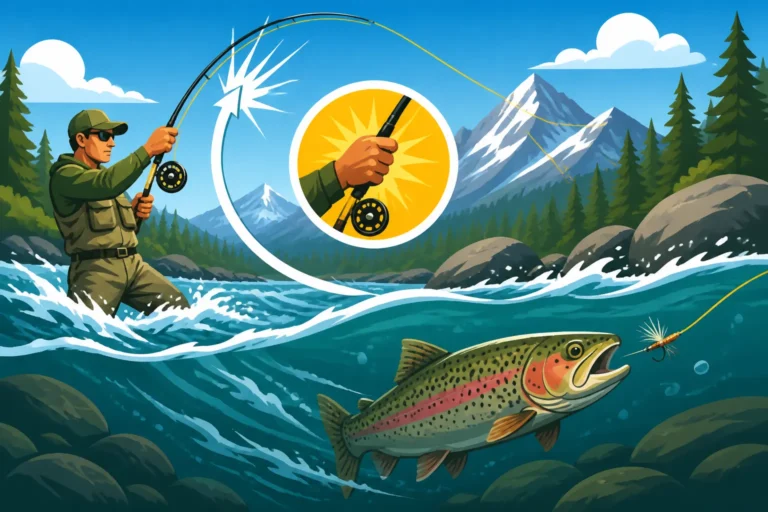
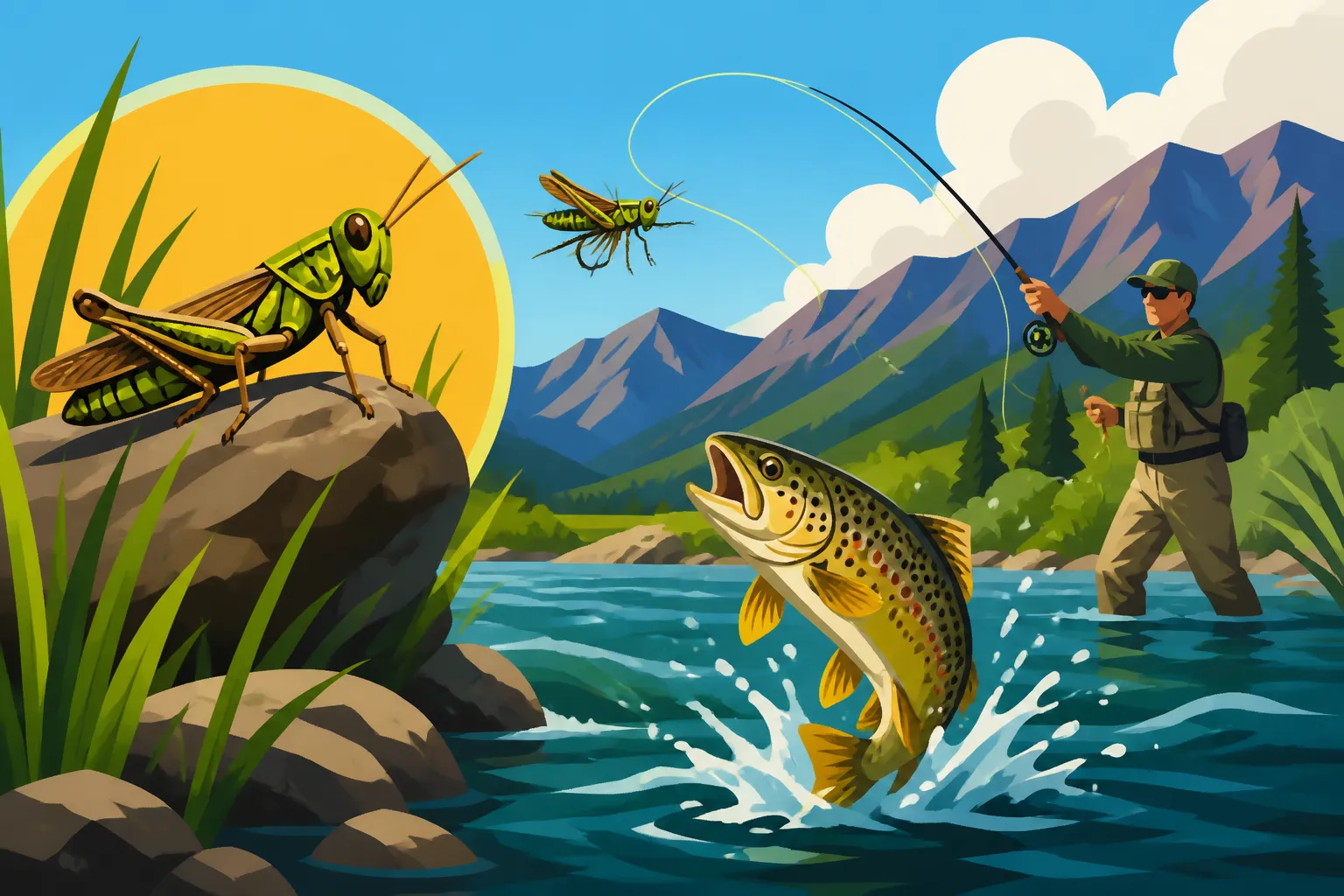
The take itself is often nothing short of spectacular. Instead of a subtle sip, you're more likely to witness an aggressive, surface-churning strike as a trout erupts from the water to engulf your imitation. This visual aspect makes grasshopper fishing incredibly exciting and memorable, especially for newer anglers who are looking for that undeniable visual feedback. It's truly an adrenaline rush when a chunky brown trout or rainbow absolutely crushes your big foam hopper.
The anticipation of that "plop" and the subsequent explosion on the surface is a huge part of the allure. It’s not uncommon to cast your fly near an undercut bank or a logjam, let it drift, and then suddenly see a flash and feel a strong tug. This kind of fishing provides a break from the intricate nymphing techniques often necessary in Colorado's clear tailwaters, allowing for a more active and visually engaging experience. If you’re usually focused on deep rigs, a change of pace to dry fly fishing like this can be a welcome and rewarding experience, particularly if you’ve explored techniques like Nymphing Techniques for Colorado Tailwaters extensively.
Gear and Tactics for Peak Grasshopper Season Success
You've identified the peak season, understood why trout love hoppers, and now you're itching to get out there. But what's the best way to approach a river during this time? The good news is that grasshopper fishing, while incredibly effective, often simplifies your gear and tactics compared to more technical fly fishing scenarios.
Choosing the Right Hopper Pattern
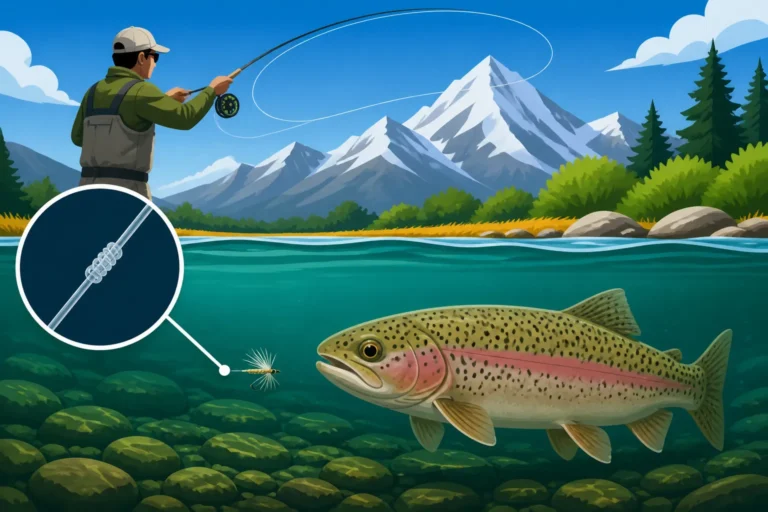
When it comes to hopper patterns, size and buoyancy are often more important than an exact imitation. Trout are looking for a large profile and a fly that sits high on the water. Foam patterns are incredibly popular for this reason; they float like corks, even through riffles and choppy water. Classic patterns like the "Dave's Hopper," "Charlie Boy Hopper," or "Parachute Hopper" are perennial favorites, typically in sizes 8 to 12. Don't be afraid to go big; a size 8 or even a 6 can often be incredibly effective.
Colors can vary, but natural tones like tan, yellow, or olive tend to work well, mimicking the variety of grasshoppers found along Colorado's riverbanks. Sometimes, a bright orange or pink hot spot on the top of the fly can also trigger strikes, making it easier for both you and the fish to spot. It's a good idea to have a few different sizes and colors in your box. If you're struggling to find them locally, you can always check out the vast selection of fly patterns on Amazon. Consider what's active in the meadows you're walking through; if you see a lot of a particular color, try to match it.
It's not just about the fly itself, but also how it's rigged. Many anglers like to run a "dry-dropper" setup during hopper season. This means tying a smaller nymph (like a pheasant tail or caddis larva) off the bend of the hopper hook, about 12-24 inches down. The hopper acts as your indicator and your primary target, while the nymph picks up any fish that might not be willing to rise to the surface. This technique allows you to cover both surface and subsurface feeding opportunities simultaneously, maximizing your chances of success.
Presenting Your Imitation
Presentation is key, but as we discussed, it's a different kind of presentation than for tiny dries. You want that "plop" – a deliberate, slightly heavy landing of your fly near prime holding water. Think about where a real grasshopper would accidentally fall in: near undercut banks, along grassy edges, under overhanging willows, or next to current seams where they might get swept in. These are all high-percentage spots.
Casting close to the bank, sometimes just inches away, is critical. Trout often cruise these shallow margins, especially during peak hopper season, because that's where their food source originates. Let your fly drift naturally for a short distance, keeping an eye out for any movement beneath the surface. Don't be too quick to pick up your line; sometimes trout will track a hopper for a few feet before committing. A good rod setup can make a difference here; a medium-fast action 5 or 6-weight rod is often ideal for casting these larger flies and fighting bigger fish. You can learn more about appropriate gear in our article on Best Rod Weight for Colorado Trout Fishing.
While you'll often be fishing relatively close to the bank, don't forget to occasionally cast into the main current seams, especially if there's a good breeze. Those wind-blown hoppers can end up anywhere. Reading the water and understanding where trout might be holding in various current types is a skill that comes with practice, and knowing how to interpret the river's flows, as covered in Reading Water on a Colorado Freestone River, will undoubtedly boost your success rate. Patience and observation are your best friends during hopper season; watch for rises, pay attention to where the natural insects are landing, and you'll be well on your way to a fantastic day on a Colorado river.
Expected Grasshopper Season Timing by Region
To help you plan your trips, here's a general overview of when you can expect grasshopper season to peak across different regions of Colorado. Remember, these are estimates, and specific conditions will always influence the exact timing. Always check local conditions and reports before you head out!
| Region | Typical Peak Season Window | Characteristics | Example Rivers/Areas |
|---|---|---|---|
| Eastern Plains | Late July – Early September | Warm, dry, often windy. Earliest and longest season. | South Platte (lower sections), St. Vrain (lower) |
| Front Range Rivers | Early August – Mid September | Generally warm, but with more elevation variation. | South Platte (near Deckers), Arkansas (Pueblo to Salida) |
| Central Mountains | Mid August – Late September | Cooler temperatures, shorter growing season. Peak later. | Fryingpan, Roaring Fork, Upper Arkansas (Buena Vista) |
| Western Slope | Early August – Mid September | Variable depending on elevation; can be hot and dry in lower valleys. | Colorado River (Glenwood Canyon to Kremmling), Gunnison River |
| High Country/Alpine | Late August – Early October | Shortest season, cooler temps. Intense but brief. Hoppers often smaller. | High alpine lakes, smaller mountain streams |
Disclaimer
This article is for general informational purposes only and does not constitute professional advice. Laws, prices and regulations vary by location and change over time. Consult a qualified professional for guidance on your specific situation.