Greenback Cutthroat Trout Recovery in Colorado
It’s a tough pill to swallow to think that one of Colorado's most iconic native fish almost vanished entirely. The Greenback Cutthroat Trout, once abundant in our mountain streams, faced a perilous journey to the brink of extinction. Despite the challenges, a dedicated community of scientists, conservationists, and anglers has been fighting tirelessly to bring them back. This guide dives deep into the incredible, often challenging, story of their recovery, revealing the dedicated efforts and ongoing work to restore this vital species to its rightful place in our high-country waters.
The Greenback's Fading Glory: A History of Decline
To truly appreciate the efforts in place today, we first have to understand the precipice from which the Greenback Cutthroat Trout has been pulled. These incredible fish, native only to Colorado's Front Range drainages, once thrived in countless cold, clear streams. Their decline wasn't a sudden event but a slow, insidious process driven by a combination of factors that completely reshaped our state's aquatic ecosystems. It’s a somber chapter in Colorado’s history, but one we need to acknowledge to move forward.
Habitat Loss and Degradation
One of the most significant blows to the Greenback population came from extensive habitat loss and degradation. As settlers moved into Colorado during the 19th and early 20th centuries, they dramatically altered the landscape. Mining operations, particularly the extensive hydraulic mining and gold rushes, spewed sediment and toxic runoff into pristine rivers, making them uninhabitable for sensitive trout. Logging practices often led to increased erosion, silting up spawning beds and widening streams, making them too warm for Greenbacks.
Beyond these industrial impacts, the burgeoning agricultural industry and urban expansion also played a role. Dams and diversions built to supply water to growing towns and farms fragmented rivers, isolating populations of Greenbacks and preventing them from migrating to spawn or find suitable refuge. This isolation made them more vulnerable to disease and genetic bottlenecks. Imagine a tiny island where the population can't grow or mingle – that's what happened to many Greenback populations.
Competition from Non-Native Species
Perhaps the most devastating factor in the Greenback's decline was the widespread introduction of non-native fish species. In a well-intentioned, but ultimately catastrophic, move, agencies stocked millions of Yellowstone cutthroat, rainbow trout, brook trout, and brown trout into Colorado's rivers and lakes throughout the late 1800s and 1900s. These non-native species were often heartier, grew faster, and competed directly with the smaller, more specialized Greenbacks for food and spawning grounds.
Rainbow trout, in particular, posed a unique threat because they can hybridize with cutthroat trout, creating a "cutbow." These hybrids dilute the pure Greenback genetics, effectively erasing the native lineage. Why Interbreeding Threatens Native Cutthroat Populations is a deep dive into just how impactful this can be. Brook trout, while beautiful, are aggressive spawners and quickly outcompeted Greenbacks in smaller headwater streams. Brown trout, known predators, feasted on Greenback juveniles. It was a perfect storm of environmental change and biological warfare that the Greenbacks simply weren't equipped to handle.
Historical Exploitation
While less impactful than habitat loss and species competition, historical overfishing also contributed to the Greenback's woes. In the early days of Colorado's statehood, fishing was a subsistence activity and a popular recreational pursuit without modern bag limits or conservation ethics. Anglers, including myself in my younger, less enlightened days, would sometimes keep hundreds of fish in a single outing, especially from easily accessible rivers. The sheer abundance of trout in those days made it seem limitless.
Without proper regulation and understanding of population dynamics, these native fish populations were slowly but surely depleted. The Greenback, being a relatively small and often localized species, was particularly vulnerable to such intense pressure. While contemporary recreational fishing is highly regulated and generally sustainable, the historical context of unchecked harvest cannot be overlooked when we discuss why the Greenback almost vanished.
The Fight for Survival: Understanding Recovery Efforts
The story of the Greenback Cutthroat Trout isn't just one of decline; it's also a testament to incredible resilience and dedicated conservation. Once thought entirely extinct, a small population was rediscovered in the 1960s, sparking a monumental effort to bring them back. It's a complex, multi-faceted undertaking that requires both cutting-edge science and old-fashioned hard work. We're talking about painstaking genetic work, habitat restoration that takes years, and a lot of patience.
Genetic Identification and Preservation
One of the biggest hurdles in Greenback recovery has been accurately identifying pure Greenback genetics. For decades, it was believed that the only surviving Greenback population was in the Arkansas River drainage. However, advanced genetic analysis in the early 2000s revealed that these fish were actually Colorado River Cutthroat Trout that had been misidentified. The true Greenback lineage was found in a tiny, isolated stream called Bear Creek, high in the South Platte drainage. This rediscovery was a game-changer, but it also underscored the difficulty of working with a species pushed to the brink.
Today, genetic testing is paramount. Every fish considered for a reintroduction program undergoes rigorous genetic analysis to ensure it's a pure Greenback and not a hybrid. This precision is critical to preserving the integrity of the species. Agencies like Colorado Parks and Wildlife (CPW) and the U.S. Fish and Wildlife Service maintain "broodstock" populations—healthy, genetically pure Greenbacks raised in hatcheries that serve as the foundation for future reintroductions. This ensures a stable genetic base even as we work to restore them to the wild. You can learn more about this by reading How the Greenback Cutthroat Is Recovering in Colorado.
Restoration of Native Habitats
Genetic purity means little if there’s no suitable place for the fish to live. Habitat restoration is a cornerstone of Greenback recovery. This involves projects designed to reverse some of the historical damage: removing obsolete dams and culverts to reconnect fragmented stream sections, stabilizing eroding stream banks to reduce sediment, planting native vegetation to shade and cool the water, and even carefully removing non-native fish from target recovery waters. These efforts are often long-term and labor-intensive, but absolutely essential.
Imagine a stream choked with silt from old mining operations or blocked by a crumbling diversion. Conservationists literally roll up their sleeves, using heavy equipment and often hand tools, to restore the stream's natural flow and structure. These projects aim to create the kind of cold, clear, complex habitats that Greenbacks need to thrive, with plenty of riffles for feeding and deep pools for refuge. It's not just about removing the bad, but actively rebuilding the good.
Reintroduction Programs
Once a stream is genetically tested to ensure no non-native cutthroat or rainbow trout are present, and the habitat is deemed suitable, pure Greenback Cutthroat Trout from broodstock populations are reintroduced. These reintroductions typically involve stocking thousands of small, hatchery-raised Greenbacks into these carefully prepared waters. It's a delicate dance, as these young fish need to survive and reproduce in a wild environment, something their ancestors did naturally for millennia.
These reintroduction sites are often high-altitude, remote headwater streams that are naturally isolated, making it harder for non-native fish to reinvade. Sometimes, barrier dams are constructed to prevent upstream migration of competing species. CPW keeps a close eye on these populations, monitoring their growth, survival, and reproductive success over many years. This constant evaluation helps refine techniques and identify challenges. Occasionally, you might even find books on Amazon detailing successful reintroduction stories from other native species, highlighting similar challenges.
Where Greenbacks Are Today: Successes and Ongoing Challenges
The journey for the Greenback Cutthroat Trout has been long and arduous, but we are seeing real successes. From a handful of fish in a single creek, their populations are slowly expanding into new, restored habitats. However, it's crucial to understand that recovery is an ongoing process, not a destination, and new challenges continue to emerge.
Designated Recovery Waters
Today, dedicated recovery efforts have established Greenback populations in numerous streams across the Front Range. These are often referred to as "designated recovery waters" or "conservation populations." These aren't necessarily places where you can go and fish for them; in many cases, they are strictly protected areas designed to allow the fish to establish self-sustaining populations without additional pressure.
The ultimate goal is to downlist the Greenback from its "Threatened" status under the Endangered Species Act, a testament to the hard work and resources poured into this effort. These waters, carefully managed by CPW and federal partners, represent the future of the Greenback. You can often find maps and information about these areas through official channels, though the exact locations of the most sensitive populations are kept confidential to protect the fish. This also ties into Where to Legally Catch Greenback Cutthroat Trout, as many of these waters are strictly catch-and-release or entirely closed to fishing.
Monitoring and Population Growth
A critical component of modern conservation is rigorous monitoring. Scientists and field crews regularly survey Greenback populations in their native and reintroduced waters. This involves electrofishing to safely stun and count fish, taking genetic samples, measuring fish length and weight, and assessing overall habitat health. This data is invaluable, telling conservationists which strategies are working and where adjustments need to be made.
We’re seeing positive trends in many areas, with new generations of Greenbacks successfully spawning and growing in restored streams. This slow but steady population growth is incredibly encouraging. It's a testament to the painstaking work of removing barriers, managing non-native species, and providing optimal conditions. While these fish may never return to their historical numbers, establishing healthy, wild, reproducing populations is a major victory.
Challenges in a Changing Climate
Even with significant progress, new threats loom large, particularly from a changing climate. Warmer average temperatures can lead to higher stream temperatures, pushing Greenbacks out of their preferred cold-water habitats. Extended droughts can reduce stream flows, concentrating fish and making them more vulnerable to predation and disease. Intense, short-duration rain events can cause flash floods and erosion, scouring streambeds and impacting spawning success.
These climate-related challenges mean that recovery efforts must be more dynamic and adaptable than ever before. Conservationists are exploring strategies like creating "climate refugia" – areas that are naturally resilient to warming – and prioritizing restoration projects that enhance cold water springs or increase riparian shade. It's a constant battle against evolving conditions, demanding vigilance and innovative solutions to ensure the long-term survival of this precious native species.
How Anglers Can Help: Protecting This Native Treasure
As anglers, we have a vital role to play in the continued recovery and protection of the Greenback Cutthroat Trout. Our actions, whether on the water or in our daily lives, can make a real difference. It’s about being good stewards of the land and respecting the incredible effort that has gone into bringing these fish back from the brink.
Responsible Angling Practices
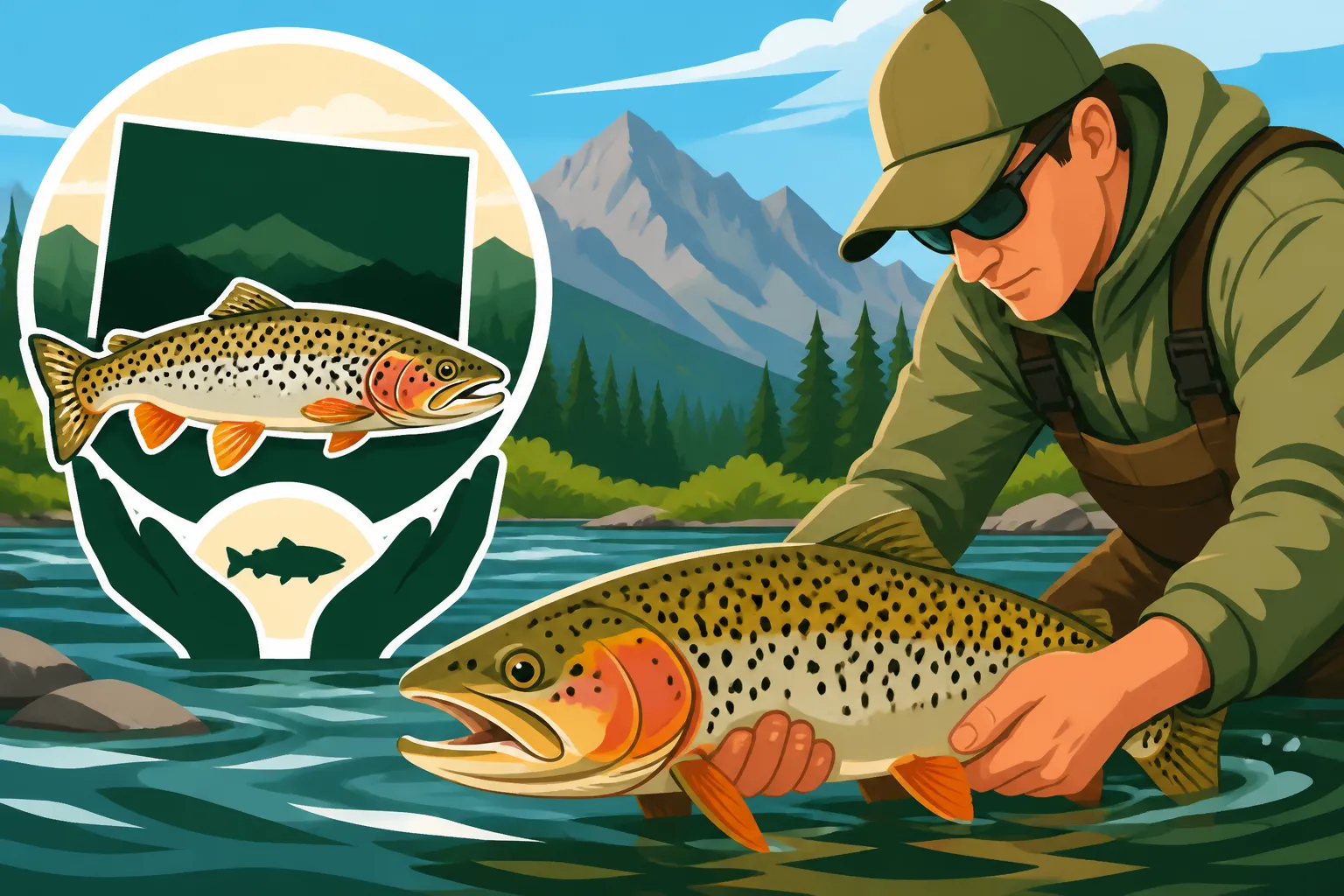
The most direct way anglers can help is by practicing responsible angling, especially in waters where native cutthroat might be present. This means embracing catch-and-release, using barbless hooks, and minimizing stress on the fish. Catch-and-Release Rules on Colorado's Cutthroat Waters offers specific guidance on best practices. When you handle a fish, do it quickly, keep it in the water as much as possible, and avoid touching its gills or eyes.
Even in waters not specifically designated for Greenback recovery, treating all cutthroat trout with care is important because misidentification can easily occur. Telling a Cutbow From a Pure Cutthroat can be incredibly tricky for even experienced anglers. A general rule of thumb: if it looks like a cutthroat and you’re not 100% sure, treat it as a native fish. Also, ensure you’re always up to date on Colorado Fishing Regulations Every Angler Should Know, as rules can change, especially around sensitive native fish populations.
Reporting Sightings and Suspected Hybrids
One of the most valuable contributions anglers can make is reporting unusual or suspected Greenback sightings, especially if you believe you’ve found a population in an unrecorded location. CPW relies on public input for crucial data. Conversely, if you suspect you've caught a hybrid cutthroat in a pure Greenback water, reporting this is also important. This information helps scientists track populations, understand their distribution, and identify potential threats.
It’s not about getting anyone in trouble; it’s about providing valuable data for conservation. When reporting, try to include details like the exact location, time of day, a description of the fish (including any photos if possible, keeping fish handling to a minimum), and the habitat. There are often online forms or contact numbers for CPW wildlife managers that allow you to submit these observations, making it easier than ever to contribute.
Supporting Conservation Organizations
Beyond direct actions on the water, supporting organizations dedicated to native fish conservation is another powerful way to contribute. Groups like Trout Unlimited, Wildlands Restoration Volunteers, and local fly fishing clubs often lead or support habitat restoration projects, advocate for protective policies, and provide critical funding for research and reintroduction programs.
This support can come in many forms: volunteering your time for a stream cleanup, making a financial donation, or simply becoming a member to lend your voice to conservation efforts. Many of these groups also offer educational resources, helping anglers learn more about native fish and responsible practices. You can often find books on stream restoration and conservation practices on Amazon that might inspire further involvement. Your passion for fishing can directly translate into tangible benefits for the Greenback and other native species.
Distinguishing Greenbacks: Identification and Misconceptions
One of the ongoing challenges for anglers and conservationists alike is the accurate identification of Greenback Cutthroat Trout. With so many different subspecies and hybrids present in Colorado, telling them apart can feel like solving a complex puzzle. But understanding the key characteristics is vital, especially when fishing in sensitive areas.
Key Physical Characteristics
Pure Greenback Cutthroat Trout, while sharing common cutthroat traits, have some subtle but distinct features. Generally, they tend to be smaller than many other cutthroat subspecies, often with a more olive-green body color that fades to a golden-yellow belly. Their spots are typically small, numerous, and concentrated mostly towards the tail and caudal fin, becoming sparser or absent towards the head. The "cutthroat slash" – the red or orange marking under the jaw – is usually present, often a vibrant orange or red, but can vary in intensity.
Their fins might have a more defined, rounded appearance compared to some other trout. However, color and spotting can vary depending on water chemistry, diet, and individual genetics, making visual identification less than a sure thing. This is why genetic testing is so crucial for scientific identification. For anglers, learning about Colorado's Native Cutthroat Trout Subspecies can help build a general understanding, but remember, visual cues are just part of the story.
The Challenge of Cutbows
The biggest headache for Greenback identification, especially in waters where both rainbow trout and cutthroat trout exist, is the "cutbow." A cutbow is a hybrid between a rainbow trout and any subspecies of cutthroat trout. These fish can display a mix of traits, sometimes looking more like a rainbow with a faint cutthroat slash, or more like a cutthroat with a prominent lateral band. Telling a Cutbow From a Pure Cutthroat is a topic that could fill a book on its own, given the variability!
The presence of cutbows is particularly problematic because they can further dilute pure Greenback genetics if they breed with them. From an angler's perspective, it means that even if you see a fish with a "cutthroat slash," it's not a guarantee of genetic purity. This is why, in Greenback recovery waters, all cutthroat-looking fish are often treated as potentially pure Greenbacks to err on the side of conservation, reinforcing strict catch-and-release.
Understanding Genetic Purity
Ultimately, true identification of a Greenback Cutthroat Trout boils down to genetic analysis. Scientists take a small fin clip, and DNA sequencing reveals the fish's exact genetic makeup, confirming whether it’s a pure Greenback, another cutthroat subspecies, a rainbow trout, or a hybrid. This is a level of precision that goes far beyond what any angler can achieve on the stream.
For the everyday angler, the takeaway here isn’t that you need to be a geneticist. It’s about understanding the inherent difficulty and adopting a conservation-first mindset. When you’re fishing in a high-country stream and encounter a cutthroat-looking fish, the safest and most responsible approach is to assume it could be a Greenback and treat it with the utmost care, ensuring a quick and safe release. It’s our collective responsibility to protect these incredible fish for future generations. For a broader overview of the various trout, you might consult Colorado's Trout Species, A Field Guide.
Here's a quick comparison of some common trout characteristics to help:
| Feature | Greenback Cutthroat Trout (Pure) | Rainbow Trout | Cutbow (Hybrid) |
|---|---|---|---|
| Coloration | Olive-green back, golden-yellow belly, can be silvery | Silvery sides, distinct pink/red lateral band | Variable, mix of both, often duller overall |
| Spots | Small, numerous, concentrated on tail, sparse towards head | Small, numerous, evenly distributed, often extend to head | Variable, scattered, might be denser or lighter |
| Cutthroat Slash | Prominent, vivid red/orange under jaw (can vary) | Absent | Usually present, but often faint, broken, or yellowish |
| Maxillary | Extends past eye | Typically ends at middle or back of eye | Variable, usually past eye |
| Caudal Fin | Often squarish, spots concentrated on fin | Forked or slightly emarginate, spots extend onto fin | Variable, can be squarish or slightly forked |
| Native Range | Eastern Slope of Colorado (Arkansas & South Platte drainages) | Pacific drainages (widely introduced) | Occurs wherever rainbows and cutthroat interbreed |
Disclaimer
This article is for general informational purposes only and does not constitute professional advice. Laws, prices and regulations vary by location and change over time. Consult a qualified professional for guidance on your specific situation.