Best Downrigger Depth for Lake Trout in Summer
Lake trout summer depths in Colorado reservoirs depend on thermocline layers, light penetration, and kokanee salmon forage locations.
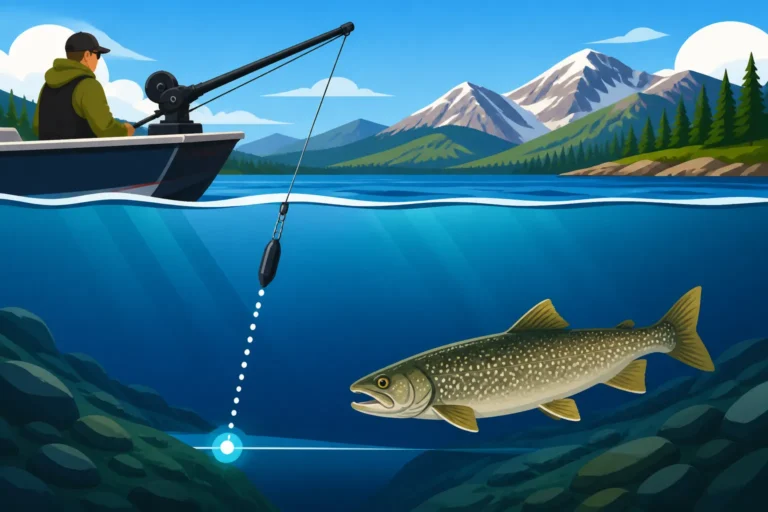
Lake trout summer depths in Colorado reservoirs depend on thermocline layers, light penetration, and kokanee salmon forage locations.
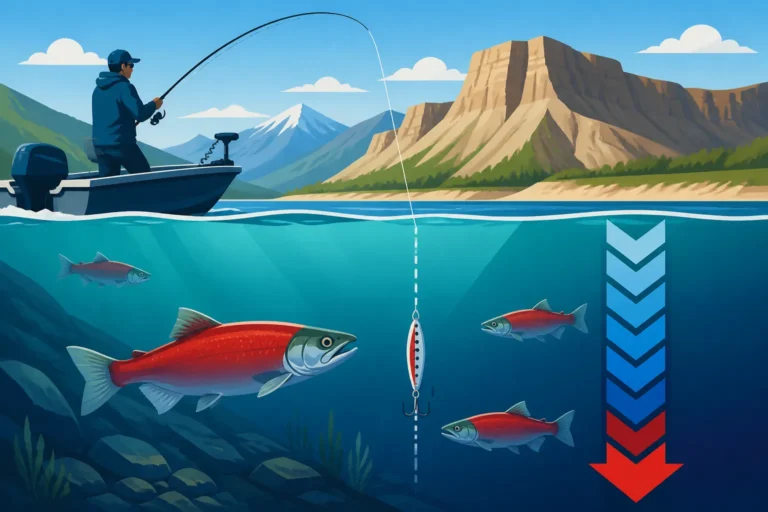
Kokanee depth ranges at Blue Mesa Reservoir, explaining seasonal water layers and daily temperature preferences for anglers.
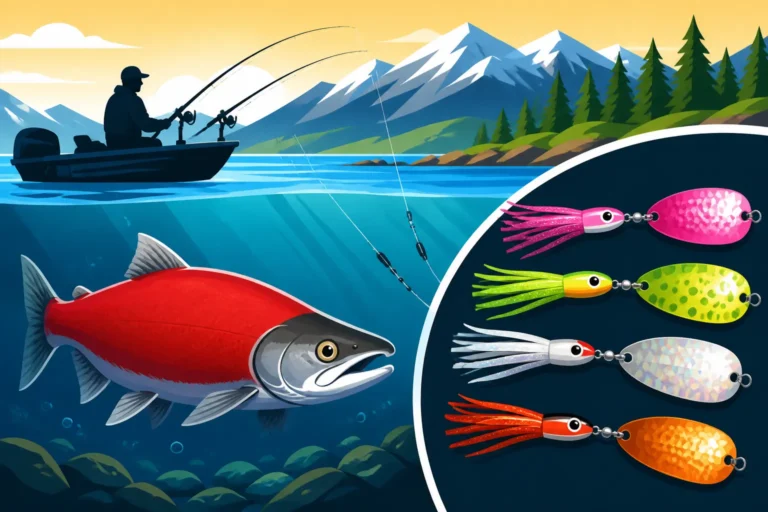
Kokanee salmon trolling strategies explain Colorado reservoir depths, water temperatures, and plankton feeding habits for successful fishing.
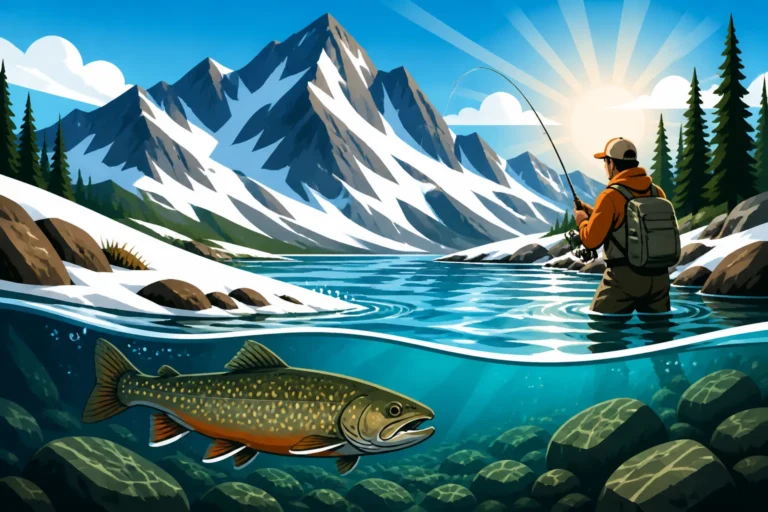
Colorado high alpine lakes above 11,000 feet thaw between late June and early July, creating short open water fishing seasons.
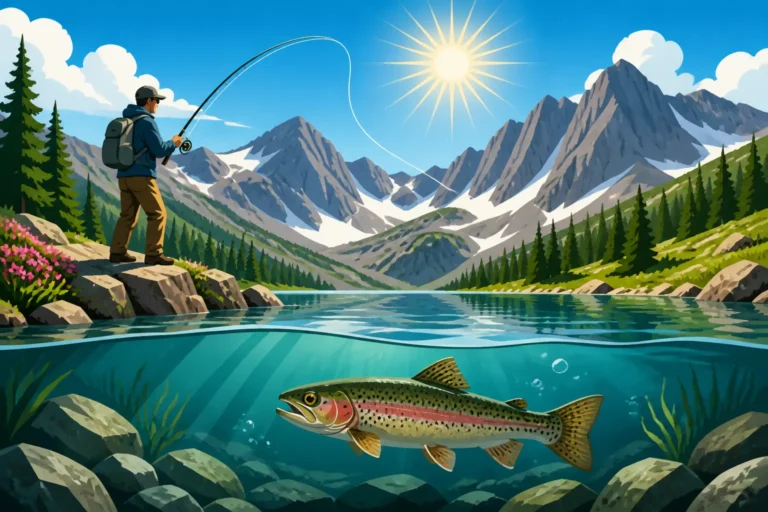
Colorado alpine lake fishing peaks from late July through August because warmer water above ten thousand feet makes trout active.
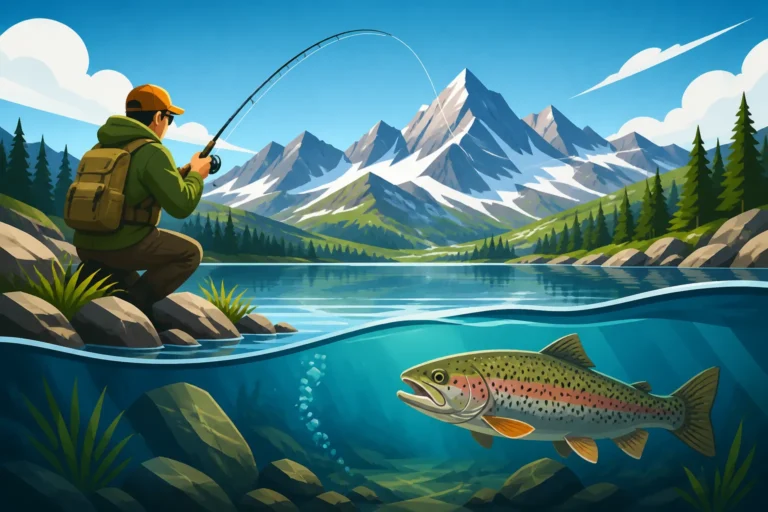
Altitude changes in oxygen levels, water temperatures, and atmospheric pressure explain trout behavior in Colorado lakes above 9,000 feet.
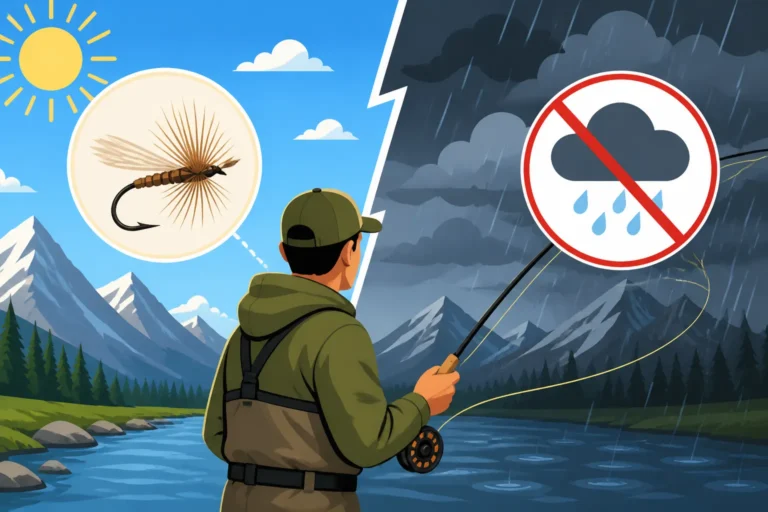
Colorado rain impacts on trout dry fly fishing, explaining light drizzle benefits and heavy downpour challenges for rivers.
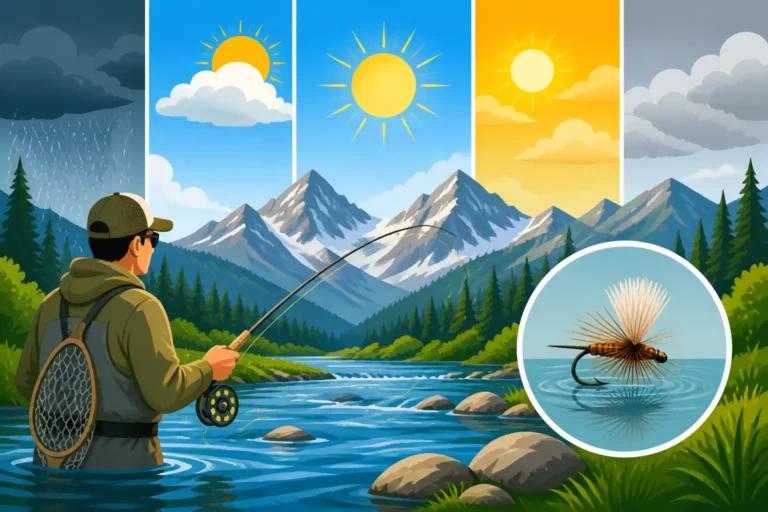
Colorado dry fly fishing weather conditions require water temperatures between 45 and 65 degrees Fahrenheit and ideal cloud cover.
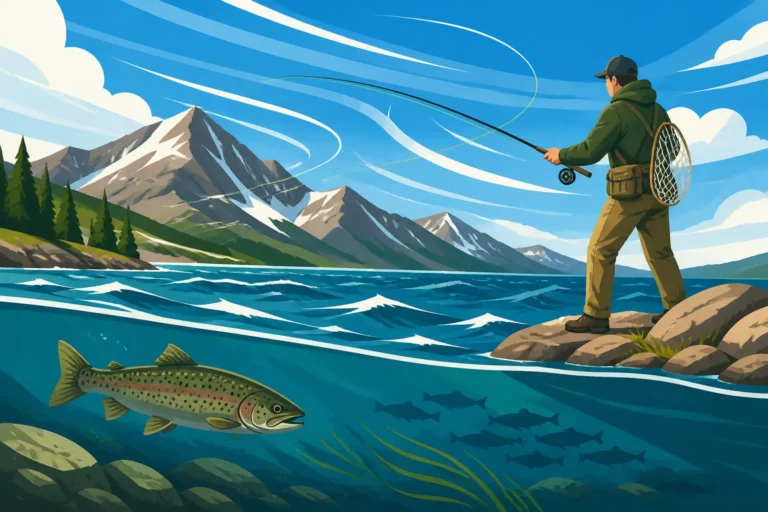
Wind affects high-altitude fishing in Colorado by creating casting challenges and delivering food to specific shorelines.
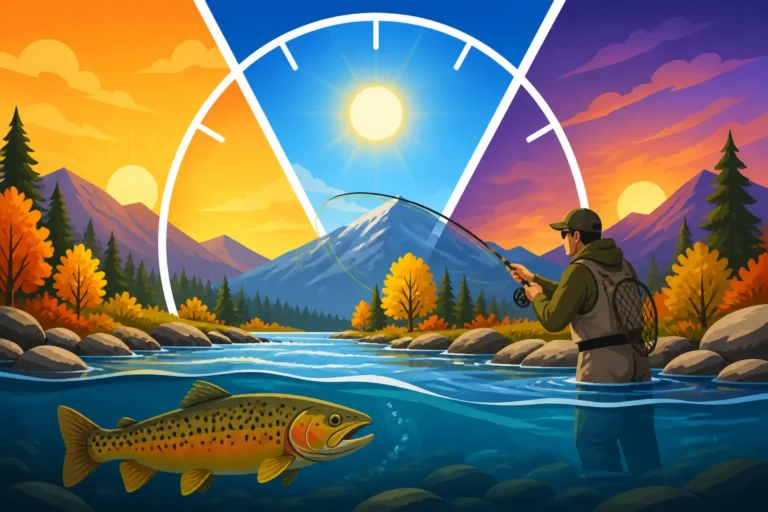
Colorado autumn streamer fishing timing, water temperatures, and clarity shifts help anglers catch large aggressive trout.