Channel Catfish in Colorado’s Warmwater Lakes
There's nothing quite like the thrill of feeling that powerful tug on your line, and in Colorado's often trout-centric fishing world, many anglers overlook one of our most accessible and hard-fighting species: the Channel Catfish. If you've ever felt frustrated trying to find a good spot for something other than trout, or you're just looking for a new challenge, then you've come to the right place. This guide will dive deep into everything you need to know about catching Channel Catfish in Colorado's warmwater lakes and reservoirs, from where to find them to what gear to use, ensuring your next outing is a resounding success.
Understanding Channel Catfish in Colorado's Waters
Channel catfish are often considered a "southern" fish, but they thrive in many of Colorado's warmwater impoundments. These feisty fish offer a fantastic angling experience, especially for those looking for a strong fight and a delicious meal. But before you can catch them, it helps to understand who they are and where they like to hang out.
Identifying Colorado Channel Catfish
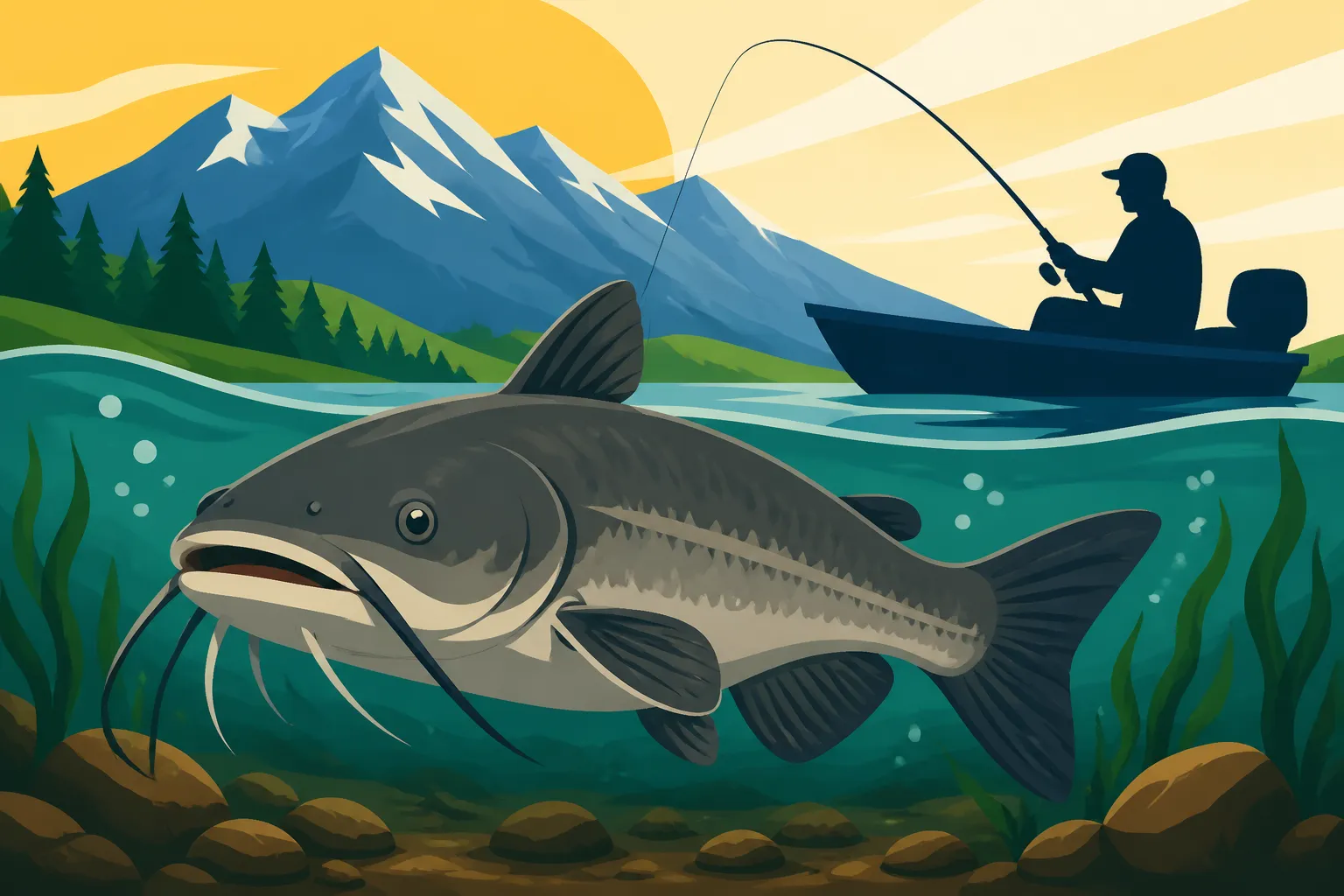
First things first, how do you know you've landed a Channel Catfish and not some other whiskered critter? Channel catfish have a distinct appearance that sets them apart. They typically boast a sleek, scaleless body, often ranging in color from olive green to brown on their backs, fading to silvery-white on their bellies. The most telling feature, of course, are their barbels – those prominent, whisker-like sensory organs around their mouths, which they use to forage for food in murky water.
Beyond the barbels, look for scattered dark spots along their sides, especially on younger fish, though these spots can fade on older, larger specimens. Their tail fin is deeply forked, much like a trout's, which is a key differentiator from other catfish species like bullheads, which have rounded or slightly notched tails. Understanding these key identification markers is crucial, not just for knowing what you've caught, but also for adhering to any species-specific regulations.
Preferred Habitats in Warmwater Lakes
Channel catfish are true connoisseurs of comfort, and in Colorado, that means they gravitate towards our warmwater lakes and reservoirs. Unlike the icy, oxygen-rich rivers that our beloved trout prefer, catfish thrive in waters with higher temperatures and often, murkier conditions. These are the sprawling, often man-made impoundments that dot the Front Range and extend across the Eastern Plains.
Think about areas with soft, muddy bottoms, submerged timber, rock piles, or old creek channels. These structures provide both cover from predators and ambush points for their prey. During the hotter months, you'll often find them cruising the shallower, warmer flats in the evenings or retreating to deeper, cooler channels during the brightest parts of the day. Understanding these preferences helps you pinpoint where to drop your line for the best chance of success. If you're wondering What Fish Live in Colorado's Warmwater Reservoirs, catfish are definitely at the top of the list for many anglers.
The Diet and Behavior of Channel Catfish
Channel catfish are opportunistic omnivores, meaning they aren't picky eaters. This is fantastic news for anglers because it opens up a wide array of bait choices. Their diet primarily consists of smaller fish, crustaceans like crayfish, insects, mollusks, and even plant matter. They have an incredibly keen sense of smell, which they use to locate food in low-light conditions or turbid waters, thanks to those prominent barbels.
Their behavior also shifts with the seasons. In warmer months, they are highly active, feeding aggressively throughout the day and especially at night. As water temperatures drop, their metabolism slows, and they become less active, often congregating in deeper holes or structures. This seasonal shift in behavior dictates when and where you should fish for them, making it essential to adapt your approach throughout the year. For more on what these fish love to eat, knowing Bait Fishing Techniques for Colorado Lakes is key.
Top Warmwater Lakes and Reservoirs for Catfish
Colorado boasts several excellent locations for targeting Channel Catfish. These spots offer consistent action and the chance to land some truly impressive fish. While trout get all the glory in the mountains, these lakes are where the catfish shine.
Front Range Hotspots for Channel Cats
Living on the Front Range, you don't have to travel far to find fantastic catfish action. Reservoirs like Chatfield, Cherry Creek, and Pueblo are legendary for their healthy populations of Channel Catfish. Fishing Chatfield Reservoir and Fishing Cherry Creek Reservoir offer prime opportunities, being conveniently located near Denver. These reservoirs often have extensive shallow flats that warm up nicely in the summer, creating ideal feeding grounds.
Anglers frequently report success along the dam faces, near submerged structures, or around the inlets where fresh water brings in food. During summer evenings, the shallower coves can be absolutely teeming with active catfish. These lakes are well-maintained and offer good amenities, making them popular choices for a day trip or even an evening session. Just remember to check for any specific park or access fees in addition to your fishing license.
Eastern Plains and Southern Colorado Catfish Havens
Venturing further east and south opens up even more incredible catfish opportunities. Lakes like John Martin Reservoir, Jackson Lake State Park, and Two Buttes Reservoir on the Eastern Plains are renowned for their trophy-sized Channel Catfish. These vast, open waters often hold tremendous amounts of baitfish, allowing catfish to grow to impressive sizes.
In Southern Colorado, Pueblo Reservoir continues to be a standout, offering diverse fishing for many species, including excellent catfishing. The longer, warmer seasons in these parts of the state mean a more extended period of active catfishing. These areas often require a bit more travel, but the potential reward of a personal best catfish is often worth the drive. Many local anglers have their secret spots along riprap banks or deep channels in these expansive reservoirs.
Urban Fishing Opportunities for Catfish
You don't always need to drive hours to find good catfishing. Colorado's urban fishing program, managed by Colorado Parks and Wildlife (CPW), stocks Channel Catfish in many community ponds and lakes within city limits, especially around the Denver Metro area. These are fantastic spots for a quick evening trip after work or a relaxed weekend outing with the family.
Ponds like Sloan's Lake, Berkeley Lake, and many others often receive regular stockings. While you might not find state-record breakers in these smaller waters, they provide incredibly accessible and consistent action, perfect for introducing kids to fishing or just getting a quick fix yourself. The key to these urban spots is often fishing during dawn or dusk, or even at night, when the fish are less pressured and more actively feeding. Check the weekly stocking reports from CPW for the most up-to-date information on which ponds have recently received catfish.
Essential Gear and Bait for Channel Catfish Fishing
When you're chasing Channel Catfish, you need gear that can handle their determined fights and baits that can cut through the water to reach their keen senses. Luckily, you don't need a super specialized setup to get started.
Rods, Reels, and Line for Catfish Duty
For Channel Catfish, you'll want a rod with a medium-heavy to heavy action, typically between 6.5 and 8 feet long. This kind of rod has enough backbone to set the hook firmly and muscle in a larger fish, but also enough tip flexibility to detect subtle bites. A good quality spinning rod or a baitcasting setup both work well, depending on your preference.
Pair your rod with a reliable spinning reel in the 3000-5000 size range, or a baitcasting reel capable of holding a decent amount of line. For line, a strong monofilament or braided line is ideal. Monofilament in the 10-20 lb test range offers good abrasion resistance and a bit of stretch, which can be forgiving. Braided line, in a similar test range (perhaps 20-30 lb), offers superior strength, sensitivity, and smaller diameter for its breaking strength, which can be a huge advantage in detecting those light bites. You can find excellent options for all these components on Amazon to suit any budget.
The Best Baits to Entice Channel Catfish
This is where the fun really begins! Channel catfish are not picky, which means you have a smorgasbord of choices. The absolute classics, and usually the most effective, are stinky baits. Think about chicken livers, cut bait (like pieces of shad, sunfish, or even hot dogs), or prepared stink baits. The stronger the odor, the better it seems to attract those barbels.
Beyond the classics, live or dead minnows, shrimp, crayfish, and even corn can be surprisingly effective. Some anglers swear by concoctions of their own creation, like blood baits or dough balls infused with strong scents. Experimentation is key; what works best on one lake might not be as effective on another. If you're wondering How to Rig a Nightcrawler for Walleye, that same technique can be deadly effective for catfish too. Keep a variety on hand and see what the fish are hitting on that particular day.
| Bait Type | Description & Scent Profile | Best Use | Tips for Rigging |
|---|---|---|---|
| Chicken Livers | Strong, distinct blood odor; soft texture. | All-around excellent bait, especially in warmer water. | Hook multiple times to keep it on. Can be messy! |
| Cut Bait | Pieces of oily fish (shad, bluegill, carp); strong natural scent. | Great for larger catfish; scent disperses well. | Use fresh or slightly spoiled fish. Skin-on helps keep it on the hook. |
| Prepared Stink Bait | Commercially made, often doughy or dip-style; highly pungent. | Convenient, consistent, often infused with specific attractants. | Use treble hooks or specialized bait holders for dip baits. |
| Shrimp | Raw, peeled or unpeeled; sweet, fishy aroma. | Effective, less messy than livers; good alternative. | Cut into smaller pieces for optimal hook coverage. |
| Nightcrawlers/Worms | Natural earthy scent; wiggly action. | Versatile, good for all sizes of catfish, and other species. | Thread multiple worms onto the hook for a fuller presentation. |
| Hot Dogs | Cooked meat scent; easy to acquire. | Simple, accessible bait for urban ponds or casual fishing. | Cut into coin-sized pieces. Can be soaked in garlic or Kool-Aid for extra kick. |
Rigging Strategies for Success
When it comes to rigging for Channel Catfish, simplicity often reigns supreme. The most common and effective setup is a basic Carolina rig or a slip-sinker rig. This involves threading an egg sinker onto your main line, followed by a bead (to protect your knot), and then tying on a swivel. To the other end of the swivel, you'll attach a leader (12-24 inches of fluorocarbon or monofilament, slightly lighter than your main line) and finally, your hook.
For hooks, consider a sturdy circle hook or an octopus hook in sizes ranging from 2/0 to 6/0, depending on the size of your bait and the fish you're targeting. Circle hooks are fantastic because they minimize gut-hooking, often resulting in a hook-up in the corner of the fish's mouth, which is great for healthy releases. When using circle hooks, resist the urge to "set" the hook; instead, just slowly reel in once you feel the fish taking the bait, and the hook will do the work. Remember, heavy weights like those available on Amazon can help keep your bait on the bottom in current or windy conditions.
Mastering Channel Catfish Techniques
Beyond just having the right gear, understanding how to approach catfishing is crucial. These aren't always the most aggressive biters, and their habits can change based on the time of day, season, and even the weather.
Day vs. Night Fishing for Catfish
One of the biggest distinctions in catfishing is the choice between fishing during the day and fishing at night. While you can certainly catch Channel Catfish during daylight hours, especially in murky water or on cloudy days, they truly become most active and aggressive after the sun goes down. This is because their superior sense of smell and barbels give them a distinct advantage in the dark, and they feel less exposed to predators.
Do Catfish Bite Better at Night in Colorado? Absolutely! Night fishing often yields larger fish and more consistent action. When fishing at night, consider using glow-in-the-dark sinkers or bobbers with lights to help you see your setup. Quiet is key – avoid bright lights directly on the water and keep movements to a minimum. If you're usually a daytime angler, giving night fishing a try might just open up a whole new world of catfishing excitement. The serene calm of a Colorado lake at night, punctuated by the splash of a hooked catfish, is an unforgettable experience. Night fishing tactics often overlap with those used when Night Fishing for Brown Trout in Colorado, focusing on low light and quiet approaches.
Reading the Water for Catfish Hotspots
Just like any other species, Channel Catfish aren't randomly distributed throughout a lake. They have preferred structures and areas where they congregate, often driven by food availability and comfort. Learning to "read the water" for catfish involves looking for those key features.
Look for areas with submerged cover: fallen trees, brush piles, old foundations, or even thick aquatic vegetation. Catfish love to hide in these spots, ambushing unsuspecting prey. Drop-offs, humps, and the edges of old creek channels are also prime locations, as fish will move between shallow feeding areas and deeper, cooler resting spots along these transition zones. Wind-blown banks can also be productive, as the wind pushes baitfish and other food sources towards these areas. Don't be afraid to cast around visible structure, but also use your knowledge of lake contours (many reservoirs have maps available online or at local tackle shops) to target invisible underwater features.
Seasonal Considerations for Catfish Angling
Channel Catfish behavior changes quite a bit throughout the year, primarily driven by water temperature.
- Spring (Pre-Spawn): As water temperatures begin to rise (usually in late April and May), catfish become very active. They'll be on the move, feeding heavily to bulk up for the upcoming spawn. Look for them in shallower areas warming up fastest, often near their eventual spawning grounds. This is a fantastic time for aggressive fishing.
- Summer (Spawn and Post-Spawn): Spawning typically occurs when water temperatures are consistently in the mid-70s, usually from late May through July. During the spawn itself, fishing can slow down as fish are focused on reproduction. Post-spawn, however, they become incredibly hungry and active again, making summer nights prime catfishing time. They'll often move to deeper holes during the hottest parts of the day, coming shallower to feed in the evenings and overnight.
- Fall: As water temperatures begin to cool, catfish will continue to feed heavily, packing on weight for the colder months. They might be found deeper during the day but will still move to shallower feeding flats, especially on sunny afternoons. Fishing remains good until the water gets truly cold.
- Winter: Does Catfish Fishing Slow Down in Cold Water? Yes, significantly. Catfish become much more lethargic in winter. They'll often congregate in the deepest, warmest holes of a lake and feed very sparingly. While you can still catch them, it requires a much more subtle approach and often longer waits. Ice fishing for catfish isn't unheard of, but it's not as common or productive as for other species like perch or walleye.
Understanding these seasonal patterns will help you adjust your locations and tactics for the best possible results.
Regulations and Responsible Angling Practices
As with any fishing in Colorado, it's essential to be aware of the rules and practice responsible angling to ensure healthy fish populations for years to come.
Colorado's Rules for Channel Catfish
Before you even wet a line, make sure you have a valid Colorado fishing license. Colorado Fishing License Guide for Residents and Nonresidents is a great resource to ensure you're legal. Channel Catfish are generally considered a "warmwater" species, and while they are often plentiful, it's crucial to know the specific bag and possession limits. These regulations can vary by specific body of water and might change annually.
The general statewide regulation for Channel Catfish is usually quite generous, often allowing for a good number of fish to be kept, but always double-check the current Colorado Bag and Possession Limits by Species in the official CPW fishing regulations brochure or online. This brochure is your ultimate authority on legal lengths, daily limits, and any special restrictions that might apply to the particular lake or reservoir you're fishing. Penalties for violating regulations can be steep, so always err on the side of caution.
Handling and Releasing Catfish Safely
Even if you plan to keep some Channel Catfish for dinner (and they are delicious!), practicing safe handling is important, especially for those you intend to release. While Channel Catfish don't have sharp teeth, they do have sharp pectoral and dorsal fins that can deliver a painful poke if you're not careful. Always handle them gently but firmly.
When landing a catfish, use a wet hand to grip them firmly across the back, just behind the head, or use a pair of fish-gripping pliers. Avoid holding them by the lower jaw if they are large and heavy, as this can cause damage. If you're using circle hooks, they typically hook the fish in the mouth, making release easier. If a fish is deeply hooked, it's often best to cut the line as close to the hook as possible rather than trying to remove the hook, especially if the fish is destined for release. Quickly return released fish to the water, ensuring they swim away strong.
Why Catching and Keeping Catfish Can Be Good
Beyond the sporting challenge, Channel Catfish also make for excellent table fare. Their meat is firm, white, and flaky, with a mild flavor that many find delicious. Unlike some fish, the taste of catfish is generally quite consistent, regardless of the water they come from, as long as the water is healthy. This makes them a great target for anglers who enjoy bringing home a meal.
Furthermore, in many Colorado warmwater lakes, Channel Catfish are a thriving, often abundant, species. Harvesting them responsibly helps manage populations and provides angling opportunities for everyone. Enjoying your catch is a great way to complete the fishing experience, providing fresh, locally sourced protein for your dinner table. Just remember to ice your catch immediately to maintain freshness and prevent spoilage.
Disclaimer
This article is for general informational purposes only and does not constitute professional advice. Laws, prices and regulations vary by location and change over time. Consult a qualified professional for guidance on your specific situation.