Where Colorado River Cutthroat Trout Still Live Natively
One of the biggest heartbreaks for a dedicated Colorado angler is casting into a pristine stream, hoping to find a truly wild, native trout, only to pull out another stocked rainbow. It's not that rainbows aren't beautiful, but there's a unique connection to the land and its history that comes with catching a fish that has been there for centuries, adapted to its specific corner of the Rockies. This guide is all about helping you understand where those resilient, indigenous Colorado River Cutthroat Trout still hold on, offering you insights into their dwindling native strongholds and how you can be a part of their future.
The Elusive Colorado River Cutthroat Trout: A Native Gem
Imagine a fish that has weathered millennia of change in the Rocky Mountains, evolving alongside the very rivers and streams that define this majestic landscape. That's the Colorado River Cutthroat Trout (CRCT). For anglers, these fish aren't just a catch; they're a living piece of Colorado's natural heritage, a testament to the wild spirit of our state. The frustration of trying to find these native beauties, often indistinguishable to the untrained eye from other trout, is very real. But with a little knowledge, you can begin to identify and appreciate these special fish.
A Brief Look at Their History and Importance
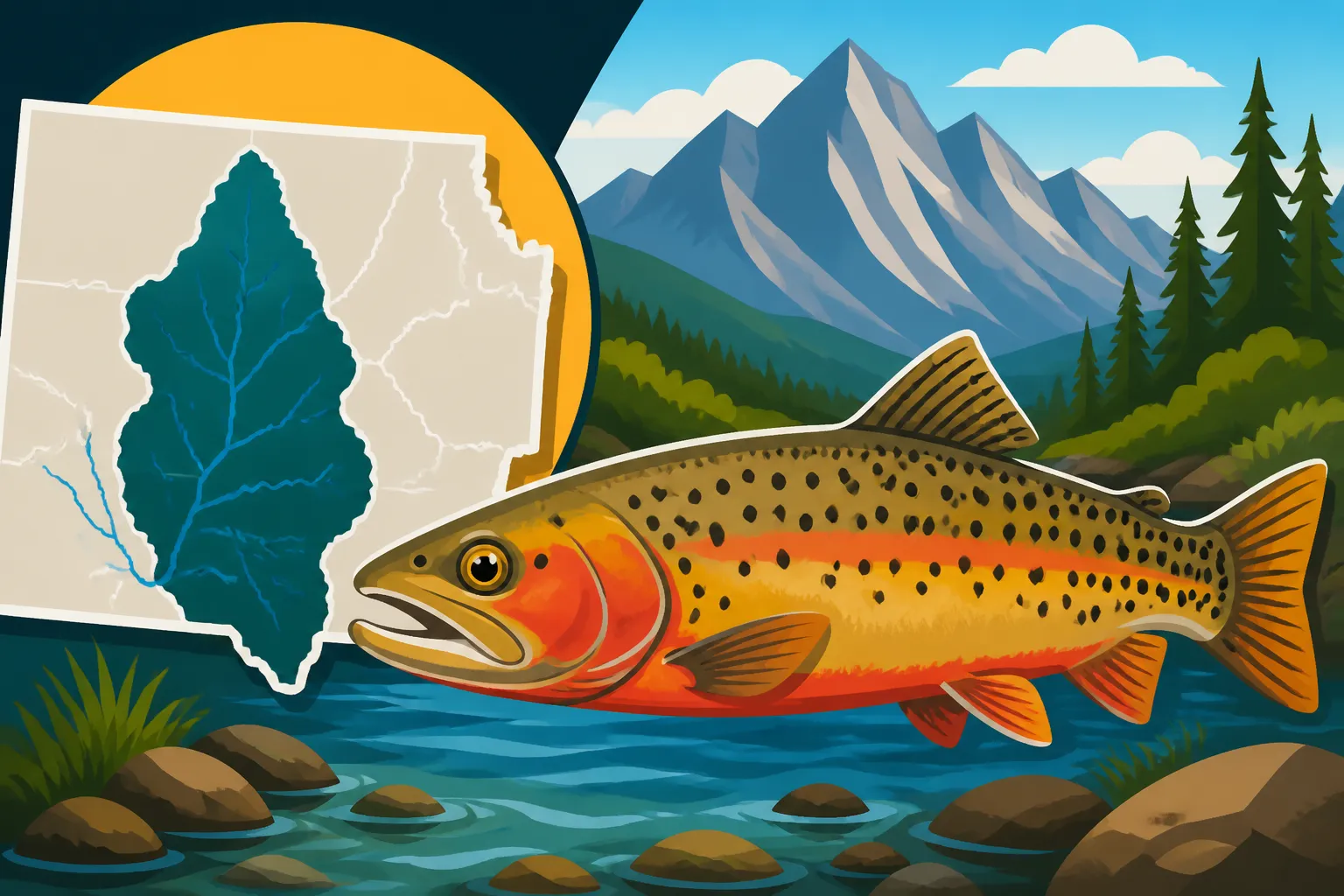
Historically, the Colorado River Cutthroat Trout ranged across a vast portion of western Colorado, stretching into parts of Wyoming, Utah, Arizona, and New Mexico. They were the dominant trout species in the tributaries of the upper Colorado River system, perfectly adapted to the varied conditions of high-alpine lakes, fast-flowing mountain streams, and even some larger river sections. Their survival depended on their ability to thrive in these often-harsh environments, a legacy of resilience that makes them incredibly important today.
However, the arrival of European settlers brought profound changes. Overfishing, habitat alteration from mining, logging, and agriculture, and most critically, the introduction of non-native trout species like rainbow trout, brown trout, and brook trout, devastated their populations. These introduced species outcompeted the native cutthroats for food and habitat, and in the case of rainbow trout, readily hybridized with them, diluting their genetic purity. This historical context is vital to understanding why finding pure strains of Colorado River Cutthroat Trout today is such a challenge and why their conservation is so critical. They are a keystone species in their native ranges, and their health is a strong indicator of the overall ecological health of these unique mountain ecosystems.
What Makes a Colorado River Cutthroat Unique?
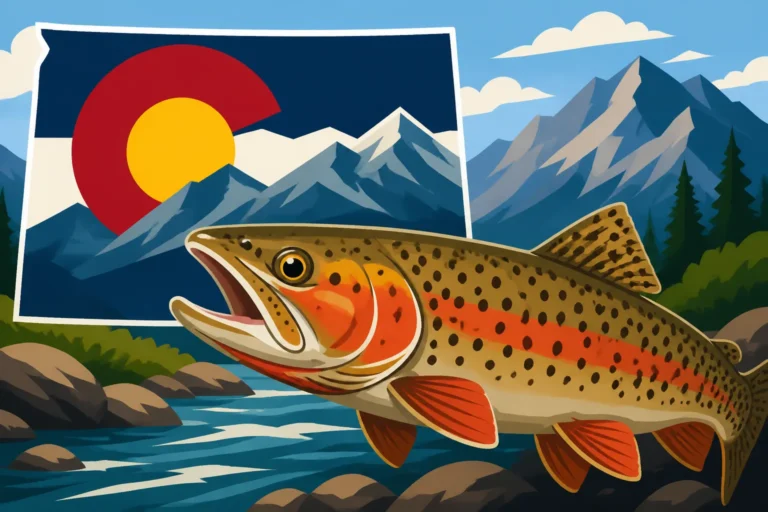
Identifying a Colorado River Cutthroat Trout can be a bit of a nuanced art, especially since many waters contain various trout species and even hybrids. However, there are some key characteristics that, once you learn to spot them, can help you distinguish these native gems. Generally, they have a beautiful, often vibrant coloration that can range from olive green to yellowish-brown on their backs, fading into silvery or yellowish sides, and sometimes a blush of rosy pink along their lateral line. Their bellies are typically white to yellowish.
The most distinctive feature, and the one that gives them their name, is the brilliant red or orange "cutthroat" slash along the underside of their jaw. While other cutthroat subspecies also have this, it's a critical marker for the species. Their spots are usually fine and evenly distributed, concentrated more towards the tail and less on the head or forward body, unlike the larger, more random spots often seen on brown trout. They also tend to have smaller scales than rainbow trout. Understanding How to Tell a Cutthroat From a Rainbow Trout is often the first step for many anglers keen on identifying these special fish. It’s not always easy, but taking the time to observe these features on a fish you catch can be incredibly rewarding, helping you to understand if you've found a true native or a more commonly stocked fish.
Where to Find Pockets of Pure Colorado River Cutthroat Today
Finding truly native populations of Colorado River Cutthroat Trout is like searching for hidden treasure – it requires effort, a bit of adventure, and a good understanding of where they've managed to cling on. These aren't the easily accessible, heavily stocked ponds you might hit with the family on a Saturday morning. Instead, you'll be looking at more remote, often challenging-to-reach locations where human impact and non-native fish introductions have been minimal.
Headwater Streams and Remote Alpine Lakes
The best places to find pure strains of Colorado River Cutthroat Trout are typically in the pristine headwater streams and remote alpine lakes nestled high in the Rocky Mountains. Think about those tiny trickles of water that seem insignificant on a map but hold incredible biodiversity. These secluded environments act as natural sanctuaries because they are often isolated by waterfalls or other barriers downstream, preventing non-native fish from migrating upstream and hybridizing with the cutthroats. The harsh conditions, including cold temperatures, short growing seasons, and nutrient-poor waters, also favor the well-adapted native species over introduced ones.
Accessing these areas often means significant hiking, sometimes off-trail, into wilderness areas. You might be looking at miles of trekking through varied terrain, often gaining substantial elevation. While challenging, the reward of fishing in a truly wild landscape, with only the sounds of nature and the possibility of catching a genetically pure native trout, is unparalleled. Anglers looking to explore these rugged areas should be prepared with appropriate backpacking gear, including navigation tools, and perhaps even check out essential items on Amazon for their trip, from lightweight tents to durable wading boots.
Specific Watersheds Known for CRCT Presence
While giving away exact GPS coordinates of native trout populations would be counterproductive to their conservation, we can talk about the types of areas and broader regions where these fish still thrive. The Colorado River basin itself, particularly its upper reaches and many of its tributary drainages in the state's western and northwestern portions, is where the Colorado River Cutthroat Trout historically made its home.
Within this vast area, conservation efforts by Colorado Parks and Wildlife (CPW) have focused on identifying, protecting, and restoring pure populations in specific isolated drainages. These often include streams in designated wilderness areas, national forests, and sometimes even within the boundaries of state parks or national recreation areas where specific management plans are in place to prioritize native fish. Areas within the White River National Forest, the Routt National Forest, and certain parts of the Grand Mesa National Forest might contain suitable habitat. When you're planning a trip, familiarizing yourself with Colorado's Trout Species, A Field Guide can help you recognize the subtle differences between the various cutthroat subspecies and other trout you might encounter. Always consult the latest CPW regulations and resources, such as the Colorado Fishing Atlas Shows You, which can sometimes indicate waters managed for native species, though often without pinpointing exact locations for protection reasons.
Navigating Regulations and Ethical Angling for Native Trout
Fishing for native trout, especially a species as precious as the Colorado River Cutthroat Trout, comes with a heightened sense of responsibility. It's not just about catching fish; it's about being a steward of a fragile natural resource. Understanding and adhering to specific regulations and embracing ethical angling practices are paramount to ensuring these populations continue to exist for future generations. It’s also important to remember that these regulations are constantly reviewed and updated, so checking the current rules before you head out is non-negotiable.
Understanding Catch-and-Release and Special Rules
For almost all native trout populations, including the Colorado River Cutthroat, catch-and-release fishing is not just encouraged, but often legally mandated. This is because these populations are often small, isolated, and highly vulnerable. Every single fish is vital to the genetic viability and long-term survival of the stream. When you're fishing in designated native cutthroat waters, expect strict rules designed to minimize fish mortality. This typically includes requiring barbless hooks, which make it much easier to release a fish without causing significant damage. Many of these waters also mandate the use of artificial flies and lures only, prohibiting natural baits that can lead to deeper hooking and higher mortality rates.
It's a common frustration to want to take a fish home, especially after a long hike into a remote area, but for these special waters, the reward is in the experience and the release. Always double-check the most current Colorado Fishing Regulations Every Angler Should Know or specifically the Reading Colorado's Fishing Regulations Brochure for the exact water you plan to fish, as rules can vary even between adjacent streams. Learning about Catch-and-Release Rules on Colorado's Cutthroat Waters and why practices like using Barbless Hook Rules on Colorado Rivers are so critical will prepare you for a responsible and rewarding trip.
Gear and Tactics for Success (and Conservation)
When targeting native cutthroat trout in their remote, high-country strongholds, your gear and tactics need to be appropriate for both the environment and the delicate nature of the fish. Lightweight, packable gear is essential for those long hikes. A smaller, lighter fly rod (think a 2- or 3-weight) or an ultralight spinning rod is often perfect for the small streams and tight casting conditions you'll encounter. For flies, patterns that imitate local insects like small dries (Elk Hair Caddis, Parachute Adams) or tiny nymphs (Copper John, Pheasant Tail) are usually effective. If you’re a spin angler, small inline spinners or tiny spoons can work, but again, ensure they have barbless hooks. Finding these specific items can be done by searching "ultralight fishing gear" or "barbless hooks" on Amazon to ensure you're getting the right equipment.
Beyond the gear, your approach matters. Native cutthroat in these isolated areas are often less pressured than trout in more accessible waters, but they can still be skittish due to clear, shallow water. Move slowly and deliberately, especially when approaching the bank. Short, accurate casts are often more effective than long, showy ones. Most importantly, practice proper fish handling: minimize the time the fish is out of water, keep your hands wet when touching it, and use a net designed for catch-and-release (like a rubber-mesh net) to protect their slime coat and fins. Every effort you make in handling these fish correctly contributes directly to their survival.
The Ongoing Fight for Native Cutthroat Survival
The journey of the Colorado River Cutthroat Trout from widespread dominance to isolated pockets of pure strains is a stark reminder of humanity's impact on nature. However, it's not a tale without hope. Dedicated conservationists, state agencies, and passionate anglers are all working tirelessly to ensure these incredible fish continue to grace our Colorado waters. Understanding the challenges they face and knowing how you can contribute is a vital part of being a responsible angler.
Threats to Colorado River Cutthroat Trout
The threats to Colorado River Cutthroat Trout are complex and multifaceted, primarily stemming from historical and ongoing human activities. One of the most significant dangers is hybridization with rainbow trout. Rainbows were widely stocked across Colorado, and when they reproduce with native cutthroats, the resulting "cutbows" dilute the genetic purity of the native species. This is why isolation is so critical for the surviving pure populations. Another major threat is habitat loss and degradation. Activities like mining, logging, grazing, and development can alter stream flows, increase sedimentation, raise water temperatures, and remove vital riparian vegetation, all of which negatively impact the sensitive cutthroat.
Furthermore, competition with non-native species like brown trout and brook trout is a constant pressure. These species often outcompete cutthroats for food and spawning habitat, further pushing native populations to the brink. Climate change also presents a growing threat, as warmer water temperatures and altered precipitation patterns can reduce suitable habitat and increase stress on these cold-water fish. Learning about these challenges helps put into perspective the efforts being made, similar to the story of How the Greenback Cutthroat Is Recovering in Colorado, which faced many of the same issues.
Conservation Efforts and How Anglers Can Help
Thankfully, significant conservation efforts are underway to protect and restore Colorado River Cutthroat Trout populations. Colorado Parks and Wildlife (CPW) leads many of these initiatives, including identifying and protecting genetically pure populations, removing non-native fish from specific drainages (sometimes through intensive electroshocking or chemical treatments, followed by restocking with pure cutthroats), and habitat restoration projects that improve stream health and connectivity. They also operate hatcheries that raise pure-strain cutthroats for stocking into rehabilitated waters, carefully sourced from native populations.
As anglers, our role is crucial. First, always purchase a Colorado Fishing License Guide for Residents and Nonresidents and a Colorado's Habitat Stamp, Explained. The funds generated from these purchases directly support CPW's conservation work, including native trout programs. If you're wondering What You're Actually Paying for in a Colorado Fishing License, it's vital conservation efforts like these. Second, practice impeccable catch-and-release techniques in native trout waters, as discussed earlier. Third, report any sightings of what you believe to be pure native cutthroats, or any unusual fish mortalities, to CPW. Finally, educate yourself and others about the importance of these fish. By being informed and responsible, we can all contribute to the long-term survival of the magnificent Colorado River Cutthroat Trout.
| Feature / Consideration | Native Colorado River Cutthroat Trout Habitat | General Stocked Trout Habitat |
|---|---|---|
| Location | Remote, high-elevation headwater streams, alpine lakes | Easily accessible rivers, reservoirs, urban ponds |
| Access | Often requires significant hiking, off-trail navigation | Close to roads, parking, developed access points |
| Water Quality | Pristine, cold, clear, often oxygen-rich | Variable, can be impacted by runoff, warmer temperatures |
| Fish Density | Lower density, smaller fish populations | Higher density, frequent stockings |
| Primary Food Source | Native aquatic insects, terrestrial insects, small forage | Pellet-fed from hatchery, adaptable to local food sources |
| Regulations (Typical) | Catch-and-release, artificial flies/lures only, barbless hooks | Variable, often allows bait, retention limits, general rules |
| Genetic Purity | High likelihood of pure strains, target of conservation | High likelihood of hybrids (cutbows) or non-native species |
| Conservation Focus | Protection, restoration, genetic preservation | Recreational angling, put-and-take fisheries |
Disclaimer
This article is for general informational purposes only and does not constitute professional advice. Laws, prices and regulations vary by location and change over time. Consult a qualified professional for guidance on your specific situation.