How Big Smallmouth Bass Get in Colorado
If you've spent any time casting a line in Colorado, you know the thrill of a hard-fighting fish. While our state is famous for its incredible trout, there's a whole other world of angling awaiting those who seek out warmwater species, and few offer a more tenacious battle than the smallmouth bass. Many anglers wonder just how big these bronzebacks get in our high-altitude waters. This guide dives deep into what you can realistically expect when targeting smallmouth in Colorado, from the average size to the elusive giants, and how to improve your chances of hooking into a true trophy.
What to Expect: Average and Trophy Smallmouth Bass Sizes in Colorado
It's easy to look at national fishing magazines or online forums and see pictures of monster smallmouth bass from places like the Great Lakes or deep southern reservoirs. And while Colorado has some truly fantastic smallmouth fishing, it's important to set realistic expectations. Our environment is unique, and it plays a huge role in the growth patterns of these feisty fish.
The Typical Colorado Smallmouth Catch
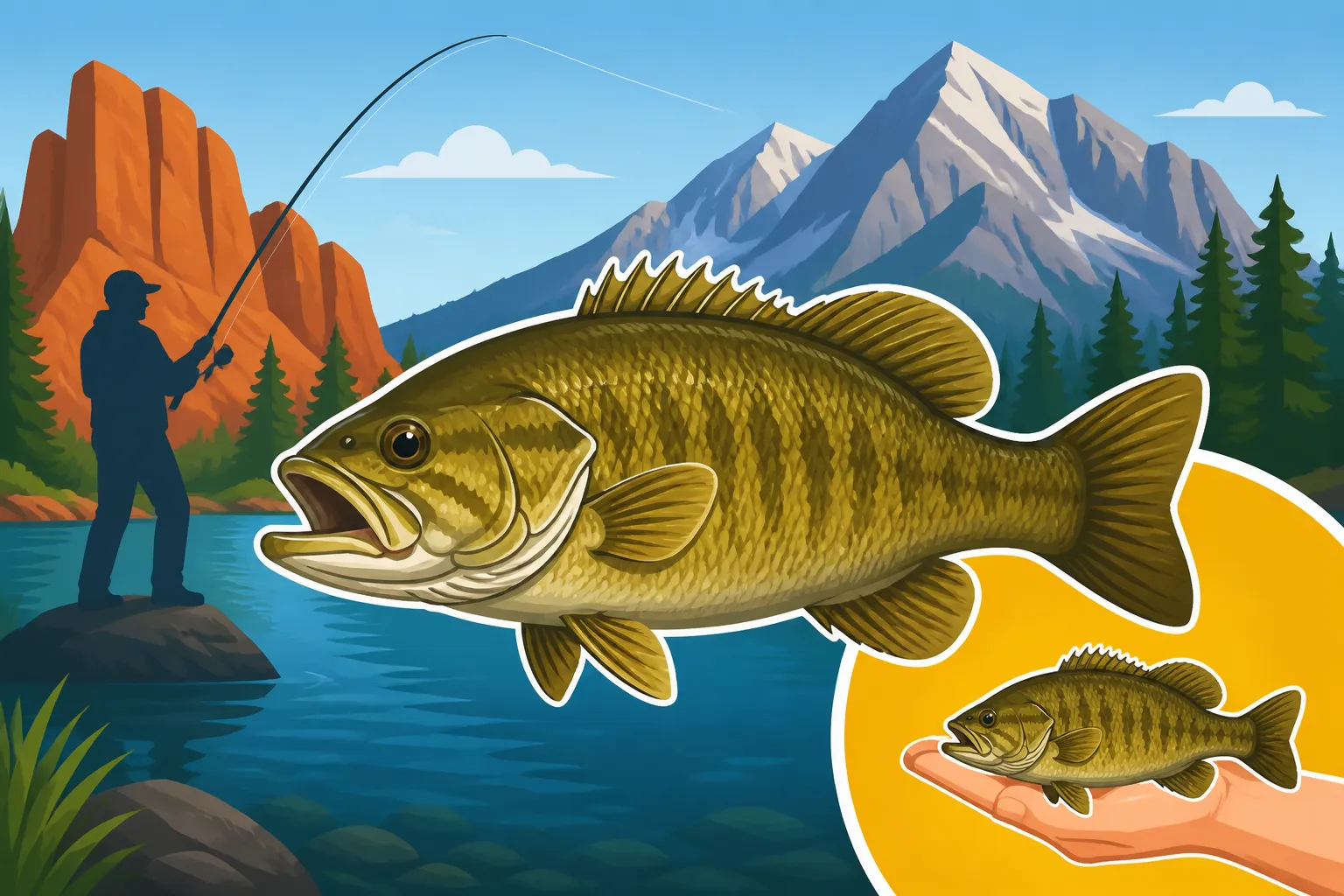
When you head out to a lake or river known for smallmouth in Colorado, what's most likely to end up in your net? For the average angler, most of the smallmouth bass you'll encounter will fall into the 10 to 14-inch range. These are robust, healthy fish that put up an incredible fight on light tackle, often leaping clear of the water and diving for cover with surprising power. They’re fantastic fun, and a stringer of these makes for a memorable day.
Why this size? Well, Colorado's growing season for warmwater fish isn't as long or as consistently warm as in states further south. Smallmouth bass thrive in clear, cool water, but they also need ample warmth to grow quickly and consistently. Our typically shorter, milder summers mean that it simply takes longer for a smallmouth to reach larger sizes here. Plus, many of our smallmouth populations are sustained through stocking programs, and while these fish are hardy, they might not always reach the same top-end sizes as their wilder, long-established cousins in other regions. Don't let the average size deter you, though. A 12-inch smallmouth bass in Colorado fights like a fish twice its size, making every hookup an exciting adventure.
The Hunt for a "Colorado Giant" Smallmouth
Now, if you're like me, you're not just looking for a good time; you're also chasing that personal best, that truly memorable fish. So, what about the "giants"? In Colorado, a smallmouth bass truly starts to enter "trophy" territory when it hits the 16-inch mark. Fish in the 18 to 20-inch range are considered exceptional and are truly the fish of a lifetime for many local anglers. Anything above 20 inches is a phenomenal catch, pushing into the realm of potential state records.
Catching one of these larger smallmouth isn't just about luck; it's about strategy, persistence, and knowing where to fish. These bigger fish are older, wiser, and have survived multiple seasons. They've learned to avoid obvious presentations and often hold in more challenging, deeper structures. They require different tactics and a good understanding of their habits. While Colorado might not produce the sheer numbers of 5-pounders that some southern states do, the quality of a 4-pound Colorado smallmouth feels incredibly earned. It's a testament to patience and angling skill. To see what the true giants look like, you might want to look at Colorado's State Record Fish, Species by Species to understand the potential.
Environmental Factors That Shape Smallmouth Bass Growth
Smallmouth bass are incredibly adaptable, but their growth rate is significantly influenced by the environment they call home. In Colorado, specific factors play a crucial role in how big these fish can get. Understanding these can help you pinpoint the best waters and times to chase a trophy.
Water Temperature and Growing Seasons
Colorado's climate, with its distinct seasons and often cooler water temperatures, is arguably the biggest limiting factor for smallmouth bass growth. Unlike their cousins in the southern U.S. that enjoy long, warm growing seasons, our smallmouth have a shorter window each year where water temperatures are consistently warm enough for optimal feeding and metabolism.
During our high country summers, even some of our "warmwater" reservoirs don't reach the scorching temperatures found in lowland lakes. Smallmouth prefer cooler, clear water than largemouth, but they still need that warmth for growth spurts. When the water cools down, their metabolism slows, and they feed less aggressively, which directly impacts how quickly they add size. Lakes and reservoirs that retain warmth deeper into the fall and warm up earlier in the spring often produce larger fish simply because they offer an extended feeding period. This is why you'll often find bigger fish in deeper reservoirs where thermal stratification allows them to find their ideal temperature range even when surface temps fluctuate. Thinking about Colorado Fishing Seasons Month by Month can help you time your trips.
Forage Base and Diet Availability
Just like any growing creature, smallmouth bass need to eat, and they need to eat well to get big. The availability of high-quality forage is paramount. In Colorado, smallmouth bass primarily feast on crayfish, various minnow species (like shiners and dace), and aquatic insects. A rich, diverse forage base in a specific body of water can drastically accelerate growth rates.
Imagine a reservoir like Pueblo or Chatfield that not only has good smallmouth habitat but also boasts a thriving population of crayfish. These crusty critters are like protein shakes for bass, packed with calories that help them pack on pounds. Similarly, a lake with abundant schools of baitfish provides an easy, consistent food source. Conversely, waters with limited food sources, or those where smallmouth have to compete heavily with other predatory fish like Walleye Fishing in Colorado or Northern Pike Fishing in Colorado, might produce more numerous but smaller fish due to the competitive pressure on the available forage. When fishing, paying attention to what the local smallmouth are eating can be a huge advantage.
Habitat and Water Quality
Smallmouth bass are particular about their homes. They thrive in clear, cool water with plenty of rocky structure – think boulders, ledges, submerged timber, and gravel bars. These features aren't just for show; they provide crucial ambush points for hunting prey and offer protection from predators and harsh sun. Waters with excellent, diverse habitat allow smallmouth to live efficiently, expending less energy to find food and shelter, thus channeling more energy into growth.
Good water quality is also non-negotiable. Smallmouth are sensitive to poor water conditions, preferring clean, well-oxygenated environments. Reservoirs and rivers that maintain high water quality tend to have healthier fish populations overall, including larger, more robust smallmouth. For instance, sections of the Colorado River system offer fantastic rocky structure and clear water that smallmouth love. Understanding how to use resources like Reading Colorado's Fishing Atlas to Plan a Trip can help you scout for these prime habitat zones.
Prime Locations for Larger Smallmouth Bass in Colorado
While smallmouth bass are found in many Colorado waters, some locations consistently produce larger, more impressive specimens. Knowing where to focus your efforts can make all the difference in your quest for a trophy bronzeback.
Reservoirs Known for Quality Smallmouth
When it comes to smallmouth fishing in Colorado, our larger reservoirs are often the best bet for finding bigger fish. These expansive bodies of water offer the depth, varied structure, and often a stable forage base needed for bass to grow.
Pueblo Reservoir: Down in Southern Colorado, Pueblo Reservoir is often heralded as one of the state's premier smallmouth fisheries. It's got everything they love: clear water, deep rocky points, submerged humps, and a healthy population of crayfish. Anglers consistently pull out smallmouth in the 15- to 18-inch range here, with larger fish being a real possibility. The sheer size of Pueblo means there's always new water to explore, and the fish have ample room to grow without excessive pressure in any single spot.
Horsetooth Reservoir: Near Fort Collins, Horsetooth is another excellent choice. Its deep, clear, and rocky characteristics make it ideal smallmouth habitat. While it can get busy, especially in summer, the smallmouth here are known for their strong fighting spirit and respectable size. Horsetooth offers great opportunities for boat anglers to target offshore structures, as well as some quality bank fishing in accessible coves and rocky areas.
Chatfield Reservoir and Cherry Creek Reservoir: For those closer to the Denver metro area, both Fishing Chatfield Reservoir and Cherry Creek Reservoir offer good smallmouth fishing. While perhaps not consistently producing the biggest fish as Pueblo or Horsetooth, they still hold healthy populations of smallmouth that can surprise you. These lakes are excellent proving grounds for learning smallmouth tactics, and a 14- to 16-inch fish here is a very respectable catch. They're also convenient for a quick trip, and you can often find good structure along the dams or riprap shorelines. Best Fishing Lakes Near Denver, Colorado will give you more ideas for local spots.
Navajo Reservoir: Straddling the Colorado-New Mexico border, Navajo Reservoir is a truly massive body of water with incredible potential. It's renowned for its deep, clear waters and extensive rocky habitat, which supports a fantastic smallmouth population. Anglers often find that fish from Navajo are exceptionally fat and healthy, a testament to the reservoir's rich ecosystem. The remote nature of some of its arms means less pressure on certain areas, allowing fish to grow larger.
Riverine Smallmouth Opportunities
While reservoirs often get the spotlight for big smallmouth, don't overlook Colorado's rivers. Sections of various rivers across the state offer a different, but equally exciting, smallmouth experience. River smallmouth tend to be exceptionally strong due to constantly fighting current, even if their average size might be slightly smaller than their lake-dwelling counterparts.
Colorado River (Lower Sections): As the Colorado River flows out of the mountains and into the western slope, sections start to warm up and develop the kind of rocky, current-laden habitat that smallmouth love. Areas near Grand Junction and beyond can offer fantastic opportunities. Look for eddies, current seams behind large boulders, and areas where feeder creeks enter the main river. These fish often strike aggressively and use the current to their advantage, making for a thrilling battle.
Yampa River: In parts of the Yampa River, particularly around Steamboat Springs and downstream, you'll find smallmouth thriving alongside trout. The Yampa's varied flows and rocky sections create perfect ambushing spots. Wade fishing with light spin gear or even a fly rod can be incredibly productive here, especially during the warmer months when the smallmouth are actively feeding.
White River: In northwestern Colorado, the White River also holds promising smallmouth populations. Similar to the Colorado and Yampa, focus on areas with current breaks, deep pools, and rocky banks. These river fish, while perhaps not reaching the absolute maximum size of a reservoir smallmouth, offer a unique challenge and an exhilarating fight. They're often streamlined and muscular, embodying the spirit of a true river predator.
Strategies to Increase Your Chances for a Trophy Smallmouth
Catching bigger smallmouth bass isn't just about showing up at the right lake; it's about employing the right strategies. Trophy fish are older, wiser, and often more elusive. Here's how you can tip the odds in your favor.
Lure Selection and Presentation for Big Bass
Big smallmouth didn't get big by being careless. They're opportunistic predators, but they're also efficient. This means they often prefer a substantial meal that offers a good caloric return for the energy expended in catching it.
- Go Bigger (within reason): While smaller jigs and spinners will catch plenty of average fish, don't be afraid to throw larger profile baits when targeting a trophy. Crankbaits in sizes traditionally used for largemouth, hefty jerkbaits that mimic a good-sized minnow, or swimbaits can entice a big smallmouth that's looking for a significant meal.
- Crayfish Imitations: Crayfish are a primary food source for big smallmouth. Soft plastic creature baits, jig-and-trailer combos, or lipless crankbaits in colors like brown, green pumpkin, or watermelon red that mimic crayfish are absolute killers. Work them slowly along rocky bottoms, making them "hop" and "crawl" as a crayfish would. You can find a huge variety of these specialized baits on platforms like Amazon, ready to ship to your door.
- Deep Water Jigs: Large tube jigs or football head jigs with soft plastic trailers are excellent for probing deep rock piles and ledges where big smallmouth often reside. A slow, grinding retrieve that keeps the bait in contact with the bottom can be incredibly effective.
- Topwater (in specific conditions): Don't forget topwater lures, especially at dawn, dusk, or on overcast days. Larger walking baits or poppers can trigger explosive strikes from big smallmouth, particularly when they're actively feeding on the surface or pushing baitfish shallow.
Remember, presentation is key. Don't just cast and retrieve. Think about what the lure is imitating and how a real prey item would behave. Subtle twitches, long pauses, and varying retrieve speeds can make all the difference.
Understanding Seasonal Movements and Patterns
Smallmouth bass are creatures of habit, and their habits change with the seasons. Dialing into these patterns will significantly increase your success.
- Spring (Pre-Spawn and Spawn): As water temperatures rise into the 50s and 60s, smallmouth move shallower. This pre-spawn period is a fantastic time for big fish, as they're actively feeding to build energy for spawning. Look for them on rocky points, shallow flats adjacent to deep water, and riprap banks. During the actual spawn (when water hits the mid-60s), they'll be on beds, often visible in clear, shallow areas. While catching them off beds is possible, many anglers choose to leave them undisturbed to protect the population.
- Summer (Post-Spawn and Mid-Summer): After the spawn, smallmouth often retreat to deeper, cooler waters, particularly during the heat of the day. They'll relate to offshore humps, deep rock piles, ledges, and submerged timber. Early morning and late evening can see them move shallower to feed. Trolling or deep jigging can be highly effective during this time.
- Fall (Feeding Frenzy): As water temperatures begin to drop in the fall, smallmouth enter a period of aggressive feeding to bulk up for winter. This can be one of the absolute best times for trophy smallmouth. They often school up and actively chase baitfish. Look for them around points, channel swings, and ledges. Crankbaits, jerkbaits, and even larger spoons can be deadly.
- Winter (Deep and Slow): Winter fishing for smallmouth in Colorado is challenging but not impossible. They'll be deep, often in large schools, and their metabolism will be slow. Vertical jigging with small spoons or slow-moving jigs over deep structure is your best bet. Patience is absolutely crucial.
Gear and Technique Considerations
Having the right equipment won't guarantee a trophy, but it will certainly improve your chances and make the fight more manageable.
- Rod and Reel: A medium-heavy spinning or casting rod, 6'6" to 7'6" in length, with a fast action tip offers the sensitivity to detect subtle bites and the backbone to fight big fish. Pair it with a smooth reel spooled with quality line.
- Line Choice: Fluorocarbon line (8-12 lb test) is excellent for smallmouth due to its low visibility and sensitivity, which is vital in clear Colorado waters. If fishing around heavy cover, consider a braided main line with a fluorocarbon leader for added strength and abrasion resistance.
- Stealth: Smallmouth bass in clear waters are incredibly wary. Make long casts, approach quietly, and avoid splashing or loud noises. Often, the first few casts into an untouched spot are your best chance at a big fish.
- Patience and Persistence: Trophy smallmouth don't come easy. Be prepared to put in the time, experiment with different presentations, and move around until you find them. A deep understanding of Spin Fishing Techniques for Colorado Trout can also be adapted to smallmouth, focusing on casting accuracy and working structure. For specialized gear like fish finders or specific rod and reel combos, checking online retailers like Amazon can provide a wide selection.
- Know the Regulations: Always be aware of the specific regulations for the water you're fishing, including bag and possession limits, which can vary by species. A quick review of your Colorado Fishing License Guide for Residents and Nonresidents and understanding How Long a Colorado Fishing License Stays Valid is always a good practice.
| Water Type | Typical Smallmouth Size (inches) | Characteristics for Big Fish | Prime Fishing Tactics |
|---|---|---|---|
| Reservoir | 10-18+ | Deep, clear, rocky structure, abundant crayfish/baitfish | Deep diving crankbaits, jigs, drop shots, Carolina rigs |
| River | 8-15 | Clear, current breaks, large boulders, gravel bars | Spinnerbaits, tube jigs, small crankbaits, topwater (eddies) |
Colorado's State Record and Potential
Every angler secretly dreams of catching a state record. For smallmouth bass in Colorado, while the record might not rival those from states like Tennessee or Kentucky, it represents a truly exceptional fish for our unique environment.
The Allure of a State Record Smallmouth
The current state record smallmouth bass in Colorado is an impressive fish, pushing the limits of what our waters can produce. It stands as a testament to the fact that while 20-inch smallmouth might be rare, they are out there, patrolling our deeper reservoirs and river sections. Catching a fish of that caliber isn't just about weight; it's about girth, the condition of the fish, and the story behind the capture. It requires a perfect storm of factors: an old, healthy fish, in an ideal environment, crossing paths with a skilled angler at just the right moment.
While few of us will ever break a state record, simply understanding the potential can fuel your passion. It means every cast, every retrieve, could potentially connect you with that once-in-a-lifetime fish. It underscores the importance of proper catch and release, especially for these larger, older fish, allowing them to continue to grow and reproduce, contributing to the health of the fishery. If you're seriously chasing records, learning about Colorado's State Record Fish, Species by Species can provide invaluable context and inspiration.
Is Colorado a "Trophy Smallmouth" State?
So, is Colorado a "trophy smallmouth" state in the same vein as some others? Realistically, perhaps not in the sense of sheer numbers of giant fish. You won't typically find dozens of 5-pounders in a single outing here. However, Colorado is absolutely a state where you can pursue and catch truly magnificent, hard-fighting smallmouth bass that would be considered trophies anywhere.
What makes a Colorado smallmouth a "trophy" isn't just its size, but the challenge and reward of catching it in our specific environment. These fish are survivors, thriving in cooler waters and often requiring precise techniques. The fight they put up, the beauty of their bronze and mottled patterns, and the pristine, often mountainous backdrops where they're found, all contribute to an incredible angling experience. So yes, Colorado can indeed be a "trophy smallmouth" state for the dedicated angler who values the pursuit and the quality of the catch over raw numbers.
Disclaimer
This article is for general informational purposes only and does not constitute professional advice. Laws, prices and regulations vary by location and change over time. Consult a qualified professional for guidance on your specific situation.