Which Colorado Reservoir Holds the Most Trophy Trout
It's the dream of almost every angler who wets a line in Colorado: to land that one, truly massive fish, the kind that makes your reel scream and your arms ache, and leaves you with a story you'll tell for years to come. But with so many lakes and reservoirs scattered across our beautiful state, where do you even begin your quest for a legitimate trophy trout? It can feel overwhelming to sort through all the possibilities, but don't worry, this guide is here to help you narrow down the best contenders for your next big fish adventure.
Understanding What Makes a "Trophy Trout" in Colorado
Before we dive into specific locations, let's chat about what we actually mean when we say "trophy trout" here in Colorado. It's not just about the biggest fish you've ever seen; it often varies quite a bit depending on the species you're targeting. Knowing what you're aiming for helps set expectations and guides your approach.
Defining a "Trophy" by Species and Size
When most folks think of a "trophy" fish, they picture something truly exceptional, often pushing the upper limits of what that species typically grows to in Colorado. For rainbow trout and brown trout, a fish generally needs to be well over 20 inches, often stretching into the mid-20s or even 30 inches, to truly earn that "trophy" designation in our local angling circles. These are fish that have survived multiple seasons, grown fat on plentiful forage, and outsmarted countless anglers.
Then you have species like lake trout, or Mackinaw, which are an entirely different beast. A trophy lake trout in Colorado can easily be 30 inches or more, with many anglers dreaming of breaking the 40-inch mark. These deep-water dwellers are built for size and power. Cutthroat trout, our beautiful native species, tend to run a bit smaller on average, so a cutthroat in the high teens or low 20s is often considered a very respectable trophy, especially if it's a vibrant, wild fish. Ultimately, a trophy is also a personal achievement – that fish you worked hard for, that challenged you, and that you'll remember long after it's been safely released or brought to the cooler.
Factors Contributing to Large Trout Growth in Reservoirs
So, why do some reservoirs consistently produce bigger fish than others? It boils down to a few key factors that create the perfect environment for trout to grow to impressive sizes. First and foremost is ample forage. Think about it: a trout can only get big if it has plenty of food to eat. Reservoirs with healthy populations of smaller fish like kokanee salmon, suckers, or even perch provide a rich buffet for larger trout, especially lake trout and big brown trout looking for a meaty meal.
Deep, cold water is another crucial component. Large reservoirs often have significant depths that stay cold and well-oxygenated even during the hottest summer months. This provides thermal refuge for cold-water species like trout, allowing them to remain active and feed throughout the year. The sheer size of a reservoir also plays a role, offering vast territories for fish to roam and grow without as much competition or pressure as smaller, more confined waters. Finally, a longer growing season, controlled angling pressure, and smart management by Colorado Parks and Wildlife (CPW) all contribute to these select waters becoming true trophy destinations.
Colorado's Top Reservoirs for Giant Trout
Alright, let's get down to brass tacks. While many Colorado waters hold beautiful trout, a few truly stand out when it comes to consistently producing genuine trophy-sized fish. These are the places where legends are made and where your best chance at a truly enormous catch lies.
Blue Mesa Reservoir: Home of Monsters
If there's one name synonymous with monster lake trout in Colorado, it's Blue Mesa Reservoir. This massive body of water, nestled in the Curecanti National Recreation Area near Gunnison, is legendary for its deep, cold water and a prolific population of kokanee salmon – the primary food source that allows its lake trout (often called Mackinaw) to grow to gargantuan proportions. Anglers regularly pull lake trout weighing into the double digits here, and fish over 30 inches are not uncommon. It’s no wonder Blue Mesa holds the state record for lake trout!
But Blue Mesa isn't just about Mackinaw. Its incredible forage base also supports a population of very large rainbow and brown trout, especially in its shallower arms and along its varied shoreline. These fish also benefit from the abundant food and often surprise anglers targeting the smaller kokanee. Whether you're trolling deep with specialized gear for lake trout or casting large streamers for cruising browns, Blue Mesa offers a shot at a true trophy across multiple species. Just remember, this is a huge body of water, so coming prepared with the right equipment and knowledge, or even considering a guide, can make all the difference. For more detailed information, check out Lake Trout Fishing in Colorado and Fishing Blue Mesa Reservoir for Lake Trout. You can also find incredible opportunities for Fishing Blue Mesa Reservoir for Kokanee Salmon which are a key food source for those big fish!
Eleven Mile Reservoir: The Rainbow Factory
Moving east, Eleven Mile Reservoir, part of Eleven Mile State Park in Park County, has earned a stellar reputation as a consistent producer of large rainbow trout, alongside impressive brown trout and kokanee salmon. This high-altitude reservoir is known for its incredibly rich aquatic insect life, particularly massive midge hatches that provide an endless food supply for its trout. Anglers frequently report catching rainbow trout in the 20-inch range, with much larger specimens caught annually.
The relatively shallow, fertile nature of Eleven Mile, combined with careful management, allows these trout to pack on weight quickly. While it can get windy, the rewards are often well worth it. Beyond rainbows, the reservoir also offers a good chance at substantial brown trout, particularly during the fall spawn when they become more aggressive and vulnerable to anglers casting larger baits or streamers. If you're looking to consistently hook into chunky, healthy rainbow trout that push the "trophy" definition, Eleven Mile is a must-visit. Learn more about angling here by reading Fishing Eleven Mile Reservoir.
Spinney Mountain Reservoir: Trophy Central
Just upstream from Eleven Mile, you'll find Spinney Mountain Reservoir, another absolute gem for trophy trout. Spinney is famous for its very large rainbow trout and cutthroat trout, and often produces fish that rival those found in Eleven Mile. What sets Spinney apart is its designation as a "catch-and-release only" water for all trout, which contributes significantly to the population of mature, large fish. This regulation means more fish survive to grow to impressive sizes, offering anglers a unique opportunity for truly massive catches.
Spinney's rich aquatic environment and abundant forage, including scuds and midges, ensure the trout grow quickly and fight hard. It’s not uncommon to hear tales of 25-inch rainbows and cutthroats from this reservoir. Due to its popularity and the fragile nature of its trophy fishery, Spinney often has special access rules, sometimes closing seasonally to protect spawning fish or sensitive habitat. Keep an eye on those regulations before you go! While you're there, also consider Do You Need a Boat to Fish Spinney Mountain Reservoir? for the best fishing experience.
Antero Reservoir: Another Big Trout Powerhouse
Nestled in the high country, Antero Reservoir, part of the South Park region, is a bit of a dark horse for some, but it's another powerhouse when it comes to trophy trout. Antero is particularly known for its robust populations of large rainbow trout and cutbows (a hybrid of rainbow and cutthroat trout), with many fish routinely reaching sizes in the high teens and low 20s, and plenty of even bigger ones caught each year. The reservoir's shallow, fertile waters, combined with cold temperatures, create an ideal environment for trout growth.
Antero's bottom is rich with invertebrates, providing an endless food source that helps its trout grow incredibly quickly. Anglers frequently have success with both artificial lures and flies, especially during peak seasons. It can be a very productive ice fishing destination as well, producing some absolute giants through the hard water. Like Spinney, Antero's unique characteristics contribute to its ability to pump out trophy-sized fish consistently, making it a worthy addition to any trophy hunter's list. You can explore more about this fantastic location at Fishing Antero Reservoir for Trophy Rainbows.
Strategies for Targeting Trophy Trout in Reservoirs
Landing a trophy trout isn't usually an accident. It's often the result of deliberate planning, specialized gear, and a healthy dose of patience. When you're actively pursuing these giants, you'll want to adjust your approach from typical trout fishing.
Specialized Gear and Techniques
When you're chasing truly large trout in reservoirs, your typical creek setup might not cut it. For those behemoth lake trout in places like Blue Mesa, you'll often need to employ techniques like deep trolling with downriggers. This involves using heavy-duty rods and reels, robust line, and large, durable lures such as spoons, large swimbaits, or even substantial jigs designed to be fished hundreds of feet down. If you're looking to upgrade your gear, many reliable brands can be found on platforms like Amazon, offering everything from heavy trolling rods to electronic fish finders.
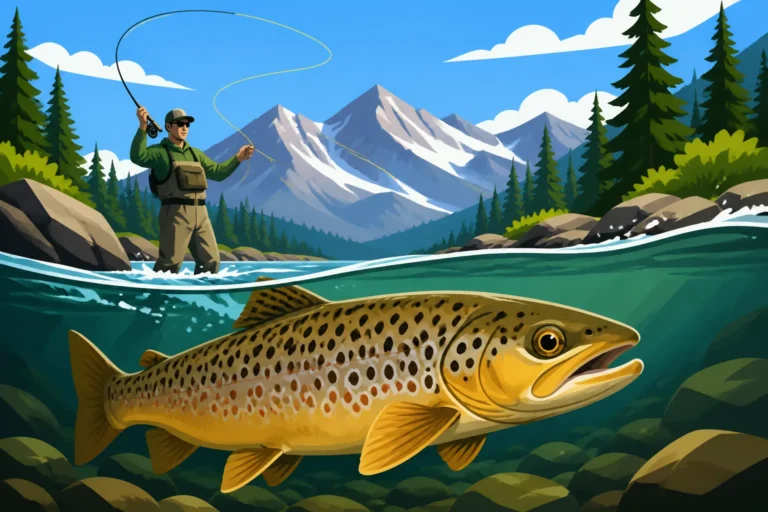
For those massive rainbows, browns, and cutthroats in Eleven Mile, Spinney, or Antero, you might still be fly fishing or spin fishing, but with an emphasis on larger presentations. Think longer, heavier fly rods (perhaps a 6 or 7-weight), paired with stronger tippets to handle the fight of a powerful fish. Streamer patterns that imitate baitfish, or deep nymphing rigs with heavier flies, become crucial. Spin anglers will often opt for slightly heavier action rods, matched with larger stick baits, spoons, or even jigging spoons, once again, easily sourced from online retailers such as Amazon. The goal is to present a substantial meal that catches the eye of a big, predatory trout.
Timing and Location are Key
Beyond the gear, knowing when and where to focus your efforts is paramount. Trophy trout, like all fish, have predictable patterns tied to seasons, water temperatures, and their life cycles. Targeting lake trout often means going deep, using sonar to locate submerged structures, thermoclines, and schools of baitfish. These fish tend to be most active when waters are cold.
For large rainbow and brown trout, understanding spawning cycles can be a huge advantage. Brown trout, for example, have a fall spawning run, where they become incredibly aggressive and move into shallower areas, making them more accessible. Rainbows, often spring spawners, will also feed heavily before and after their spawn. Beyond seasonal timing, paying close attention to reservoir contours, drop-offs, underwater points, and creek channels can reveal key holding areas. Fish finders, available through various retailers including Amazon, can be invaluable tools for identifying these deep-water structures and pinpointing schools of baitfish that large trout will be preying on.
Patience and Persistence
Let's be real: trophy fishing is not for the faint of heart. These fish are big because they're smart, wary, and have learned to avoid anglers. You're not going to catch a 30-inch trout every time you go out, or even every season. It requires a level of patience and persistence that goes beyond casual angling. You might spend hours, or even full days, without a single bite. You might try every fly or lure in your box, cover miles of water, and still come up empty.
But that's part of the allure, isn't it? The challenge, the anticipation, the sheer dedication it takes—all of it makes that eventual hook-up, that screaming reel, and that glimpse of a true leviathan even more rewarding. Don't get discouraged by slow days. Every cast is a chance, and every outing is a learning experience. Keep refining your techniques, keep studying the water, and keep believing that your next cast could be the one that connects you with the fish of a lifetime.
Important Considerations and Regulations
While the excitement of chasing trophy trout is undeniable, it's absolutely crucial to remember that with great fishing comes great responsibility. Respecting the resource and knowing the rules are non-negotiable aspects of being a responsible angler in Colorado.
Understanding Catch Limits and Special Regulations
Trophy trout waters are often managed very carefully, and that means they frequently come with specific, sometimes stringent, regulations designed to protect those big fish. You might encounter waters with stricter length limits (e.g., minimum or maximum sizes for keeping fish), reduced daily bag limits, or even mandatory catch-and-release rules for certain species or sizes. For example, some Gold Medal Waters might have a 14-inch minimum length, while others might be entirely catch-and-release.
It's your responsibility to always check the most current Colorado Parks and Wildlife (CPW) fishing regulations brochure before you head out. These regulations can change year to year, and they are critical for ensuring the health of these trophy fisheries. Ignorance of the rules is never an excuse, and violating them can lead to hefty fines and loss of fishing privileges. Being informed is a key part of protecting these amazing resources for future generations. Don't forget to familiarize yourself with Colorado Fishing Regulations Every Angler Should Know and Colorado Bag and Possession Limits by Species, paying special attention to specifics like Colorado's 14-Inch Trout Length Rule where applicable.
Protecting Our Resources
The pursuit of trophy trout often means handling very large, often old, and sometimes delicate fish. If you plan to release a trophy, which is highly encouraged, especially for the biggest, healthiest spawners, practicing proper fish handling techniques is vital. This includes minimizing the time the fish is out of the water, keeping your hands wet, supporting the fish horizontally, and avoiding contact with its gills or eyes. Heavy-duty, knotless landing nets can also make handling easier and safer for the fish. A quick photo, then a gentle release, ensures that fish can continue to grow and contribute to the fishery.
Beyond handling, preventing the spread of aquatic invasive species (AIS) is another huge responsibility. Always Clean, Drain, and Dry your boat, waders, and gear after every outing, especially when moving between different bodies of water. These simple steps help protect Colorado's precious aquatic ecosystems from devastating invaders. Read How to Handle Trout for a Safe Release to ensure those giants live to fight another day.
The Role of a Fishing License and Habitat Stamp
Before you even think about casting a line for a trophy trout in Colorado, you'll need to make sure you have a valid Colorado fishing license. This isn't just a formality; the funds generated from license sales are directly reinvested into managing and conserving our state's fish and wildlife resources, including the stocking programs and habitat improvements that help create these trophy opportunities.
In addition to your license, most anglers also need to purchase a Colorado Habitat Stamp. This stamp is an integral part of funding wildlife habitat protection and acquisition across the state, which benefits not just fish, but all wildlife. There are some exemptions for seniors and youth, but for most adult anglers, it’s a required purchase. It's a small fee that makes a huge difference in preserving the wild places we love to fish. Make sure you understand all the requirements by checking out Colorado Fishing License Guide for Residents and Nonresidents and Colorado's Habitat Stamp, Explained. If you're wondering, Do You Need a Habitat Stamp to Fish in Colorado? the answer is usually yes!
| Reservoir | Primary Trophy Species | Key Techniques | Special Considerations |
|---|---|---|---|
| Blue Mesa Reservoir | Lake Trout, Brown Trout, Rainbow | Deep Trolling, Jigging, Large Lures | Very large body of water, requires specific gear |
| Eleven Mile Reservoir | Rainbow Trout, Brown Trout | Fly Fishing (Midges, Streamers), Spin Fishing | Known for prolific hatches, can be windy |
| Spinney Mountain Res. | Rainbow Trout, Cutthroat Trout | Fly Fishing (Nymphs, Streamers), Spin Fishing | Catch-and-Release Only for Trout, seasonal closures |
| Antero Reservoir | Rainbow Trout, Cutbows | Fly Fishing (Nymphs), Spin Fishing (Jigs, Lures) | Shallow, fertile water, excellent ice fishing potential |
Disclaimer
This article is for general informational purposes only and does not constitute professional advice. Laws, prices and regulations vary by location and change over time. Consult a qualified professional for guidance on your specific situation.