Which Colorado Rivers Have Self-Sustaining Wild Trout
One of the most rewarding experiences in Colorado fishing is hooking into a truly wild trout, a fish born and bred in the river, not a hatchery. It can be truly frustrating when you think you've found a pristine spot, only to learn the fish are stocked and not truly wild. This guide is all about helping you understand the difference and pinpointing some of those magical Colorado rivers where healthy, self-sustaining wild trout populations thrive, offering an authentic angling adventure.
The Allure of Wild Trout: Why It Matters to Colorado Anglers
There's a special connection that anglers feel when they cast into a river known for its wild trout. It's not just about the size of the fish, though wild trout can certainly be impressive; it's about the authenticity of the experience, the challenge, and the knowledge that you're interacting with a truly natural ecosystem. For many of us who love Colorado's outdoors, finding these rivers is like discovering a hidden gem, a place where nature's balance is on full display.
Understanding "Self-Sustaining" vs. "Stocked"
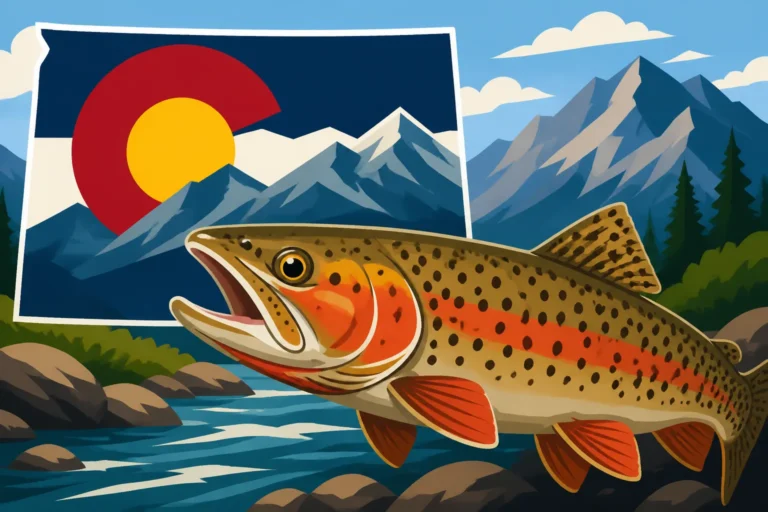
Let's clear up some terminology, because it's a big deal. When we talk about "self-sustaining" trout populations, we mean fish that are born in the river, grow up in the river, and reproduce in the river, completing their entire life cycle without human intervention in the form of stocking. These fish are products of natural selection, finely tuned to their environment. They often exhibit different behaviors, fight harder, and can be much more challenging to catch, which is exactly why so many anglers seek them out. You might be interested in knowing What Makes a River a Wild Trout Water in Colorado.
On the other hand, "stocked" trout are those raised in hatcheries and then released into rivers, lakes, or reservoirs. Colorado Parks and Wildlife (CPW) does an incredible job stocking many waters across the state, providing fantastic opportunities for anglers, especially those looking for a more accessible or productive day. These stocked fish serve a vital purpose in recreational fishing, but they are genetically distinct and often behave differently than their wild cousins. They might be less wary, less selective about what they eat, and sometimes, they simply don't survive long-term in the wild environment because they haven't developed the necessary instincts. It's truly eye-opening to see How to Tell a Stocked Trout From a Wild One.
The Ecosystem Benefits of Wild Trout Populations
Wild trout aren't just a boon for anglers; they're an indicator of a healthy river ecosystem. A self-sustaining population of trout signifies that the river has excellent water quality, a stable food supply, diverse habitat (like deep pools, riffles, and undercut banks), and suitable spawning grounds. These fish are part of a complex food web, eating insects and smaller fish, and in turn, serving as food for birds of prey, otters, and other wildlife.
When you fish a wild trout river, you're experiencing a system that's working as nature intended. It’s a delicate balance, and these rivers often require careful management and angler etiquette to maintain their pristine condition. Protecting these wild populations ensures biodiversity and the long-term health of our waterways. It's a reminder that our passion for fishing goes hand-in-hand with conservation, making us stewards of these incredible natural resources.
Key Characteristics of Colorado's Self-Sustaining Wild Trout Rivers
So, what makes a river capable of supporting wild trout on its own? It's not just a happy accident. There are specific environmental factors and conditions that must be present for trout to thrive, reproduce, and survive through multiple generations without human help. Understanding these characteristics can help you identify potential wild trout waters, even if they aren't explicitly advertised as such.
Water Quality and Habitat: Non-Negotiable Factors
For trout to flourish naturally, the water itself has to be top-notch. We're talking about cold, clear, well-oxygenated water. Trout are particularly sensitive to pollution, sediment, and fluctuating water temperatures. Rivers fed by snowmelt from high peaks, or those that receive consistent, cold outflows from dams (known as tailwaters), often provide these ideal conditions year-round. A river with consistent cold water is more likely to sustain wild fish.
Beyond just the water, the physical structure of the river is paramount. Wild trout need diverse habitat to survive. This includes:
- Riffles: Shallow, turbulent areas where insects are abundant, providing a constant food source.
- Runs: Deeper, faster-moving sections that transport food and provide oxygen.
- Pools: Deeper, slower-moving areas that offer refuge from predators, strong currents, and extreme temperatures.
- Undercut Banks and Large Rocks/Logs: Crucial hiding spots for trout to escape predators, rest, and ambush prey. These features also help moderate water flow and provide cover.
Without these critical habitat elements, even the cleanest, coldest water might not be enough to sustain a wild population. These features are essentially the trout's home, grocery store, and nursery all rolled into one. You can often find excellent maps or even books detailing river structure on platforms like Amazon, which can be invaluable for scouting.
Genetic Purity and Spawning Success
Another critical aspect of self-sustaining wild trout is their ability to reproduce effectively, year after year. This relies heavily on genetic purity and the presence of suitable spawning grounds. Trout, especially our native cutthroat subspecies, need specific gravelly areas with consistent water flow for successful spawning. These redds, or nests, must remain undisturbed, and the eggs need steady temperatures and oxygen to hatch.
When different trout species interbreed (like a rainbow trout breeding with a cutthroat, creating a "cutbow"), the offspring can sometimes be less resilient or less capable of reproducing successfully themselves, potentially diluting the wild gene pool. This is why conservation efforts often focus on protecting genetically pure strains of native trout, like the Greenback Cutthroat Trout Recovery in Colorado or the Colorado River Cutthroat Trout, Where to Find Them. These native fish have evolved over millennia to thrive in Colorado's unique aquatic environments, making their genetic integrity vital for true self-sustainability. Understanding the subtle differences between species is fascinating and vital for conservation, especially if you're trying to identify Colorado's Trout Species, A Field Guide.
Accessibility and Angler Pressure Considerations
While not a biological factor, the level of human interaction a river receives can significantly impact its ability to sustain wild trout. Rivers that are easily accessible, especially those near urban centers, tend to experience higher angler pressure. While responsible angling, like proper How to Handle Trout for a Safe Release, can mitigate some impacts, consistent heavy pressure can still make fish more wary, alter their feeding patterns, and stress the population.
Conversely, some of Colorado's most robust wild trout populations are found in more remote, difficult-to-access areas. These rivers or high-country lakes see fewer anglers, allowing fish to grow larger and behave more naturally without constant disturbance. This isn't to say all easily accessible rivers lack wild trout, but it's a factor in their overall health and sustainability. When planning your trip, consider if you're looking for a quick drive-up spot or a hike into a more secluded wild trout sanctuary. Sometimes, a sturdy pair of wading boots you picked up from Amazon can make all the difference in reaching those less-fished stretches.
Top Colorado Rivers Renowned for Wild Trout
Colorado is truly blessed with an abundance of incredible rivers, and while many offer fantastic fishing for stocked trout, a select few stand out for their truly wild, self-sustaining populations. These are the places that draw anglers from all over, seeking that authentic experience.
Iconic Freestones: Where Nature Takes the Lead
Freestone rivers are those whose flows are largely dictated by natural snowmelt and rainfall, without significant dam influence. They ebb and flow with the seasons, presenting unique challenges and rewards. Many of Colorado's most famous wild trout fisheries fall into this category.
- The Arkansas River: Particularly in its upper reaches and through sections near Buena Vista and Salida, the Arkansas boasts an incredible population of wild brown trout, along with some rainbows. This river is a powerhouse, offering diverse water from pocket water to long riffles. The fish here are strong and savvy, a true testament to their wild upbringing. It’s a very popular river, but its length and varied character mean you can always find a productive stretch.
- The Roaring Fork River: From its headwaters down through the valley, the Roaring Fork is renowned for its wild brown and rainbow trout. Sections like the one near Aspen can be challenging due to gin-clear water and selective fish, but the rewards are magnificent. The river has excellent insect life, supporting a healthy food web.
- The Yampa River: In northwest Colorado, the Yampa River near Steamboat Springs offers a fantastic opportunity to chase wild browns, rainbows, and even some native Colorado River Cutthroat Trout in its upper reaches. It's one of the few rivers that still flows mostly unimpeded, giving it a truly wild character.
Tailwaters with Thriving Wild Populations
While freestones are dictated by nature, tailwaters are rivers flowing out of the base of a dam. The constant release of cold, oxygenated water and rich invertebrate life below many dams creates perfect conditions for trout to grow large and, often, to reproduce naturally, leading to thriving wild populations.
- The South Platte River (Cheesman Canyon, Dream Stream): These stretches of the South Platte are legendary for a reason. Below Cheesman Dam, the river flows through a rugged canyon, hosting a phenomenal population of wild brown trout and some rainbows. Further downstream, the "Dream Stream" section between Spinney Mountain and Eleven Mile Reservoirs is famous for its massive wild browns, rainbows, and cutthroat. The constant, cold water from the reservoirs creates an ideal environment for natural reproduction, making these fish truly special. Anglers travel far and wide for a shot at these wary, intelligent trout. Catching fish here requires skill, stealth, and a good understanding of what the fish are feeding on. You might want to check out Fishing the Dream Stream and Cheesman Canyon on Colorado's South Platte.
- The Fryingpan River: Below Ruedi Reservoir, the Fryingpan is a world-class tailwater fishery, famous for its massive, picky wild rainbow trout and abundant browns. The consistent water temperature and nutrient-rich flows contribute to an explosive insect population, leading to incredible fish growth and natural reproduction. Many of these fish become incredibly selective, requiring precise presentations and tiny flies. You'll definitely want to read up on Fishing the Fryingpan River Below Ruedi Reservoir.
- The Blue River (Silverthorne): Flowing out of Dillon Reservoir, the Blue River through Silverthorne is another exceptional tailwater. It holds a healthy population of wild brown and rainbow trout, growing to impressive sizes thanks to the nutrient-rich water and abundant midge and mayfly hatches. While it flows through an urban area, the fish remain remarkably wild and challenging.
High-Country Gems: Remote Wild Trout Fisheries
Beyond the easily accessible rivers, Colorado's high country holds countless streams and lakes that are home to native, self-sustaining wild trout populations. These often require a hike, sometimes a significant one, but the solitude and beauty, combined with the chance to catch a truly wild fish, are unparalleled.
- Alpine Lakes and Streams: Throughout wilderness areas like the Flat Tops, Eagles Nest, and Indian Peaks, you'll find pristine alpine lakes and small streams teeming with wild brook trout, cutthroat trout (including some genetically pure native strains), and sometimes even golden trout. These fish are typically smaller but are incredibly vibrant and aggressive, having survived harsh mountain winters and thrived on natural food sources. Accessing these spots often means consulting topographical maps, packing light, and being prepared for varying weather conditions. An Amazon Basics dry bag can be a real lifesaver for keeping your essentials safe on these treks.
- Trappers Lake: Tucked away in the Flat Tops Wilderness, Trappers Lake is famous as the "Cradle of the Cutthroat." It holds one of the most significant populations of genetically pure Colorado River Cutthroat Trout in the world. Fishing here is a truly unique experience, emphasizing the protection of this precious native species.
- Rio Grande National Forest Streams: In southern Colorado, many of the smaller tributary streams within the Rio Grande National Forest are home to thriving populations of Rio Grande Cutthroat Trout, another native subspecies. These fish are often found in breathtaking, remote settings, requiring a keen eye and careful approach.
| River Name (Example Stretch) | Type of Water | Primary Wild Trout Species | Key Features for Wild Trout | Angler Accessibility |
|---|---|---|---|---|
| South Platte River (Cheesman Canyon) | Tailwater | Brown, Rainbow, Cutthroat | Consistent cold flow, diverse bug life, excellent habitat | Moderate (Requires hike) |
| Fryingpan River (Below Ruedi) | Tailwater | Rainbow, Brown | Stable temps, nutrient-rich, prolific hatches | Good |
| Arkansas River (Upper/Mid) | Freestone | Brown, Rainbow | Diverse structure, strong currents, good food base | Excellent |
| Roaring Fork River | Freestone | Brown, Rainbow | Clear water, varied habitat, strong insect presence | Good |
| Yampa River (Upper) | Freestone | Brown, Rainbow, CO River Cutthroat | Natural flow, varied habitat, remote sections | Moderate (Some remote) |
| Trappers Lake | Alpine Lake | Colorado River Cutthroat | Pristine wilderness, genetic purity, natural spawning | Difficult (Long hike) |
How You Can Help Protect Colorado's Wild Trout Fisheries
Being able to fish for wild trout in Colorado is a privilege, and with that privilege comes a responsibility to help protect these fragile ecosystems. Our actions on and off the water directly impact the health and sustainability of these populations for future generations. It’s not just about catching fish; it’s about ensuring there are fish to catch, and a healthy environment for them to thrive.
Practicing Responsible Angling and Catch-and-Release
This is perhaps the most immediate and impactful way individual anglers can contribute. While some wild trout rivers may have specific harvest regulations, many are managed as catch-and-release, or anglers choose to practice it voluntarily to protect the population.
Here are some key principles for responsible angling:
- Barbless Hooks: On many wild trout waters, barbless hooks are mandatory, and even where they aren't, they are highly recommended. Barbless hooks minimize tissue damage, making it much easier and quicker to release a fish. You can buy barbless hooks, or simply crimp down the barb on your existing hooks with a pair of pliers.
- Minimize Handling: The less you handle a fish, especially out of water, the better its chances of survival. Try to keep the fish in the water as much as possible. If you need to handle it, do so with wet hands and support its weight gently. Avoid squeezing it or touching its gills. You can find excellent landing nets that are fish-friendly, with soft, knotless mesh, often available on Amazon.
- Reduce Fight Time: While a long fight can be exciting, it exhausts the fish. Use appropriate tackle that allows you to land the fish efficiently, especially in warm water conditions when trout are more susceptible to stress.
- Revive Carefully: If a fish is lethargic after being caught, gently hold it upright in the current, allowing water to flow over its gills until it regains its strength and can swim away on its own.
- Respect Spawning Beds: During spawning seasons (fall for brown trout, spring for rainbows and cutthroat), be extremely careful not to wade through or disturb redds (spawning nests). These appear as clean, gravelly depressions on the riverbed. Disturbing them can destroy eggs and future generations of fish. Reading up on Brown Trout Spawning Season in Colorado and Rainbow and Cutthroat Spawning Season in Colorado will help you identify these critical periods.
Supporting Conservation Efforts
Beyond our individual actions on the river, supporting broader conservation efforts is vital. Many organizations are dedicated to protecting Colorado's wild trout fisheries, restoring habitats, and ensuring sustainable management.
- Volunteer and Donate: Consider volunteering with local conservation groups or donating to organizations focused on river health, native fish recovery, and habitat restoration. Groups like Trout Unlimited, for example, do incredible work on the ground to improve river ecosystems.
- Stay Informed: Read up on Colorado Fishing Regulations Every Angler Should Know and changes to local regulations. Understanding the science behind conservation efforts helps us appreciate why certain rules exist and how they benefit the fish. You can often find detailed information on the Colorado Parks and Wildlife website.
- Advocate for Healthy Rivers: Speak up for responsible land and water management practices. Attend public meetings, write to elected officials, or simply spread awareness among your fellow anglers about the importance of protecting these precious resources. Every little bit helps ensure that the magic of fishing for wild trout continues in Colorado.
Being a part of the wild trout community is more than just catching fish; it's about being a steward of our natural world, appreciating the incredible resilience of these fish, and working to preserve the wild places they call home.
Disclaimer
This article is for general informational purposes only and does not constitute professional advice. Laws, prices and regulations vary by location and change over time. Consult a qualified professional for guidance on your specific situation.