Why Colorado Bans Live Bait Fish in Some Waters
Ah, Colorado fishing! It's a passion for so many of us, a chance to get out into those stunning landscapes, cast a line, and feel that tug. But if you've spent any time at all looking through the Colorado Parks and Wildlife (CPW) regulations, you've probably stumbled across those confusing rules about bait, especially the ones that ban live bait fish in certain areas. It can be incredibly frustrating to pack your tackle box, head out, and then realize your favorite minnows are a no-go for that particular stretch of river or lake. This guide is here to clear up that confusion, diving deep into why Colorado has these specific restrictions on live bait fish, explaining the science and conservation efforts behind them, and helping you understand how to fish legally and responsibly.
The Deep Roots of Colorado's Bait Fish Regulations
It's easy to look at a regulation and just see an inconvenience, right? "Why can't I just use what I want?" we might grumble. But when it comes to bait fish bans in Colorado, there's a really good reason, one that's tied directly to protecting the incredible, delicate aquatic ecosystems we all love to fish. These rules aren't arbitrary; they're the result of careful scientific study and a deep commitment to preserving our wild places for generations to come.
Protecting Native Species from Invasive Threats
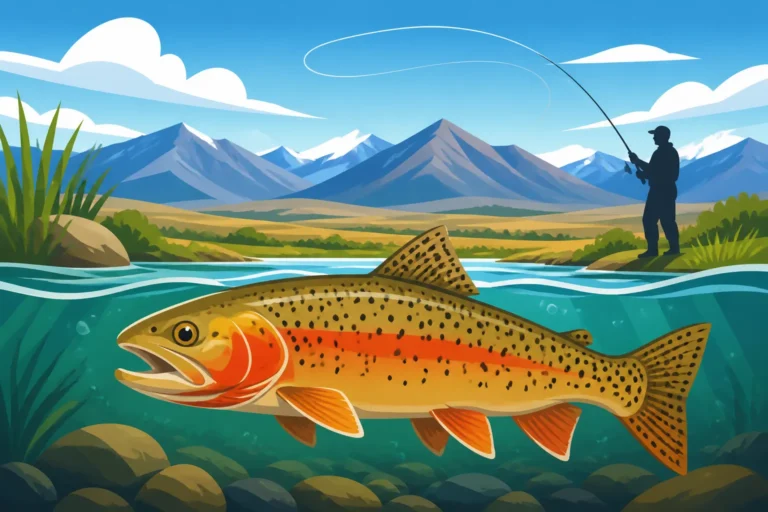
Imagine a tiny, seemingly harmless bait fish escaping your hook or bucket. It might seem like a small thing, but that single escapee can introduce a cascade of ecological problems. Colorado is home to several precious native trout subspecies, including the vibrant Colorado's Native Cutthroat Trout Subspecies like the Greenback, Colorado River, and Rio Grande cutthroats. These fish have adapted over millennia to their specific environments, developing unique traits and behaviors that make them perfectly suited to their homes.
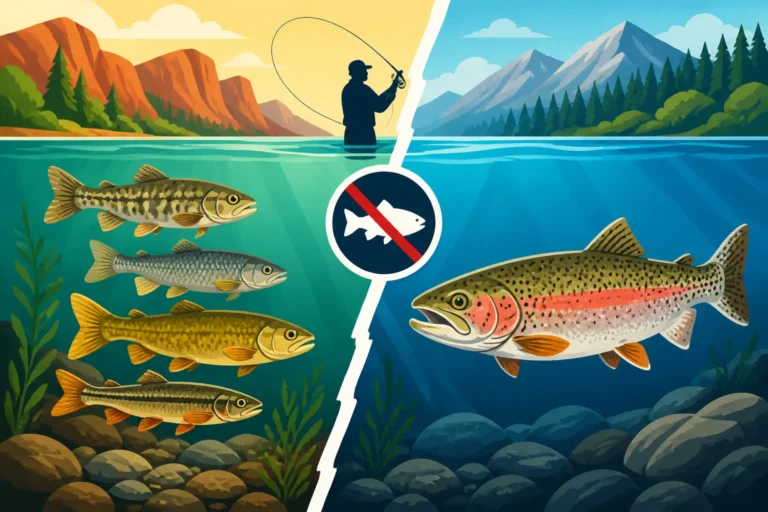
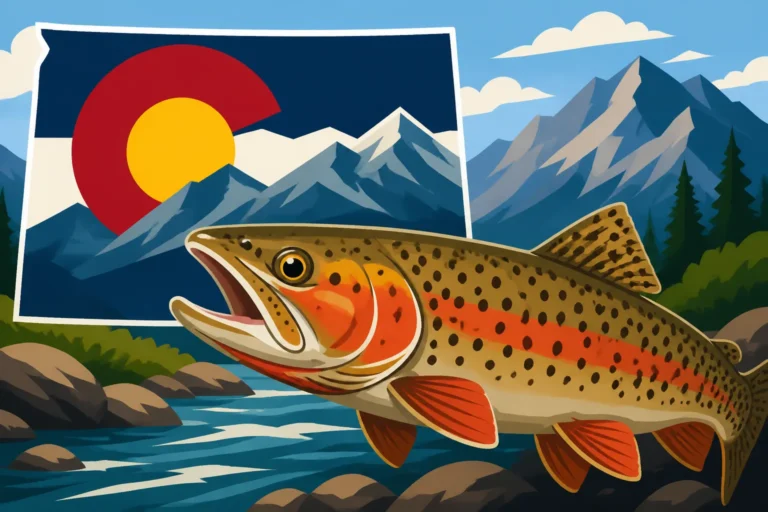
When non-native bait fish are introduced, even accidentally, they can become an invasive species. These invaders often reproduce rapidly, outcompete native fish for food and habitat, or even prey directly on the eggs and fry of our vulnerable native populations. Think about it: a bait minnow from a different drainage might carry a competitive advantage or simply be more aggressive in an environment where our native trout aren't equipped to fight back. Over time, this can lead to a decline, or even outright extinction, of native fish. It’s a battle our native fish didn’t ask for, and one they're often not equipped to win against a new, aggressive competitor. Moreover, there's the risk of hybridization. If an introduced species is closely related to a native one, they might interbreed, diluting the genetic purity of the native stock and fundamentally changing the very fish we’re trying to protect. This is a huge concern for Colorado's State Fish, the Greenback Cutthroat Trout, which has seen significant recovery efforts focused on re-establishing genetically pure populations.
Disease Prevention and Biosecurity
Beyond direct competition and predation, there's an even more insidious threat: disease. Live bait fish, whether wild-caught or commercially raised, can carry a host of unseen pathogens – viruses, bacteria, and parasites – that pose a grave danger to wild fish populations. These diseases might be harmless to the bait fish themselves, or they might be common in their native waters, but when introduced to a new environment, they can devastate a naive population that has no natural immunity.
Take whirling disease, for instance. This microscopic parasite has caused significant declines in rainbow trout populations in some Colorado waters. It's often spread through infected fish or worms that have consumed infected spores. Or consider viral hemorrhagic septicemia (VHS), a highly contagious and lethal virus that affects many freshwater fish species. If a live bait fish carrying such a disease is used and either escapes or its remains are disposed of improperly, it can introduce these pathogens into a pristine waterway. Once a disease takes hold in a wild fishery, it's incredibly difficult, if not impossible, to eradicate. We're talking about widespread fish kills, long-term population impacts, and decades of recovery work. CPW takes this threat incredibly seriously, knowing that prevention is far more effective than trying to cure an outbreak in a vast river system or reservoir. The strict rules on live bait fish are essentially a biosecurity measure, a line of defense to keep our fish healthy and our fisheries thriving.
Understanding the "Why" Behind Specific Bans
Colorado's regulations aren't a one-size-fits-all approach. You'll find different rules for different water bodies, and this is where it can get a little confusing if you don't understand the underlying reasoning. The "why" behind a specific ban often reflects the ecological value of that particular stretch of water, its vulnerability, and the specific conservation goals for that area.
Water Bodies Designated as "Artificial Bait or Flies Only"
When you see a sign or read in the regulations that a specific river or lake is "artificial bait or flies only," it’s a clear signal that you’re entering a particularly sensitive or important area. These are often:
- Pristine Native Trout Waters: Areas where native species, like the Colorado River Cutthroat, are making a comeback or maintaining a stronghold. The goal here is to eliminate any risk of introducing non-native species or diseases that could jeopardize these fragile populations. For example, some high-alpine lakes where genetically pure Colorado River Cutthroat Trout, Where to Find Them are being restored will have these strict rules.
- Gold Medal Waters: Colorado's prestigious Colorado Gold Medal Water Regulations Explained are renowned for their exceptional trout fishing, supporting high populations of large trout. These areas often have artificial lure and fly restrictions not just for biosecurity, but also to promote catch-and-release practices and reduce stress on the fish. A fish caught on a worm or live minnow is more likely to swallow the hook deep, leading to higher mortality rates, even if released. Artificial flies and lures, especially those with barbless hooks (which are often mandated in these areas, as explained in Barbless Hook Rules on Colorado Rivers), tend to hook fish in the mouth, allowing for easier and safer release. This helps maintain the trophy-size fish populations that define these waters.
- Unique or Fragile Ecosystems: Some waters might have unique invertebrate populations or delicate food webs that could be disrupted by the introduction of new bait species.
In these "artificial bait or flies only" zones, you're expected to use things like flies, lures, jigs, or artificial worms/grubs. Basically, anything that isn't alive and isn't designed to mimic something that was once alive and could introduce something unwanted. You'll often find these rules clearly marked at trailheads or access points, but it's always best to consult the current Colorado Fishing Regulations Every Angler Should Know brochure before you head out.
General Restrictions on Live Minnows and Other Baitfish
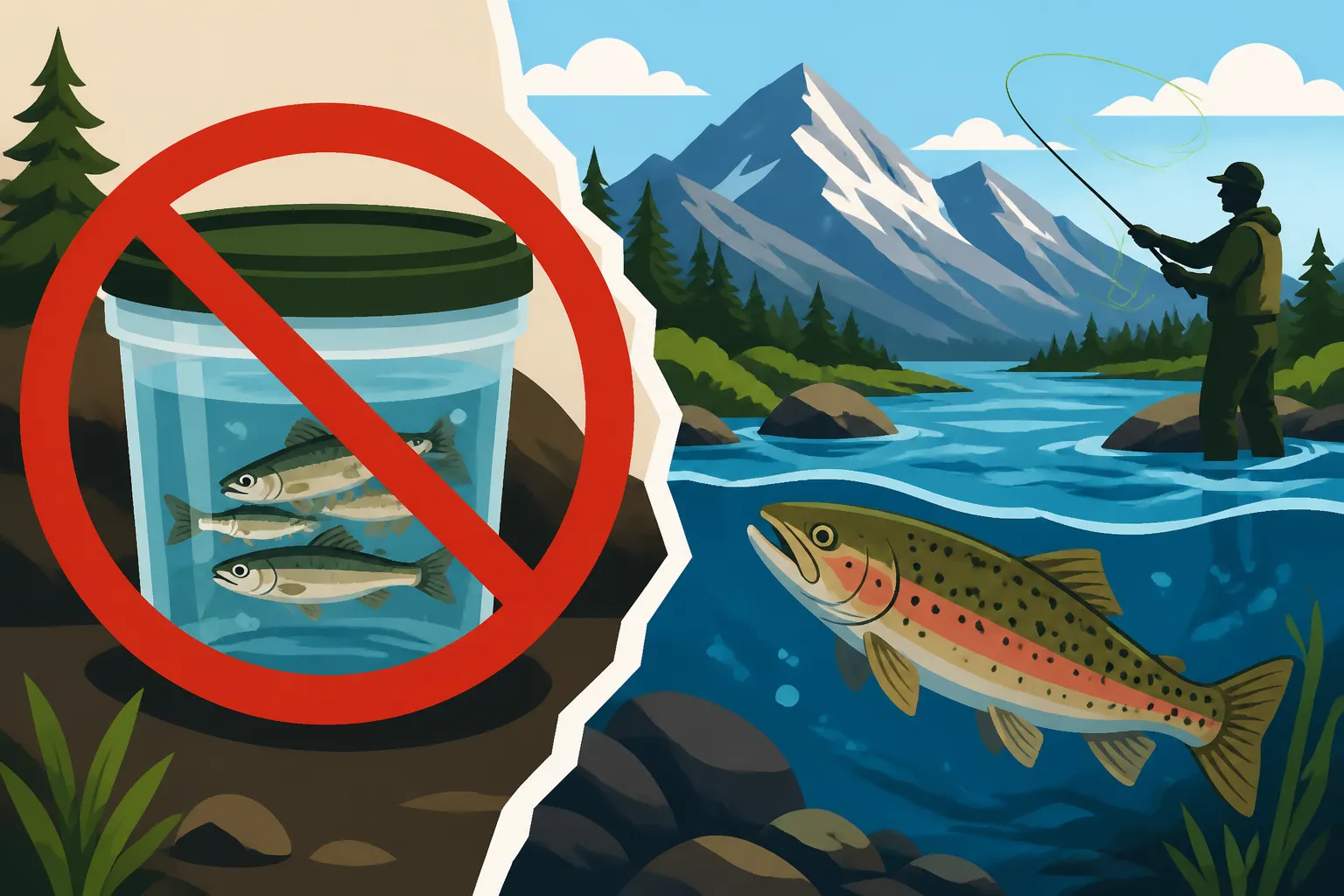
Even in waters where some natural bait is permitted, like worms or salmon eggs, there's often a blanket ban on using live bait fish. This distinction is crucial. You might be able to use a nightcrawler, but you absolutely cannot use a bucket of live fathead minnows you bought at a bait shop. The intent behind these broader rules comes back to those core concerns of invasive species and disease.
Why the specific focus on "bait fish"? Because fish, by their very nature, are highly mobile and can reproduce rapidly. They also tend to carry the most significant disease risks that could affect other fish. A nightcrawler, while a natural organism, isn't going to establish a breeding population in a lake if it escapes, nor is it likely to carry a fish-specific pathogen that could wipe out a trout population. However, a single fertile minnow escaping could start a new, unwanted colony.
It’s important to know the difference between what's considered "live bait fish" and other acceptable natural baits. Generally, live bait fish refers to any species of fish, alive or dead (sometimes even dead ones are restricted if they could still carry pathogens), used to attract other fish. Other natural baits like worms, crayfish (check local rules carefully!), and insects are typically treated differently because their ecological risk is much lower. For clarity, CPW often defines exactly what "live bait" means in their regulations. Always double-check Colorado Bait Restrictions and Where They Apply to be absolutely sure what's allowed in your chosen fishing spot.
Practical Implications for Anglers: What You Can and Cannot Do
So, what does all this mean for you, the angler, when you're planning your next Colorado fishing adventure? It means being prepared, doing a little homework, and adapting your tackle box to the local rules. It's not about making fishing harder; it's about making it sustainable.
Permitted Bait Options and Where to Find Them
Even with restrictions on live bait fish, you still have a fantastic array of legal and effective bait options in most Colorado waters.
- Worms and Nightcrawlers: These are classic and incredibly effective. Many fish species, from trout to catfish, can't resist a juicy worm. You can buy them at most bait shops, sporting goods stores, or even find them in your own backyard after a rain.
- Prepared Baits: Brands like PowerBait, Gulp!, and various dough baits are specifically designed to attract fish with scent and texture. These are often allowed in bait-fishing waters and can be deadly effective, especially for stocked trout. You can often find a wide selection of these at local sporting goods stores or even browse options online at Amazon for convenience before your trip.
- Salmon Eggs: Real or artificial, these are a trout favorite, mimicking the natural food source they crave.
- Insects: Mealworms, wax worms, and crickets are excellent choices for panfish and smaller trout. You can often find them at pet stores or bait shops.
- Crayfish: In some waters, you can collect and use live crayfish, but you must check the specific regulations for that water body. There are often rules about how and where you can collect them, and sometimes only dead crayfish are permitted. The risks of introducing non-native species are still present here if not handled correctly.
Remember, even if these baits are allowed, always dispose of unused bait properly – never toss it into the water. If you're looking for bait containers or specific types of prepared baits, a quick search on Amazon can show you a variety of options that are legal for use in Colorado's bait-friendly waters.
The Importance of Checking Regulations (Every Single Time!)
I can't stress this enough: always, always, always check the current Colorado fishing regulations before you go. What was legal last year, or even last month, might have changed. What's allowed on one side of a reservoir might be banned on the other. Regulations can be complex, and they vary significantly from state park to national forest, from river to lake.
Here’s how to do your homework:
- Colorado Parks and Wildlife (CPW) Website: This is your definitive source. Navigate to the fishing section, and you can often find a "fishing atlas" or a link to the most current regulations specific to each water body.
- Annual Fishing Brochure: CPW publishes a new brochure every year (usually available in print at license vendors, fly shops, and online). This comprehensive guide outlines Reading Colorado's Fishing Regulations Brochure and all general rules, as well as specific exceptions for individual waters. Keep a copy in your tackle box or on your phone!
- Local Fly/Tackle Shops: The folks working in local shops are invaluable resources. They're usually anglers themselves and know the nuances of the local waters better than anyone. They can tell you what's biting, what's legal, and what's prohibited in nearby areas.
Imagine this scenario: you're planning a trip to the Dream Stream. You've heard amazing things about the fishing there. If you don't check the regulations, you might not realize it's a "flies and lures only" stretch. Showing up with a bucket of worms could lead to a hefty fine, not to mention the disappointment of having to change your plans on the spot. It's a quick check that can save you a lot of grief and ensure you're contributing to the health of the fishery. Ignoring these rules can lead to consequences ranging from fines to confiscation of gear, as well as the deeper impact of harming the very fish you came to enjoy. Knowing the rules about your bait is just as important as knowing about your Colorado Fishing License Costs Explained or whether you need a Colorado's Habitat Stamp, Explained.
The Bigger Picture: Your Role in Conservation
Ultimately, Colorado's bait fish bans aren't just about rules; they're about conservation and the future of fishing in this incredible state. Every angler has a role to play in protecting our waters, and understanding why these regulations exist helps us all become better stewards.
Preventing Accidental Introductions
One of the biggest lessons from these bans is the critical importance of preventing accidental introductions of non-native species or diseases. As anglers, we have a direct impact on the aquatic environments we visit, and even seemingly small actions can have significant consequences.
- Never Dump Bait Buckets: This is paramount. When you're done fishing, never, ever dump your unused live bait (or even dead bait from a bucket that contained live bait) into the water or onto the bank. This is how invasive species and diseases get introduced. Dispose of it in a trash can, or simply pour the water and bait onto dry ground far from any water source where it can't find its way back in.
- Clean, Drain, and Dry Your Gear: This principle isn't just for boats! Waders, boots, nets, and even fishing lines can harbor aquatic hitchhikers. Before moving from one water body to another, especially if you've been in a water body with known issues (like whirling disease), take the time to clean any mud or debris from your gear, drain all water, and thoroughly dry everything. This prevents the transfer of microscopic organisms, plant fragments, and diseases. This is a crucial step to protect our fisheries from things you can't even see.
- Source Bait Responsibly: If you do use permitted live baits like worms, purchase them from a reputable dealer. Avoid collecting bait from unapproved waters, as you could be unknowingly transferring species or pathogens. For instance, some anglers like to use crayfish as bait. While often legal, harvesting them from one water and using them in another can still pose a risk, unless specific regulations allow it and you're certain about the source and destination water.
Supporting Colorado's Aquatic Ecosystems
When you adhere to bait regulations, you're not just avoiding a fine; you're actively participating in the conservation efforts that keep Colorado's fisheries healthy and vibrant. These regulations are designed to:
- Maintain Biodiversity: By preventing the introduction of invasive species, we help ensure our native fish populations can thrive, maintaining the natural balance of the ecosystem. This means healthier populations of Colorado's Trout Species, A Field Guide and other native aquatic life.
- Protect Fish Health: Keeping diseases out of our waters means healthier fish, stronger populations, and better fishing experiences for everyone. This directly impacts the quality of our catch, whether you're targeting Lake Trout Fishing in Colorado in a deep reservoir or wild brown trout in a mountain stream.
- Ensure Sustainable Fishing: Healthy ecosystems translate into sustainable fishing opportunities. The more we protect these resources, the more likely it is that our children and grandchildren will be able to enjoy the same incredible fishing experiences we do today.
It's a small effort on our part that yields huge benefits for the environment and for the future of Colorado fishing. So the next time you're packing your fishing vest or looking for new tackle, remember that a little knowledge and responsible action go a long way in preserving the natural beauty and bounty of our beloved Colorado waters.
| Bait Type | General Legality in Colorado (Check Specific Water!) | Primary Ecological Risk | Angler Action |
|---|---|---|---|
| Live Bait Fish | Often banned, especially in sensitive waters. | Invasive species, disease introduction, hybridization. | DO NOT USE where prohibited. Never release or dump. |
| Worms/Nightcrawlers | Generally allowed in bait-friendly waters. | Minimal risk of invasive species or disease for fish populations; can introduce non-native earthworms. | Dispose of unused worms in trash. |
| Prepared Baits (e.g., PowerBait) | Generally allowed in bait-friendly waters. | Minimal ecological risk. | Dispose of packaging and unused bait in trash. |
| Artificial Lures/Flies | Generally allowed, often required in sensitive waters. | No ecological risk of introduction. | Minimal waste; typically reusable. |
| Crayfish (Live) | Highly variable; check specific regulations VERY carefully. | Invasive species, disease if transferred between waters. | Only use where explicitly permitted; dispose properly. |
Disclaimer
This article is for general informational purposes only and does not constitute professional advice. Laws, prices and regulations vary by location and change over time. Consult a qualified professional for guidance on your specific situation.