Guided Fly Fishing on Colorado’s Gunnison River
Venturing onto a river as legendary and formidable as Colorado's Gunnison can be an intimidating prospect, even for seasoned anglers. The sheer reputation of its Gold Medal waters, the challenging terrain, and the often-technical fishing can leave you feeling overwhelmed before you even wet a line. This comprehensive guide is here to walk you through everything you need to know about experiencing the Gunnison River through the eyes of an expert – by taking a guided fly fishing trip – ensuring you can truly unlock its secrets and enjoy some of the best trout fishing Colorado has to offer.
Why the Gunnison River Demands a Guide for Fly Fishing
The Gunnison River, especially its fabled Gold Medal stretches, isn't just another pretty river. It's a complex, powerful system that offers incredible rewards, but often keeps its treasures well-hidden. Without local knowledge and experience, a day on the Gunnison can quickly turn from an exciting adventure into a frustrating struggle. This isn't to discourage anyone from trying it on their own, but rather to highlight just how much a guide can elevate your experience and success.
Understanding the Gunnison's Unique Challenges
From the moment you arrive, you’ll notice that the Gunnison is different. The sheer power of the water, especially during higher flows, can be daunting. The river carves through dramatic canyons, creating a diverse range of water types: deep, swift runs, intricate riffles, and deceptively calm pools. Each of these requires a different approach, a different fly, and often, a different casting technique. Without someone to point out the subtle seams where fish hold or the tiny eddies that collect food, you could spend hours casting to unproductive water. The river's ecosystem is also incredibly rich, meaning hatches can be prolific but also incredibly diverse and short-lived, demanding precise fly selection. It’s not uncommon to witness a flurry of rising fish, only to try half your fly box before realizing you’re fishing the wrong size or color.
Then there's the terrain itself. While some sections of the Upper Gunnison are more accessible, venturing into areas like the Black Canyon of the Gunnison National Park or the Gunnison Gorge Wilderness requires significant effort and navigational skills. The banks can be steep, rocky, and slippery, and wading can be treacherous in the strong currents. It's easy to get disoriented, especially if you're focused on fishing rather than watching your footing and surroundings. The solitude in these areas is part of their appeal, but it also means you're often far from immediate help if something goes awry. A guide not only knows the safest paths but also carries the necessary safety equipment and has the experience to navigate challenging conditions.
The Undeniable Value of Local Expertise
A good Gunnison River guide is more than just someone who knows how to tie a fly; they are intimately familiar with the river's pulse. They understand the nuances of seasonal changes, how water flows impact fish behavior, and exactly where the trophy trout tend to hold. Imagine arriving at the river during spring runoff, when the water is high and murky. A novice might throw up their hands, but a guide knows specific eddies, slower pockets, or even nearby tailwaters like the Taylor River that will still be fishing well. They've spent countless hours on these waters, meticulously observing hatches, tracking fish movements, and experimenting with patterns and presentations.
This local knowledge isn't something you can gain from a quick internet search or even a few days of self-guided exploration. It's accumulated wisdom passed down through seasons of guiding, adapting to everything Mother Nature throws at them. They know which flies are absolutely essential for a given week, not just generally, but specifically for a particular stretch of river and water conditions. For example, during a sparse midge hatch in winter, they’ll know the exact size and color that fish are keying in on, a detail that might escape even an experienced angler without that specific, on-the-ground intel. This kind of deep understanding significantly increases your chances of success, turning a hopeful day into a memorable one filled with tight lines. Reading Water on a Colorado Freestone River can only get you so far without a guide's specific insights into this river.
Accessing Remote or Difficult Stretches
Some of the most incredible fly fishing on the Gunnison River lies in its more remote and difficult-to-access sections, particularly within the Gunnison Gorge Wilderness. This isn't a place you just decide to "pop into" for an afternoon. Accessing the Gorge typically involves a rugged, steep hike down into the canyon, often requiring a permit, and certainly demanding good physical condition and proper gear. Once you're in, you're committed to a true wilderness experience. Trying to navigate this alone, especially for a multi-day trip, can be overwhelming and even dangerous.
Guided trips often simplify this significantly. Outfitters that run trips into the Gorge frequently have established systems for access, whether it's through specific trailheads they use regularly or even utilizing pack animals to assist with gear. For float trips through the Gorge, a guide is absolutely essential. They handle all the logistics of permits, shuttle arrangements, boat navigation through challenging rapids, and setting up camp. This takes all the stress of logistics off your shoulders, allowing you to fully immerse yourself in the incredible fishing and breathtaking scenery. They can also often arrange for access to private water sections, which, while sometimes incurring an additional fee, can offer unparalleled fishing pressure and truly exceptional opportunities.
Choosing the Right Guided Experience on the Gunnison
Once you've decided a guide is the way to go (and for the Gunnison, it truly is a game-changer), the next step is figuring out what kind of guided experience best suits your style and goals. The Gunnison Valley offers a range of options, each with its own advantages.
Walk-Wade vs. Float Trips: Which is Best for You?
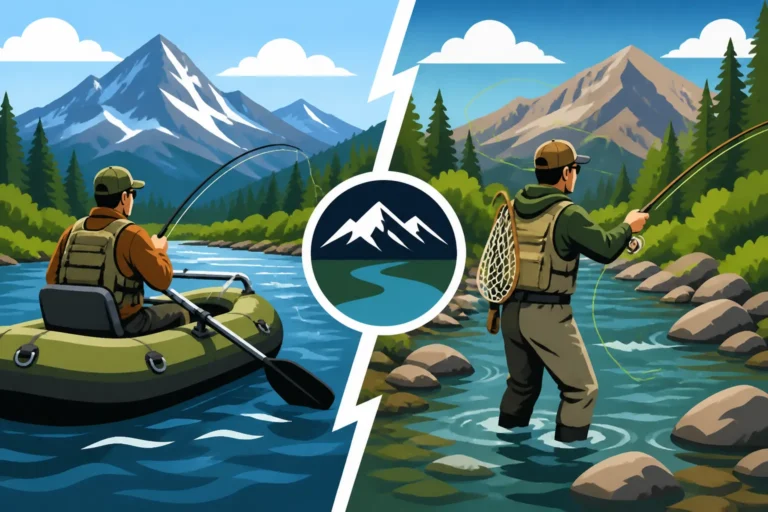
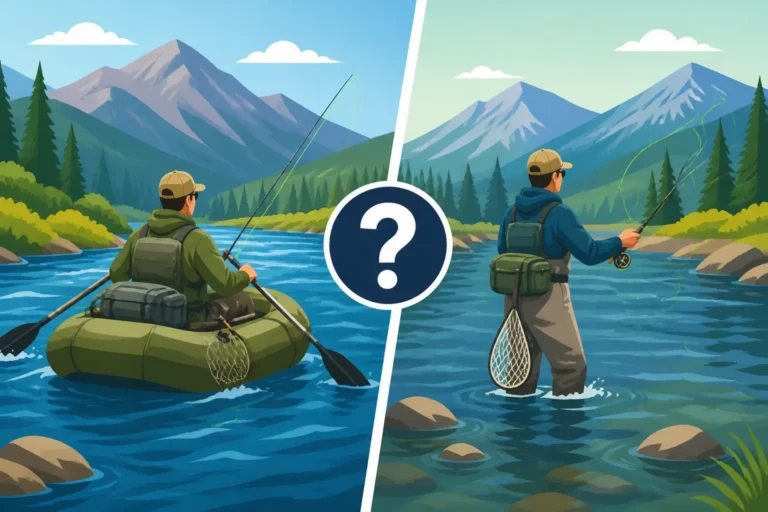
This is often the first big decision you'll face. Both walk-wade and float trips offer fantastic opportunities, but they cater to different preferences and physical abilities, and they allow access to different types of water on the Gunnison.
Walk-Wade Trips:
A walk-wade trip involves you and your guide literally walking along the riverbanks, wading into the water at various access points to fish specific runs, riffles, and pools. These trips are excellent for anglers who enjoy spending more time deeply exploring smaller sections of water, focusing on precise casts, and working specific holding lies. They are generally more physically demanding, as you'll be hiking, scrambling over rocks, and wading against currents for extended periods. However, this physicality often leads to a more intimate experience with the river. You might access pockets of water that are difficult or impossible to reach from a boat. Guided Walk-Wade Trips on Colorado Rivers are perfect if you want to hone your casting, learn how to read micro-currents, or simply prefer a more active, hands-on day. They are often ideal for accessing sections of the Gunnison River that are too shallow or technical for continuous floating, or where fishing from a boat is restricted.
Float Trips:
Float trips, on the other hand, involve drifting down the river in a drift boat or raft, with the guide maneuvering the craft while you cast from its comfortable platform. These trips cover much more water than a walk-wade trip, allowing you to experience different sections of the river in a single day. They are generally less physically demanding, making them a great option if you have mobility concerns, prefer a more relaxed day, or simply want to cover a lot of ground. The boat provides a stable casting platform and allows the guide to position you perfectly for prime casting opportunities. Float trips are often the best way to experience the broader, more expansive sections of the Gunnison, or to access stretches of the Black Canyon and Gunnison Gorge where vehicle access is non-existent. Guided Float Trips on Colorado Rivers can be thrilling, offering a unique perspective of the landscape and uninterrupted fishing through long, productive stretches.
| Feature | Walk-Wade Trip | Float Trip |
|---|---|---|
| Coverage | Smaller, more focused sections of water | Covers much more river mileage |
| Physicality | More physically demanding (hiking, wading) | Less physically demanding (casting from boat) |
| Focus | Detailed exploration, specific lies, casting practice | Covering diverse water, multiple fishing opportunities |
| Access | Banks, wadeable sections, sometimes difficult terrain | Mid-river, inaccessible banks, rapids |
| Best For | Anglers who enjoy active exploration, learning technique, intimacy with the river | Anglers seeking broader experience, less exertion, covering ground |
| Common Waters | Upper Gunnison, Taylor River | Lower Gunnison, Gunnison Gorge, Black Canyon |
Half-Day, Full-Day, and Multi-Day Adventures
Your budget and time commitment will largely dictate the duration of your trip.
Half-Day Trips:
These typically run for about 4-5 hours and are a great option if you're short on time, want a taste of guided fishing without committing to a full day, or are introducing kids or beginners to fly fishing. They are often a bit less intense, focusing on accessible water and fundamental skills. Keep in mind that a half-day might feel a bit rushed on a river as grand as the Gunnison, as travel to and from the river takes up valuable time. Still, a good guide can make a half-day incredibly productive and educational. What a Half-Day Colorado Guided Fishing Trip Costs will vary significantly based on the guide and location, but it's generally the most economical entry point.
Full-Day Trips:
The most popular option, a full-day guided trip usually lasts 8-9 hours, providing ample time to cover significant water, explore various techniques, and truly settle into the rhythm of the river. This allows for a more relaxed pace, a proper lunch break, and the flexibility to chase different hatches or target specific species. For many, this is the sweet spot for a comprehensive and rewarding Gunnison River experience. You'll often have time to learn new skills, perfect your cast, and land several fish. What a Full-Day Colorado Guided Fishing Trip Costs will reflect the extended time, the guide's expertise, and often includes lunch and beverages.
Multi-Day Adventures:
For the ultimate immersive experience, especially in the remote Gunnison Gorge, multi-day trips are unparalleled. These trips involve floating and fishing deep within the canyon, camping overnight on river banks, and truly disconnecting from the outside world. They are physically demanding but incredibly rewarding, offering solitude, unparalleled scenery, and access to stretches of river that see very little pressure. These are often once-in-a-lifetime trips, requiring extensive planning and a significant investment, but they promise an unforgettable adventure. Outfitters handle all the camping logistics, meals, and gear transport, allowing you to focus entirely on the fishing and the wilderness. Guided Overnight Float Trips Through the Gunnison Gorge are legendary experiences, truly offering a deep dive into the river's heart.
Selecting a Reputable Outfitter or Independent Guide
Choosing the right guide is paramount to a successful trip. The Gunnison Valley is home to many excellent guides, but not all are created equal, and some specialize in different types of trips or sections of the river.
Start by looking for guides and outfitters with strong reputations. Many local fly shops in towns like Gunnison or Almont offer guide services and are a fantastic resource. Websites like FishingBooker can also be a good starting point for finding reputable guides and reading reviews from past clients. Look for guides who are licensed and insured; this is a non-negotiable for your safety and peace of mind. Colorado Parks and Wildlife (CPW) regulates guide services, so ensure your chosen outfitter is compliant.
Consider the guide's specialization. Some guides are renowned for their expertise in nymphing deep tailwaters, while others excel at dry fly fishing on freestone rivers. If you have a specific goal – like catching a trophy brown trout on a streamer, or learning advanced euro nymphing techniques – seek out a guide whose strengths align with your objectives. Don't hesitate to ask about their experience level, how long they've guided the Gunnison, and what their typical client success rate is (though remember, fishing is fishing, and guarantees are impossible!). A good guide will prioritize your experience and safety, regardless of the fish count. Questions to Ask Before Booking a Colorado Fishing Guide can help you make an informed decision.
What to Expect on Your Guided Gunnison River Fly Fishing Trip
Embarking on a guided trip, especially on a river of the Gunnison's caliber, comes with certain expectations. Knowing what your guide will provide and what you're responsible for can help ensure a smooth and enjoyable day on the water.
Pre-Trip Preparations and Communication
Before your trip, your guide or outfitter should reach out to you to discuss logistics. This communication is crucial. They'll typically inquire about your fishing experience level, any specific goals you have for the day, and your physical condition. Don't be shy about sharing this information honestly; it helps your guide tailor the trip to your needs. If you're a complete beginner, they can focus on foundational skills. If you're experienced but want to try a new technique, they can plan accordingly.
You'll also need to sort out your Colorado fishing license and any required stamps, like the Habitat Stamp. While guides often remind you, it's ultimately your responsibility to have these in order before your trip begins. Most licenses can be purchased online through the Colorado Parks and Wildlife website, or at local sporting goods stores. Colorado Fishing License Guide for Residents and Nonresidents and Colorado's Habitat Stamp, Explained are excellent resources to ensure you're compliant. Your guide will also advise you on what to wear (layers are key in Colorado!), sun protection, and any personal items you should bring, like medications, a camera, or snacks.
Essential Gear and Equipment Provided by Guides
One of the great advantages of a guided trip is that the guide typically provides most of the heavy lifting when it comes to gear. You won't need to worry about bringing your own expensive fly rods, reels, or a meticulously stocked fly box.
Most guides will supply:
- High-quality fly rods and reels: Appropriate for the species and conditions you'll encounter on the Gunnison. They'll often have different weights and lengths to match various techniques, like nymphing or dry fly fishing.
- Waders and wading boots: This is a huge benefit, especially if you don't own your own or are flying in. They'll ensure you have the right size for comfort and safety.
- Flies: Your guide will have a vast array of flies, chosen specifically for the current conditions and hatches on the Gunnison. This saves you the headache (and expense!) of trying to guess what the fish are biting on. This is where their local knowledge really shines.
- Terminal tackle: Leaders, tippet, strike indicators, split shot – all the small but critical components you need.
- Safety gear: First-aid kits, throw bags (for float trips), communication devices, and other essential safety items.
- Water and often lunch: For full-day trips, guides typically provide a delicious streamside lunch and plenty of water or other beverages.
While much is provided, it's always a good idea to confirm with your guide exactly what they include. Some guides might expect you to bring your own waders if you have them, or might have specific preferences for personal items. Do Colorado Guided Trips Include Gear and Flies? provides more detail on this common query.
Learning and Improving Your Fly Fishing Skills
A guided trip on the Gunnison River is an incredible learning opportunity, not just a fishing trip. Your guide is essentially a personal instructor, eager to share their knowledge and help you improve. They'll offer insights into Reading Water on a Colorado Freestone River, explaining where fish hold and why. They'll coach you on casting techniques, helping you refine your presentation and accuracy in challenging winds or tight spaces.
You'll get hands-on instruction on various fishing methods, whether it's perfecting your drift with a nymph rig, presenting a delicate dry fly to a rising trout, or stripping a streamer for aggressive browns. This personalized attention is invaluable, allowing you to quickly identify and correct habits that might be hindering your success. Don't be afraid to ask questions, even if you think they're basic. Guides love to teach, and your eagerness to learn will only enhance your experience. Many anglers find that a single day with a good guide can dramatically improve their skills more than weeks of self-guided fishing. It’s truly a masterclass in fly fishing on a world-class river.
Key Sections and Prime Fishing Windows on the Gunnison
The Gunnison River is a long and diverse system, and different sections offer unique challenges and rewards. Knowing these distinct personalities, and when they fish best, is crucial, and something your guide will inherently understand.
The Upper Gunnison: Almont to Blue Mesa
This stretch of the Gunnison River, flowing from the confluence of the Taylor and East Rivers in Almont down to Blue Mesa Reservoir, is primarily a freestone river. It’s characterized by a mix of riffles, runs, and deeper pools. The upper sections, closer to Almont, tend to be more intimate and wadeable, offering classic freestone fishing for brown and rainbow trout. As the river flows downstream, it gathers volume and becomes broader, with some stretches becoming more suited for float trips.
The fishing here can be fantastic, especially during periods of stable flows. Spring offers good nymphing opportunities before runoff, and late summer/early fall provides excellent dry fly fishing as aquatic insect hatches become more predictable. Brown trout spawning runs in the fall can lead to opportunities for larger fish. This section is generally more accessible than the Gorge, with numerous public access points, though a guide will know the best spots that are productive and less pressured. Guided Trips on the Gunnison River Near Almont are very popular in this area.
The Gunnison Gorge: A Wilderness Fly Fishing Mecca
Downstream from the city of Gunnison, the river plunges into the dramatic Black Canyon of the Gunnison National Park and the adjacent Gunnison Gorge Wilderness Area. This is the legendary stretch, a true Gold Medal Water that draws anglers from around the globe. It's a rugged, wild, and incredibly beautiful place where the fishing can be truly epic. The gorge itself is characterized by steep, towering cliffs, swift currents, and huge boulders that create complex holding water for large brown and rainbow trout.
Accessing the Gorge requires commitment. Entry points like the one at Chukar Trail are notoriously steep and challenging. Because of its remote nature and the permit system, fishing pressure is significantly lower than on more accessible rivers. This means the fish here are often larger, wilder, and more aggressive. Float trips through the Gorge are the quintessential experience, typically spanning multiple days with camping along the river. Nymphing and streamer fishing are often highly effective here due to the deep, powerful water, but spectacular dry fly fishing can occur during prolific hatches. The window for floating here is typically from late spring after runoff subsides, through summer, and into the fall. Fishing Colorado's Gunnison River and the Black Canyon is a comprehensive resource if you're considering this bucket-list destination.
Fishing the Taylor River Tailwater Below Almont
While technically a tributary, the Taylor River below Taylor Park Reservoir, especially its Gold Medal section near Almont, is so intrinsically linked to the Gunnison experience that it deserves its own mention. Many Gunnison Valley guides will offer trips on the Taylor. This tailwater is renowned for its incredibly large, educated trout, fed by consistent, cold water releases from the bottom of the dam. It’s a highly technical fishery, often requiring tiny flies, delicate presentations, and long, fine leaders.
The Taylor fishes well year-round, even through winter, thanks to the stable water temperatures. Nymphing is the dominant technique here, often with tiny midge and baetis patterns. The fish are notoriously selective, making it a challenging but immensely rewarding experience. A guide on the Taylor is invaluable, as they possess the specific knowledge needed to fool these wary giants. They'll know the subtle lies where the biggest fish lurk and the exact patterns they're feeding on. This is where Nymphing Techniques for Colorado Tailwaters really come into play, and a guide can show you exactly how to apply them.
Mastering the Techniques: Guide Insights for Gunnison Success
The Gunnison River, with its diverse water types and often selective trout, demands a versatile approach. A guided trip isn't just about catching fish; it's about learning how to catch fish in complex environments, equipping you with skills you can use on any river.
Nymphing Strategies for Deep, Fast Water
Nymphing is often the most productive method on the Gunnison, especially in its deeper runs and powerful currents. The majority of a trout's diet consists of subsurface insects, so presenting artificial nymphs effectively is key. Your guide will teach you how to set up appropriate nymph rigs, whether it’s a standard indicator rig, a dry-dropper setup, or even a specialized Euro nymphing setup. They'll demonstrate how to properly weigh your flies and leaders to get them down to the fish quickly without snagging too often.
Crucially, they'll emphasize the importance of a drag-free drift. In fast, turbulent water, achieving this can be challenging. Your guide will help you mend your line, manage slack, and teach you how to read your indicator for even the subtlest takes. They’ll show you how to identify the deep pockets and current seams where trout conserve energy while waiting for food. This precise presentation, combined with the right fly selection (often small stoneflies, caddis larvae, or mayfly nymphs), is what separates a successful nymphing day from a frustrating one. Nymphing Techniques for Colorado Tailwaters often apply directly to the deep runs found on the Gunnison.
Dry Fly and Dry-Dropper Approaches
While nymphing might be the most consistent producer, there’s nothing quite like catching a trout on a dry fly. The Gunnison can offer spectacular dry fly fishing, particularly during strong hatches of caddis, mayflies (like Blue-Winged Olives or Green Drakes), and terrestrials (grasshoppers, ants, beetles) in late summer. Your guide will not only help you "match the hatch" – selecting the right size, shape, and color fly to imitate the natural insects – but also teach you how to present it delicately and accurately to rising fish.
On many freestone sections, a dry-dropper rig is incredibly effective. This involves tying a small nymph or emerger (the "dropper") off the bend of a larger, buoyant dry fly. The dry fly acts as both an attractor and a strike indicator. This setup allows you to fish two different depths simultaneously, increasing your chances. Your guide will help you understand when to switch to this method, how to choose the appropriate dry and dropper patterns, and how to cast this slightly more complex rig. Dry Fly Fishing Colorado's Freestone Rivers goes into more detail, but your guide will provide on-the-spot wisdom tailored to the Gunnison.
Streamer Fishing for Aggressive Brown Trout
For many anglers, the pursuit of a large, aggressive brown trout is the ultimate goal, and streamer fishing is often the best way to achieve it on the Gunnison. Streamers are flies designed to imitate baitfish, leeches, or other larger prey that big trout key in on. This technique is more active, involving casting larger flies and stripping them back through the water to mimic a fleeing meal.
Your guide will instruct you on proper casting techniques for heavier streamers, which can be challenging, especially in windy conditions. More importantly, they'll teach you various retrieve patterns – short strips, long pulls, pauses – and how to adjust them based on the water type and fish mood. They'll also point out the prime ambush points where larger brown trout lie in wait, such as undercut banks, deep pools, and below major current breaks. Fall is often a prime time for streamer fishing on the Gunnison as brown trout become more territorial and aggressive prior to spawning. Streamer Fishing for Colorado Brown Trout is a thrill, and a guide can certainly put you onto some monsters.
Budgeting for a Guided Gunnison Fly Fishing Trip
Let's be real, guided trips are an investment. But for a river like the Gunnison, it’s an investment in an unparalleled experience, invaluable learning, and a much higher chance of success. Understanding the costs involved will help you plan your adventure without any surprises.
Understanding the Costs of Guided Trips
The price of a guided trip on the Gunnison River can vary significantly based on several factors: the duration of the trip (half-day vs. full-day vs. multi-day), the type of trip (walk-wade vs. float), the outfitter's reputation, and whether it includes access to private water.
Generally, you can expect half-day trips to be the least expensive option, while multi-day float trips into the Gunnison Gorge will be at the higher end of the spectrum. Float trips often cost more than walk-wade trips due to the additional gear (boats, rafts) and logistics involved. Some outfitters might have different rates for single anglers versus groups, or for trips during peak season versus shoulder seasons. Always check the current prices directly with the outfitter or guide service. Remember, these costs reflect the guide's expertise, their equipment, their insurance, and the significant time and effort they put into preparing for and executing your trip. What a Full-Day Colorado Guided Fishing Trip Costs is a useful reference point for what you might expect for an average day out.
What's Typically Included and What's Extra
Most reputable outfitters are transparent about what's included in their stated price. Here’s a general breakdown:
Typically Included:
- Guide services: The guide's time, expertise, and instruction.
- Rods, reels, and flies: All necessary fishing tackle.
- Waders and wading boots: If you need them.
- Water and non-alcoholic beverages: And often a streamside lunch for full-day trips.
- Transportation during the trip: From a designated meeting point to the river and back, or shuttle services for float trips.
- Safety equipment: First aid, emergency comms.
Common Extras (Not usually included in the base price):
- Colorado Fishing License and Habitat Stamp: This is a legal requirement and your responsibility.
- Gratuity for the guide: This is customary and highly appreciated, covered in the next section.
- Alcoholic beverages: If you desire them during the trip (check with your guide first).
- Private water fees: If your trip involves fishing on exclusive private land.
- Flies used: While guides provide flies, some outfitters might charge for an excessive number of lost flies at the end of the day. This is less common but worth clarifying.
- Lodging: For multi-day trips, camping gear and setup are usually included, but if you opt for lodge accommodations, that's typically separate.
Always clarify these points when booking to avoid any surprises. Reputable services like those you can find on FishingBooker will have clear outlines of their inclusions.
Tipping Your Guide: Acknowledging Their Hard Work
Tipping your fishing guide is standard practice in the industry, much like tipping a waiter or hairstylist. Guides work incredibly hard, not just during the hours you're on the water, but in the extensive preparation, maintenance of gear, and post-trip cleanup. They are literally putting you in the best position for success and ensuring your safety.
A good rule of thumb for tipping a Colorado fishing guide is to plan for 15-20% of the total trip cost. If your guide went above and beyond, provided exceptional instruction, or made your day truly unforgettable, a higher tip is always appreciated. On the other hand, if you felt the service was adequate but not exceptional, a tip at the lower end of that range is still appropriate. Remember, the tip isn't solely based on the number of fish you catch, but on the overall experience, the guide's effort, their teaching, their patience, and their professionalism. If you had a great time, learned a lot, and felt safe, that's what truly matters. Tipping a Colorado Fishing Guide, What's Standard goes into this in more detail, but always budget for this crucial part of the guided experience.
Booking Your Gunnison River Fly Fishing Adventure
So you're ready to cast a line on the legendary Gunnison with an expert by your side! The final step is making it happen. Booking your trip involves a few key considerations to ensure you get the experience you're dreaming of.
Finding Outfitters and Guides
The Gunnison Valley is rich with excellent fly fishing resources. Your first stop should probably be local fly shops in Gunnison or Almont. These shops are hubs of local knowledge and typically operate their own guide services or can recommend trusted independent guides. They live and breathe the river every day and know current conditions better than anyone.
Online, a simple search for "Gunnison River fly fishing guides" will yield many results. You can also utilize platforms like FishingBooker, which aggregates listings from various independent guides and outfitters, complete with reviews and booking capabilities. This can be a great way to compare options and read about other anglers' experiences before committing. Don't be afraid to reach out to a few different operations to get a feel for their style and offerings. Look for guides who communicate clearly and enthusiastically; a good rapport starts before you even get on the water.
Important Questions to Ask Before Booking
When you're talking to potential guides or outfitters, have a list of questions ready. This will help you find the perfect fit and avoid misunderstandings.
- What type of water will we be fishing? (e.g., freestone, tailwater, specific sections of the Gunnison, or Taylor River).
- What is your guiding philosophy? (e.g., focused on instruction, targeting trophy fish, relaxed pace).
- What kind of fishing experience do you specialize in? (e.g., nymphing, dry fly, streamers, beginners, experienced anglers).
- What's included in the price, and what extras should I budget for? (Reconfirming gear, lunch, license, and especially gratuity).
- What is your cancellation policy? (Especially important for Colorado's unpredictable weather or if your travel plans might change).
- What do I need to bring? (Confirming personal items like clothing, sunglasses, hat, etc.).
- What time and where do we meet? (Clarify logistics for the morning of your trip).
- Do I need a Colorado Fishing License Guide for Residents and Nonresidents? (Always confirm what documents are needed).
- Are you licensed and insured? (A crucial question for peace of mind).
Asking these questions upfront ensures clarity and helps manage expectations for both you and your guide.
Making the Most of Your Guided Experience
Once you've booked your trip, the best way to ensure an incredible experience is to go in with an open mind and a willingness to learn.
- Listen to your guide: They are the expert on this river, this day. Trust their judgment on fly selection, presentation, and where to cast. Even if you have extensive experience, their local knowledge is invaluable.
- Be honest about your skill level: Don't exaggerate your abilities. Your guide can provide better instruction and tailor the day more effectively if they know your true starting point.
- Ask questions: Don't be afraid to inquire about anything you don't understand, whether it's why a certain fly was chosen, how to read a particular current, or techniques for handling fish safely.
- Practice good etiquette: Be ready to go at the agreed-upon meeting time. Pack out everything you pack in. Follow catch-and-release best practices if you're fishing Gold Medal Waters or targeting sensitive species.
- Enjoy the journey: Even on days when the fish aren't cooperating, remember that fly fishing is about more than just catching. It’s about being in nature, learning new skills, and enjoying the beautiful scenery of the Gunnison River. A guided trip allows you to soak in all of that without the stress of navigation or logistics. You're there to learn, relax, and create lasting memories.
By following these tips, you're set to have an unforgettable guided fly fishing adventure on Colorado's majestic Gunnison River.
Disclaimer
This article is for general informational purposes only and does not constitute professional advice. Laws, prices and regulations vary by location and change over time. Consult a qualified professional for guidance on your specific situation.