Guided Trips on the Gunnison River Near Almont
Many anglers dream of battling a trophy trout on one of Colorado's legendary rivers, but the sheer scale of the landscape and the technical nature of the fishing can feel incredibly daunting. It's easy to get overwhelmed trying to figure out where to go, what flies to use, and how to even approach these storied waters, especially a place as renowned as the Gunnison River. This comprehensive guide will walk you through everything you need to know about embarking on a guided fishing trip on the magnificent Gunnison River, particularly around the Almont area, to help you make the most of your adventure.
The Magnetic Pull of the Gunnison River Near Almont
The Gunnison River, particularly its stretches near Almont, Colorado, holds a special place in the hearts of anglers, and for very good reason. This isn't just any river; it's a cold, clear, nutrient-rich artery that flows through a stunning landscape, offering some of the most consistent and challenging trout fishing in the West. It’s a place where massive brown trout lurk in deep pockets and rainbow trout rise eagerly to well-presented dry flies, often demanding the best of even experienced anglers.
What Makes the Upper Gunnison a Gold Medal Destination
The section of the Gunnison River running through and around Almont is a true gem, largely recognized for its "Gold Medal Water" designation. This isn't just a fancy title; it signifies a very specific standard set by Colorado Parks and Wildlife (CPW). To earn this status, a river must consistently produce a minimum of 60 pounds of trout per acre, and at least four of those trout must be over 14 inches long per acre. That's a lot of big fish! The cold, clean water released from the Taylor Park Reservoir, which then flows into the Taylor River and eventually meets the East River to form the Gunnison at Almont, provides ideal conditions year-round. This constant flow, coupled with an abundant aquatic insect population, creates an environment where trout don't just survive; they thrive and grow to impressive sizes. When you're standing on the bank or drifting down the river with a guide, you're not just fishing; you're immersed in a living, breathing ecosystem designed for world-class trout. Understanding these nuances is key to appreciating why a guided trip here is such a valuable experience.
Beyond the numbers, the river's character itself is part of the allure. It’s a diverse fishery, ranging from wide, open stretches perfect for casting practice to tight, technical pockets that demand precision. The scenery, too, is simply breathtaking, with towering cottonwoods lining the banks, rugged mountains in the distance, and often, wildlife like deer, elk, and various bird species making an appearance. Your guide will not only help you find the fish but also point out these natural wonders, adding another layer to your outdoor experience. It's a place where the journey to the fish is as rewarding as the catch itself. Colorado's Gold Medal Water Regulations Explained are definitely something to understand for these special areas.
Species You'll Encounter on the Gunnison
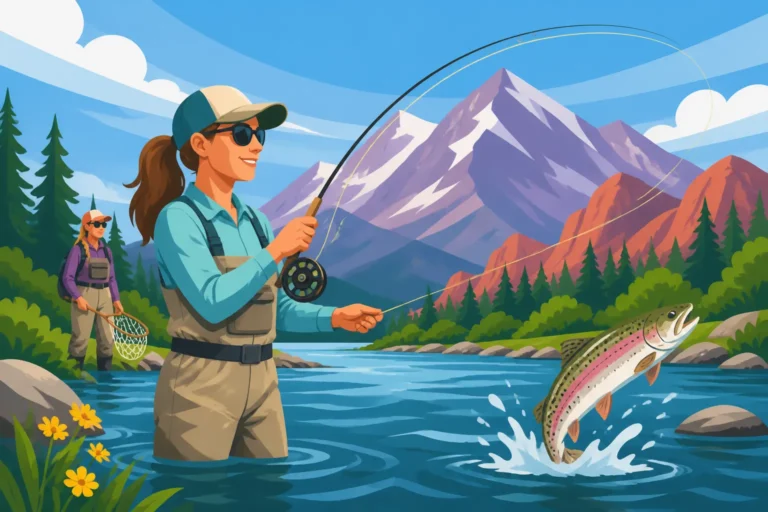
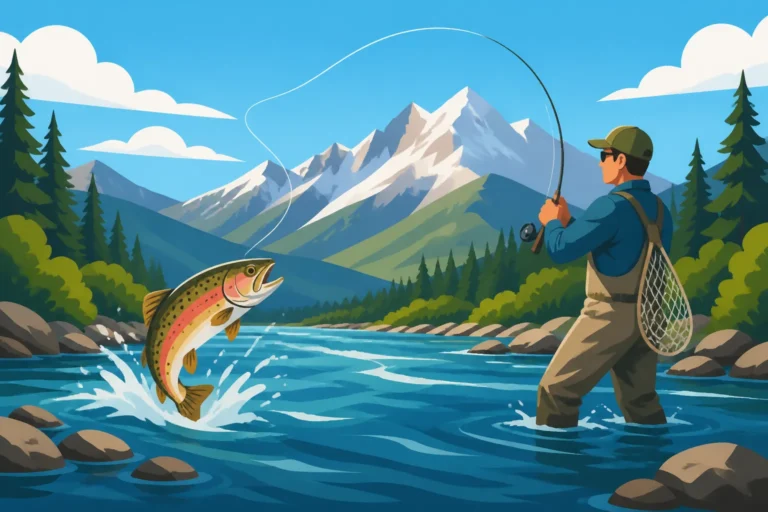
When you embark on a guided trip on the Gunnison near Almont, you'll primarily be targeting two species: rainbow trout and brown trout. Both species grow large here, thanks to the rich food sources and protected habitat. Rainbows are often vibrant, hard-fighting fish known for their acrobatic jumps and strong runs. They tend to be a bit less wary than browns, sometimes making them a bit more approachable for anglers looking for consistent action. Your guide will help you identify the subtle differences in their behavior and preferred lies.
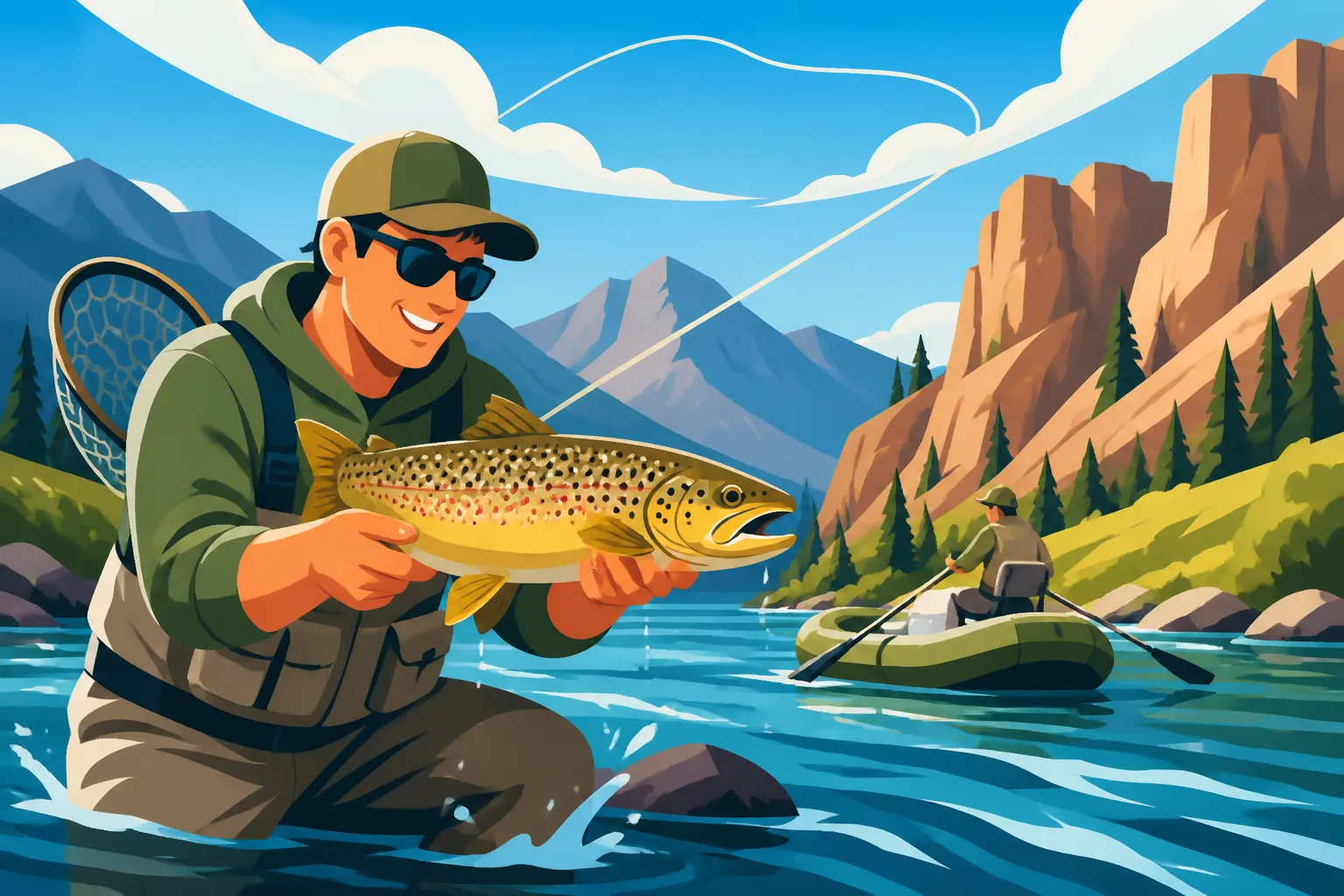
Brown trout, on the other hand, are often considered the prize of the Gunnison. These elusive, cunning fish are known for their beautiful golden flanks, dark spots, and incredibly powerful fights. They are notoriously territorial and can be a challenge to entice, especially the really big ones that often hide in deep, complex structures. Your guide's intimate knowledge of the river will be invaluable in locating these intelligent predators and presenting flies or lures in a way that coaxes them to strike. You might also encounter some brook trout in the smaller tributaries that feed the Gunnison, adding another colorful catch to your day. It’s a diverse fishery where every cast holds the potential for something truly memorable. Colorado's Trout Species, A Field Guide can help you learn more about these beautiful fish.
Understanding Different Guided Trip Options
One of the first decisions you'll make when planning a guided trip on the Gunnison near Almont is whether to opt for a float trip or a walk-wade experience. Both offer distinct advantages and a unique way to experience the river, and the best choice often depends on your fishing goals, skill level, and physical abilities. Your guide service will be able to discuss these options in detail, helping you select the perfect fit for your adventure.
The Thrill of a Gunnison Float Trip
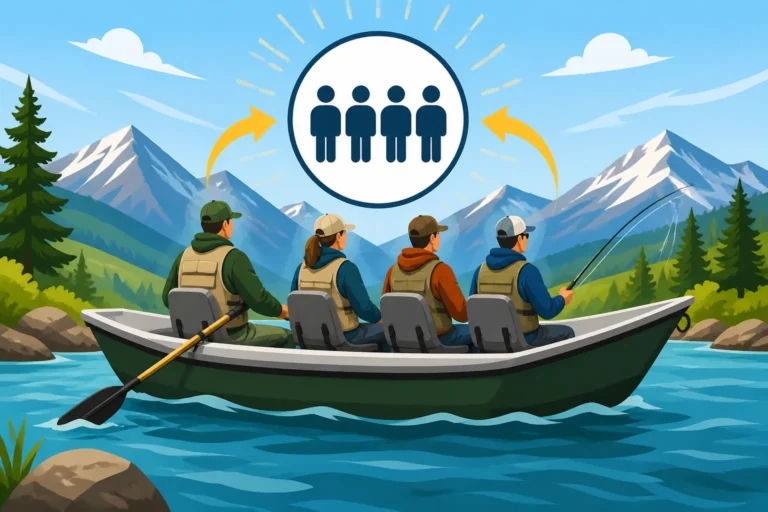
Float trips are perhaps the most popular way to fish the larger sections of the Gunnison River near Almont. Picture this: you're sitting comfortably in a drift boat or raft, effortlessly gliding downstream, while your guide expertly maneuvers the craft, pointing out prime fishing spots and setting you up for perfect drifts. This method allows you to cover a significant amount of water throughout the day, accessing runs, riffles, and deep pools that would be otherwise unreachable from the bank. It's less physically demanding than a walk-wade trip, making it a fantastic option for anglers who might have mobility concerns or simply prefer to conserve their energy for casting and fighting fish.
Float trips are particularly effective for targeting larger, more elusive fish that often hold in the middle of the river or under overhanging banks. Your guide will often position the boat to allow for long, uninterrupted drifts, giving your fly or lure ample time to present naturally to waiting trout. You'll typically fish from the boat, but guides often pull over in productive spots, allowing you to get out and wade fish certain stretches. The dynamic nature of a float trip, moving through varied water and constantly encountering new opportunities, is an exhilarating way to experience the Gunnison. It’s truly a classic Colorado fly fishing experience, perfect for covering ground and seeing diverse sections of the river. Guided Float Trips on Colorado Rivers are a staple for a reason.
The Intimate Experience of Walk-Wade Guiding
While float trips offer broad access, a walk-wade trip provides a more intimate, hands-on connection with the river. On a walk-wade trip, you and your guide will focus on specific stretches of water, often accessing them through public lands or designated access points. You'll spend your time actively wading the river, exploring pockets, seams, and riffles up close and personal. This style of fishing is often more physically demanding, requiring you to navigate uneven terrain, rocky bottoms, and potentially strong currents, but the rewards can be immense.
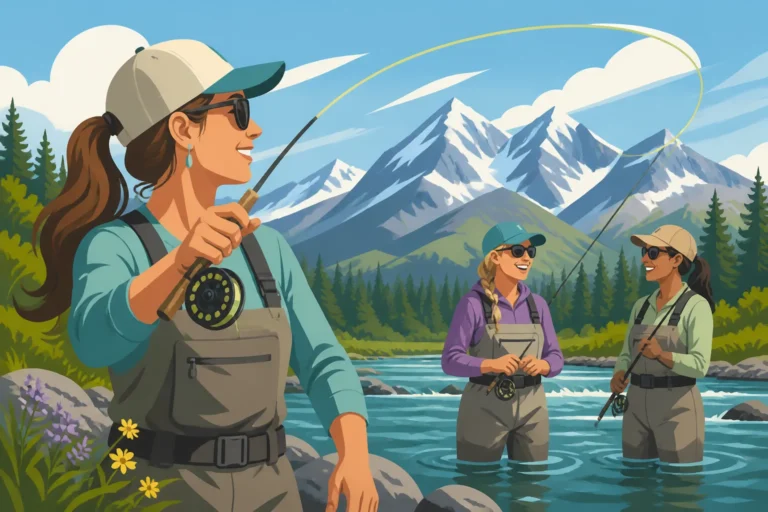
Walk-wade trips are ideal for anglers who enjoy a more methodical approach, who want to hone their casting and presentation skills in specific, challenging situations, or who simply prefer the feeling of being in the water. Your guide can provide more focused instruction on casting techniques, reading water, and stalking fish in close quarters. It’s also a fantastic option during certain times of the year, like during runoff when access might be limited to smaller, more wadeable tributaries or when trout are concentrated in specific areas. It’s a chance to really slow down, observe the river's subtle nuances, and feel every current tug at your line, creating a deep connection to the environment. If you're looking to truly refine your technique and connect with the Gunnison on a personal level, a walk-wade trip might be the perfect choice. Guided Walk-Wade Trips on Colorado Rivers offer a different kind of reward.
| Trip Type | Key Benefit | Ideal For | Physical Demand | Water Coverage | Typical Duration |
|---|---|---|---|---|---|
| Float Trip | Covers significant river mileage, access remote areas | Anglers wanting to see more water, less strenuous, casting from a boat | Low to Moderate | High | Half-day, Full-day |
| Walk-Wade | Intimate river connection, focused instruction | Anglers wanting hands-on wading, skill refinement, exploring specific spots | Moderate to High | Low to Moderate (focused) | Half-day, Full-day |
What Your Guided Trip Will Look Like
Once you've decided on the type of trip, you might be wondering about the nitty-gritty details. What exactly happens on a guided trip? What do you need to bring, and what does the guide provide? Rest assured, a good guide service aims to make your day as smooth, productive, and enjoyable as possible, taking the guesswork out of the equation so you can focus on the fishing.
A Typical Day on the Water
Your guided fishing trip on the Gunnison River near Almont will generally start bright and early. You'll typically meet your guide at a pre-arranged location, often the outfitter's shop in Almont or a nearby town, or directly at a river access point. After a quick introduction and discussion about your goals for the day – whether it's chasing big browns, improving your cast, or just enjoying the scenery – you’ll get outfitted with any necessary gear. For a float trip, you'll head to the put-in, and after a safety briefing, you'll be on the water. For a walk-wade, you might drive to several different spots throughout the day, walking and wading various sections.
Throughout the day, your guide will be your eyes and ears on the river. They'll read the water, identify likely holding spots for fish, tie on appropriate flies or lures, and provide continuous instruction and tips. They'll teach you about casting techniques, how to mend your line, how to detect subtle takes, and how to fight fish effectively. Lunch is often provided on full-day trips, usually a delicious streamside meal that allows for a break and more conversation. As the day winds down, you'll typically end up at a take-out point (for floats) or return to your vehicle, tired but hopefully triumphant, with stories of memorable catches and lessons learned. The experience is truly tailored to you, making it ideal for beginners and seasoned anglers alike.
Gear, Flies, and Expertise: What's Included
One of the biggest advantages of booking a guided trip is that most of the heavy lifting, in terms of gear and expertise, is handled for you. You usually won't need to worry about bringing your own fly rods, reels, or waders, as most reputable guide services will provide high-quality equipment. This is especially beneficial if you’re traveling from out of state or are new to the sport and don't yet own all the specialized gear. Think about it: no need to pack bulky waders or multiple rod cases on an airplane! Your guide will assess the conditions and provide the right setup for the day. Guided Trips With Gear Included vs Bring Your Own is a common question, and generally, guides prefer to provide it for consistency.
Beyond the physical gear, your guide's expertise is arguably the most valuable inclusion. They know the river like the back of their hand – where the fish are holding, what insects are hatching (or about to hatch), and what flies are working best. They’ll have a vast array of flies, tippet, and indicators, all meticulously chosen for the local conditions. They'll also bring their years of experience in reading water, understanding fish behavior, and adapting to changing conditions. This isn't just about catching fish; it's about learning the intricacies of the ecosystem and improving your own angling skills with a seasoned mentor by your side. They’ll also be well-versed in Colorado Fishing Regulations Every Angler Should Know, ensuring you stay compliant.
Choosing the Right Gunnison River Guide
Selecting the right fishing guide for your Gunnison River adventure is crucial to ensuring a memorable and successful trip. Just like any professional service, there's a wide range of experience and personality out there. Taking the time to research and ask the right questions can make all the difference between a good trip and a truly exceptional one.
Qualities of an Exceptional Gunnison Guide
An exceptional Gunnison River guide brings more than just fishing knowledge to the table. First and foremost, they should possess an intimate, almost encyclopedic understanding of the river itself – its currents, its depths, its insect hatches, and the various holding patterns of its trout. This local expertise, honed over years of fishing the same waters, is invaluable. They should also be patient and an excellent communicator, capable of teaching anglers of all skill levels, from absolute beginners struggling with their first cast to experienced hands looking to refine advanced techniques. A good guide doesn't just tell you what to do; they explain why and help you understand the subtle nuances.
Beyond technical skill, personality plays a huge role. Look for a guide who is enthusiastic, friendly, and genuinely passionate about sharing their love for the river. They should prioritize your enjoyment and learning experience, not just catching fish. Safety is paramount, too; a great guide will always put your safety first, whether it's navigating tricky currents, spotting unstable footing, or monitoring changing weather conditions. Finally, professionalism is key: punctuality, proper licensing, and a well-maintained boat and gear are all hallmarks of a top-tier guide. You can often find reputable guides through established outfitters in Almont or nearby Gunnison, or by reading reviews on platforms like FishingBooker.
Navigating the Booking Process: Tips and Considerations
Booking your guided trip on the Gunnison typically involves a few key steps. First, decide on your preferred dates and the type of trip (half-day or full-day, float or walk-wade). Keep in mind that prime seasons, like summer and fall, can book up months in advance, so early planning is essential. Next, reach out to a few different outfitters or independent guides. Don't be shy about asking questions! Inquire about what's included in the price, their cancellation policy, what level of experience their guides have, and what they recommend for the time of year you plan to visit. A good outfitter will be happy to answer all your queries and help you tailor the trip to your needs.
When you're ready to book, most guides or outfitters will require a deposit to secure your date. Make sure you understand their payment schedule and any policies regarding weather cancellations or changes. Online platforms like FishingBooker can be a great resource for comparing guides, reading reviews from other anglers, and streamlining the booking process. They often list multiple licensed guides operating in the Almont area, allowing you to see their specialties, available dates, and rates all in one place. No matter how you book, confirming all the details in writing is always a smart move. Remember, a What a Full-Day Colorado Guided Fishing Trip Costs can vary, so comparing options is wise.
Planning Your Gunnison Guided Adventure
Once you've chosen your guide and booked your trip, it's time to think about the practical aspects of your adventure. Preparing properly will ensure you're comfortable, safe, and ready to make the most of your time on the Gunnison River.
Preparing for Your Gunnison Adventure
Even if your guide provides most of the fishing gear, there are a few essentials you'll need to bring to ensure a comfortable and productive day on the water. Layered clothing is crucial in Colorado's mountains, as temperatures can fluctuate wildly throughout the day. Think moisture-wicking base layers, a fleece or wool mid-layer, and a waterproof/windproof outer shell, even in summer. Sun protection is also vital: a wide-brimmed hat, sunglasses (polarized are a must for seeing fish!), and high SPF sunscreen. Don't forget your personal medications, a reusable water bottle, and any snacks you might want in addition to lunch.
Most importantly, you must have a valid Colorado fishing license and a Habitat Stamp, which can be purchased online through the CPW website, at most sporting goods stores, or even directly from many outfitters. Ensure you purchase the correct license type for residents or non-residents, and consider annual, five-day, or one-day options based on your travel plans. Your guide will expect you to have this ready. It’s also wise to check the weather forecast for Almont a few days before your trip so you can pack accordingly. Being prepared allows you to relax and fully immerse yourself in the experience. Colorado Fishing License Guide for Residents and Nonresidents is a great resource.
Best Times to Fish the Gunnison Near Almont
The Gunnison River near Almont offers fantastic fishing opportunities year-round, but each season presents its unique advantages and challenges. Spring, particularly April and May, can be excellent before the peak of runoff, with good nymphing and early dry fly action. However, When Colorado's Spring Runoff Hits and How to Fish Around It can make rivers high and muddy, so a tailwater like the upper Gunnison (fed by Taylor Park Reservoir) often fishes better than freestone rivers during this time.
Summer (June through August) is arguably the most popular time, with consistent insect hatches (like caddis and stoneflies) and plentiful dry fly opportunities. The weather is generally warm and pleasant, though afternoon thunderstorms are common. Fall (September and October) is a personal favorite for many, offering crisp air, stunning autumn foliage, and the chance to target large, aggressive brown trout as they prepare for their spawn. Winter (November through March) can be surprisingly good, especially on the tailwater sections, with technical nymphing for big, hungry fish in peaceful solitude. Your guide will be able to advise on the absolute best time based on current conditions and what you hope to achieve.
Maximizing Your Guided Trip Experience
A guided trip is an investment, not just in catching fish, but in learning, experiencing, and enjoying the outdoors. To truly get the most out of your day with a guide, a little thought about communication, etiquette, and expectations goes a long way.
Communicating Effectively with Your Guide
The relationship between angler and guide is a partnership. To make it truly successful, open and honest communication is key. Before you even get on the water, clearly articulate your goals for the day. Are you hoping to catch a trophy fish, learn a specific technique, or simply enjoy a relaxing day? Letting your guide know your priorities allows them to tailor the experience to you. Throughout the day, don't be afraid to ask questions. If you don't understand an instruction, or if you're curious about a specific fly or piece of water, speak up! Your guide is there to teach and share their knowledge.
Also, be honest about your experience level. There's no shame in being a beginner, and a good guide will appreciate knowing where you stand so they can offer appropriate instruction. If you're tired, cold, or need a break, let them know. Conversely, if you're eager to try a new technique or want to focus on a particular type of water, communicate that too. This open dialogue ensures that both you and your guide are on the same page, leading to a more productive and enjoyable day for everyone. It helps them prepare the right gear and set realistic expectations.
Tipping and Etiquette on a Guided Trip
When you hire a fishing guide, it’s important to understand the customary etiquette, particularly regarding gratuities. Guides in the outdoor industry rely heavily on tips as part of their income, and a generous tip is a way to show your appreciation for their hard work, expertise, and dedication. While there isn't a strict rule, the general practice for a full-day guided fishing trip in Colorado is to tip your guide anywhere from 15% to 25% of the trip's cost. For a half-day trip, the percentage might be slightly higher. Of course, this can vary depending on the level of service and your satisfaction.
Beyond the tip, consider how your actions contribute to the day. Be punctual for your meeting time, listen to your guide's instructions (especially safety briefings), and be respectful of the equipment provided. Offer to help with mundane tasks like loading or unloading gear, if appropriate. Keep a positive attitude, even if the fishing is slow – sometimes the fish just aren’t biting, and your guide is doing their best. A little gratitude and a good attitude can go a long way in building a positive rapport and making the day more enjoyable for everyone involved. Tipping a Colorado Fishing Guide, What's Standard provides more detail on this often-asked question.
Disclaimer
This article is for general informational purposes only and does not constitute professional advice. Laws, prices and regulations vary by location and change over time. Consult a qualified professional for guidance on your specific situation.