Best Season to Book a Guide on the South Platte
One of the biggest head-scratchers for any angler planning a trip to Colorado’s legendary South Platte River, especially if you’re thinking about booking a guide, is figuring out when to go. You’ve heard tales of monster brown trout, incredible dry fly hatches, and challenging tailwater technicality, but how do you align your dreams with the river's ever-changing moods? This guide is here to break down the South Platte's seasons, helping you pinpoint the absolute best time for your ideal guided fishing experience, no matter what you're hoping to catch.
Understanding the South Platte's Seasons and What They Mean for Anglers
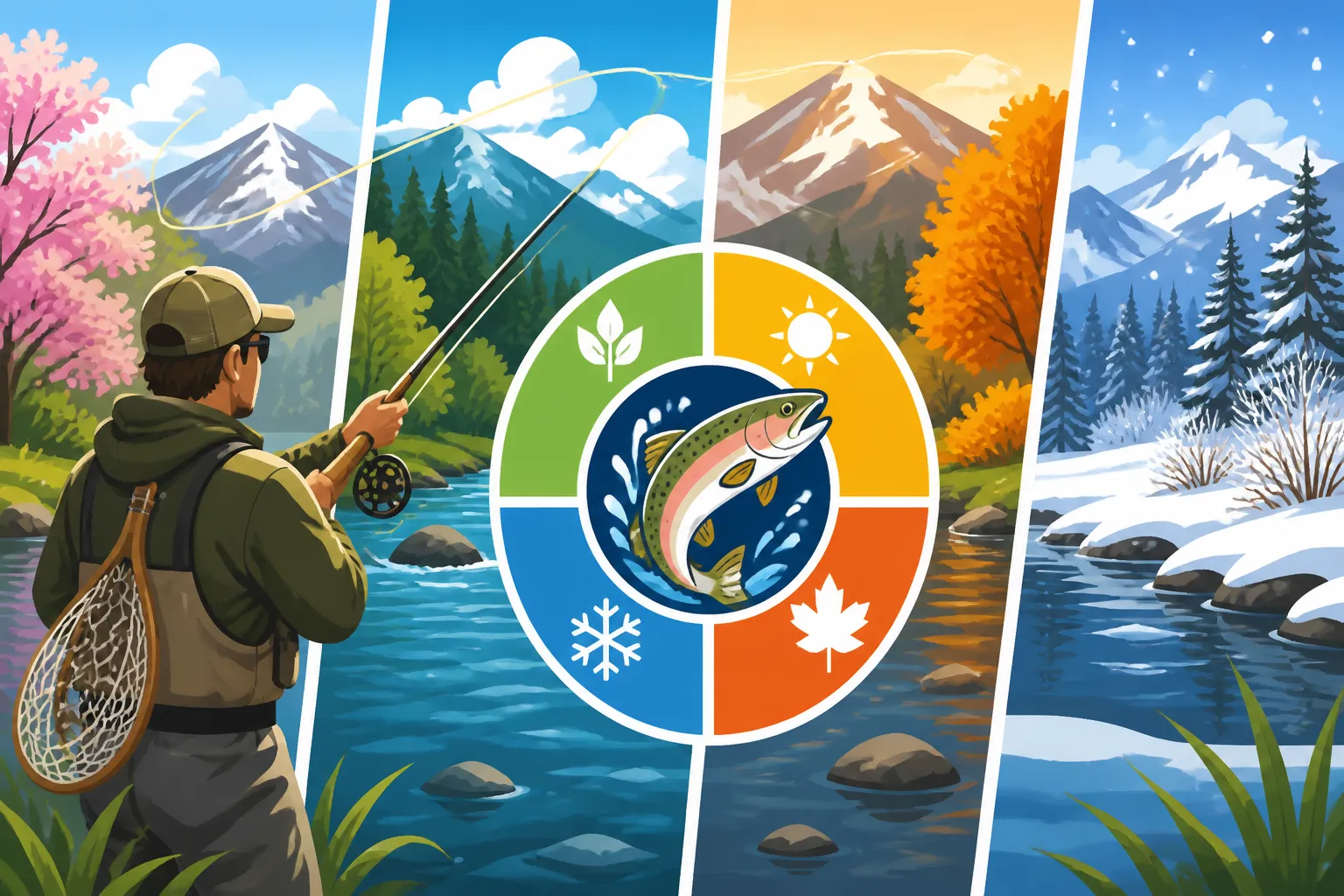
The South Platte River is a true gem, flowing through diverse landscapes from high mountains to open plains. Its character shifts dramatically with the seasons, impacting everything from fish behavior to water conditions and, yes, even how many other anglers you'll share the river with. Knowing these seasonal rhythms is the first step to planning a successful guided trip.
Winter's Cold, Clear Challenges and Opportunities
When the snow flies and the temperatures drop across Colorado, many fair-weather anglers pack away their gear. But for the dedicated, winter on the South Platte offers a unique and often rewarding experience. The water is typically low and crystal clear, making for incredibly challenging but deeply satisfying fishing. Fish become more lethargic, conserving energy, and their feeding windows are often shorter and more precise.
This is a prime time for technical nymphing, often with tiny midge patterns and subtle presentations. You might not see the explosive dry fly action of summer, but the rewards come in the form of hard-earned, healthy trout that have weathered the cold. The crowds are significantly thinner, offering a sense of solitude that's hard to find during warmer months. A good guide during winter is invaluable; their trained eye can spot fish in the clear water that you might totally miss, and their expertise in subtle nymph rigs and fly selection for cold-water conditions is second to none. If you’re looking to truly hone your skills and enjoy a peaceful day on the water, winter can be surprisingly fruitful, especially for those willing to brave the chill. You can learn more about fishing specific patterns in the cold by checking out Midge Fishing in Colorado Winters.
Spring's Promise and the Onset of Runoff
Spring on the South Platte is a season of transition, often characterized by a tantalizing "pre-runoff" period followed by the inevitable surge of snowmelt. In the early spring, as temperatures begin to warm, fish become more active, feeding aggressively in preparation for the upcoming spawn and the lean days of runoff. You might find increasing success with larger nymphs and even some early season dry fly opportunities as aquatic insect activity picks up. This window, typically from March into April, can be fantastic, offering a sweet spot before the river gets too high and muddy.
However, as the snowpack in the high country begins to melt in earnest, usually in late May through June, the river experiences its annual runoff. The South Platte, particularly its freestone sections, can become a raging torrent of high, turbid water, making fishing incredibly difficult, if not impossible, in many areas. While tailwaters below dams (like those in the Deckers or Cheesman Canyon areas) are less affected by runoff and can remain fishable, even they experience increased flows. A guide during this time is critical for understanding where the fish might be holding in the higher flows and what flies might penetrate the murk. For a deeper dive into how Colorado rivers behave during this time, read our guide When Colorado's Spring Runoff Hits and How to Fish Around It.
Summer's Abundance and Afternoon Hatches
Ah, summer. For many anglers, this is the quintessential time to visit the South Platte. Post-runoff, the river settles into more moderate flows, and the warmer temperatures ignite a flurry of insect activity. Caddis, mayflies, and stoneflies emerge in droves, leading to incredible dry fly fishing opportunities, especially in the late mornings and afternoons. Terrestrial insects like grasshoppers and ants also become a significant food source as they tumble into the water, providing exciting topwater action.
The days are long, the scenery is vibrant, and the fishing can be nothing short of spectacular. It's a fantastic time for both seasoned fly anglers and those just starting out who want to experience the thrill of a fish rising to their dry fly. However, summer also brings the crowds. Popular access points, especially on weekends, can be bustling. Afternoon thunderstorms are also a common occurrence in Colorado's high country, which can briefly put a damper on fishing or even make conditions unsafe. A guide during summer can help you navigate the busy spots, find hidden pockets of fish, and often has the local knowledge to predict where the next big hatch might be. To maximize your chances during this time, familiarize yourself with Dry Fly Season on Colorado's Freestones.
Fall's Golden Hues and Big Brown Trout
For many serious anglers, fall is the undisputed champion season for fishing the South Platte, particularly if trophy brown trout are your target. As the leaves turn golden and the air cools, the browns become incredibly aggressive, fattening up before their spawning season. This is prime time for streamer fishing, where you're actively stripping large baitfish patterns, hoping to entice a territorial strike from a big male brown. The colors of the surrounding landscape are breathtaking, making for a truly picturesque angling experience.
While the brown trout spawn can make some areas temporarily sensitive or closed (it's crucial to know the regulations and avoid disturbing spawning fish), many sections remain open and offer phenomenal fishing. Beyond streamers, you'll still find good nymphing and occasional dry fly opportunities, especially for blue-winged olives. The crowds typically thin out after the peak summer tourist season, offering a more peaceful experience than July or August. If landing a memorable brown trout is high on your bucket list, a guided fall trip is often your best bet. Learn more about how the season influences fish behavior in Brown Trout Spawning Season in Colorado.
Deciding Your "Best" Season: Factors to Consider
With the river's seasonal dance in mind, the "best" season really comes down to your personal preferences and what you hope to achieve on your guided South Platte trip. There’s no single right answer, only the right answer for you.
Your Fishing Goals: Dry Flies, Big Fish, or Solitude?
Before you even pick up the phone to book, ask yourself what kind of experience you're truly seeking. Are you dreaming of seeing a trout sip your perfectly presented dry fly off the surface? Then summer, with its prolific insect hatches, is likely your sweet spot. The longer days and warmer weather create ideal conditions for surface activity, and a guide can help you dial in your fly selection and presentation for specific hatches.
Perhaps your ultimate goal is to hook into a truly massive brown trout, the kind that lurks in deep pools and requires aggressive tactics. In that case, fall, with its cooler water temperatures and the brown trout's pre-spawn feeding frenzy, becomes the prime target for streamer fishing. A guide will know the best runs and pools where these big fish hold and can teach you the nuances of stripping streamers effectively. Dive deeper into this technique with Streamer Fishing for Colorado Brown Trout. If, however, your priority is to escape the hustle and bustle, to find peace and quiet on the river, then winter or the shoulder seasons (early spring or late fall) might be more appealing. While the fishing can be more challenging, the solitude and crisp mountain air offer a different kind of reward.
Weather and Water Conditions: What to Expect
Colorado weather is famously unpredictable, especially in the mountains. While we've outlined general seasonal trends, Mother Nature always has the final say. Understanding the typical conditions for each season can help you prepare and set realistic expectations.
In winter, expect cold temperatures, ice on the banks, and potentially snowy conditions. Dressing in layers is crucial, and having a guide who knows how to navigate icy trails and frigid water safely is a huge advantage. Spring can be a mixed bag of warm, sunny days and sudden snowstorms, with runoff often beginning subtly before becoming a torrent. A guide stays current on river flows and can adjust plans to put you on fishable water, even if conditions are challenging elsewhere. Summer brings warmth and sunshine, but also the potential for intense afternoon thunderstorms, particularly at higher elevations. These storms can cause flash flooding and make wading dangerous. Fall generally offers stable, pleasant weather, but sudden cold fronts can occur. The beauty of booking a guide is that they are constantly monitoring these conditions and can make informed decisions to ensure both your safety and your best chance at a successful fishing day. For tips on how weather influences dry fly fishing, check out Best Weather for Dry Fly Fishing in Colorado.
Crowds, Accessibility, and the Guide's Advantage
The South Platte, especially its famous sections like Deckers, Cheesman Canyon, and the Dream Stream, are incredibly popular, and for good reason. They offer world-class fishing. However, popularity often comes with crowds, particularly on weekends and during peak summer months.
If you're someone who thrives in solitude and finds peace in an uncrowded river, booking a guide during the less popular seasons, like winter or even some weekdays in spring and fall, can significantly enhance your experience. Even during busy seasons, a good guide often knows lesser-known access points or has relationships with private landowners that can offer exclusive access, helping you avoid the elbow-to-elbow combat fishing that can sometimes occur on public stretches. They also have the benefit of being able to shuttle you to different spots efficiently, maximizing your time on productive water. Understanding the dynamics of angler traffic, particularly in areas like Cheesman Canyon, can really help manage expectations, so considering How Crowded Cheesman Canyon Gets on Weekends is a good idea. Ultimately, a guide is not just there to help you catch fish, but to facilitate the overall experience you desire, including helping you find that sweet spot of solitude if that's what you're after.
| Season | Typical Conditions | Pros for Guided Trips | Cons for Guided Trips | Best for Anglers Seeking… |
|---|---|---|---|---|
| Winter | Low, clear water; cold temps; potential snow/ice | Fewest crowds, challenging skill development, solitude | Cold weather, technical fishing, slower action | Solitude, skill-building, patience |
| Spring | Varied flows, pre-runoff clarity then high water | Pre-runoff activity, increasing hatches | Runoff can make fishing tough or unsafe | Early season action, avoiding peak crowds |
| Summer | Moderate flows, warm temps, abundant insect life | Prolific dry fly hatches, long days, good variety | Highest crowds, afternoon storms | Dry fly action, consistent catching |
| Fall | Cooling temps, stable flows, vibrant foliage | Aggressive brown trout, streamer fishing, fewer crowds | Brown trout spawn closures (check regs) | Trophy brown trout, beautiful scenery |
Practicalities of Booking: Timing and Guide Availability
Once you've zeroed in on your ideal season, the next crucial step is actually securing your guide. Colorado's best guides are in high demand, and understanding booking lead times is essential to avoid disappointment.
Booking Lead Times for Peak Seasons
It's a common misconception that you can just call up a guide a week or two before your trip and expect to get the date you want. This is especially untrue for the South Platte, a river that draws anglers from all over the world. If you're aiming for a prime time, such as the heart of summer's dry fly season or the peak of fall's brown trout migration, you really need to plan ahead.
Many of the most reputable guides and outfitters in the area have their calendars filling up months, sometimes even a year, in advance for these high-demand periods. Weekends, particularly, are snatched up quickly. Think about it like booking a popular restaurant or concert tickets – the best seats go first. If you have specific dates in mind, or if you're traveling from out of state and have a limited window, aim to book at least 3-6 months out, and even further for those absolute prime weeks. Platforms like FishingBooker can be incredibly helpful for seeing guide availability and comparing options, but don't delay once you've made your decision. For a general overview, consider How Far in Advance to Book a Colorado Fishing Guide.
Flexibility and Off-Season Deals
If your schedule allows for some flexibility, or if your budget is a key consideration, then exploring the shoulder seasons or even the true off-season can be a smart move. Guides often have more openings during late fall (after the brown trout spawn but before deep winter), early spring (before runoff, but after the coldest winter days), and certainly on weekdays throughout the year.
The benefits aren't just about availability. Sometimes, guides or outfitters might offer slightly more attractive rates during these slower periods, or they might be able to dedicate more time and focus to your trip without the pressure of back-to-back bookings. Fishing during these times can also provide a more intimate experience, with fewer anglers on the water and a chance to learn more deeply from your guide without feeling rushed. It's a great way to experience the South Platte without the premium pricing or the crowds. You might also find some compelling reasons to explore Are Guided Trips Cheaper on Weekdays in Colorado? if you have the flexibility.
What a South Platte Guide Offers Beyond Just Finding Fish
While catching fish is definitely part of the fun, a guided trip on the South Platte offers so much more than just a successful fish count. Especially on a technically demanding river like the South Platte, a guide is an invaluable teacher and mentor. They'll instruct you on proper casting techniques that are effective for the river's specific currents and features, helping you present your fly accurately without spooking fish.
A good guide will also be an expert in Matching the Hatch on Colorado's Tailwaters, knowing precisely what insects are active at any given time and how to select the right fly patterns and sizes. They'll teach you how to effectively "read the water," identifying prime holding lies for trout in various currents and depths. This skill is transformative, helping you understand where fish position themselves and why, which is crucial for Reading Water on a Colorado Freestone River. Beyond the technical skills, guides provide local knowledge on access points, river etiquette, conservation practices, and important regulations. They’re also there for safety, especially if you're wading in unfamiliar waters or during conditions like high flows or icy banks. It's truly an educational experience, equipping you with knowledge that will make you a better angler long after your trip concludes.
Tailoring Your South Platte Guide Trip
To truly get the most out of your South Platte guided adventure, it's worth thinking about a couple of additional factors that can fine-tune your experience.
Choosing the Right Section of the South Platte
The "South Platte River" isn't just one monolithic stretch of water; it comprises several distinct sections, each with its own character, regulations, and fishing opportunities. Your guide will be instrumental in helping you choose the best section based on the season, current conditions, and your personal goals.
For example, the famous Dream Stream, nestled between Spinney Mountain and Eleven Mile Reservoirs, is renowned for its large trout and classic bend-and-braid structure. It fishes differently than the heavily pressured, yet incredibly productive, tailwater sections near Deckers, which are known for technical nymphing. Meanwhile, the deeper, canyon-bound waters of Cheesman Canyon offer a wilderness feel and highly selective fish. A guide's expertise here is paramount. They know which sections are fishing well in October for brown trout versus which ones are producing strong dry fly action in July. They'll consider factors like angler pressure, current flow rates, and recent insect activity to put you on the most productive water. For those interested in the Deckers area, consider Guided Trips on the South Platte Near Deckers, or if the Dream Stream calls to you, explore Guided Trips on the Dream Stream. Discussing these options with your guide beforehand will ensure your trip is tailored exactly to your expectations.
Considering Full-Day vs. Half-Day Trips
Another practical decision is whether to opt for a half-day or full-day guided trip. Both have their merits, and the "best" choice depends on your stamina, budget, and learning objectives.
A half-day trip, typically around 4-5 hours, can be an excellent option for beginners looking to get an introduction to fly fishing without committing to a full day of intense learning. It's also great for experienced anglers who want to focus on a specific hatch or technique during a prime window, or simply get a taste of the river if time is limited. You can get a good feel for the river and learn some key skills without getting overly tired. However, a full-day trip, usually 7-8 hours, offers a much more comprehensive experience. It allows for more travel time to different sections of the river, the opportunity to fish through multiple hatches or try various techniques (like nymphing, dry flies, and streamers), and more in-depth instruction. It gives you the time to really settle into the rhythm of the day, work through challenges, and often culminates in those unforgettable moments that come with persistence. For a better idea of costs associated with these options, check out What a Full-Day Colorado Guided Fishing Trip Costs and What a Half-Day Colorado Guided Fishing Trip Costs. If you're coming from afar or genuinely want to maximize your time and learning, a full day is usually the way to go.
Disclaimer
This article is for general informational purposes only and does not constitute professional advice. Laws, prices and regulations vary by location and change over time. Consult a qualified professional for guidance on your specific situation.