Guided Ice Fishing Trips on Colorado Reservoirs
There's a unique kind of magic that settles over Colorado's high country reservoirs when winter takes hold, transforming shimmering summer waters into vast, frozen landscapes perfect for ice fishing. But for many, the thought of venturing out onto a frozen lake with an auger and a jig rod can feel daunting, full of unknowns and potential hazards. This comprehensive guide will walk you through everything you need to know about guided ice fishing trips on Colorado reservoirs, helping you turn those icy doubts into a memorable and successful winter angling adventure.
Why Consider a Guided Ice Fishing Trip on Colorado Reservoirs?
Venturing out onto the ice can be an incredibly rewarding experience, offering peaceful solitude and the thrill of pulling a fish from beneath your feet. However, it also comes with its own set of challenges, from understanding ice conditions to having the right specialized gear. That's where a guided trip truly shines, taking the guesswork and heavy lifting out of the equation.
Navigating the Ice Safely and Confidently
One of the biggest anxieties for anyone new to ice fishing, or even those with some experience, is the safety aspect of being on frozen water. No one wants to guess if the ice is thick enough, or worry about hidden pressure ridges. A professional guide brings invaluable expertise to this critical area.
A good guide is constantly monitoring ice thickness, checking conditions, and knowing the nuances of specific reservoirs. They understand how currents, snow cover, and recent temperature fluctuations affect ice stability. They'll also come equipped with essential safety gear like ice picks, flotation devices, and ropes, not just for you, but for their own peace of mind. This means you can focus on the fishing, knowing you're in capable hands. You might even learn a trick or two about How Thick Ice Needs to Be Before You Fish It in Colorado.
Access to Specialized Gear and Local Know-How
The initial investment in ice fishing gear can be substantial. You need an auger to drill holes, a portable shelter to escape the biting wind, a heater, specialized rods, reels, and a whole tackle box filled with jigs, spoons, and bait. Most guided trips include all of this. Imagine showing up to the reservoir with just your warm clothing, snacks, and a sense of adventure, and finding a comfortable, heated shelter already set up for you.
Beyond the physical gear, guides possess a treasure trove of local knowledge. They spend countless hours on the ice, understanding the seasonal patterns of What Species Bite Best Through the Ice in Colorado on particular reservoirs, where they hold, and what they're biting on. They know the subtle contours of the lakebed, where the drop-offs are, and where the fish tend to congregate. Staring at a vast frozen lake with no idea where to start is a common frustration, and a guide solves that problem instantly. This insight is especially crucial for targeting specific species, like finding the deep haunts of lake trout or the schooling patterns of perch.
Learning New Techniques and Maximizing Your Catch
For many anglers, ice fishing is a completely different ballgame than open-water fishing. The techniques, while seemingly simpler, often require a refined touch. A guided trip is an incredible opportunity to learn these nuances from an expert.
Your guide will demonstrate effective jigging motions, how to read a fish finder (which they'll likely provide), and how to properly set a tip-up for passive fishing. They can teach you about different lures and baits, such as specific colors or scents that work best on a given day. Want to know the secret to Jigging for Lake Trout Through the Ice or how to set up a How to Set Up a Tip-Up for Lake Trout? A guide will show you hands-on. Even experienced anglers can pick up new tricks, refining their presentations or learning about productive new spots they might not have discovered on their own. The goal isn't just to catch fish, but to understand why you're catching them, building your skills for future outings.
What to Expect on a Guided Colorado Ice Fishing Trip
So, you've decided to take the plunge and book a guided ice fishing trip. That's fantastic! But what does a typical day actually look like, and what should you be prepared for? Understanding the flow of the trip can help you relax and truly enjoy the experience.
The Logistics: Meeting, Setup, and Finding the Fish
Most guided trips start early in the morning, often before sunrise, to maximize fishing time during prime feeding windows. You'll typically meet your guide at a pre-determined location near the reservoir, such as a boat ramp or a specific parking area. From there, you'll either ride with them or follow them to the ice access point.
Once on the ice, the guide will handle the bulk of the setup. This usually involves drilling multiple holes with a power auger (which means you won't be struggling with a hand crank in freezing temperatures!), deploying a portable ice shelter or "shanty," and setting up heaters to keep you comfortable. They'll also likely have electronics, like a fish finder or flasher, already running to help locate fish. You'll be surprised how quickly a cozy, productive fishing camp can be established in the middle of a frozen lake. They might even teach you about What Auger Size Works Best for Colorado Ice Fishing and why it matters.
Fishing Techniques and Target Species
Depending on the reservoir and the target species, your guide will instruct you on the best techniques. For predatory fish like lake trout or northern pike, you might be jigging with larger spoons or swimbaits. For kokanee salmon, smaller jigs often tipped with corn or scent are common, sometimes fished in combination with a downrigger if you're targeting them through specific ice depths. Perch and walleye will often respond well to small jigs tipped with live bait like mealworms or minnows.
Colorado's reservoirs offer a diverse range of ice fishing opportunities. You could be jigging for trophy lake trout at Blue Mesa Reservoir, targeting kokanee salmon during their spawning runs, or enjoying fast action with yellow perch and rainbow trout at other popular spots. Your guide will tailor the experience to the species present and your preferences, explaining the nuances of each. Don't forget, you'll need your Colorado Fishing License Guide for Residents and Nonresidents and likely a Colorado's Second-Rod Stamp and Who Needs One if you plan on fishing with two rods!
Amenities and Comforts on the Ice
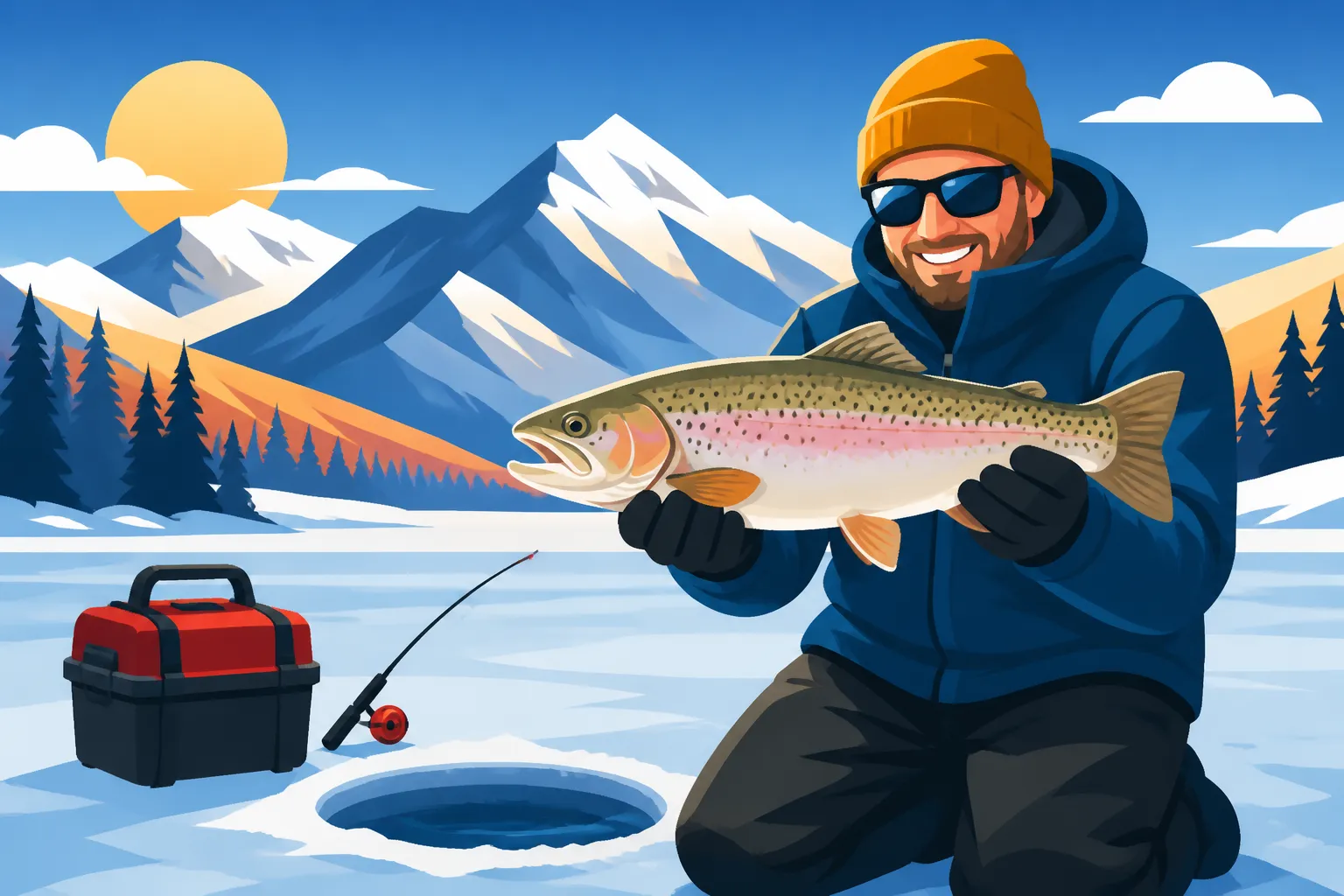
Modern guided ice fishing trips aren't just about shivering on a bucket. Many guides provide surprisingly comfortable setups. Expect a heated shelter – either a pop-up tent or a more robust shanty – which can be a game-changer on a blustery Colorado winter day. Inside, you'll often find comfortable seating, a table, and plenty of room to move around.
Many guides will also provide hot beverages, snacks, and even a warm lunch as part of the package. This is a huge bonus, as keeping warm and fed is essential for an enjoyable day on the ice. They'll have all the necessary tools like needle-nose pliers, hook removers, and a landing net, ensuring a smooth and ethical catch-and-release process if that's your goal. If you're wondering What Gear a Guided Ice Fishing Trip Provides, it's usually everything you need except your personal winter clothing.
Choosing the Right Guide and Outfitter for Your Trip
Deciding to go with a guide is the first step; choosing the right one is the next. With so many options in Colorado, it can feel a bit overwhelming. But by focusing on a few key areas, you can find the perfect fit for your ice fishing adventure.
Researching Guides and Outfitters
Start your search by looking for guides specifically advertising ice fishing trips on Colorado reservoirs. Not all fishing guides offer ice fishing, as it requires different expertise and equipment. Online search engines are a great start, but also check out local fly shops and sporting goods stores in towns near major ice fishing destinations like Gunnison, Granby, or Leadville. They often have trusted guides they recommend.
Reading reviews from past clients is critical. Look for comments on the guide's patience, teaching ability, knowledge of the local waters, and overall professionalism. Were they safety-conscious? Did they work hard to put clients on fish? Websites like FishingBooker are excellent resources for finding and comparing guides, as they often include detailed profiles, customer reviews, and transparent pricing. When browsing on FishingBooker, you can filter by location, species, and even type of trip (like ice fishing) to narrow down your options.
What to Look For in a Reputable Guide
When you're ready to contact potential guides, have a list of questions prepared. Here are some key things to consider:
- Experience and Local Knowledge: How long have they been guiding ice fishing trips in Colorado, and specifically on the reservoir you're interested in? Experience often translates to better results and safer outings.
- Safety Protocols: Ask about their safety measures, emergency plans, and what safety gear they carry. This is paramount for ice fishing.
- Gear Provided: Confirm exactly what gear they supply, from augers and shelters to rods, reels, and tackle. Will they have a fish finder? What's Included in a Colorado Guided Fly Fishing Trip or ice fishing trip can vary, so clarify upfront.
- Target Species and Techniques: Discuss your expectations. Are you hoping for a trophy lake trout, or is catching a limit of perch your main goal? Ensure their expertise aligns with your desired experience.
- Group Size and Customization: If you're going with a family or a group, confirm how many anglers they can accommodate and if they offer any discounts for larger parties. Some guides specialize in family-friendly trips, which might be perfect if you have kids.
- License and Permits: While the guide provides the expertise and gear, you are still responsible for having your valid Colorado fishing license and any necessary stamps. Ask if they will remind you or verify you have one, but know it's ultimately your responsibility. You can learn more about Do You Need Your Own License for a Guided Trip in Colorado? in another post.
- Cancellation Policy: Colorado weather can be unpredictable. Understand their policy regarding cancellations due to unsafe ice conditions or severe weather. Many guides will offer rescheduling or a refund in such instances.
A good guide will be happy to answer all your questions thoroughly. Don't hesitate to reach out to a few different options before making your final decision. Platforms like FishingBooker make it easy to contact multiple guides and compare their offerings side-by-side.
Making the Most of Your Guided Ice Fishing Experience
You've booked your trip, you've got your warm layers packed – now it's time to prepare yourself for an incredible day on the ice. A little preparation and the right mindset can elevate a good trip into an unforgettable one.
Essential Gear to Bring (Beyond What the Guide Provides)
While your guide will supply most of the fishing equipment and comforts, there are still a few personal items you absolutely need to bring to ensure your comfort and enjoyment.
- Layered Clothing: This is perhaps the most important item. Think base layers (merino wool or synthetics), mid-layers (fleece or down), and a waterproof/windproof outer shell. A good winter hat, waterproof gloves (with thinner liners for dexterity), and insulated, waterproof boots are non-negotiable. It's much easier to shed layers if you get too warm than to magically conjure more if you're freezing.
- Sun Protection: Even in winter, the Colorado sun can be intense, especially with reflection off snow and ice. Bring sunglasses, sunscreen, and lip balm.
- Food and Drink: While many guides offer snacks and drinks, it's always a good idea to bring extra water, a thermos of coffee or hot chocolate, and some energy bars. You'll be burning calories staying warm and battling fish!
- Personal Medications: Don't forget any prescription medications or over-the-counter items like pain relievers or motion sickness remedies (if driving on winding mountain roads is an issue for you).
- Camera: You'll want to capture those memories, whether it's the stunning winter scenery or your prize catch.
- Cooler: If you plan on keeping fish within Colorado's Colorado Bag and Possession Limits by Species, bring a cooler to transport your catch home safely.
Etiquette on the Ice: Learning and Respect
Your guide is there to help you have a great time and catch fish, but they're also your teacher and a professional. Being an attentive and respectful client will enhance the experience for everyone.
- Listen Actively: Pay attention when your guide is explaining techniques, showing you how to use equipment, or discussing safety. This is your chance to learn.
- Ask Questions: Don't be shy! If you don't understand something, ask. Guides love to share their knowledge. "Why does this lure work better than that one today?" or "How do you read this fish finder?" are great questions.
- Follow Instructions: Especially when it comes to safety or handling fish, follow your guide's directions precisely.
- Be Patient: Fishing is fishing, and some days are slower than others. A good guide will work hard to find fish, but sometimes the bite just isn't on. Enjoy the experience, the scenery, and the company.
- Tipping Your Guide: It's customary to tip your fishing guide, much like you would a server or other service professional. A typical range is 15-20% of the trip cost, but ultimately, it's based on your satisfaction with the service. You can read more about Tipping a Colorado Fishing Guide, What's Standard.
Ultimately, a guided ice fishing trip on a Colorado reservoir offers a fantastic opportunity to experience a unique winter activity with confidence and comfort. Whether you're a seasoned angler looking to hone your skills or a complete beginner eager to try something new, a professional guide can provide the expertise, equipment, and local knowledge to make your day on the ice truly special.
Disclaimer
This article is for general informational purposes only and does not constitute professional advice. Laws, prices and regulations vary by location and change over time. Consult a qualified professional for guidance on your specific situation.