Are Colorado Fishing Guides Licensed by the State?
It’s a really common question, one that pops up in online forums and on riverbanks all the time: "Do Colorado fishing guides need to be licensed by the state?" You’d think the answer would be a simple yes or no, right? But like so many things in the world of outdoor recreation here in Colorado, the reality is a little more nuanced, and often, quite a bit more confusing than you might initially expect. This guide is here to untangle those complexities, explain exactly what legal requirements apply to guides and outfitters in the Centennial State, and help you understand what to look for when booking your next guided fishing adventure.
The Short Answer: It's Not a Simple "Yes" for All
When you ask if a Colorado fishing guide is "licensed by the state," most people picture something akin to a driver's license or a professional certification that an individual guide must carry. Here in Colorado, it's not quite that straightforward. The state does not issue a specific individual "fishing guide license" that a person must possess to take clients fishing. This is a common point of confusion, and it often surprises new anglers or those coming from states with different regulations.
Distinguishing Between State and Federal Waters
The regulations governing guided fishing trips often depend heavily on where the guiding actually takes place. Are you casting lines in a state park, floating a river that runs through national forest land, or perhaps wade fishing on private property? Each scenario can have different requirements. For instance, Colorado Parks and Wildlife (CPW), the state agency responsible for managing fishing licenses and regulations, requires anglers to have a valid Colorado Fishing License Guide for Residents and Nonresidents and often a Who Needs Colorado's Habitat Stamp, but they don't have a separate licensing system for individual guides themselves.
This distinction is crucial. While CPW is heavily involved in regulating the act of fishing—setting bag limits, season dates, and enforcing rules on waters across the state—their direct oversight of the individual who leads the trip is less about personal licensing and more about the business entity and access permits. A guide fishing on a small, privately-owned pond might operate under entirely different stipulations than one taking clients out for a full day float trip on a major river that flows through federal land. It’s not a one-size-fits-all situation, and understanding these layers is key to ensuring you're fishing with a legitimate operation.
The Role of Outfitter Registrations and Permits
Instead of individual guide licenses, Colorado focuses on what are called "outfitter registrations" and, importantly, federal land use permits. Think of it this way: the state doesn't license every single person who might point you to a good fishing spot and charge you for it, but it does regulate the businesses that provide those services.
A registered outfitter in Colorado is a business entity that offers guided outdoor recreational services. This registration isn't for the individual guide working for the outfitter, but for the company itself. This distinction is important because it means that while the guide you’re with might not have a specific "guide license," the business employing them, or the business they own, should be registered with the state. This registration provides a layer of accountability, ensuring that the business meets certain operational standards, including often mandating commercial liability insurance. It’s a way for the state to keep track of commercial operations and offer some consumer protection, even if it doesn't directly certify the individual guide's fishing prowess. This also applies to services like Hiring a Fishing Guide in Colorado, What to Expect.
Understanding Colorado's Outfitter Registration
If the state doesn't license individual guides, what does it do? It registers outfitters. This might sound like splitting hairs, but it's a significant difference that impacts how guided trips are regulated and, ultimately, your experience as a client.
What is a Registered Outfitter?
In Colorado, an "outfitter" is essentially a business that provides guided outdoor recreational activities, which definitely includes fishing trips. These businesses are required to register with the Colorado Department of Regulatory Agencies (DORA), often in conjunction with Colorado Parks and Wildlife (CPW) for certain activities. This registration is primarily a business credential, not a personal one for each guide on staff. It's similar to how a plumbing company is licensed, but each individual plumber might not have a separate state-issued "plumber's license" if they're working under the company's umbrella.
The outfitter registration process typically involves the business providing proof of commercial liability insurance, which is a huge benefit to you as a client. It means there’s a safety net in place in case of an accident. The registration also ensures that the business adheres to certain state-mandated operational standards. It's a way for the state to verify that the outfitter is a legitimate, insured business, rather than just an individual operating without any oversight. Many reputable fly shops and guide services, like those found on platforms like FishingBooker, will proudly display their outfitter registration number, as it signifies their commitment to professional and safe practices. This registration helps validate the operation, even if the individual guide doesn't carry a separate state-issued personal guide license.
Why the Distinction Matters for Anglers
For you, the angler looking to book a guided trip, understanding this distinction is really important. When you choose a registered outfitter, you're tapping into a business that has undergone a certain level of scrutiny and carries insurance. This offers you a much greater degree of consumer protection and peace of mind than if you were to book with an individual who operates completely off the books. Imagine a scenario where an accident occurs on the water; if your guide is working for a registered outfitter, there’s likely commercial insurance in place to cover potential liabilities. If they are an independent, unregistered guide, you might be out of luck.
Furthermore, registered outfitters often have a stronger incentive to maintain a professional reputation. They are a recognized business, often with physical locations or established online presences, and their livelihood depends on positive client experiences. This often translates into better equipment, more experienced guides, and a smoother overall operation. While there are certainly fantastic independent guides who might not work for a large outfitter, verifying their credentials and insurance coverage becomes even more critical in those situations. When you're searching for a guide, particularly through platforms like FishingBooker, checking for their outfitter registration can be a key step in Choosing a Colorado Fishing Guide, What to Look For.
Federal Permitting for Public Land Access
Here's where another significant layer of regulation comes in, especially crucial in a state like Colorado where so much prime fishing water is on public land. Even if a guide or outfitter is registered with the state of Colorado, they often need additional permits to operate legally on federal lands.
Operating on National Forests and BLM Land
Colorado is blessed with vast expanses of public land, including numerous National Forests and Bureau of Land Management (BLM) areas that contain some of the state's most iconic fishing rivers and lakes. Think about places like the Gunnison River, stretches of the Arkansas, or countless high-country lakes in the White River National Forest. If a guide or outfitter plans to conduct commercial fishing trips on these federal lands, they absolutely must obtain a Special Use Permit from the specific federal agency managing that land—be it the U.S. Forest Service (USFS) or the BLM.
These federal permits are not issued by the state of Colorado but are indispensable for legal guiding operations in many of our most popular fishing destinations. For example, a guide taking clients into the Black Canyon of the Gunnison, or floating a section of the Colorado River through federal property near Kremmling, would need these specific permits. Without them, they are operating illegally on federal property, which can lead to hefty fines for the guide and could potentially put your trip at risk of being cut short by a ranger. These permits are essentially a privilege to conduct commercial activities on public land, and they come with their own set of rules and compliance requirements, often focusing on resource protection and safety.
The Importance of Special Use Permits
The federal Special Use Permits are more than just a bureaucratic hurdle; they serve several vital purposes. First, they ensure environmental stewardship. The federal agencies want to know that commercial operations aren't negatively impacting the natural resources—the fish, wildlife, and habitats—that they are charged with protecting. This often involves adherence to best practices for minimizing impact, proper waste disposal, and respecting sensitive areas.
Secondly, these permits often have safety clauses, requiring guides to meet certain safety standards and carry appropriate insurance, adding another layer of protection for clients. Imagine a Guided Fly Fishing on Colorado's Gunnison River trip. The permit ensures the outfitter has demonstrated they can operate safely in that environment. Thirdly, they help manage usage and prevent overcrowding, particularly in popular areas. By limiting the number of commercial permits, the agencies can help maintain a quality experience for all users, both guided and unguided. A guide operating without these permits not only risks legal trouble but also demonstrates a disregard for the very resources and regulations that make these fishing experiences possible. When you’re booking a trip, especially one to a well-known public fishing destination, it's perfectly reasonable to ask your prospective guide if they possess the necessary federal land use permits for the specific area you plan to fish.
Other Important Credentials and Best Practices
While individual state licensing for fishing guides isn't a thing in Colorado, and outfitter registration and federal permits cover the legal bases, there's a whole other realm of "credentials" and best practices that truly distinguish a professional, responsible guide from someone just trying to make a quick buck. These aren't mandated by the state, but they are absolutely critical for your safety and the quality of your experience.
Insurance, First Aid, and CPR Certifications
Any reputable fishing guide or outfitter, whether or not explicitly "licensed" by the state for individual guides, will carry commercial liability insurance. This isn't just a nicety; it's a fundamental aspect of operating a professional outdoor business. Accidents happen, especially in outdoor environments where slippery rocks, changing weather, and moving water are part of the equation. Commercial liability insurance protects both the guide/outfitter and, crucially, you as the client, in case of injury or unforeseen circumstances. If an outfitter is registered with the state, chances are good they've already demonstrated proof of insurance. For independent guides, it's something you should always ask about directly.
Beyond insurance, think about what happens if someone gets hurt or has a medical emergency out on the water. A truly professional guide will have up-to-date certifications in First Aid and CPR. Many go even further, obtaining Wilderness First Aid (WFA) or Wilderness First Responder (WFR) certifications, which are designed specifically for scenarios where medical help might be hours away. These certifications mean your guide is trained to handle everything from a minor cut to a severe allergic reaction or even a cardiac event, which can be invaluable in a remote fishing location. Imagine you're on a Guided Fishing Trips on Colorado's Fryingpan River trip, far from the nearest town. Knowing your guide can competently handle an emergency dramatically increases your safety and peace of mind.
Beyond Licensing: Experience and Reputation
Let's be honest, a piece of paper doesn't make someone a good fishing guide. What truly defines an exceptional guide goes far beyond any form of licensing or permitting. It's about their experience, their deep knowledge of local waters, their ability to teach, and their overall professional demeanor. A guide who has spent years on Colorado's rivers, understanding the nuances of hatches, water levels, and fish behavior, will provide a far richer experience than someone who just got into guiding last season, regardless of their permits.
Their local knowledge is paramount. Do they know the best access points for the Dream Stream, the intricate Colorado Gold Medal Water Regulations Explained, or where the big browns hide on the Arkansas River? A great guide isn’t just a driver to a fishing spot; they're a mentor, a teacher, and a storyteller. They know how to read the water, select the right flies or lures, and most importantly, they know how to make your day enjoyable, whether the fish are biting or not. This is why checking reviews, asking for references, and using reputable booking platforms like FishingBooker are so important. These platforms often allow clients to review guides, giving you insight into their actual performance and personality, which can be far more telling than any official registration. Good communication skills, patience, and a genuine passion for sharing the outdoors are invaluable traits that no license can guarantee.
How to Verify a Colorado Fishing Guide's Legitimacy
Now that you understand the different layers of regulation, you're probably wondering, "How do I actually check if my guide or outfitter is legitimate?" It's a valid question, and thankfully, there are concrete steps you can take to ensure you're booking with a responsible and legal operation.
Asking the Right Questions Before Booking
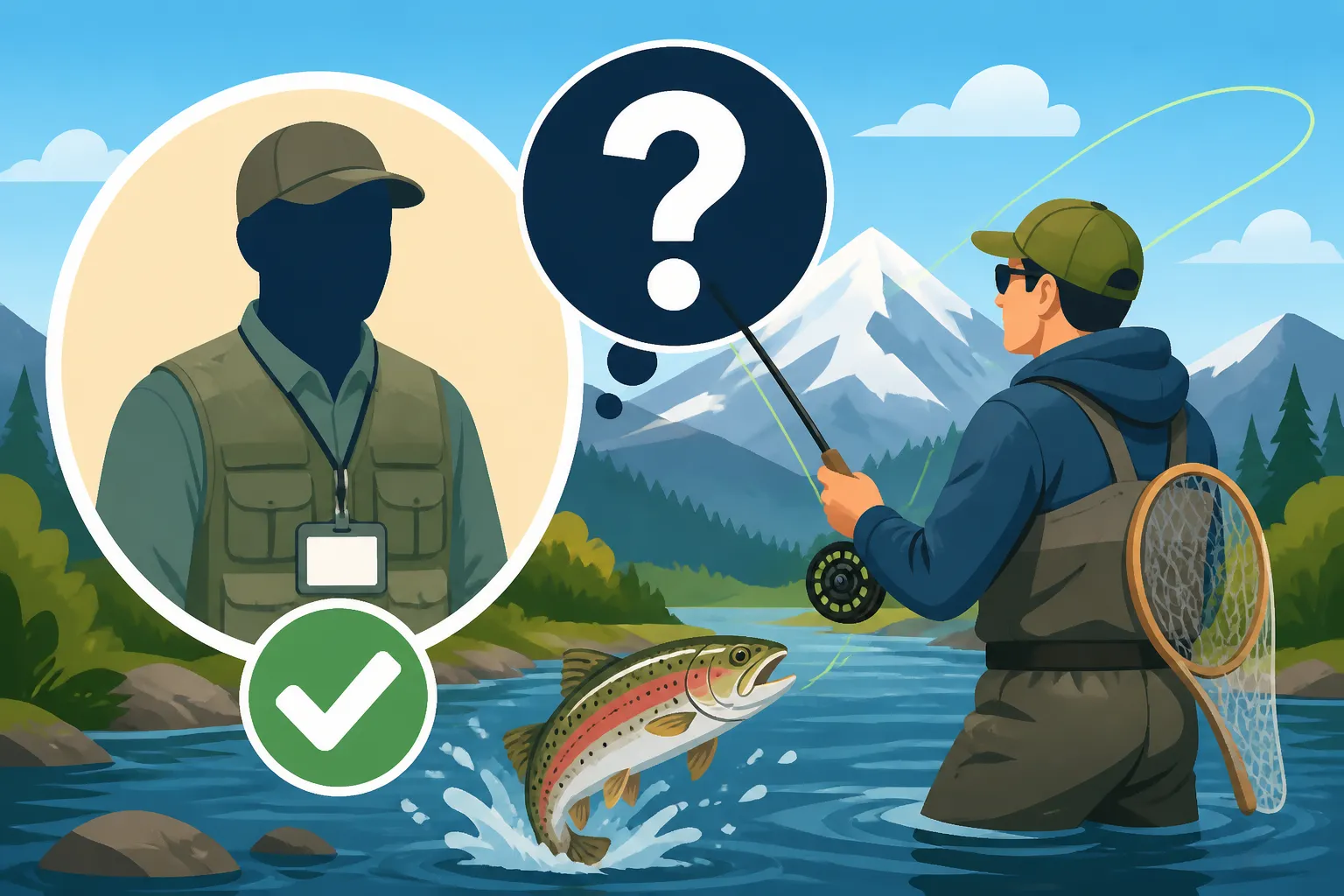
The most direct way to verify a guide's legitimacy is to simply ask them. Don't be shy! Reputable guides and outfitters expect these questions and will be happy to provide the information. Here’s a checklist of key questions to ask before you finalize your booking:
- "Are you a registered outfitter with the State of Colorado?" If they say yes, you can ask for their outfitter registration number.
- "Do you have the necessary federal Special Use Permits for the specific waters we’ll be fishing?" This is particularly important for trips on National Forests or BLM lands. They should be able to confirm which district or office granted their permit for that area. For example, a guide running a Guided Fishing on Colorado's South Platte Gold Medal Water trip through federal land will certainly have these permits.
- "Do you carry commercial liability insurance?" Again, a simple "yes" is good, but you can also ask for proof if you feel it's necessary.
- "Are you or your guides certified in First Aid and CPR?" This speaks to their commitment to client safety.
A professional guide or outfitter will provide clear, confident answers to these questions. If you encounter hesitation, evasiveness, or outright refusal to provide this information, consider it a red flag. It’s always better to be safe and informed than to risk a potentially unsafe or illegal trip. Many of these details will be upfront on a reputable outfitter's website or on their profile if you're booking through a service like FishingBooker.
Checking with State and Federal Agencies
For those who like to do their due diligence, you can often verify some of this information directly.
- For State Outfitter Registration: The Colorado Department of Regulatory Agencies (DORA) often maintains a public database where you can look up registered businesses. While CPW is involved, DORA is the primary registration body for many outfitters. A quick search on their website for the outfitter’s name or registration number should confirm their status.
- For Federal Land Use Permits: This can be a bit trickier as it's specific to the federal land management unit. If you know you'll be fishing in, say, the White River National Forest or on specific BLM land near a particular town, you can call the local Forest Service Ranger District or BLM Field Office. Ask if the outfitter you're considering has a valid Special Use Permit for commercial fishing operations in that specific area. They may not be able to give you specific details about the permit holder due to privacy, but they can often confirm if an entity is permitted to operate there. This kind of verification gives you extra assurance, especially when planning a trip to a pristine area like for Charter Boats for Colorado's Blue Mesa Reservoir where federal permits are essential.
Remember, the goal isn't to be overly suspicious but to be an informed consumer. Knowing that your guide and outfitter are operating legally and responsibly contributes to a safer, more enjoyable, and ultimately, more successful fishing trip in Colorado. Being prepared also involves Reading Colorado's Fishing Regulations Brochure yourself to understand the rules you need to follow.
| Feature | Colorado State Outfitter Registration | Federal Land Use Permit (e.g., USFS, BLM) | Individual Guide License (Colorado) |
|---|---|---|---|
| Who needs it? | Businesses (outfitters) that employ guides | Guides/Outfitters operating on federal lands | No specific state license exists for individual fishing guides |
| Issued by | Colorado Department of Regulatory Agencies (DORA) / CPW | U.S. Forest Service (USFS) or Bureau of Land Management (BLM) | N/A |
| Purpose | Business oversight, insurance, accountability | Public land management, resource protection, safety, limited commercial operations | N/A |
| What it covers | Business operations, general liability | Specific areas of federal land for commercial use | N/A |
| Benefits to angler | Assurance of professional business practices, insurance | Legal access to vast public fishing areas, adherence to federal safety/environmental rules | Focus shifts to outfitter/permit |
Disclaimer
This article is for general informational purposes only and does not constitute professional advice. Laws, prices and regulations vary by location and change over time. Consult a qualified professional for guidance on your specific situation.