Best Guides for Sight-Fishing Clear Tailwaters
There's nothing quite like the thrill of spotting a fish in crystal-clear water, making a perfect cast, and watching it eat your fly or lure. But let's be honest, Colorado's clear tailwaters can be incredibly humbling. Those trout are often highly educated, wary, and seem to know you're there before you even make a move. This guide is here to help you navigate that challenge by finding the very best guides who specialize in the art of sight-fishing these beautiful, yet demanding, waters.
Why Sight-Fishing Clear Tailwaters is So Challenging in Colorado
Colorado's tailwaters—those stretches of river below a dam—are famous for their consistent flows, stable temperatures, and incredibly healthy trout populations. What makes them so appealing for fish also makes them notoriously difficult for anglers, especially when the water runs clear. It's a double-edged sword: the visibility that lets you spot fish also lets the fish spot you and your imperfections.
The Crystal-Clear Advantage (for Trout, not us!)
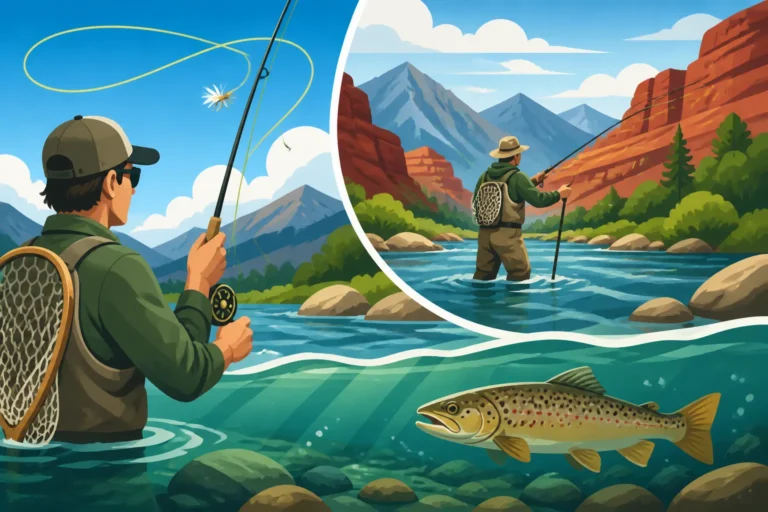
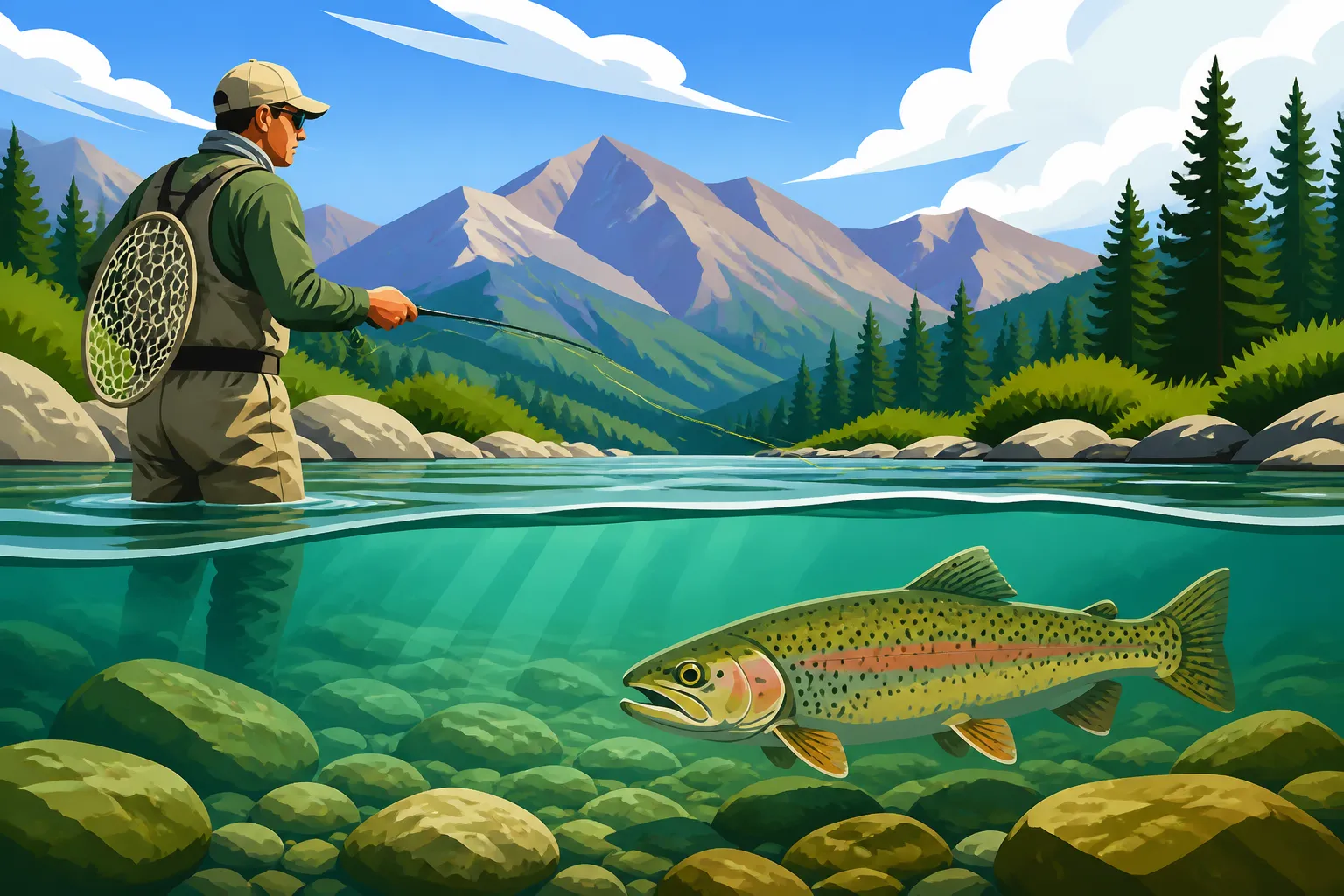
Imagine yourself in a perfectly clear swimming pool, trying to hide from someone looking down from above. That's essentially what a trout in a clear tailwater experiences. When the water is gin-clear, light penetrates deep, and the fish have an incredible advantage. They can see every twitch of your line, every unnatural drag, and every shadow you cast. This isn't like fishing a murky freestone river after a rain, where you can get away with a less-than-perfect drift. In a tailwater, the trout's world is an open book, and they've read it cover to cover. They use the riverbed, subtle currents, and any available structure as cover, but their primary defense is their sharp eyesight and even sharper instincts.
Highly Educated Trout
The fish in popular clear tailwaters often see hundreds of flies, lures, and anglers every day. These aren't naive stockers; many are wild, river-born trout or long-term residents that have been caught and released multiple times. They become "educated" to common patterns, poor presentations, and even the sight of an angler on the bank. If you present a fly that doesn't match the hatch perfectly, or if your drift is off by a millimeter, they'll simply ignore it, or worse, spook and vanish. It's a constant game of chess where the trout often feel like grandmasters. How to Approach a Tailwater Without Spooking Trout is a skill you'll absolutely need to develop.
Delicate Presentations and Long Leaders
To succeed in these conditions, you can't just huck a big streamer out there and hope for the best. Sight-fishing in clear tailwaters demands extreme precision. You'll need to cast long distances with accuracy, often using incredibly light tippets that are nearly invisible in the water. Drag, where your line moves at a different speed than your fly due to conflicting currents, is the ultimate enemy. A tiny bit of drag will send a wary trout darting for cover faster than you can blink. This often means employing techniques like Nymphing Techniques for Colorado Tailwaters with very long leaders, or making precise dry fly presentations upstream to give your fly ample time to drift naturally over the fish. The setup itself, from your fly line to your leader, needs to be meticulously chosen and constructed. Best Leader Length for Clear Tailwater Water is something you'll be thinking about constantly.
What to Look for in a Guide Specializing in Clear Tailwaters and Sight-Fishing
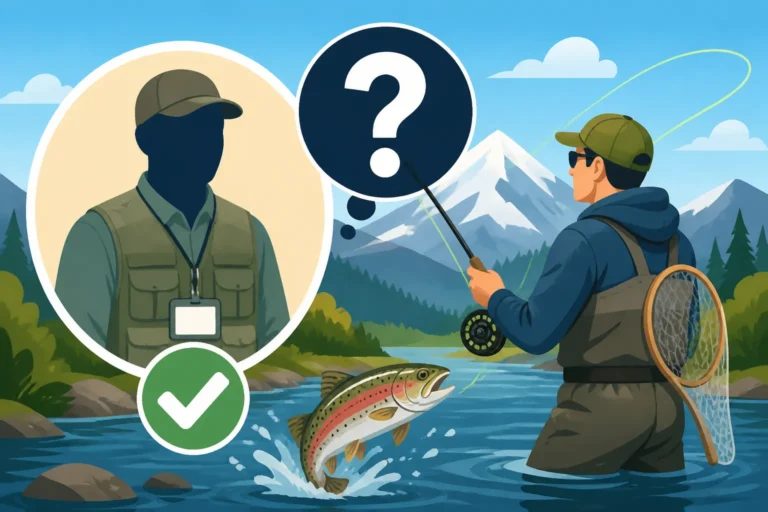
When the conditions are this challenging, a good guide isn't just a luxury; they're an essential tool. But not all guides are created equal, especially when it comes to the highly specialized skill of sight-fishing clear tailwaters. You need someone who lives and breathes this kind of fishing.
Mastery of Stealth and Approach
A guide who excels at sight-fishing clear tailwaters understands that the approach is often more important than the cast. They'll teach you how to move quietly along the bank, use topography for cover, and understand how shadows and light affect fish behavior. They won't rush you into a spot but will instead carefully scout, often from a distance, before making a plan. This means observing the water, identifying potential holding lies, and spotting fish before you even step into the river. They'll also know how to keep their boat or wading path from disturbing prime water. For example, on a busy stretch of the Fryingpan River, a great guide might wait for a cloud to pass over before having you make a cast, knowing that the brief shade offers a window of opportunity where the fish feel less exposed.
Unparalleled Water Reading Skills
Seeing fish is one thing; understanding why they are where they are, and how to present a fly to them effectively, is another entirely. A top-tier guide possesses an almost uncanny ability to read water, even when it looks deceptively uniform. They can spot the subtle currents that will carry your fly perfectly, identify the tiny seams where trout will hold to conserve energy, and understand how the riverbed structure influences fish location. This isn't just about spotting a dark shape; it's about understanding the trout's world from their perspective. They'll point out the difference between a rock and a fish, or tell you precisely where a fish will dart if spooked. How to Spot Trout Holding in Clear Water is a critical skill they will help you develop.
Patience and Precision in Instruction
Sight-fishing is often a game of inches and endless adjustments. You might miss a fish, spook another, or make a less-than-perfect cast. A guide specializing in this niche will have immense patience, understanding that the learning curve can be steep. They'll break down complex casts, explain the nuances of mend placement, and offer precise, constructive feedback without making you feel inadequate. They'll help you dial in your How Fine a Tippet You Need for Selective Tailwater Trout, demonstrate the perfect slack-line presentation, and continually adjust tactics based on the fish's reaction. This type of guide often prioritizes the learning experience over simply catching fish, knowing that the satisfaction comes from mastering the technique.
Local Knowledge of Specific Tailwaters
While general principles of sight-fishing apply, each tailwater has its own personality, its own hatches, and its own unique challenges. A guide with deep local expertise in the specific clear tailwater you plan to fish (be it the Fryingpan, the Dream Stream, or the Blue River) will be invaluable. They'll know the specific access points, the seasonal movements of fish, the dominant insect life, and even the subtle changes in water levels or clarity that can impact fishing. This isn't knowledge you can get from a quick online search; it comes from years of time on the water. They might know, for example, that the big brown trout on the South Platte's Dream Stream prefer a certain bank in the early morning, or that specific midge patterns are critical on the Fryingpan during winter.
Preparing for Your Sight-Fishing Trip on Colorado's Clear Tailwaters
Going out with a guide who specializes in sight-fishing clear tailwaters is an investment, and you want to make the most of it. Part of that means coming prepared, not just with gear, but with the right mindset.
Gear Considerations for Clear Water
Your guide will likely have all the necessary flies and potentially even spare rods, but having your own gear that's suitable for the conditions will give you a head start. Think light and long. A sensitive rod (a 4- or 5-weight) will help you feel those subtle takes and protect light tippets. A good quality floating fly line with a long front taper is ideal for delicate presentations. Most importantly, invest in high-quality polarized sunglasses. This isn't optional for sight-fishing; it's absolutely crucial for cutting glare and actually seeing the fish. I can't stress this enough – good polarized lenses are your best friend. Your guide might also recommend specific tippet sizes and materials, and it's always a good idea to have a range of fluorocarbon tippet from 5X down to 7X or even 8X. You'll also want to review Best Techniques for Sight-Fishing Clear Tailwaters before you go.
Mental Game and Patience
Sight-fishing is not always about fast action. It's often a slow, methodical process that requires immense patience and focus. You might spend significant time observing a single fish, waiting for the perfect moment to cast. There will be missed opportunities, refusals, and moments of frustration. Go into the trip with an open mind and a willingness to learn. Don't get discouraged if the fish aren't biting aggressively. The beauty of sight-fishing is in the challenge and the satisfaction of a perfectly executed cast to a visible fish, even if it doesn't always result in a hookup. Remember, your guide is there to help you learn and refine your skills, not just to put fish in the net.
Communicating Your Expectations
Before your trip, have an honest conversation with your guide. Are you a beginner eager to learn the basics of fly casting and reading water? Or are you an experienced angler looking to refine specific techniques for trophy trout? Do you want to focus strictly on sight-fishing, or are you open to other methods if conditions aren't ideal? This upfront communication ensures that your guide can tailor the experience to your goals and skill level. For instance, if you're keen on the specific challenge of Catch-and-Release Rules on Colorado's Cutthroat Waters with tiny flies, make sure your guide knows this. A great way to do this is to mention your primary goal in the booking notes or during an initial phone call.
Finding and Booking the Right Guide for Your Clear Tailwater Adventure
The process of finding a specialized guide can feel a bit overwhelming, but with the right approach, you can connect with an expert who will elevate your sight-fishing game.
Researching Outfitters and Independent Guides
Start by looking at the websites of established fly shops and outfitters in the areas known for clear tailwaters, such as those near Aspen (Fryingpan River), Deckers (South Platte), or Silverthorne (Blue River). Many guides have detailed bios that highlight their specialties, whether it's dry fly fishing, technical nymphing, or indeed, sight-fishing. Read client testimonials and look for mentions of specific skills like "spotting fish," "delicate presentations," or "patient instruction." Independent guides often have their own websites or social media presence where they showcase their expertise. Pay attention to how they describe their trips and their philosophy on fishing.
Asking the Right Questions
When you contact a potential guide, don't be afraid to ask specific questions about their experience with clear tailwaters and sight-fishing. Here's a table of questions that can help you gauge their expertise:
| Question | Why it Matters |
|---|---|
| "How often do you guide on Specific Clear Tailwater?" | Shows their familiarity with your target water. |
| "What percentage of your trips involve sight-fishing?" | Confirms their specialization; you want someone who prioritizes this technique. |
| "Can you provide specific examples of how you teach stealth and approach?" | Gauges their instructional style and practical knowledge beyond just catching fish. |
| "What's your preferred leader/tippet setup for highly educated trout?" | Reveals their technical understanding and attention to detail. |
| "How do you adjust tactics when fish are exceptionally spooky?" | Demonstrates their adaptability and problem-solving skills in challenging conditions. |
| "Do you offer walk-wade trips, or mostly float trips?" | Many sight-fishing opportunities are best accessed on foot. Guided Walk-Wade Trips on Colorado Rivers can be ideal. |
Online Booking Platforms and Local Fly Shops
One great way to begin your search is through online booking platforms. Sites like FishingBooker connect anglers with guides worldwide, including many in Colorado. You can filter by location, species, and even read reviews from other anglers that specifically mention a guide's ability to spot fish or handle difficult conditions. Using FishingBooker can help you compare different guides' offerings and specialties in one place.
However, don't underestimate the power of a local fly shop. These shops are often the heart of the fishing community, and their staff will have intimate knowledge of the local waters and the guides who fish them. They can often provide personal recommendations based on your preferences, and many employ their own stable of highly skilled guides. When you're ready to book, ensure you understand the guide's Cancellation Policies for Colorado Guided Trips and what the expected Tipping a Colorado Fishing Guide, What's Standard protocol is. Whether you choose to book through FishingBooker or directly with a local outfitter, ensure all your questions are answered to set yourself up for a successful and educational sight-fishing trip.
Disclaimer
This article is for general informational purposes only and does not constitute professional advice. Laws, prices and regulations vary by location and change over time. Consult a qualified professional for guidance on your specific situation.