Fishing the Fraser River With a Winter Park Guide
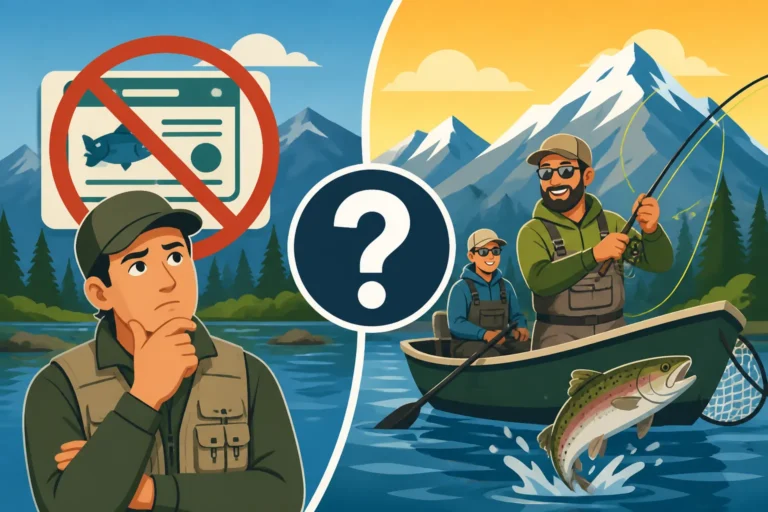
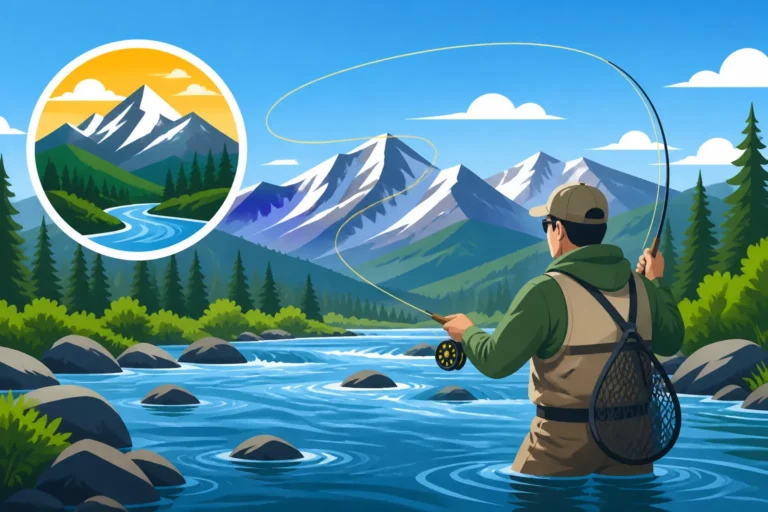
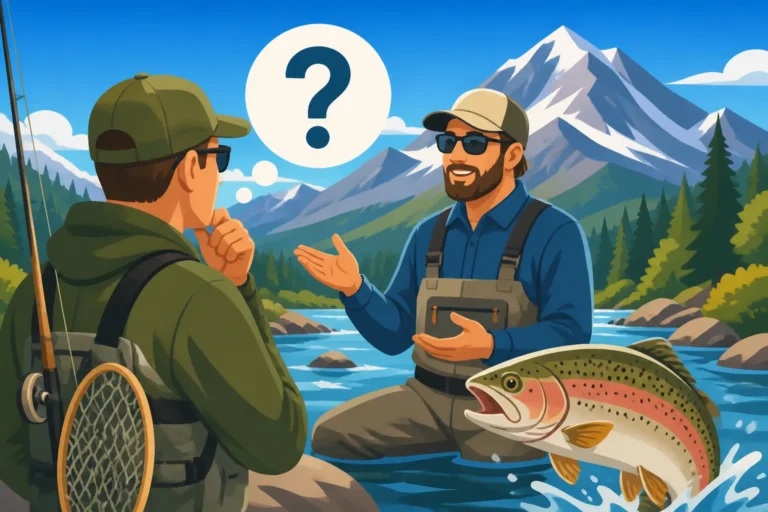
The Fraser River, winding its way through the picturesque Fraser Valley and near the popular resort town of Winter Park, offers some truly spectacular trout fishing. But let's be honest, rolling up to a new river, especially one as nuanced as the Fraser, can feel a bit daunting. You might stare at those beautiful stretches of water, wondering where the fish are hiding, what they're eating, or even if you're allowed to be there. This comprehensive guide is here to walk you through why hiring a local Winter Park guide for your Fraser River adventure isn't just a luxury, but often the key to unlocking its secrets and ensuring a memorable, successful day on the water.
Why the Fraser River Calls for a Winter Park Guide
The Fraser River is a gem, no doubt, but like many Colorado rivers, it has its own personality. What looks like prime water to an untrained eye might be barren, while a seemingly nondescript run could hold a trophy brown trout. A local guide doesn't just know the river; they understand its moods, its cycles, and its hidden hotspots, making all the difference between a frustrating day and an exhilarating one.
Navigating Regulations and Access
One of the biggest headaches for any angler in a new area is figuring out where you can actually fish and what the rules are. Colorado's fishing regulations can be complex, with specific sections of rivers having different rules regarding bag limits, fly-fishing-only restrictions, or even catch-and-release mandates. The Fraser River is no exception, with public and private sections often blending, and regulations that can change depending on where you are.
A local guide acts as your personal expert on the water. They know exactly which stretches are public access, sparing you the awkwardness (or legal trouble) of accidentally trespassing. More importantly, they're intimately familiar with the specific rules for each section of the Fraser. For instance, some areas might have restrictions on bait, while others may require Barbless Hook Rules on Colorado Rivers. They can tell you instantly about Colorado's 14-Inch Trout Length Rule or if you're in a special management area. This knowledge alone can save you time, stress, and potential fines, allowing you to focus purely on the joy of fishing.
Beyond the regulatory maze, finding legal and productive access points can be tricky, especially on a river that flows near developed areas and private ranches. A guide often has established relationships with landowners or knows the subtle, often unmarked, public easements that lead to the best fishing. They can lead you directly to productive water that you might spend hours trying to locate on your own, giving you more valuable time with your line in the water instead of hiking through brush or searching for parking.
Understanding the River's Unique Challenges
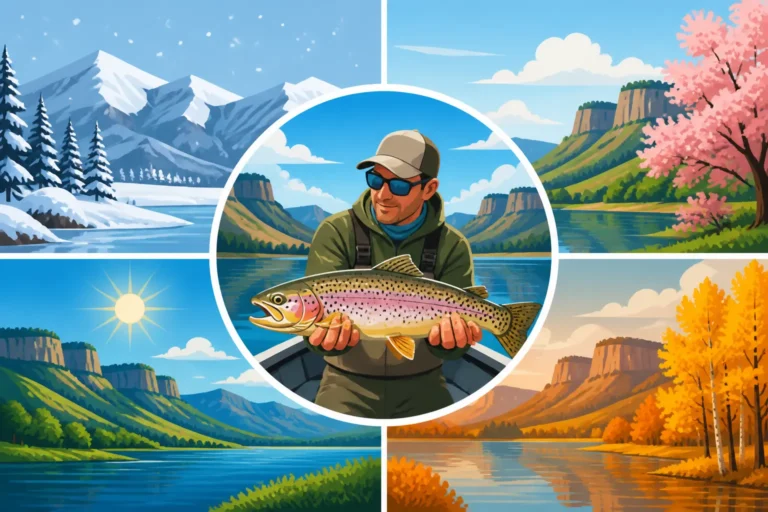
The Fraser River, while beautiful, presents a variety of conditions that can challenge even experienced anglers. It's largely a freestone river, meaning its flow is dictated by snowmelt and rainfall, leading to fluctuating water levels and clarity. This means the river can be high and muddy during spring runoff, or crystal clear and low in late summer, each requiring different strategies.
A Winter Park guide has seen the Fraser in every condition imaginable. They've learned how to read the water when it's high and fast, knowing where fish will tuck into slower seams and eddies. When the water is low and clear, they understand the need for stealth, delicate presentations, and specific fly patterns that mimic tiny naturals. Their experience helps them adapt to whatever the river throws your way, ensuring you're not trying to throw a tiny dry fly into a raging torrent or a heavy streamer into a shallow, clear pool where it will spook every fish.
The Fraser also has distinct sections, from broader, meandering stretches through meadows to tighter, faster-moving canyons. Each section fishes differently, and a guide will know the best techniques and approaches for each. They understand the river's underwater structure – the logjams, undercut banks, and deep pockets – where trout typically hold. This intimate knowledge of the river's character is something you simply can't gain from a map or a quick online search; it comes from years of hands-on experience on the water.
Targeting Specific Trout Species
The Fraser River is home to a healthy population of trout, primarily brown trout and rainbow trout, with some brook trout in the headwaters and occasionally a cutthroat. Knowing what species you're likely to encounter and, more importantly, how to target them effectively, is part of a guide's expertise. Brown Trout in Colorado, Where They're Wild are often the prize here, known for their size and elusive nature.
Guides have spent countless hours observing the feeding habits and preferred lies of these different species in the Fraser. They know that during certain times of year, brown trout might be aggressively chasing streamers, while rainbow trout might be sipping tiny midges off the surface. They can help you identify subtle differences in water type that appeal to one species over another, increasing your chances of hooking into the fish you're hoping for. They can also share insights into What Brown Trout Eat as They Get Larger or What Rainbow Trout Eat in Colorado Rivers.
Beyond just identification and location, a guide can help you understand the nuance of presentations for each species. Brown trout, especially the larger ones, can be incredibly wary, requiring precise casts and drifts. Rainbows, while sometimes more forgiving, can become highly selective during prolific hatches. Your guide will teach you the subtle art of reading their behavior and adjusting your technique on the fly, transforming your outing into a truly educational experience.
What a Guided Trip on the Fraser Entails
A guided trip on the Fraser River near Winter Park isn't just about catching fish; it's about the entire experience. It's a chance to learn, to explore, and to soak in the beauty of Colorado's high country with an expert by your side. From the moment you meet your guide, you'll feel the weight lifted, knowing all the logistical details are handled.
Typical Trip Formats: Walk-Wade vs. Float
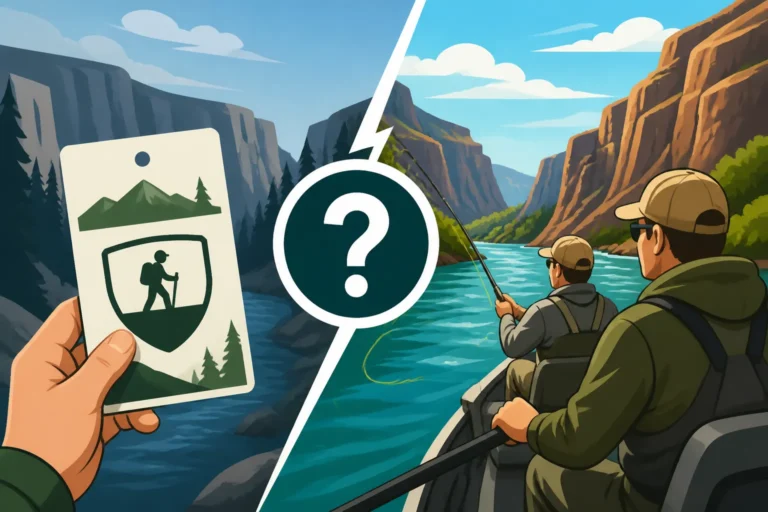
When considering a guided trip on the Fraser River, you'll generally encounter two main formats: walk-wade trips and float trips. Each offers a distinct experience, and the best choice often depends on the river section, current conditions, and your personal preferences. A good guide service, perhaps found through a platform like FishingBooker, will help you determine which is right for your group.
Walk-wade trips are perfect for accessing smaller, more intimate sections of the Fraser, particularly its upper stretches or areas with limited float access. On these trips, you'll be on foot, often navigating the riverbanks and wading into the current to reach prime fishing spots. This format allows for a more focused approach to specific runs and pockets, giving you ample time to work a particular piece of water. What a Walk-Wade Trip Involves on Colorado Rivers can be physically engaging, requiring some agility, but it offers a hands-on, deeply immersive experience. Guides on walk-wade trips often carry all necessary gear, food, and drinks in backpacks, making for a nimble approach.
Float trips, typically conducted from a drift boat or raft, are ideal for covering more water and accessing stretches that are difficult or impossible to reach on foot. While the Fraser can be floatable in some sections, especially during higher water, it's generally considered a smaller river better suited for walk-wade. However, if a guide suggests a float trip on a nearby larger river that offers a similar experience, they might explain What a Float Trip Involves on Colorado Rivers. Float trips offer a different perspective, allowing anglers to cast to banks and structure from the boat, and are often less physically demanding than extensive wading. Your guide will expertly maneuver the craft, positioning you for optimal casting opportunities while navigating the currents.
Gear, Flies, and Local Knowledge Provided
One of the greatest benefits of hiring a guide is not having to worry about bringing all your own gear. A reputable Winter Park guide will provide high-quality rods, reels, waders, and boots perfectly suited for the Fraser River's conditions. This is a huge relief, especially for traveling anglers or those new to the sport who don't yet own a full setup. You won't have to guess if your waders are warm enough for chilly mountain mornings or if your rod is the right weight for delicate presentations.
Beyond the big equipment, guides come prepared with an arsenal of local fly patterns. This is where their expertise truly shines. They've spent years observing the specific insect hatches on the Fraser River and matching them with the most effective artificial flies. They'll know exactly what nymphs, dry flies, or streamers the trout are keying in on that day, saving you the frustration of constantly changing patterns. Best Flies for Colorado's Gold Medal Trout Water often include specific patterns relevant to the Fraser, and your guide will have them all. You'll learn not just what flies to use, but why and how to present them effectively.
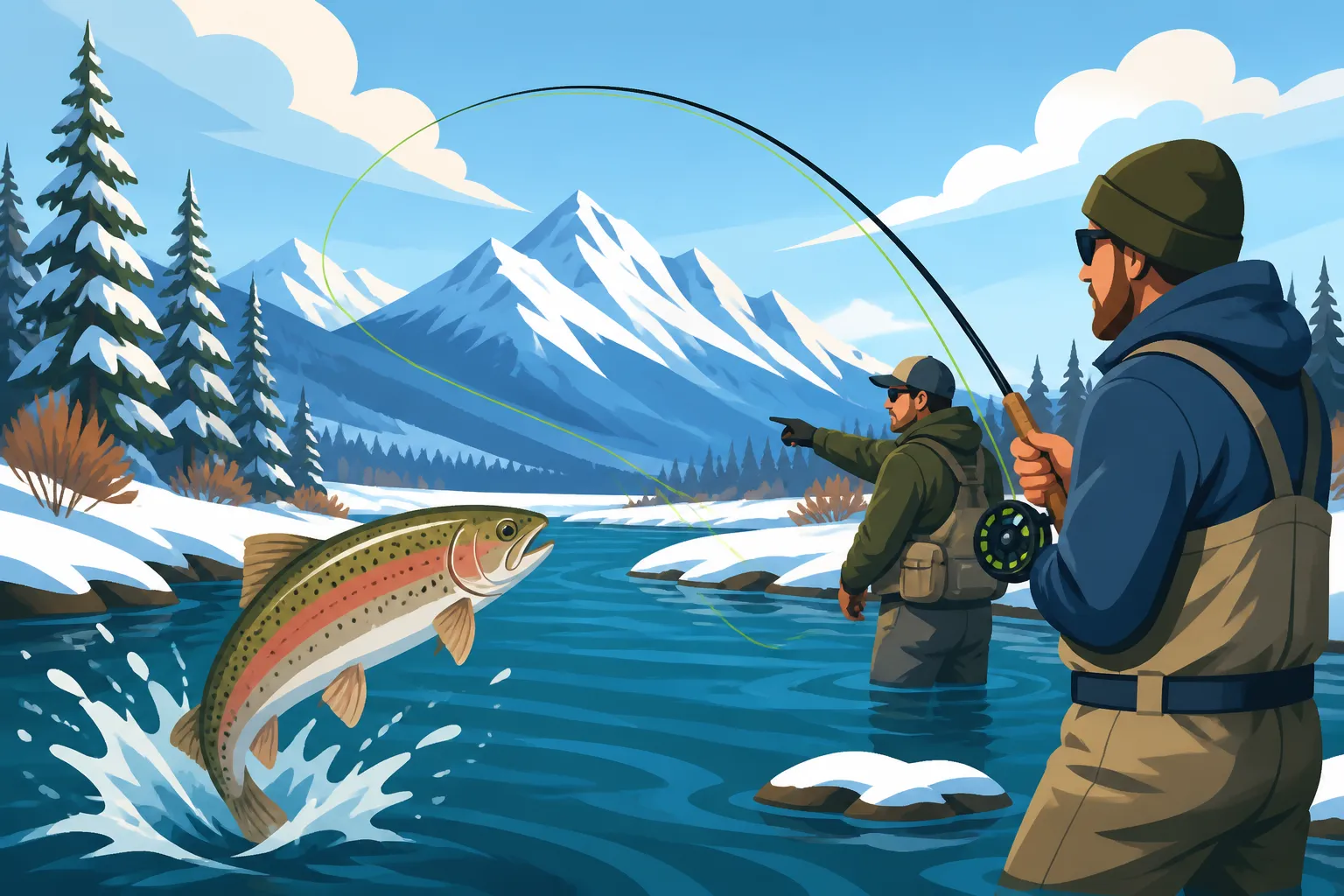
The local knowledge provided by a guide goes far beyond just gear and flies. They'll teach you how to read the water, identify feeding lanes, and understand trout behavior in different conditions. You'll learn casting techniques, mending strategies, and how to properly fight and release fish to ensure their survival. This hands-on instruction is invaluable, turning a single day of fishing into a masterclass that will improve your angling skills for years to come. Many guides are also happy to share information about Colorado Fishing License Rules for Guided Trips, ensuring you're fully compliant.
Learning Opportunities for Anglers of All Levels
Whether you're a complete novice who's never held a fly rod or a seasoned veteran looking to hone specific skills, a guided trip on the Fraser River offers unparalleled learning opportunities. Guides are excellent teachers, patient and adept at tailoring their instruction to your experience level and goals. They're not just there to put you on fish; they're there to help you become a better angler.
For beginners, a guide will start with the fundamentals. This includes everything from proper casting mechanics, how to tie basic knots, understanding fly selection, and interpreting what the river is telling you. They’ll demonstrate how to handle your rod and reel, how to safely wade, and the ethical practices of catch-and-release. Imagine learning the basics of fly fishing on a beautiful Colorado river with one-on-one instruction; it’s an incredible way to kickstart a lifelong passion. Many outfitters also offer Learning to Fly Fish With a Colorado Guide programs specifically for newcomers.
Experienced anglers can also benefit immensely. Perhaps you want to refine your nymphing techniques in tricky currents, learn to throw bigger streamers for elusive brown trout, or master the art of dry fly presentation during a specific hatch. A guide can provide targeted feedback, correct subtle flaws in your technique, and introduce you to advanced strategies that can elevate your game. They might even teach you about Euro Nymphing Basics for Colorado Rivers or how to best approach Sight-Fishing Clear Tailwaters, depending on the day's conditions and your interest. The personalized attention allows you to focus on specific areas of improvement, making the most of your time on the water.
Choosing the Right Winter Park Guide for the Fraser
Picking the right guide is just as important as choosing the right river. A great guide can transform your trip, while a mismatch can lead to disappointment. With many excellent guides operating out of the Winter Park area, it's worth doing a little research to find the perfect fit for your Fraser River adventure. You might even use a platform like FishingBooker to browse options and read reviews.
Qualities of a Great Fraser River Guide
What truly makes a guide exceptional isn't just their ability to find fish, but their overall demeanor, teaching style, and passion for the river. First and foremost, a great guide on the Fraser River needs deep local knowledge. This means knowing the river's various sections intimately, understanding its seasonal changes, and being familiar with the specific insect life and trout behavior that define its ecosystem. They should be able to tell you not just where to cast, but why that spot is productive at that particular moment.
Beyond technical expertise, patience and a good teaching temperament are crucial. You want a guide who is enthusiastic about sharing their knowledge, not someone who gets frustrated if you miss a cast or tangle your line. They should be able to communicate effectively, breaking down complex concepts into understandable steps. This is especially important if you're a beginner or bringing kids along. Look for guides who genuinely enjoy teaching and who prioritize your learning and enjoyment over simply logging fish in the net. A service like FishingBooker often highlights guides with strong teaching reputations.
Finally, professionalism and safety are paramount. A great guide will be licensed and insured, maintain their gear in excellent condition, and prioritize your safety on and off the water. They'll be prepared for any situation, from changing weather to minor first aid. They'll also be personable, engaging, and able to tell a good story, making the day enjoyable even if the fish are playing hard to get. Asking questions about What Makes a Good Colorado Fishing Guide Besides Fish Counts during your initial inquiries can reveal a lot about their approach.
How to Book and Prepare for Your Trip
Booking your guided trip on the Fraser River typically involves contacting a local fly shop or outfitter in or near Winter Park. Many of these businesses have websites where you can view guide profiles, available dates, and pricing. It's always a good idea to book well in advance, especially during peak seasons like late spring, summer, and fall, as the best guides fill up quickly. Using an online service like FishingBooker can streamline this process, allowing you to compare guides and availability efficiently.
When you make your inquiry, be upfront about your experience level, what you hope to achieve, and any specific preferences you might have. Do you want to learn to nymph? Are you hoping for a trophy brown? Is this a family outing with young children? Providing this information will help the outfitter match you with the best guide for your needs. Don't hesitate to ask questions about What's Included in a Colorado Guided Fly Fishing Trip, such as whether lunch, drinks, or flies are provided, and what the cancellation policy is for bad weather.
Once your trip is booked, your guide or the outfitter will provide a list of recommended items to bring. This usually includes layers of clothing suitable for changing mountain weather, sunscreen, a hat, polarized sunglasses, and your valid Colorado fishing license and Colorado's Habitat Stamp, Explained. Don't forget your camera to capture those beautiful mountain views and, hopefully, some great fish! Understanding What to Wear on a Colorado Guided Fishing Trip can make a big difference in your comfort.
Managing Expectations and Maximizing Your Experience
While a guide dramatically increases your chances of a successful day, it's important to approach any fishing trip with realistic expectations. Fishing is, after all, fishing, and there are no guarantees. The Fraser River's trout can be finicky, and conditions can change. Focus on the overall experience: the beauty of the river, the learning opportunities, and the camaraderie with your guide.
To maximize your experience, be an engaged participant. Listen to your guide's instructions, ask questions, and be open to trying new techniques. They are there to help you, and the more you interact, the more you'll learn. Don't be afraid to speak up if you're cold, thirsty, or need a break. Remember, it's your day on the water. A good guide will appreciate your feedback and adjust the trip to ensure you're comfortable and having fun.
Finally, show your appreciation. Guides work incredibly hard, both on and off the water, to ensure you have a great time. Tipping is customary in the guiding industry and is a direct way to acknowledge their efforts. Ask your outfitter about Tipping a Colorado Fishing Guide, What's Standard if you're unsure. A positive attitude, a willingness to learn, and a grateful spirit will not only make your trip more enjoyable but will also leave a lasting positive impression on your guide, perhaps even paving the way for future adventures on the beautiful Fraser River.
Disclaimer
This article is for general informational purposes only and does not constitute professional advice. Laws, prices and regulations vary by location and change over time. Consult a qualified professional for guidance on your specific situation.