Colorado Bait Restrictions and Where They Apply
Anglers visiting Colorado, or even residents exploring new waterways, frequently encounter a confusing web of bait regulations. It's rarely a simple "anything goes" situation, and the rules can change dramatically from one stretch of river to the next, leaving many scratching their heads and worrying about inadvertent violations. This guide is designed to cut through that confusion, meticulously detailing Colorado's specific bait restrictions, explaining the crucial reasons behind them, clarifying where they apply, and offering practical advice on how to navigate these rules for a legal and enjoyable day out on the water.
Why Colorado Imposes Bait Restrictions on Anglers
Colorado Parks and Wildlife (CPW) doesn't just make up rules for the sake of it; every regulation, especially those concerning bait, serves a critical purpose in protecting the state's diverse and often fragile aquatic ecosystems. Understanding the "why" behind these rules can help anglers appreciate their importance and adhere to them more conscientiously.
Protecting Native Fish Populations
One of the primary drivers behind bait restrictions is the protection and recovery of Colorado's native fish species, particularly the various subspecies of cutthroat trout. These species are incredibly sensitive to environmental changes and competition from non-native fish. Using certain baits, especially live bait, can inadvertently introduce non-native species into a pristine watershed, or provide an unfair advantage to predatory non-native fish that prey on small, vulnerable native fish. For example, a non-native minnow used as bait could escape, reproduce, and establish a population that outcompetes native forage or directly preys on juvenile cutthroat.
Consider a high-alpine lake or a remote stream designated for Colorado River Cutthroat Trout recovery. These fragile ecosystems have often been painstakingly restored to support only native populations. Allowing live bait or even certain artificial baits with scent could disrupt this delicate balance. The state has invested heavily in conservation efforts, and bait restrictions are a key tool in safeguarding these investments and ensuring the future of species like the Greenback Cutthroat Trout.
Preventing Disease Transmission
Another critical reason for bait restrictions, particularly on live and dead bait, is to prevent the spread of aquatic invasive species (AIS) and fish diseases. Diseases like whirling disease, which devastates trout populations, can be easily transported from one body of water to another via contaminated bait, fishing gear, or even water. Invasive species such as zebra mussels or New Zealand mudsnails can hitchhike on bait containers, water in livewells, or even on worms and minnows themselves.
Imagine accidentally introducing a pathogen-carrying baitfish from a different drainage into a healthy, uninfected river. The consequences could be catastrophic for the local fish population and the overall ecosystem. CPW's stringent rules on bait are a proactive measure to quarantine potential threats and keep Colorado's waters healthy. This also extends to certain fish parts – for example, using parts of a game fish from one lake as bait in another could spread diseases specific to that species.
Maintaining Quality Fishing Experiences
While conservation is paramount, bait restrictions also play a significant role in maintaining the quality of fishing experiences for anglers. In many of Colorado’s most renowned fisheries, particularly those designated as Gold Medal Waters or Wild Trout sections, the goal is to promote sustainable populations of large, healthy trout that challenge anglers with their natural instincts. These areas often have higher angler pressure, and unrestricted bait use can lead to higher mortality rates for fish, especially if they are deeply hooked, reducing the population of trophy-sized fish.
Regulations that require artificial flies and lures, or even barbless hooks, encourage catch-and-release practices and reduce stress and injury to fish. This ensures that the magnificent trout in places like the Fryingpan River or the Dream Stream continue to thrive and offer exceptional sport for generations of anglers. It’s about creating a balance where anglers can enjoy their passion while contributing to the health and vitality of the resource.
Understanding General Statewide Bait Regulations
Before delving into the specific exceptions, it's essential to grasp the baseline bait regulations that apply across Colorado unless otherwise specified. These general rules form the foundation upon which more restrictive local regulations are built.
Live Bait Versus Dead Bait Rules
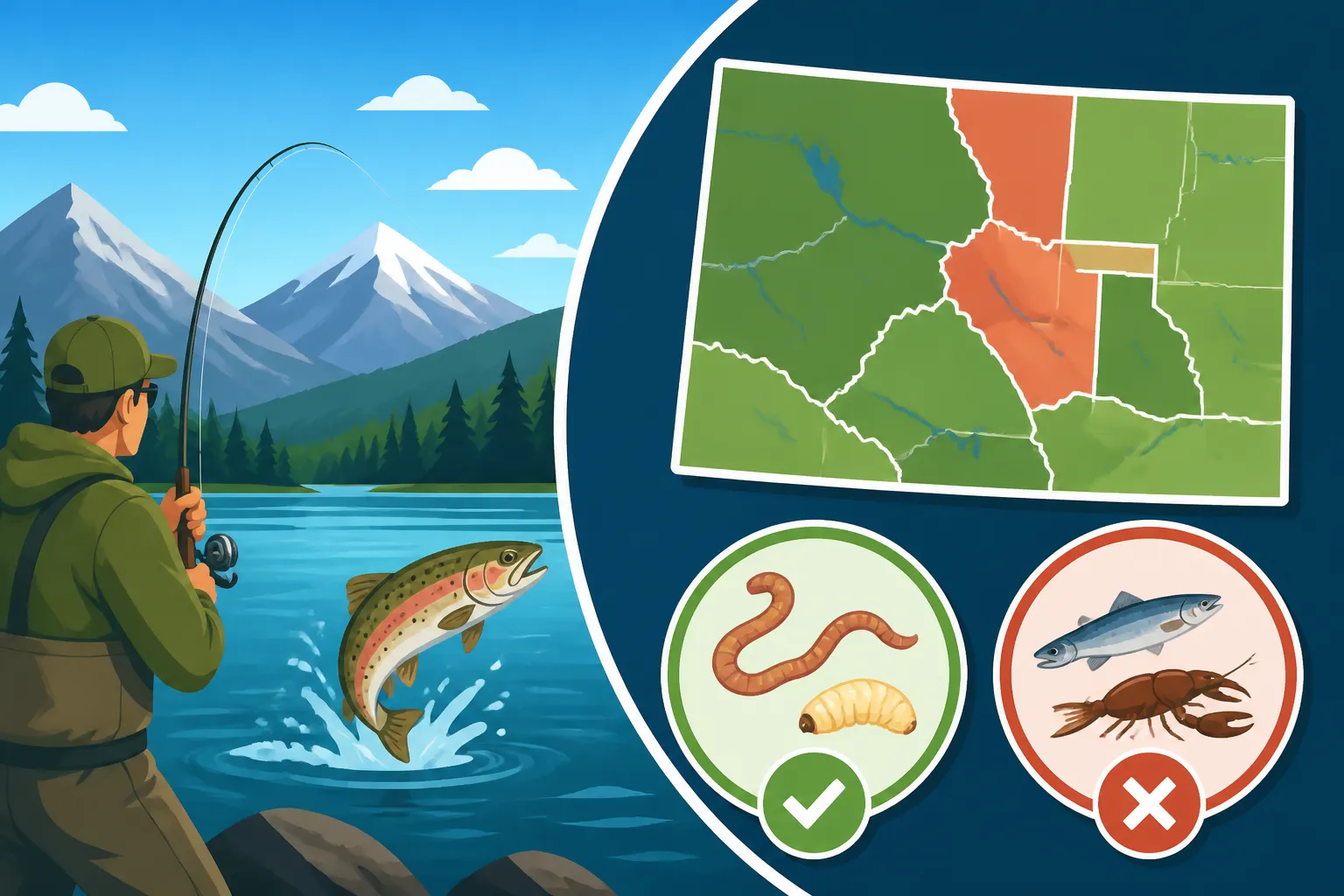
Colorado's regulations differentiate significantly between live and dead bait. Generally, live fish are prohibited as bait in almost all Colorado waters, with very few exceptions. This is a critical rule designed to prevent the introduction of invasive species or non-native fish that could outcompete or hybridize with native populations. You cannot, for example, catch minnows from one lake and use them as live bait in another, even if both are in Colorado. This extends to species like crayfish; while they are often excellent bait, using live crayfish as bait is restricted in many areas to prevent their spread.
However, the use of dead bait can be more permissible. Dead fish, or parts of fish, are sometimes allowed, provided they were legally taken from the same body of water where they are being used. This prevents the inter-basin transfer of species or diseases. More commonly, dead bait like worms, grubs, or maggots are generally permitted statewide unless a specific water is designated "artificial flies and lures only." This is where the ambiguity often arises – "bait" broadly includes things like powerbait, corn, and salmon eggs, which are not alive but also not traditional artificial lures.
Artificial Flies and Lures Defined
The term "artificial flies and lures" is central to many of Colorado's stricter bait regulations. CPW defines an artificial fly or lure as any device made of artificial or natural materials, which does not contain or have attached any food, fish, or other ingestible substances that can be used as an attractant. Essentially, if a fish bites it, it should be because it looks like natural forage or irritates them, not because it tastes like a snack. This means no PowerBait, no salmon eggs, no scented soft plastics, and definitely no worms or corn in "artificial flies and lures only" waters.
This distinction is often where anglers get confused. Many artificial lures sold in stores come pre-scented or are designed to hold scent. While these might seem like lures, if they have an ingestible scent component, they fall into the "bait" category for regulatory purposes. If you're unsure, a good rule of thumb is: if it's meant to be eaten, it's bait. If it's meant to trick a fish into striking, it's an artificial lure. This is why many fly fishermen find themselves in these waters, as their flies inherently fit the definition. You can find a wide variety of compliant artificial lures and flies on platforms like Amazon, ensuring you're stocked for these specific waters.
The "Scented Artificial" Grey Area
The "scented artificial" category is perhaps the most confusing for many anglers. As mentioned, if an artificial lure has added scent or an ingestible substance, it often qualifies as bait. This means products like Gulp! or PowerBait, even in "lure" shapes, are considered bait by CPW in areas restricted to "artificial flies and lures only." The intent of these regulations is to minimize the likelihood of deep hooking and reduce fish mortality, which is more common when fish fully ingest scented baits.
Therefore, when you see a regulation like "artificial flies and lures only," it’s crucial to leave those scented plastic worms, PowerBait nuggets, and even scented soft jerkbaits at home. Stick to traditional hard lures like spinners and spoons, or classic flies and streamers. This small detail can be the difference between a legal day of fishing and a ticket from a vigilant park ranger or wildlife officer. It’s always better to err on the side of caution.
Specific Waters with Strict Bait Limitations
Colorado is famous for its diverse fishing opportunities, but this diversity also means a patchwork of regulations. Certain types of waters are almost universally subject to stricter bait rules than others. Knowing these categories is key to fishing responsibly.
Gold Medal Waters and Wild Trout Sections
Colorado's Gold Medal Waters are renowned for their ability to consistently produce large trout—defined as at least 60 pounds of trout per acre, with at least 12 trout over 14 inches per acre. These sections of rivers and lakes are managed for exceptional fishing quality, and as such, often come with very specific regulations, including bait restrictions. Most Gold Medal Waters, like those on the Fryingpan River below Ruedi Reservoir or sections of the South Platte River, are "artificial flies and lures only." Many also impose Barbless Hook Rules on Colorado Rivers to further reduce fish mortality, recognizing the high catch-and-release rate in these prized areas.
Similarly, "Wild Trout" sections, designated for their self-sustaining populations of wild-spawned trout, often mirror these restrictions. The goal is to protect these naturally reproducing fish from the increased mortality that can result from bait fishing, especially for fish that might swallow a bait hook. If you're heading to a well-known, high-quality trout fishery, it's a safe bet that bait will be prohibited, and you'll need to rely on flies or traditional lures. Always check the Colorado Gold Medal Water Regulations Explained before you go.
Native Cutthroat Restoration Waters
Areas designated for the recovery and protection of Colorado's native cutthroat trout subspecies (Greenback, Colorado River, and Rio Grande Cutthroat) are among the most stringently regulated waters in the state. These waters are often in remote, pristine drainages, and the conservation goals are paramount. Bait is almost universally prohibited in these areas, and in many cases, even artificial lures are restricted to further protect these vulnerable fish. Some of these waters are even "catch-and-release only" for all species, as detailed in Catch-and-Release Rules on Colorado's Cutthroat Waters.
The primary concern here is preventing any negative impact on the native cutthroat, whether through accidental introduction of non-native species (which live bait could facilitate), disease transmission, or increased handling mortality from deeply hooked fish. Anglers in these areas are often required to use artificial flies with barbless hooks, and sometimes specific tackle types are mandated. It's a small price to pay to help preserve Colorado's indigenous trout heritage, as outlined in Colorado's Native Cutthroat Trout Subspecies.
Urban Ponds and Community Fishing Areas
Surprisingly, some of Colorado's most accessible fishing spots – the urban ponds and community fishing areas managed by CPW for family-friendly angling – also have specific bait rules. While many of these ponds do allow bait (often because they are frequently stocked with catchable rainbow trout and managing for wild, trophy fish isn't the primary goal), it's not a blanket allowance. Some urban ponds, particularly those aiming to manage for a mixed fishery or specific species, might have restrictions on certain bait types or limits on the number of hooks.
For example, a pond stocked with catfish might allow stink baits and worms, but a pond managed for a healthy trout population might restrict live bait or have specific rules about treble hooks. The best way to know for sure is to check the signs posted at the pond itself or consult the CPW's specific urban fishing program details, which can be found in the Colorado's Urban Fishing Program License Rules. These areas are popular for kids and beginners, and while they are generally more lenient, it's never safe to assume.
Special Regulations on Reservoirs and Lakes
While rivers often get the spotlight for bait restrictions, many of Colorado's larger reservoirs and lakes also have specific rules, especially concerning different species or particular sections of the water body. For instance, some reservoirs might have "artificial flies and lures only" zones near inlet streams to protect spawning fish, or restrictions on using live baitfish to prevent the spread of invasive species like walleye into trout waters.
Consider a large body of water like Grand Lake or Shadow Mountain Reservoir. While much of the main lake might allow various baits for species like lake trout or salmon, specific coves, inlets, or outlets might have different rules. For example, some lakes might prohibit the use of corn or powerbait during certain times of the year when rainbow trout are spawning and aggressively feeding on anything colorful. It is crucial to consult the "Special Regulations" section for each specific water in the official Reading Colorado's Fishing Regulations Brochure or online at the CPW website. This often includes details on species-specific bait restrictions, especially for things like Kokanee salmon or northern pike.
Navigating Different Types of Bait Restrictions
Colorado's bait regulations aren't just a simple "bait allowed/not allowed." They come in various forms, each with its own nuances and implications for anglers. Understanding these distinctions is crucial for legal fishing.
"Artificial Flies and Lures Only" Waters
This is perhaps the most common and stringent bait restriction you'll encounter in Colorado's premier trout fisheries. As discussed earlier, "artificial flies and lures only" means exactly that: no bait of any kind. This includes worms, powerbait, salmon eggs, corn, marshmallows, and any scented artificial baits. Your tackle box should be filled with traditional flies, spinners, spoons, jigs, and hard plastic lures.
The intent behind these regulations is primarily to reduce fish mortality associated with bait fishing. When a fish takes a natural or scented bait, it often swallows it deeply, making hook removal difficult and increasing the chance of fatal injury, even if released. Artificial lures, on the other hand, are typically struck out of aggression or curiosity and are less likely to be swallowed, leading to higher survival rates for released fish. This is why many of Colorado's most famous trout streams, such as the Colorado River at State Bridge or the South Platte River near Deckers, operate under these rules. When shopping for gear for these waters, ensure your lures are scent-free. You can find a wide selection of compliant spinners, spoons, and flies on Amazon.
"Flies and Lures with Single, Barbless Hooks" Requirements
Taking the "artificial flies and lures only" rule a step further, some waters or specific fishing seasons might require the use of "flies and lures with single, barbless hooks." This regulation is designed to maximize the survival rate of caught-and-released fish, especially in highly pressured fisheries or those with sensitive native populations. A single hook, as opposed to a treble hook, causes less damage to the fish's mouth. A barbless hook allows for much easier and quicker hook removal, further reducing stress and injury to the fish, ensuring they swim away healthy.
Anglers often need to either buy specialized barbless hooks or manually pinch down the barbs on their existing hooks with pliers. It’s a simple modification but one that makes a significant difference in fish welfare. This rule is often found in conjunction with "artificial flies and lures only" on Gold Medal Waters or native trout recovery areas. For example, many sections of the Fryingpan River or the Dream Stream have these combined regulations. It’s essential to be prepared with the right tackle before you arrive, or you might find yourself needing to re-tie your entire setup.
Waters with Specific Bait Prohibitions (e.g., live minnows)
Beyond the broad categories, some waters have very specific prohibitions on certain types of bait. The most common specific prohibition is on the use of live baitfish, including minnows. This is almost universal across Colorado due to the high risk of introducing non-native species or diseases. However, the rule can extend to other specific live baits as well, depending on the ecosystem. For instance, some waters might prohibit live crayfish if they are not native to that particular drainage and could become an invasive threat.
Another example might be a specific restriction on certain cut baits or entrails in waters managed for highly sensitive species. While a general rule might allow dead worms, a particular water might have a temporary or permanent ban on any organic bait due to a specific conservation effort or disease outbreak. These highly specific rules are almost always highlighted in the "Special Regulations" section for each water in the CPW brochure. It's not enough to know the general rules; you must scrutinize the details for your chosen fishing spot to avoid potential fines or penalties.
Avoiding Common Misconceptions and Violations
Navigating Colorado's bait regulations can be tricky, and some common misunderstandings can easily lead to unintentional violations. Being aware of these pitfalls can save you from a frustrating encounter with a wildlife officer.
Private Property Doesn't Always Mean "Anything Goes"
A frequent misconception among anglers is that if they are fishing on private property, the state's fishing regulations don't apply. This is absolutely false. While the landowner might control access to the water, the fish within that water are considered a public resource, managed by Colorado Parks and Wildlife. Therefore, all statewide and specific water regulations, including those concerning bait, bag limits, season dates, and the requirement for a valid fishing license (like those detailed in the Colorado Fishing License Guide for Residents and Nonresidents), apply equally whether you're on public land or private land.
Even if you have permission to fish a private pond or a stretch of a river that runs through private land, you must still adhere to CPW's rules. This means if the river flowing through that private ranch is a Gold Medal Water with "artificial flies and lures only" regulations, you cannot use PowerBait, worms, or any other bait, regardless of the landowner's permission. Violating state fishing regulations on private property carries the same penalties as on public land, including fines and potential loss of fishing privileges.
Ice Fishing and Bait Rules
Many anglers assume that ice fishing, being a different discipline, might have different bait rules. While there can be some variations, especially concerning the number of lines allowed (which can be more generous for ice fishing in some areas), the bait restrictions generally remain consistent with the open-water regulations for that specific body of water. If a lake is "artificial flies and lures only" during the summer, it will likely be "artificial flies and lures only" through the ice in winter.
The same principles apply: if live minnows are prohibited for open-water fishing, they are prohibited for ice fishing. If scented baits are banned, they are banned through the ice. It's crucial not to assume a change in season means a change in rules. Always check the specific regulations for the lake or reservoir you plan to ice fish, especially if you're targeting species like lake trout, perch, or walleye, where bait might seem more intuitive. The "Techniques & Seasons" section of the CPW brochure will often include specific ice fishing details.
The Importance of the Colorado Fishing Regulations Brochure
This cannot be stressed enough: the official Colorado Fishing Regulations brochure is your bible for legal fishing. Each year, CPW publishes an updated version that details all statewide regulations, as well as specific rules for individual rivers, lakes, and reservoirs. These brochures are available for free at CPW offices, sporting goods stores, and online. Relying on outdated information, social media posts, or even advice from other anglers (unless they are explicitly certified guides who stay current) can lead you astray.
The brochure explicitly lists each body of water with special regulations, including bait restrictions, length limits (such as the Colorado's 14-Inch Trout Length Rule), bag and possession limits, and any other pertinent rules. It's a comprehensive resource that consolidates all the information you need. Before every fishing trip, especially to a new location, take the time to consult the current year's brochure. Even if you don't carry a physical copy, ensure you have access to the digital version on your phone. This simple step is the most effective way to avoid violating bait restrictions and other rules.
How to Ensure You're Fishing Legally
With so many nuances in Colorado's bait regulations, it can feel overwhelming. However, there are clear and reliable resources available to every angler to ensure they stay compliant and enjoy a worry-free day on the water.
Utilizing the CPW Website and Fishing Atlas
Colorado Parks and Wildlife offers a wealth of information directly on their official website. The "Fishing" section is a comprehensive hub for all regulations, licensing information, and specific water body details. Beyond just downloadable brochures, CPW also provides an interactive "Fishing Atlas." This online tool is incredibly powerful. You can zoom in on specific lakes and rivers, click on them, and instantly pull up a summary of their unique regulations, including bait restrictions, bag limits, and special conditions.
The Fishing Atlas is a game-changer for planning your trips. Before you even leave home, you can scout your desired location and confirm the bait rules. For example, if you're curious What Colorado's Fishing Atlas Shows You about a specific stretch of the Gunnison River, you can find out if it's "artificial flies and lures only" or if bait is allowed. This real-time, location-specific information is more reliable than relying on memory or generalized advice. Make it a habit to check the Fishing Atlas as part of your pre-fishing ritual.
Asking Local Experts and Fly Shops
Once you've done your homework with the official resources, local knowledge can be an invaluable supplement. The staff at local fly shops and sporting goods stores are often intimately familiar with the specific regulations for their area's waters. They live and breathe fishing, and it's their business to know the rules. Don't hesitate to walk into a shop and ask directly about bait restrictions for the river or lake you plan to visit.
These experts can also offer practical advice, such as recommending specific flies or lures that comply with regulations and are currently effective. They might even have insights into temporary changes or local conditions that aren't immediately apparent in the printed regulations. For instance, if a section of a river has been designated What Catch-and-Release Only Means on Colorado Water due to low water or high temperatures, a local shop will be the first to know and can advise you accordingly, even if the annual brochure doesn't reflect it. Just remember that their advice is supplementary to, not a replacement for, the official CPW regulations.
Double-Checking Before You Cast
The final, and perhaps most critical, step to ensure you're fishing legally is to perform a quick double-check right before you make your first cast. This means:
- Verify your location: Are you exactly where you think you are on the map? Sometimes regulations can change dramatically over short distances, even from one side of a bridge to the other.
- Confirm your tackle: Do you have the correct hooks (barbless, single) and bait (none, artificial only, specific types) rigged up according to the rules for that specific water?
- Check for signage: Many regulated areas, especially at popular access points or where rules change, will have prominent signage outlining the local regulations. Take a moment to read them.
- Review your license and stamps: While not directly related to bait, ensure you have your valid Colorado Fishing License Guide for Residents and Nonresidents and any required stamps, like Colorado's Habitat Stamp, Explained, displayed or accessible.
This quick verification can prevent an honest mistake from becoming a citation. Wildlife officers patrol these areas precisely to enforce these rules, and ignorance is rarely an accepted excuse. By being diligent and proactive, you can focus on the joy of fishing, knowing you're respecting Colorado's precious aquatic resources and adhering to the law.
| Water Type / Condition | General Bait Rule | Examples / Notes |
|---|---|---|
| Statewide General | Live fish prohibited; Dead bait (worms, grubs, etc.) generally allowed unless otherwise noted. Artificial flies & lures allowed. | Live minnows or crayfish from other waters forbidden. Scented artificials often considered "bait." |
| Gold Medal Waters | Artificial flies and lures only. | Often also require single, barbless hooks. Examples: Fryingpan River, South Platte (Dream Stream/Deckers). High quality trout management. |
| Wild Trout Sections | Artificial flies and lures only. | Often similar to Gold Medal rules for self-sustaining trout populations. |
| Native Cutthroat Waters | Artificial flies and lures only (sometimes just flies). | Often require single, barbless hooks and may have special handling rules. High conservation priority. |
| Urban Ponds | Varies by pond; often permit bait. | Check specific pond signage or CPW Urban Fishing Program. Some may have limits on hook types or specific bait bans. |
| Specific Reservoirs/Lakes | Varies widely. | Some areas might have specific bait bans (e.g., live minnows for Walleye) or "artificial only" zones (e.g., near inlets). Always check the specific regulation. |
| Waters with AIS Concerns | Enhanced restrictions on live/dead bait. | Focus on preventing spread of invasive species like zebra mussels or whirling disease. |
Disclaimer
Please remember that fishing regulations are subject to change. While this guide aims to provide accurate and up-to-date information, it is always your responsibility as an angler to consult the most current official Colorado Parks and Wildlife Fishing Regulations brochure or their online resources before heading out. State and local regulations can be updated annually, or even mid-season, so always double-check.