Can You Fish in Colorado Without a License During Free Fishing Weekend?
It's a common and totally understandable question that pops up every year: Can you really just grab your rod and reel and head to the water in Colorado without a fishing license during Free Fishing Weekend? The answer is a resounding "yes," but like most things in the world of outdoor recreation, there are a few important nuances and rules you absolutely need to understand to ensure your fun day out doesn't turn into a ticket or a frustrating encounter with a game warden. This guide will walk you through exactly what Colorado's Free Fishing Weekend entails, what rules still apply, and how you can make the most of this fantastic opportunity to get on the water.
Understanding Colorado's Free Fishing Weekend
Every year, Colorado Parks and Wildlife (CPW) offers a special weekend designed to encourage both seasoned anglers and complete novices to experience the joy of fishing without the initial hurdle of purchasing a license. It's a wonderful initiative, but often misunderstood, leading to some confusion about what's truly "free" and what rules remain firmly in place.
What Exactly Is Waived During This Weekend
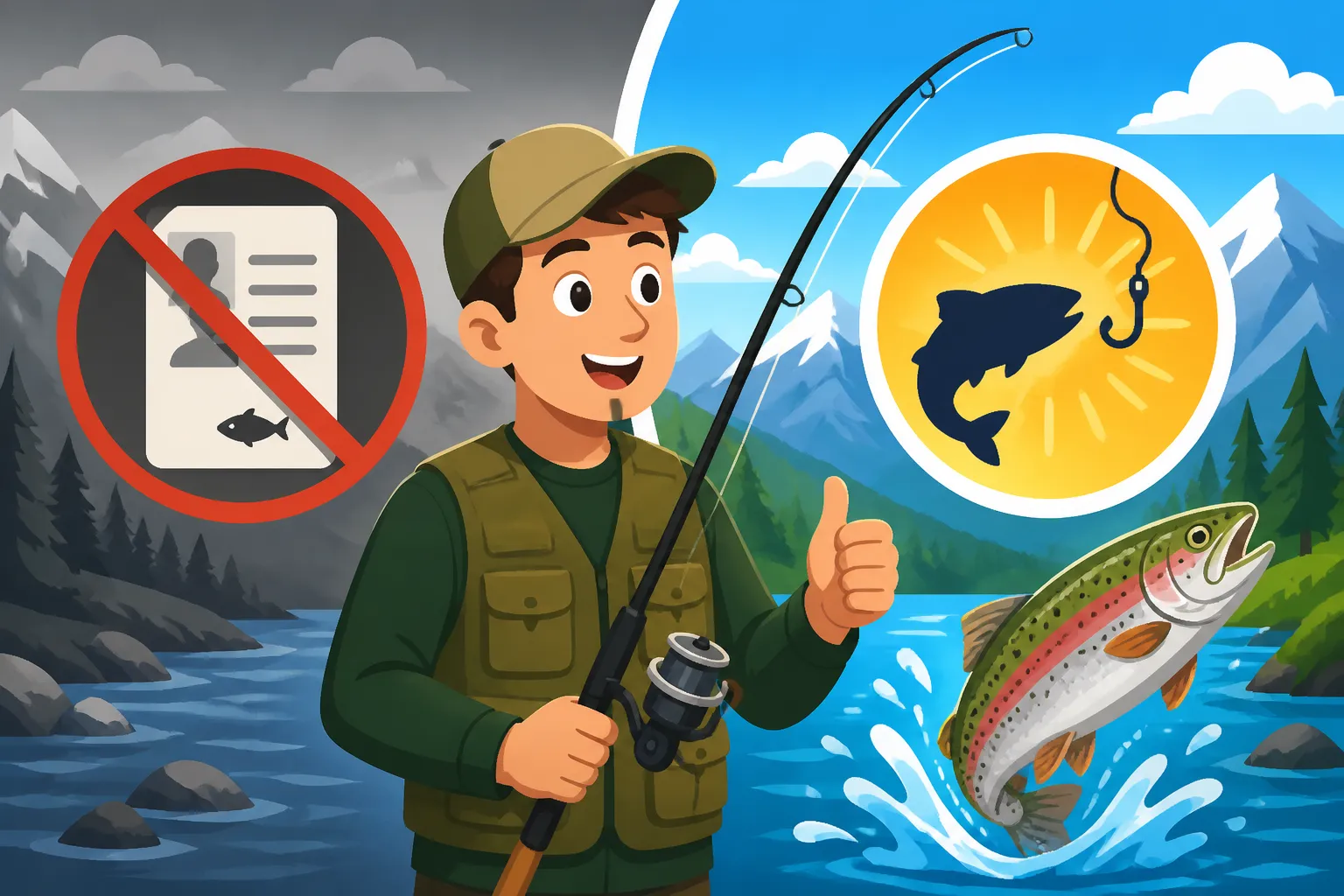
The core benefit of Colorado's Free Fishing Weekend is right there in the name: the requirement for a valid Colorado fishing license is waived for everyone, residents and nonresidents alike. This means you don't need to head to CPWShop.com, a local sporting goods store, or a Walmart to purchase a license for that specific Saturday and Sunday. It’s an open invitation to cast a line, explore Colorado's incredible waterways, and perhaps even discover a new passion for the sport. This is a fantastic opportunity for folks who are curious about fishing but aren't quite ready to commit to buying an annual license or for families looking for a low-cost, outdoor activity. It truly makes fishing accessible to a broader audience, removing that one financial barrier that might deter some from trying it out. Just remember, this specific waiver only applies during the designated Free Fishing Weekend, not any other time of year. For a full breakdown of the general requirements, you can check out the Colorado Fishing License Guide for Residents and Nonresidents.
When Colorado's Free Fishing Weekend Typically Occurs
Historically, Colorado's Free Fishing Weekend typically falls on the first full weekend of June. For example, if you're looking ahead to 2026, you can generally expect it to be on the first Saturday and Sunday of that month. CPW usually announces the exact dates well in advance on their official website, so it's always a good idea to double-check their calendar closer to the time. Mark it on your calendar, set a reminder on your phone, and start planning your outing! This timing is usually strategic, coinciding with warmer weather and before the peak summer crowds really hit, making it an ideal time for a pleasant fishing experience. If you're curious about the full calendar of angling opportunities, our guide on Colorado Fishing Season Dates and Bag Limits can offer year-round insights.
The Spirit Behind the Free Fishing Weekend
The intention behind the Free Fishing Weekend is truly about fostering a love for the outdoors and introducing new people, especially kids and families, to the rewarding sport of fishing. Colorado Parks and Wildlife recognizes that getting into fishing can seem daunting with all the regulations and initial costs. By removing the license requirement for two days, they hope to lower that barrier to entry. It's an opportunity for parents to take their children fishing without having to buy multiple licenses right off the bat, or for someone who's always wanted to try fly fishing to dip their toes in the water (pun intended!) without the full commitment. It’s also a way to highlight the importance of conservation and outdoor recreation, encouraging people to connect with nature and understand the value of healthy aquatic ecosystems. This weekend really embodies the spirit of sharing the beauty and recreation that Colorado's natural resources offer.
Rules and Regulations That Still Apply
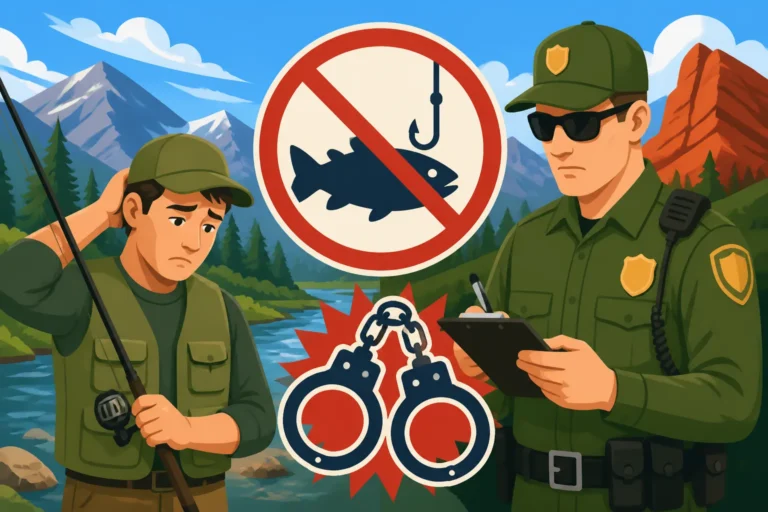
While the license requirement is waived, it’s absolutely crucial to understand that Free Fishing Weekend is not a free-for-all. Every other fishing regulation remains in full effect. Ignoring these rules can lead to serious penalties, including fines, so don't let the "free" aspect lull you into a false sense of security.
What You Still Need to Obey
During Free Fishing Weekend, all state and local fishing regulations continue to apply. This includes, but isn't limited to:
- Bag and Possession Limits: You still need to adhere to the daily bag and possession limits for each species. For example, if the limit for trout is four, you can only keep four, even though you don't have a license. These limits are in place to ensure sustainable fish populations, and they're taken very seriously. Our guide to Colorado Daily Bag Limits by Species has more details.
- Length Limits: Many waters have specific length restrictions, especially for prized species like trout in Gold Medal Waters. You might encounter "no-kill zones" or "catch-and-release" only sections. Always check the regulations for the specific body of water you're fishing.
- Bait Restrictions: Certain waters, particularly many Gold Medal Streams and specific trout-heavy areas, prohibit the use of bait. You might be restricted to artificial flies and lures only, or even barbless hooks. Ignorance is not an excuse for breaking these rules. To understand these specifics, read up on Colorado Bait Restrictions and Where They Apply.
- Fishing Methods: Rules regarding methods of take (e.g., snagging is generally illegal), types of lures, and the number of rods you can use (you'll still need a Colorado's Second-Rod Stamp and Who Needs One if you want to fish with two rods) are still in force.
- Private Property Access: Free Fishing Weekend does not grant you access to private lands or waters. You must still respect private property boundaries. Always ensure you are fishing in publicly accessible areas unless you have explicit permission from the landowner. A helpful resource here is understanding if Do You Need a License to Fish Private Water in Colorado?.
- Special Water Regulations: Colorado has various types of waters, including Gold Medal Waters and Wild Trout Waters, which often have unique and stricter regulations designed to protect specific fisheries. These special rules are in effect even on Free Fishing Weekend. Make sure to consult the Colorado Gold Medal Water Regulations Explained if you plan to visit one of these esteemed locations.
The Colorado Parks and Wildlife (CPW) website and their annual fishing regulations brochure are your best friends here. You can download the brochure online or pick up a physical copy wherever licenses are sold. Always check the regulations specific to the water you intend to fish. Our guide to Reading Colorado's Fishing Regulations Brochure can help you navigate this essential document.
What About the Habitat Stamp?
This is another common point of confusion. The Habitat Stamp is a separate purchase that helps fund wildlife conservation and habitat improvements across the state. Typically, anyone aged 18 to 64 who purchases an annual hunting or fishing license in Colorado must also buy a Habitat Stamp. However, during the Free Fishing Weekend, because the fishing license itself is waived, the associated requirement for the Habitat Stamp is also waived for those two days. So, if you are only fishing on the Free Fishing Weekend, you do not need to purchase a Habitat Stamp. But, if you decide you love fishing so much that you want to buy an annual license the following week, then you will indeed need to purchase a Habitat Stamp along with it. To get a clearer picture of this, read Colorado's Habitat Stamp, Explained.
Common Misconceptions to Avoid
It’s easy to get carried away by the idea of "free" fishing, but a little clarity can save you a lot of trouble. Here are a few common pitfalls to steer clear of:
- Thinking "Free" Means No Rules: As we've emphasized, this is probably the biggest and most dangerous misconception. The license is free, the rules are not. Every single regulation regarding fish species, size, bag limits, gear, and location is still in force. A game warden will treat violations just as seriously during Free Fishing Weekend as any other day.
- Ignoring Local Advisories: Sometimes, certain waters might have specific closures or advisories due to environmental conditions (like low water levels or high water temperatures, especially in late summer). These advisories often aim to protect fish populations from stress. Always check for current conditions and advisories from CPW or local fly shops before heading out.
- Assuming All Fees are Waived: Only the fishing license fee is waived. If you're planning to enter a state park, for instance, you'll still need to pay the park entrance fee or possess a valid State Parks Pass. Your fishing license (or lack thereof, during this weekend) has no bearing on park access fees. For more on this, check out Colorado State Park Passes vs Fishing Licenses.
Making the Most of Free Fishing Weekend
Free Fishing Weekend is a golden opportunity, especially for beginners or those looking to introduce others to the sport. With a little planning, you can have a truly memorable and stress-free experience.
Planning Your Outing
Since you're saving on the license fee, you can put that energy into planning a fantastic trip!
- Choose Your Location Wisely: For beginners, consider urban ponds or lakes that are regularly stocked by CPW. These waters often have easy access, paved paths, and good chances of catching smaller, feisty trout. Places like Chatfield Reservoir, Cherry Creek Reservoir, or many of the designated urban fishing ponds in the Denver Metro area are excellent choices. For more options, explore Colorado's Best Fishing Spots by Region.
- Check Stocking Reports: CPW regularly stocks many waters with rainbow trout, especially in the spring and early summer. Checking the weekly stocking report can significantly increase your chances of a successful outing, particularly for those new to fishing. You can usually find these reports on the CPW website. Learning to read these reports is a great skill, as outlined in Reading Colorado's Weekly Stocking Report.
- Consider What You Want to Catch: Are you hoping for an easy catch for the kids? Stocked trout are usually the answer. Looking for something bigger or more challenging? You might need to research waters known for specific species like bass, walleye, or pike.
- Pack Smart: Bring plenty of water, sunscreen, snacks, and appropriate clothing. Colorado weather can change quickly, even in June! A basic first-aid kit is always a good idea.
Essential Gear for Beginners
You don't need to break the bank to get started, especially for a free weekend. Basic spin-fishing gear is perfect for catching stocked trout.
- Rod and Reel Combo: A simple spinning rod and reel combo, typically a light to medium action rod about 5.5 to 7 feet long, is ideal. You can find very affordable options on Amazon or at local sporting goods stores. Look for one pre-spooled with 4-8 pound test monofilament line.
- Tackle Box Basics:
- Hooks: Size 8 or 10 bait hooks are great for trout.
- Sinkers: Small split shot sinkers or an assortment of bell sinkers will help get your bait down.
- Bobbers: Small, brightly colored bobbers are excellent for visual bite detection, especially for kids.
- Bait: PowerBait, salmon eggs, or even a classic nightcrawler are incredibly effective for stocked trout. Just double-check that bait is allowed in your chosen fishing spot!
- Lures: Small inline spinners (like Panther Martins or Mepps) or small spoons can also be very effective if bait isn't biting. Again, you can find a wide variety of these on Amazon.
- Pliers/Forceps: Essential for safely removing hooks from fish.
- Stringer or Cooler: If you plan to keep any legal fish, a stringer to keep them in the water or a small cooler with ice will keep them fresh.
- Other Essentials: A small landing net can be incredibly helpful for safely landing fish, especially if you're practicing catch-and-release. Again, a simple, inexpensive model from Amazon will do the trick. A pair of polarized sunglasses will help you see into the water better and protect your eyes.
Table: Basic Beginner Fishing Gear Checklist
| Item Category | Specific Items | Purpose |
|---|---|---|
| Rod & Reel | Spinning rod (5.5-7 ft, light/medium action), spinning reel with 4-8lb line | Casting, retrieving, fighting fish |
| Terminal Tackle | Hooks (size 8-10 bait hooks), split shot sinkers, assorted bell sinkers, bobbers | Presenting bait, detecting bites, weighing line down |
| Bait/Lures | PowerBait, salmon eggs, nightcrawlers, small inline spinners, small spoons | Attracting and catching fish |
| Accessories | Pliers/Forceps, small landing net, stringer/cooler, polarized sunglasses, measuring tape | Hook removal, landing fish, keeping fish fresh, eye protection, compliance |
| Personal Items | Water, snacks, sunscreen, hat, appropriate clothing, first-aid kit | Comfort, safety, hydration |
Bringing New Anglers Along
Free Fishing Weekend is the perfect time to introduce someone new to the sport.
- Focus on Fun, Not Fish Count: The goal should be to enjoy the outdoors, learn something new, and make memories, not necessarily to catch a trophy fish. Any fish caught is a bonus!
- Keep it Simple: Don't overload beginners with too much technical information. Show them how to cast, how to reel, and how to tell if they have a bite. Let them experience the joy of the tug on the line.
- Be Patient: Learning to cast, tie knots, and identify fish takes time. Offer encouragement and celebrate small victories.
- Educate on Ethics: Even without a license, it's a great opportunity to teach responsible angling practices like proper catch-and-release techniques, understanding bag limits, and cleaning up after yourself. Emphasize the importance of respecting the resource and leaving no trace.
Beyond Free Fishing Weekend: Licensing Basics
Once you've had a taste of Colorado fishing during the free weekend, you might find yourself hooked (again, pun intended!). Understanding the regular licensing structure is important if you want to make fishing a regular part of your outdoor life.
Why Fishing Licenses are Important
Fishing licenses are more than just a piece of paper; they are a direct contribution to the health and sustainability of Colorado's fisheries. The funds generated from license sales go directly to Colorado Parks and Wildlife, supporting crucial programs such as:
- Fish Stocking: This includes raising and releasing millions of trout and other species into public waters each year, which is especially important for maintaining catchable populations in popular areas.
- Habitat Restoration and Protection: Protecting critical spawning grounds, improving water quality, and managing aquatic ecosystems for all wildlife benefit from these funds.
- Enforcement: Game wardens rely on license revenue to patrol waterways, enforce regulations, and ensure compliance, which is vital for preventing overfishing and poaching.
- Research and Management: CPW conducts scientific research to understand fish populations, monitor health, and make informed decisions about stocking and regulation changes.
Essentially, when you buy a fishing license, you're directly investing in the future of fishing in Colorado, ensuring that generations to come can enjoy the same opportunities you do. Without these funds, many of the incredible fishing opportunities we have today simply wouldn't exist. This is a fundamental concept covered in What You're Actually Paying for in a Colorado Fishing License.
Getting Your First Colorado Fishing License
Once Free Fishing Weekend is over, if you want to continue fishing, you'll need to purchase a license. Thankfully, CPW has made the process incredibly convenient.
- Online: The easiest way to purchase your license is through the official CPWShop.com website. It's a straightforward process, and you can usually print a temporary license immediately or have a digital version on your phone. This is detailed in Buying a Colorado Fishing License Online at CPWShop.com.
- In Person: You can also buy a license at numerous authorized sales agents across the state, including many sporting goods stores, outdoor retailers (like some Bass Pro Shops or Cabela's locations), and even some Walmarts. This option is great if you prefer a physical license or want to ask questions directly to a sales agent. Our guide on Where to Buy a Colorado Fishing License in Person has more specifics.
- By Phone: For those who prefer talking to a person, CPW also offers a phone purchasing option, adding another layer of accessibility. You can find more information on How to Buy a Colorado Fishing License by Phone.
Remember, you'll need to determine if you qualify as a resident or nonresident, as the costs differ significantly. For a full breakdown, check out Colorado Fishing License Costs Explained. Don't forget that if you are between 18 and 64 and purchasing an annual license, you will also need to buy a Habitat Stamp.
Long-Term Benefits of Holding a License
Beyond simply making it legal to fish, holding a valid Colorado fishing license connects you to a larger community of outdoor enthusiasts and conservationists. It demonstrates your commitment to responsible recreation and the preservation of Colorado's natural beauty. It's a badge of honor, really. By contributing your license fees, you're helping ensure that future generations will have the same, if not better, opportunities to enjoy Colorado's diverse and abundant fisheries. Plus, it gives you peace of mind knowing you're compliant with the law and doing your part for the environment. So, after you've had a blast on Free Fishing Weekend, consider making that small investment in a license – it truly pays dividends for everyone who loves to fish in our beautiful state.
Disclaimer
Fishing regulations and license requirements are subject to change. Always consult the official Colorado Parks and Wildlife (CPW) website and their most current fishing regulations brochure before engaging in any fishing activities. This guide is intended for informational purposes only and should not be considered legal advice.