What to Do When Colorado Closes a River You Planned to Fish
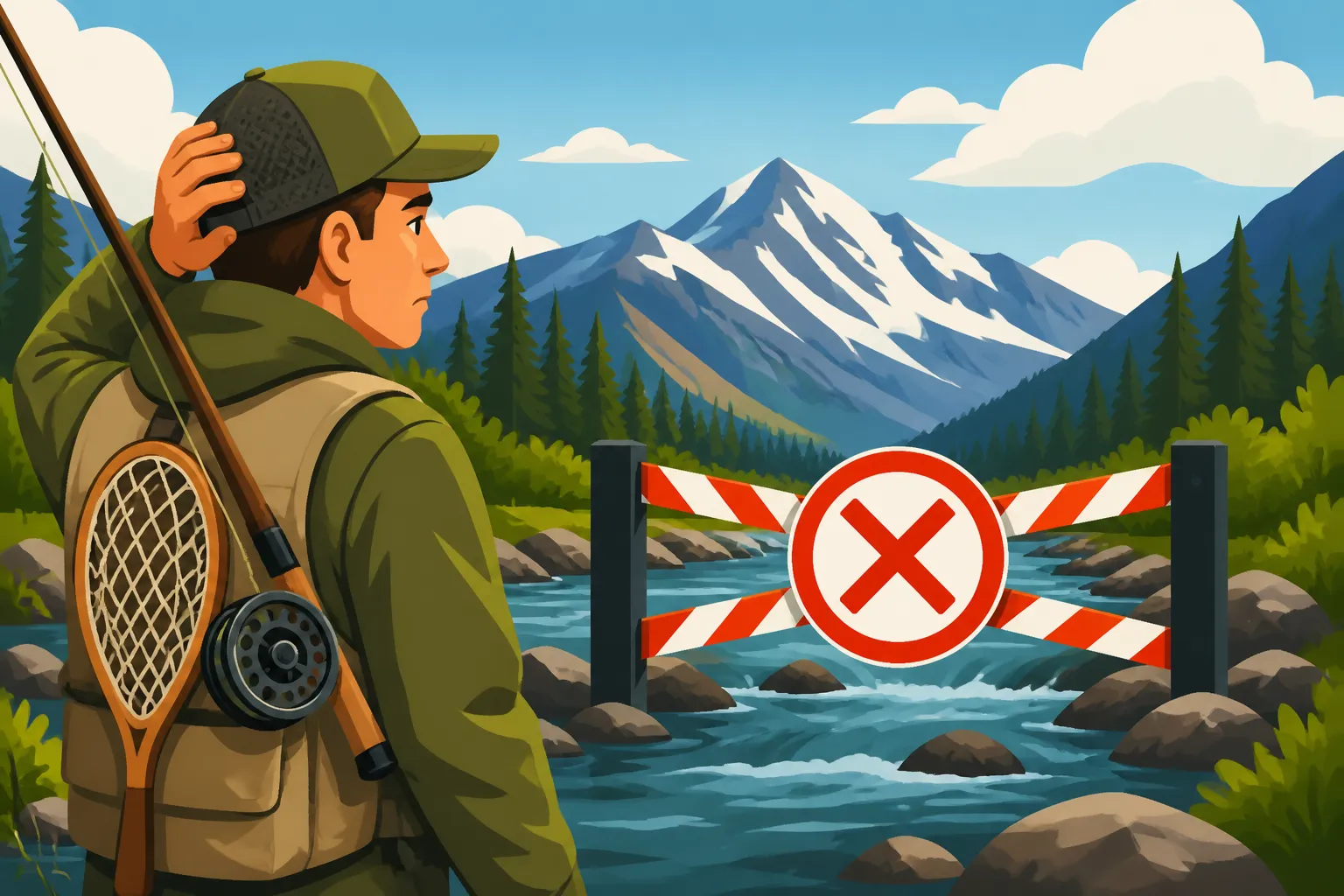
There’s nothing quite as frustrating as planning a much-anticipated fishing trip to a favorite Colorado river, only to discover it’s been closed or placed under severe restrictions. It feels like a punch to the gut after all that anticipation and preparation. But river closures are a reality in our beautiful, often arid state, and understanding why they happen and how to adapt your plans is key to still enjoying a successful day on the water. This guide will walk you through the reasons behind these closures and equip you with the knowledge and alternatives to keep your lines wet, even when your first choice isn't an option.
Understanding Why Rivers Close in Colorado
River closures and restrictions in Colorado aren't arbitrary decisions made to spoil your fun; they are crucial measures taken by Colorado Parks and Wildlife (CPW) to protect our precious fish populations, especially trout, during periods of environmental stress. These conditions typically arise from a combination of low water levels and elevated water temperatures, creating a dangerous cocktail for cold-water species.
The Impact of Drought and Low Flows
Colorado's rivers and streams are heavily reliant on winter snowpack for their annual water supply. When we experience a low snowpack year, or a particularly dry spring and summer, the consequences for our waterways can be severe. Reduced snowmelt means lower overall streamflows, which leads to shallower water. This decreased volume concentrates fish into smaller areas, making them more susceptible to predators and increasing competition for limited resources.
Think about the South Platte River near Deckers. During a normal year, the flows are robust, offering ample oxygen and space for the thriving trout population. But in a drought year, those same stretches can become a trickle, barely covering the rocks. The fish, especially the larger ones, have nowhere to hide, and the stress of crowding quickly takes a toll on their health. It's a tough situation that often leads to mandatory closures to give these fish a fighting chance.
Water Temperature and Fish Health
Even if water levels aren't critically low, high water temperatures can be just as, if not more, detrimental to cold-water species like trout. Trout, particularly rainbow, brown, and cutthroat varieties, thrive in water temperatures generally below 65 degrees Fahrenheit. As water temperatures climb above this threshold, the dissolved oxygen levels in the water decrease significantly. Simultaneously, the metabolic rates of the fish increase, meaning they need more oxygen just to survive.
This double-whammy creates a deadly scenario: less oxygen available, and a higher demand for it. Fish become lethargic, struggle to feed, and are highly susceptible to disease. The act of catching and releasing a fish in warm water, even with the best intentions, can become a death sentence. The physical exertion of the fight, coupled with exposure to air during handling, is often enough to push an already stressed fish over the edge. This is why you'll often hear about "hoot owl" restrictions, where fishing is only permitted during the cooler morning hours, or full closures when temps are consistently too high. Understanding How Water Temperature Affects Trout Feeding is crucial for any responsible angler in Colorado.
Voluntary vs. Mandatory Closures
It’s important to understand that not all closures are created equal, though all should be taken seriously. Colorado Parks and Wildlife (CPW) issues different levels of advisories, and knowing the difference can help you make informed decisions.
Voluntary Closures: These are essentially strong recommendations from CPW, often supported by local fly shops and conservation groups. They advise anglers to voluntarily avoid fishing specific stretches of river during certain times, usually when water temperatures reach a critical threshold (e.g., above 68°F). While not legally enforceable, adhering to voluntary closures is a hallmark of an ethical angler. It shows respect for the resource and a commitment to conservation. Ignoring these can lead to unnecessary fish mortality, making a bad situation even worse for the fish and potentially leading to mandatory closures down the line.
Mandatory Closures: These are legally binding restrictions, often enforced with significant fines and penalties for non-compliance. When CPW issues a mandatory closure, it means the situation for fish is dire, and direct intervention is necessary to prevent widespread mortality. These closures can range from "hoot owl" restrictions, where fishing is only allowed during specific, cooler hours (like dawn until noon), to full, 24-hour bans on fishing a particular body of water. Fishing in a mandatory closure zone is essentially fishing without a license, and the consequences, as outlined in articles like What Happens If You Fish in Colorado Without a License, are severe. Always check official sources before heading out, especially during hot, dry periods.
How to Stay Informed About River Conditions
The dynamic nature of Colorado’s weather and river flows means conditions can change rapidly. What was fishable last week might be closed this week. Staying informed is your best defense against a wasted trip and ensures you're practicing ethical angling.
Official Colorado Parks and Wildlife Resources
Your absolute first stop for accurate, up-to-date information should always be the official Colorado Parks and Wildlife (CPW) channels. They are the governing body responsible for managing our state's natural resources, and their information is authoritative.
The CPW website is packed with resources. Specifically, look for their "Fishing Reports" section, which often includes current conditions and any active closures or restrictions. They also maintain dedicated pages for drought and angling advisories. Many closures are directly linked to specific regulations, so understanding the broader context from the Colorado Fishing Regulations Every Angler Should Know can also be helpful. Sign up for their email newsletters or follow their social media accounts to get real-time alerts. These direct communications are often the quickest way to learn about an emergency closure that might impact your plans.
Local Fly Shops and Outfitters
Beyond official government sources, your local fly shops and outfitters are invaluable resources. These folks are on the water, or have guides on the water, almost daily. They experience the conditions firsthand and often receive direct updates from CPW or local river stewards even before public announcements hit.
A quick phone call or a stop by a shop like Angler’s Covey in Colorado Springs, or Trouts Fly Fishing in Denver, can provide incredibly specific, granular details about current hatches, water clarity, and, most importantly, any impending or active closures. They can also offer fantastic advice on alternative spots that might still be fishing well. Many shops also maintain their own online fishing reports, often more detailed and localized than CPW's general updates. Supporting these local businesses, perhaps by picking up a new fly or some leader material you found on Amazon at the shop, also helps ensure they continue to be a community resource.
Online Tools and Apps
In this digital age, a variety of online tools and apps have emerged to help anglers stay current with river conditions. These can be excellent supplements to official CPW reports and local shop intelligence.
One of the most powerful tools is the U.S. Geological Survey (USGS) water data site. You can find real-time streamflow data for thousands of rivers across the country, including most major Colorado waterways. By monitoring stream gauges, you can see if flows are dropping or rising, giving you an indication of potential issues before an official closure is announced. Sites like Fishpond and river-specific webcams (where available) can also offer visual confirmation of conditions. For a more comprehensive look at mapping and access, What Colorado's Fishing Atlas Shows You is a fantastic resource, often integrated into various apps. When purchasing a new fishing thermometer or other essential gear, it's always worth checking a reputable online retailer like Amazon for a wide selection and competitive pricing.
For anglers looking for general planning, here's a quick comparison of information sources:
| Source Type | Information Provided | Best For | Frequency of Updates | Cost |
|---|---|---|---|---|
| CPW Website/Social Media | Official closures, regulations, stocking reports, general fishing reports | Mandatory closures, legal requirements, statewide overview | Daily/Weekly, immediate for emergencies | Free |
| Local Fly Shops/Outfitters | Hyper-local conditions, specific advice, voluntary advisories, gear recommendations | Real-time intel, alternative spots, expert tips | Daily | Varies |
| USGS Stream Gauges | Real-time flow rates, historical data | Identifying trends, anticipating low/high water | Hourly | Free |
| Dedicated Fishing Apps (e.g., Fishbrain) | User-submitted reports, weather, maps, species info | Crowdsourced data, discovering new spots | Continuous (user-dependent) | Free/Paid |
Crafting a Backup Plan for River Closures
Discovering your dream river is closed can be a real bummer, but it doesn't mean your fishing trip is over. Colorado offers such diverse angling opportunities that with a little flexibility and foresight, you can almost always find a fantastic alternative. The key is to have a backup plan (or two!) ready to go.
Exploring Higher Elevation Lakes and Streams
When lower elevation rivers are baking in the summer heat and running low, the high country often becomes your best friend. Lakes and streams at elevations above 9,000 or 10,000 feet typically remain significantly cooler throughout the summer, ensuring healthier water temperatures and more active fish. These alpine environments are often fed by melting snowpack, providing consistent, cold flows.
Consider heading to the majestic San Juan Mountains or the Indian Peaks Wilderness. Places like Lake San Cristobal near Lake City, or the countless small lakes and feeder streams in the high alpine zones of Rocky Mountain National Park, offer incredible opportunities for brook trout, cutthroat, and even some rainbow trout. While access might require a hike, the stunning scenery and eager fish make the effort worthwhile. Just remember to check access roads and trail conditions, as snow can linger into July at these elevations. If you're looking for an unforgettable experience, consult resources like Best High-Country Lakes for Colorado Fishing for ideas. You might even find some specialized ultralight fishing gear perfect for backpacking available on Amazon.
Focusing on Tailwaters and Deep Reservoirs
Another excellent alternative during periods of river closures is to shift your focus to tailwaters or deep reservoirs. Tailwaters are the stretches of river directly below large dams. The water released from the bottom of these reservoirs is consistently cold, providing a stable, oxygen-rich environment for trout, even when upstream or downstream sections of the same river are struggling.
Famous Colorado tailwaters like the Fryingpan River below Ruedi Reservoir, the Dream Stream (part of the South Platte), or the Blue River in Silverthorne are prime examples. These rivers often remain open and fish well even during the hottest parts of summer. Likewise, large, deep reservoirs such as Blue Mesa Reservoir, Eleven Mile Reservoir, or Granby Lake can hold colder water at depth, providing refuge for lake trout, kokanee salmon, and even some hefty rainbow and brown trout. These fish will often move to deeper, cooler water when surface temperatures rise. Consider exploring Trolling Techniques for Colorado Reservoirs to make the most of these expansive waters.
Targeting Different Species or Techniques
Sometimes, the best backup plan involves a complete shift in your angling approach. If trout rivers are closed, why not consider targeting other species that thrive in warmer water? Colorado has a fantastic diversity of warm-water fisheries, especially in the eastern plains and along the Front Range.
Lakes and reservoirs like Chatfield Reservoir, Cherry Creek Reservoir, or Pueblo Reservoir are teeming with species like walleye, smallmouth bass, largemouth bass, pike, and catfish. These fish are much more tolerant of higher water temperatures and can offer thrilling action when trout fishing is slow or impossible. You might need to adjust your gear and techniques – perhaps swapping your fly rod for a spin casting setup and some lures you ordered from Amazon – but the change of pace can be incredibly rewarding. For example, Walleye Fishing in Colorado offers a completely different challenge and can be a great way to salvage a trip. Don't forget to check Colorado Fishing Seasons Month by Month for optimal times to target these diverse species.
Responsible Angling Practices During Stressful Conditions
Even when rivers are technically open, stressful environmental conditions like high temperatures or low water can make fish incredibly vulnerable. As responsible anglers, it's our duty to minimize our impact and ensure the long-term health of the fishery. Practicing good catch-and-release techniques is more critical than ever during these times.
Limiting Your Fishing Time and Handling Fish Gently
One of the best ways to reduce stress on fish during difficult conditions is to limit your time on the water, especially during the warmest parts of the day. If you must fish, consider going out early in the morning when water temperatures are at their lowest and then calling it a day by noon. This "hoot owl" approach, often seen as a voluntary restriction, makes a huge difference.
When you do hook a fish, bring it in quickly and efficiently. Prolonged fights exhaust fish, making them more susceptible to post-release mortality. Once landed, keep the fish in the water as much as possible. Wet your hands before handling, avoid squeezing the fish, and use a de-barbed hook to facilitate a quick release. If you're planning to take a photo, do it swiftly, holding the fish horizontally and supporting its belly, minimizing its time out of the water to mere seconds. A good, rubberized net can also help keep the fish submerged while you work on unhooking it. For more detailed guidance, learn about Colorado's 14-Inch Trout Length Rule and similar regulations that highlight the importance of careful handling.
Carrying a Thermometer and Knowing When to Quit
Being prepared means knowing when to make the responsible decision to stop fishing. A simple, inexpensive stream thermometer is one of the most valuable tools an angler can carry, especially during the warmer months. You can easily find them online, including on Amazon, or at any local fly shop.
Regularly check the water temperature as you fish. If the water temperature creeps up to 65 degrees Fahrenheit, it's a good time to start thinking about packing it in. Once it hits 68 degrees, it’s highly recommended to stop fishing for trout entirely. At this point, even careful catch-and-release can be lethal. Knowing your limits and prioritizing the well-being of the fish over your desire to cast is a mark of true stewardship. It’s better to have a good fishing spot for years to come than to push it too hard for one more fish.
Supporting Conservation Efforts
River closures and restrictions are a symptom of larger environmental challenges, particularly climate change and water management issues. As anglers, we have a vital role to play in advocating for and supporting conservation efforts that protect our waterways. This goes beyond just personal fishing practices.
Consider joining local conservation groups, participating in river cleanups, or donating to organizations dedicated to preserving Colorado's aquatic habitats. Groups like Trout Unlimited or Colorado TU chapters do incredible work in lobbying for sustainable water policies, restoring critical fish habitat, and educating the public. Your voice, combined with others, can make a significant impact on policy decisions that affect streamflows and water quality. Additionally, remember that a portion of the funds from every Colorado Fishing License Guide for Residents and Nonresidents purchase and Colorado's Habitat Stamp, Explained goes directly towards conservation efforts, helping to ensure our rivers and fish thrive for generations to come.
Disclaimer
The information provided in this guide is for general informational purposes only and should not be considered legal advice. Fishing regulations, season dates, and river conditions in Colorado are subject to change. Always consult the official Colorado Parks and Wildlife (CPW) website and local authorities for the most current and accurate information before planning your fishing trip. Adhere to all posted regulations and advisories.