Does a Colorado License Work in Rocky Mountain National Park?
Many anglers, especially those visiting from out of state or even Colorado residents planning a trip to the majestic Rocky Mountain National Park, often find themselves scratching their heads wondering if their standard Colorado fishing license is enough. It’s a completely valid question, as the overlapping jurisdictions of state and federal lands can create a labyrinth of rules. This guide is here to untangle that confusion and provide a clear, comprehensive answer to ensure your fishing adventure in RMNP is both legal and enjoyable.
Yes, You Absolutely Need a Colorado Fishing License for Rocky Mountain National Park
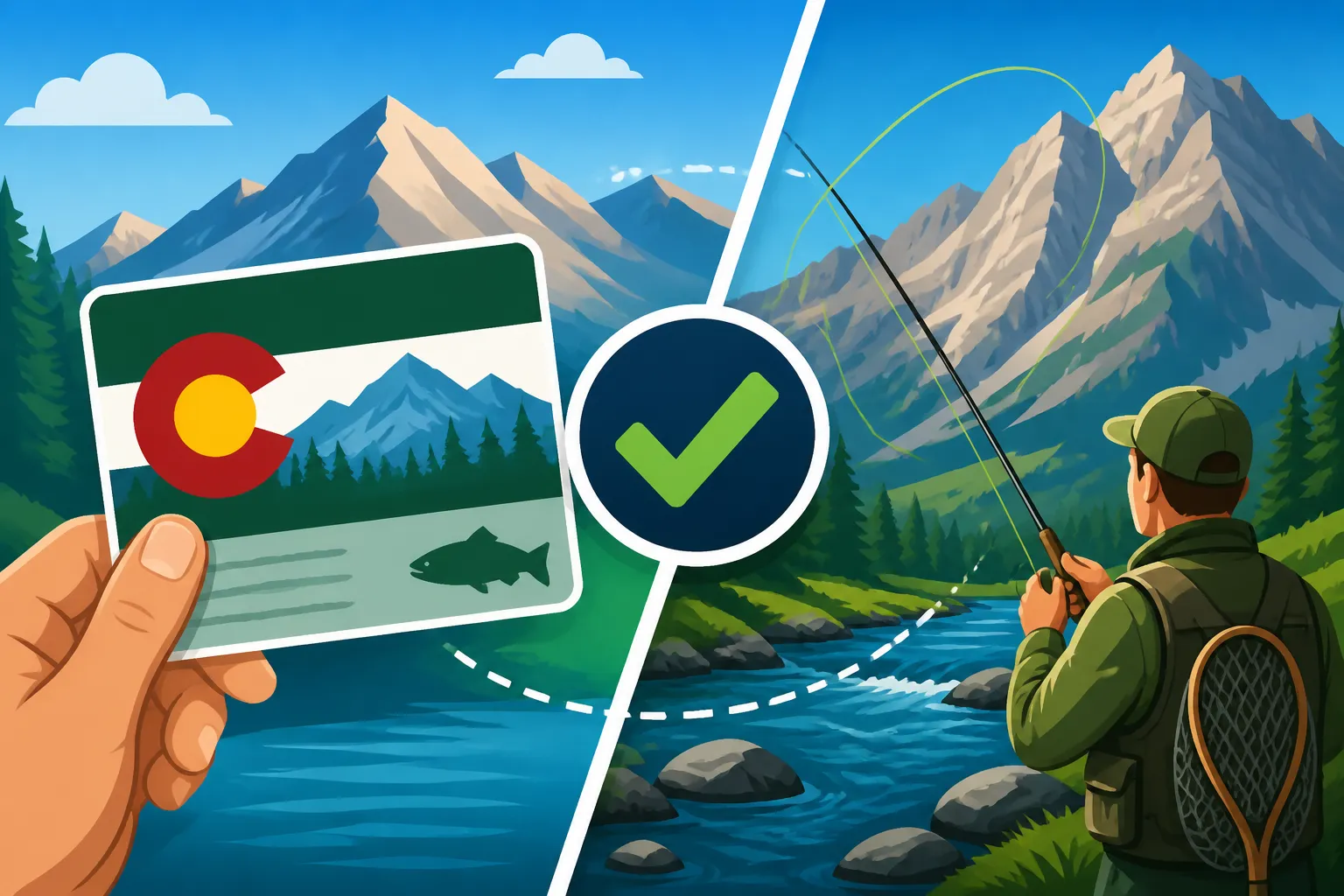
When you're dreaming of casting a line into one of RMNP's pristine alpine lakes or crystal-clear streams, the very first thing to understand is that the park, despite being a federal entity, is located entirely within the state of Colorado. This means that Colorado's wildlife laws apply, and thus, a valid Colorado fishing license is a non-negotiable requirement for anyone aged 16 or older.
The Fundamental Requirement
Think of your Colorado fishing license as your baseline ticket to fish anywhere in the state, including the waters inside Rocky Mountain National Park. Whether you're a long-time resident or just visiting for a week, you'll need either an annual license, a five-day license, or a one-day license, depending on your plans. There isn't a special "federal fishing license" issued specifically for national parks, so don't go looking for one! You can easily purchase your license online through the Colorado Parks and Wildlife (CPW) website, or from numerous authorized vendors across the state, like sporting goods stores. To truly dive into the specifics of obtaining one, you might find our comprehensive guide, "Colorado Fishing License Guide for Residents and Nonresidents", incredibly helpful, or even "How to Buy a Colorado Fishing License". It covers all the ins and outs of getting your license squared away before you even hit the road.
This initial step is crucial. Imagine arriving at a beautiful, secluded lake deep in the park, only to realize you overlooked this basic requirement. That could lead to a hefty fine and certainly spoil an otherwise perfect day. So, before you pack your rods and reels, make sure that little piece of paper or digital license is securely in your possession.
Why State and Federal Rules Intersect
The reason for this dual-layered regulatory system often puzzles people. Colorado Parks and Wildlife (CPW) is the state agency responsible for managing all fish and wildlife resources across Colorado. However, the National Park Service (NPS) has its own mandate: to preserve and protect the natural and cultural resources within national park boundaries. This means that while CPW sets the general fishing framework, the NPS can (and often does) implement additional, stricter regulations within RMNP to meet its conservation goals.
It's a lot like navigating city streets versus state highways. Both are part of a larger transportation network, and you need a state driver's license for both. But the city might have specific parking rules, speed limits in school zones, or restrictions on certain types of vehicles that don't apply on a wide-open interstate. Similarly, RMNP’s unique ecosystems, especially its fragile native trout populations, necessitate these extra layers of protection. This intersection of rules can be a little frustrating to navigate, but it’s all aimed at preserving the incredible fishing opportunities and natural beauty that draw us to places like RMNP in the first place. Understanding this distinction is key to being a responsible angler in such a treasured landscape.
Beyond the Basics: Rocky Mountain National Park's Specific Fishing Regulations
While your Colorado fishing license is your entry ticket, it's just the beginning. Rocky Mountain National Park has a distinct set of regulations that often go above and beyond the standard statewide rules. These are designed to protect the park's unique ecosystems, particularly its sensitive native trout populations and fragile high-alpine environments. Ignoring these specific park rules can lead to disappointment or, worse, penalties.
Special Permits and Entrance Fees
It’s important to clarify one point upfront: beyond your state fishing license, you do not need a separate "fishing permit" from the National Park Service itself. However, you absolutely do need to pay the park entrance fee to access RMNP. This is a common point of confusion. Many anglers assume their fishing license covers entry, but it doesn't. You can purchase a 7-day vehicle pass, an individual entry pass, or an annual America the Beautiful Pass, which grants access to all national parks and federal recreational lands for a year. For a deep dive into this, you might want to read our post "Do You Need a Park Entrance Fee to Fish in Rocky Mountain National Park?".
Furthermore, during peak summer months (typically late May through early October), RMNP implements a timed entry permit system for certain areas of the park, including the popular Bear Lake Road corridor and the entire park in general. This means even if you have your entrance fee covered, you might need a separate reservation to enter the park during specific hours. Always check the official RMNP website for the most current information on entrance fees and timed entry requirements before you plan your trip. It would be a shame to drive all the way there, fishing license in hand, only to be turned away at the gate.
Catch and Release and Barbless Hooks
This is where RMNP's rules often diverge most significantly from general state regulations. Many of the park’s high-country lakes and streams are designated as strictly catch-and-release, especially those inhabited by native cutthroat trout. Even in waters where keeping fish is allowed, the bag and possession limits are typically much lower than what you might find elsewhere in Colorado. The goal is conservation, ensuring these delicate populations thrive for generations to come.
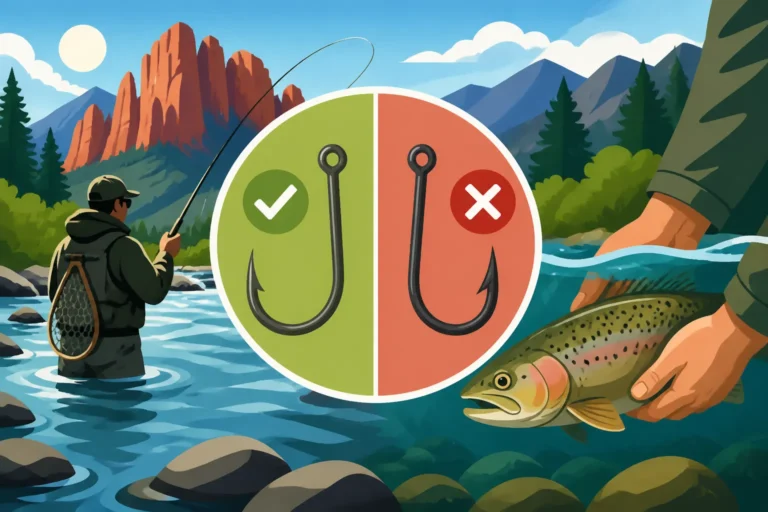
An almost universal rule in RMNP's designated fishing waters is the requirement for barbless hooks. This regulation is critical for minimizing harm to fish, particularly when practicing catch-and-release. A barbed hook can cause significant tissue damage, making it harder for a released fish to survive. Pinching down the barb on your hooks with pliers is a simple, effective way to comply. If you’re not sure about the technique, or need to stock up on barbless options, a quick search on Amazon for "barbless fishing hooks" will yield plenty of results. For more detailed information on this practice, our article on "Barbless Hook Rules on Colorado Rivers" offers valuable insights, as does "Catch-and-Release Rules on Colorado's Cutthroat Waters". Always consult the current RMNP fishing regulations for the specific water you intend to fish, as rules can vary even within the park.
Bait and Lure Restrictions
Another significant area of difference you'll encounter in Rocky Mountain National Park is regarding bait and lure usage. In many RMNP waters, live bait is strictly prohibited. This regulation is in place to prevent the introduction of non-native species or diseases that could devastate the park's native fish populations. Imagine introducing a minnow or worm that carries a parasite; it could wipe out an entire ecosystem. For this reason, many areas within RMNP only permit the use of artificial flies and lures. Some especially sensitive waters might even go a step further, allowing only artificial flies.
Before you head out, make sure your tackle box is filled with appropriate artificial options. This might mean stocking up on a variety of fly patterns – nymphs, dry flies, and streamers – or an assortment of spin fishing lures like small spinners or spoons. You can find a vast selection of these on Amazon, often with reviews that can help you select patterns known to work well in mountain environments. The key takeaway here is to always double-check the specific regulations for the lake or stream you plan to fish, as bait restrictions are often clearly posted at trailheads or access points, or detailed in the official RMNP fishing regulations.
To illustrate the stark differences, let's look at a quick comparison:
| Regulation Aspect | General Colorado State Rule (Example) | Rocky Mountain National Park Rule (Typical) |
|---|---|---|
| Fishing License | Required for ages 16+ | Required for ages 16+ |
| Park Entrance Fee | Not applicable statewide | Required for park access (and timed entry if applicable) |
| Bait Use | Often allowed (check local rules for specific water) | Artificial flies/lures only (live bait often prohibited) |
| Hook Type | Barbed hooks generally allowed | Barbless hooks required in many waters |
| Bag Limits | Varies significantly by species/water | Strictly catch-and-release or very low limits |
| Native Trout | Specific limits/identification | Enhanced protection, often catch-and-release and special restrictions |
Planning Your Fishing Trip to Rocky Mountain National Park
A successful and enjoyable fishing trip to Rocky Mountain National Park requires a bit more planning than simply grabbing your gear and a license. The high-altitude environment, dynamic weather, and specific conservation mandates within the park mean that a little foresight goes a long way.
Researching Specific Waterways
Rocky Mountain National Park is immense, spanning over 415 square miles with countless lakes, streams, and rivers. Crucially, fishing regulations are not uniform across the entire park. Rules can vary significantly from one lake to another, or from a high-alpine stream down to a larger river in a valley. This means your research shouldn't stop at knowing the general park rules. You need to pinpoint the specific waterway you intend to fish and then verify its individual regulations.
The best place to start your research is always the official Rocky Mountain National Park website. They provide detailed fishing information, including maps, species present, and specific rules for each major body of water. You can also often find helpful signage at trailheads leading to popular fishing spots within the park. Don't rely on outdated information or hearsay; regulations can change annually. When looking at general state rules, our "Reading Colorado's Fishing Regulations Brochure" can teach you how to interpret regulations, a skill that's equally valuable when reviewing RMNP's specific guidelines. Taking the time to do this homework ensures you're prepared for the actual conditions and rules you'll encounter on the ground.
Identifying Native Trout and Conservation Efforts
One of RMNP's primary missions is the protection and recovery of native fish species, most notably the Greenback Cutthroat Trout. These fish, once thought extinct, are making a comeback in isolated, pristine waters within the park. This commitment to conservation directly impacts fishing regulations. Anglers in RMNP are often required to be able to identify different trout species. If you accidentally catch a protected native species in a restricted area, you must release it immediately and unharmed.
Being able to distinguish between a native Greenback Cutthroat, a non-native Rainbow Trout, or a hybrid "cutbow" is not just good practice; it's a critical part of fishing responsibly in the park. Our article, "Colorado's Native Cutthroat Trout Subspecies", and "Colorado's Trout Species, A Field Guide" can be invaluable resources for this. Some areas within RMNP might even be completely closed to fishing to protect spawning grounds or fragile recovery populations. Always be on the lookout for signs indicating such closures. This focus on native species is a testament to the park's dedication to ecological health, and as anglers, we play a vital role in supporting these efforts by adhering to the rules and practicing careful catch-and-release.
Essential Gear and Safety Considerations
Fishing in Rocky Mountain National Park isn't like fishing a lower-elevation urban pond. The high-alpine environment, often above 9,000 feet, demands careful consideration of your gear and safety. Weather can change drastically and rapidly, from warm sunshine to freezing rain or even snow, all within a single afternoon.
Layered clothing is your best friend. Start with a moisture-wicking base layer, add insulating mid-layers (fleece or down), and top it with a waterproof and windproof outer shell. Even on a seemingly warm day, pack a hat, gloves, and extra socks. Sturdy, waterproof hiking boots are essential, as accessing many of the best fishing spots involves significant hiking, often over uneven or wet terrain. A good quality backpack to carry your gear, food, water, and emergency supplies is a must. For those longer hikes to "High-Country Lakes for Colorado Fishing", you’ll want to be well-prepared.
Don't forget sun protection – the UV index is significantly higher at altitude, so sunscreen, sunglasses, and a wide-brimmed hat are critical. Carry a map and compass or a reliable GPS device, as cell service is often nonexistent. A basic first-aid kit is non-negotiable, and consider bear spray if you're venturing into more remote areas, though encounters are rare. Staying hydrated is also incredibly important at altitude. Consider purchasing a durable water filter or purification tablets from Amazon to ensure you have access to safe drinking water from streams, as carrying all the water you'll need can be cumbersome. Always inform someone of your itinerary, including where you're going and when you expect to return. Safety should always be your top priority, even before the fishing.
Respecting the Environment and Fellow Anglers
Fishing in a national park like RMNP is a privilege, and it comes with a responsibility to uphold the principles of conservation and outdoor ethics. Your actions can have a lasting impact on the delicate ecosystem and the experience of other visitors.
Leave No Trace Principles
The cornerstone of recreating in national parks and wilderness areas is "Leave No Trace." This means exactly what it sounds like: leave the environment as pristine as you found it, or even better. When fishing, this translates to several key practices:
- Pack it in, pack it out: Every piece of trash, no matter how small – monofilament line scraps, snack wrappers, fruit peels – must come out with you. Consider bringing a small trash bag specifically for this purpose. Even biodegradable items take a long time to decompose in alpine environments and can attract wildlife.
- Stay on designated trails: Wandering off-trail can damage fragile vegetation and soil, contributing to erosion and habitat degradation. If you're accessing a fishing spot, stick to established paths.
- Dispose of waste properly: Human waste needs to be buried at least 6-8 inches deep and 200 feet away from water sources, trails, and campsites. Toilet paper should be packed out.
- Respect wildlife: Observe animals from a distance and never feed them. Your presence should not alter their natural behavior.
By adhering to these principles, you're not just following rules; you're actively contributing to the preservation of RMNP's natural beauty and ensuring that future generations can enjoy the same incredible fishing experiences.
Being a Courteous Angler
National parks, especially popular ones like RMNP, can see a lot of visitors, including many fellow anglers. Practicing good etiquette enhances everyone's experience on the water:
- Give others space: If you arrive at a stream or lake and see someone already fishing, give them ample room. Don't crowd their spot or cast over their line. A good rule of thumb is to allow at least 50-100 feet of space, especially on smaller streams.
- Communicate: A friendly nod or a brief "hello" can go a long way. If you need to pass someone, politely ask if you can cross.
- Mind your noise: Enjoy the tranquility of nature. Keep voices down and avoid loud noises that can disturb wildlife or other anglers seeking peace.
- Share information (respectfully): If asked, feel free to share general tips about flies or techniques, but avoid revealing specific hot spots that could then be overrun.
Rocky Mountain National Park offers some of the most stunning and rewarding fishing experiences in Colorado, especially if you're targeting those elusive high-country trout. Understanding and respecting both the state's licensing requirements and the park's specific, often stricter, regulations is paramount. By being prepared, knowledgeable, and respectful of the environment, you ensure not only a legal outing but also a truly memorable and responsible adventure in one of America's most cherished natural treasures.
Disclaimer
The information provided in this guide is for general informational purposes only and is subject to change. Fishing regulations in Colorado and Rocky Mountain National Park can be updated frequently. Always consult the official Colorado Parks and Wildlife (CPW) regulations and the Rocky Mountain National Park (RMNP) website or visitor centers for the most current and specific rules and requirements before planning your fishing trip. Failure to comply with all applicable regulations may result in fines or penalties.