Fishing the Dream Stream and Cheesman Canyon on Colorado’s South Platte
The South Platte River in Colorado holds a mythical status for many anglers, but knowing where to start, what to expect, and how to successfully navigate its legendary waters like the Dream Stream and Cheesman Canyon can feel incredibly daunting. These aren't just any fishing spots; they're revered, often challenging, and demand a certain level of understanding and respect. This comprehensive guide aims to peel back the layers, offering seasoned insights and practical advice to help you tackle these iconic stretches of Colorado's premier trout fishery.
Understanding the South Platte River's Iconic Stretches
The South Platte River, especially its upper sections, is synonymous with world-class trout fishing in Colorado. It carves its way through diverse landscapes, offering everything from wide-open, meadow-style fishing to rugged, canyon-bound adventures. Two particular sections, the Dream Stream and Cheesman Canyon, have earned legendary status for their prolific wild trout populations and the challenges they present. Understanding what makes each unique is the first step to a successful outing.
The Dream Stream: A Tailwater Paradise
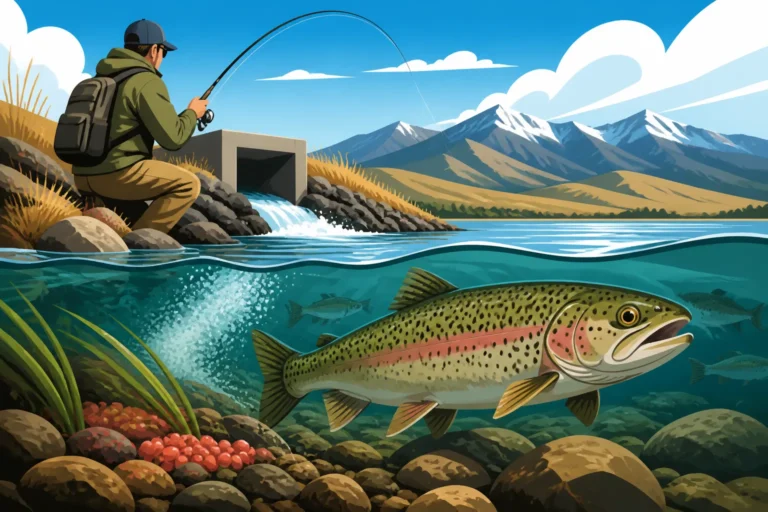
The "Dream Stream," officially known as the Charlie Meyers State Wildlife Area, is a roughly three-mile stretch of the South Platte River located between Spinney Mountain Reservoir and Eleven Mile Reservoir. Its designation as Gold Medal Water speaks volumes about its quality. What makes it so special? It's a tailwater, meaning the water flowing into it is released from the bottom of Spinney Mountain Reservoir, resulting in consistent cold temperatures year-round. This stable environment, combined with nutrient-rich flows, creates an ideal habitat for prolific insect life and, consequently, large, healthy trout.
Anglers are drawn to the Dream Stream for its abundance of rainbow, brown, cutthroat, and even some kokanee salmon, particularly during their spectacular fall spawning runs. The river here is wide and relatively shallow, with a mix of slow runs, riffles, and deep pools, making it excellent for sight fishing when conditions allow. However, its popularity also means it can get incredibly crowded, especially on weekends and during prime hatches. Don't be surprised to see dozens of other anglers, especially when the kokanee are running and the big trout follow. It's a truly spectacular place, but patience and a willingness to share the water are often required.
Cheesman Canyon: Rugged Beauty and Technical Fishing
Just downstream from Cheesman Reservoir, about an hour southwest of Denver, lies Cheesman Canyon. This section is a stark contrast to the open meadows of the Dream Stream. It's a true canyon, characterized by steep granite walls, massive boulders, deep pockets, and fast, turbulent currents. The hike into the canyon itself is a commitment, often taking 30 minutes to an hour or more depending on how far you venture, adding to its wild and remote feel. Like the Dream Stream, it's also designated Gold Medal Water and is known for its incredible population of wild brown and rainbow trout, many of them exceptionally large and incredibly wary.
Fishing Cheesman Canyon is a highly technical affair. The rugged terrain demands sure footing, and the complex currents require precise casting and advanced nymphing techniques. This is not a place for beginners looking for easy limits; it's a place for anglers seeking a challenge and the reward of outsmarting truly wild, educated trout in a stunning, often solitary, environment. The fish here are incredibly sensitive to pressure, meaning a stealthy approach and an understanding of how to read the complex water are paramount to success. It's a place that tests your skills and rewards your persistence with breathtaking scenery and unforgettable catches.
Other Notable South Platte Sections
While the Dream Stream and Cheesman Canyon often steal the spotlight, the South Platte River offers several other fantastic sections worth exploring, each with its own character and challenges. For example, the stretch around Deckers is another incredibly popular Gold Medal Water area, easily accessible from Denver and offering a mix of open runs and tighter sections. It sees heavy pressure but also boasts impressive numbers of large trout, especially during specific hatches.
Further downstream, below Deckers, the river continues to offer good fishing, though it generally sees less pressure than the canyon or the Dream Stream. These sections might not hold the same trophy potential in every bend, but they can be incredibly rewarding for anglers looking for solitude or a more relaxed fishing experience. These areas often feature a more diverse range of water types, from faster riffles to slower, deeper pools, providing opportunities for various techniques beyond just technical nymphing. Each section demands its own approach, but they all share the common thread of being part of a truly special river system.
Navigating Access and Regulations for Dream Stream and Cheesman Canyon
Before you even think about tying on a fly, understanding the access points and, crucially, the complex regulations for these highly sensitive Gold Medal Waters is absolutely essential. Colorado Parks and Wildlife (CPW) implements specific rules to protect these valuable fisheries, and ignorance is no excuse for a violation. Getting this right ensures a smooth and legal fishing trip.
Public Access Points and Parking
Accessing both the Dream Stream and Cheesman Canyon requires a bit of planning, especially regarding parking. For the Dream Stream, the primary access is off Highway 24, typically by turning south onto County Road 59 and following signs to the Charlie Meyers State Wildlife Area. There are designated parking areas that can fill up quickly on busy days, particularly during the kokanee spawning season in the fall. Early arrival is always recommended. From these parking areas, well-worn paths lead directly to the river. Be mindful of private property signs, as some sections adjacent to the SWA are privately owned.
For Cheesman Canyon, access is primarily via the Gill Trail, which starts from a parking lot below Cheesman Dam. Reaching this parking lot involves navigating some dirt roads, and a high-clearance vehicle is recommended, though not always strictly necessary depending on conditions. The hike down the Gill Trail into the canyon is strenuous, particularly on the way back out, gaining significant elevation. There are multiple access points along the trail where you can drop down to the river, but some require significant scrambling over large rocks. Always check current conditions and road closures, as winter weather can make access difficult or impossible.
Permits, Licenses, and Habitat Stamps
Every angler aged 16 and older needs a valid Colorado fishing license to fish any public waters in the state. This is non-negotiable. Whether you're a resident or a nonresident, you'll need to purchase one through Colorado Parks and Wildlife, either online at CPWShop.com, by phone, or at authorized vendors like sporting goods stores. You can learn more about specific requirements by checking out the guide on a Colorado Fishing License Guide for Residents and Nonresidents. It's always best to have your license, whether digital on your phone or a physical printout, readily available in case a wildlife officer asks to see it.
In addition to your fishing license, most anglers between the ages of 18 and 64 are required to purchase a Habitat Stamp. This stamp directly contributes to wildlife habitat conservation efforts across Colorado and is a vital part of funding the programs that keep our fisheries healthy. There are some exemptions, such as for seniors or veterans, but for most, it's a mandatory add-on to your license. You can find detailed information about Colorado's Habitat Stamp, Explained to ensure you're compliant. Failing to have both your license and habitat stamp can result in hefty fines, spoiling your entire trip.
Specific Gold Medal Water Regulations
Both the Dream Stream and Cheesman Canyon are designated as Gold Medal Waters, which means they have extremely strict regulations designed to protect their exceptional wild trout populations. These rules often differ significantly from general statewide regulations, so reading the official Colorado Fishing Regulations brochure is absolutely crucial before you go.
Here are some common, but not exhaustive, regulations you'll typically encounter in these Gold Medal sections:
- Artificial Flies and Lures Only: No bait fishing is allowed. This includes worms, PowerBait, or any organic bait. Only artificial flies or lures with a single, barbless hook are permitted. This rule is designed to minimize harm to fish, as bait fishing often leads to deeper hooking.
- Catch-and-Release Only (or limited harvest): Many Gold Medal stretches are strictly catch-and-release for trout. In areas where harvest is allowed, it's usually highly restricted, often to 1-2 trout, and sometimes with specific length restrictions (e.g., trout between 11 and 16 inches must be released). Always double-check the specific section you are fishing, as regulations can vary even within a few miles.
- Barbless Hooks: All hooks must be barbless. This rule is particularly important for catch-and-release, as it allows for quicker and less damaging removal of the hook, increasing the fish's survival rate. Pinching down the barb on your existing hooks with pliers is a simple way to comply. You can find more detail in our guide on Colorado's Gold Medal Water Regulations Explained.
| Regulation Type | Dream Stream (Charlie Meyers SWA) | Cheesman Canyon (Gill Trail) |
|---|---|---|
| Bait | Artificial Flies/Lures Only | Artificial Flies/Lures Only |
| Hooks | Single, Barbless Hooks Only | Single, Barbless Hooks Only |
| Trout Limit | Catch and Release Only (all trout) | Catch and Release Only (all trout) |
| Kokanee Salmon (seasonal) | Specific bag limits apply during spawning season. Check current regulations. | Not applicable (no Kokanee) |
Always consult the most recent Colorado Parks and Wildlife Fishing Regulations brochure before fishing any water to confirm current rules, as they can change annually.
Gear and Tackle Essentials for South Platte Anglers
Fishing the Dream Stream and Cheesman Canyon demands specific gear to maximize your chances of success and ensure your safety. These aren't places where any old rod and reel will do; the technical nature of the fishing and the conditions often dictate what you should bring. Investing in the right tools will make your experience far more enjoyable and productive.
Fly Rod and Reel Selection for Technical Water
For these technical Gold Medal Waters, a sensitive, accurate fly rod is your best friend. For the Dream Stream, a 9-foot, 5-weight fly rod is often considered the most versatile choice. It offers enough backbone to handle larger trout and cast into the wind, while still being sensitive enough for delicate presentations with small flies. Some anglers prefer a 4-weight for more finesse with dry flies or a 6-weight if they anticipate throwing heavier nymph rigs or larger streamers. Pair your rod with a reliable reel that has a smooth drag system, loaded with a weight-forward floating fly line.
In Cheesman Canyon, the tighter quarters and more technical nymphing often lead anglers to consider a slightly different setup. Many opt for a 9-foot or 10-foot, 4-weight or 5-weight rod. A longer rod (10-foot) can provide better line control for European nymphing techniques, allowing for longer drifts and easier mending in the complex currents. The 4-weight offers more sensitivity for detecting subtle takes. Again, a quality reel with a good drag is essential. Given the rugged terrain, bringing a spare spool with a different line type (like a sink-tip for streamers) isn't usually practical, so stick with a versatile floating line.
Essential Flies and Leaders for Matching the Hatch
Fly selection for the South Platte is critical, as the trout here can be incredibly selective. You'll want a diverse array of patterns in various sizes. For nymphing, which is often the most productive method, common patterns include:
- Midges: Zebra Midges, Top Secret Midges, Disco Midges (size #18-24)
- Mayflies: Pheasant Tail Nymphs, Hare's Ear Nymphs, Barr's Emergers, Baetis Nymphs (size #18-22)
- Caddis: Green Caddis Larva, Pupa (size #16-20)
- Stoneflies: Pat's Rubber Legs (especially during runoff or high water, size #8-14)
- Worms: San Juan Worms, Squirmy Wormies (size #14-18)
- Eggs: Various egg patterns (critical during kokanee and trout spawning seasons, size #14-18)
For dry fly fishing, focus on matching the prevalent hatches:
- Midges: Griffith's Gnats, Parachute Adams (size #18-24)
- Mayflies: Parachute Adams, BWO Comparaduns, Green Drakes (seasonal, size #12-22)
- Caddis: Elk Hair Caddis, X-Caddis (size #14-18)
- Terrestrials: Hoppers, Ants, Beetles (late summer/early fall, size #10-16)
And don't forget streamers for aggressive fish, especially brown trout:
- Woolly Buggers, Sculpzillas, Sex Dungeons (various colors like olive, black, brown, white; size #4-10)
Your leader setup is equally important. For delicate nymphing, a 9-foot to 12-foot tapered leader ending in 5x or 6x fluorocarbon tippet is standard. In Cheesman Canyon, you might even drop to 7x for extremely wary fish. For dry flies, a 9-foot 5x or 6x monofilament leader is usually sufficient. Remember to bring plenty of tippet spools in various sizes, split shot, and strike indicators. Our guide on Best Flies for Colorado's Gold Medal Trout Water provides even more detailed fly recommendations.
Wading Gear and Safety Considerations
Proper wading gear is paramount for comfort and safety on the South Platte. Neoprene or breathable chest waders are essential for staying warm and dry, as the water is consistently cold, even in summer. Layering appropriately underneath is key for all seasons. Paired with your waders, sturdy wading boots with felt soles or rubber soles with studs will provide the best traction on slippery rocks. The footing in both the Dream Stream and, particularly, Cheesman Canyon can be treacherous, with slick moss-covered rocks and uneven riverbeds. A wading staff is highly recommended, especially in Cheesman Canyon's swift currents and boulder fields, to help maintain balance and probe unknown depths.
Safety goes beyond just wading. Always let someone know where you're going and when you expect to return, especially if you're venturing deep into Cheesman Canyon where cell service is spotty or nonexistent. Carry plenty of water, snacks, sunscreen, and a first-aid kit. Weather in Colorado's high country can change rapidly, so rain gear and extra layers are wise additions to your pack, even on sunny days. Being prepared means you can focus on the fishing, not on unexpected emergencies.
Seasonal Strategies for Success on the Dream Stream
The Dream Stream fishes well year-round, but each season presents unique opportunities and challenges. Understanding these seasonal shifts in fish behavior and insect activity will dramatically improve your chances of success. Adapting your techniques, fly choices, and even your timing can make all the difference.
Spring: Pre-Runoff and Early Hatches
Spring on the Dream Stream, typically from March through May before the peak runoff, can be fantastic. As water temperatures slowly begin to rise, trout become more active after their winter lethargy. This is a prime time for Baetis (Blue-Winged Olives) hatches, especially on cloudy, warmer days. Anglers will see fish rising to these small mayflies, offering excellent dry fly opportunities. Nymphing with Baetis imitations (like Barr's Emergers, Split Case Baetis, or traditional Pheasant Tails) will also be highly effective. Streamers can also pick off aggressive, pre-spawn brown trout.
However, spring also brings the anticipation of runoff. While the Dream Stream, being a tailwater, is less affected by snowmelt than freestone rivers, releases from Spinney Mountain Reservoir can increase water flows and make wading more challenging. Keep an eye on the CPW website or local fly shop reports for current flow conditions. The water might still be quite cold, so fish often remain in deeper, slower runs and pools. Concentrating your efforts on these holding lies with well-presented nymph rigs can be very productive. As the days lengthen and warm, you might also see early caddis activity.
Summer: Trico and Terrestrial Action
Summer on the Dream Stream, from June through August, brings long, warm days and specific hatches that can lead to some incredible dry fly fishing, provided you arrive early. The most famous summer hatch here is the Trico spinner fall. These tiny mayflies emerge en masse in the early morning hours, typically from first light until mid-morning, creating a dense blanket of spent adults on the water's surface. Trout will gorge themselves on these minuscule offerings, often rising subtly and rhythmically. Matching this hatch requires tiny Trico spinner patterns (size #22-26) and delicate presentations with fine tippet. If you can master this challenging hatch, the rewards are immense.
As the day progresses and the Trico activity wanes, fish often switch their attention to other food sources. Terrestrial patterns like hoppers, ants, and beetles become very effective, especially on sunny, breezy days when these insects are blown into the water. Fishing these larger dry flies along grassy banks or in foamy seams can elicit explosive strikes. Nymphing remains a consistent producer throughout the summer, with midge, caddis, and small mayfly patterns still relevant. The crowds can be significant during summer, so weekdays or very early mornings are your best bet for more solitude.
Fall: Spawning Runs and Big Browns
Fall on the Dream Stream is arguably its most famous and visually stunning season, primarily due to the kokanee salmon spawning run and the huge trout that follow them. Starting typically in September and running through October and sometimes into November, thousands of vibrant red kokanee salmon migrate from Eleven Mile Reservoir into the Dream Stream to spawn. These kokanee, while not legal to target themselves in most areas during their spawn, draw in massive brown trout and rainbow trout that feed on their eggs. This is when you have the best chance of hooking a true trophy fish.
Fishing during the fall spawning run involves using egg patterns, worm patterns, and large attractor nymphs to mimic the abundant food sources. Streamer fishing can also be incredibly effective, as big browns become highly aggressive and territorial. However, the crowds during this time can be immense, with anglers lining the banks shoulder to shoulder. Ethical angling is paramount: avoid targeting spawning kokanee directly, and be respectful of other anglers. The cool, crisp air, changing leaves, and the chance at a fish of a lifetime make this a truly magical, albeit popular, time to be on the Dream Stream. Read more about Fall Fishing in Colorado, What Changes to prepare for this prime season.
Winter: Midge Fishing on Cold Tailwaters
Don't put your rods away just because it's cold! Winter fishing on the Dream Stream, from November through February, can be surprisingly productive and offers a serene, often solitary experience compared to the busier seasons. As water temperatures drop, insect activity slows down, but midges become the dominant food source. These tiny insects hatch and drift year-round, and trout in tailwaters like the Dream Stream key in on them.
Winter fishing is primarily a technical nymphing game with very small midge patterns (size #20-26) fished on fine tippet (6x or 7x). Slowly drifting these nymphs through deep, slow pools and runs is the key. You'll need a sensitive rod and keen eyes to detect the subtle takes. On warmer, calmer days, you might even see fish rising to midge adults, offering a unique dry fly challenge. The beauty of winter fishing is the tranquility; you'll often have long stretches of river all to yourself, enjoying the quiet solitude of a snow-covered landscape. Dress in layers, wear good insulated waders, and bring a warm drink to make the most of this peaceful season.
Mastering Cheesman Canyon's Challenges
Cheesman Canyon is not for the faint of heart, but for those willing to put in the effort, it offers some of the most rewarding and authentic wild trout fishing experiences in Colorado. Its rugged beauty and technical demands set it apart, making every fish landed feel like a hard-earned victory.
The Hike In and Out: What to Expect
The first and often most underestimated challenge of Cheesman Canyon is the access itself. The primary access is via the Gill Trail, which descends steeply from the parking lot near Cheesman Dam to the river. The trail is well-maintained but can be rocky and uneven. Depending on your fitness level and how far into the canyon you plan to hike, the descent can take anywhere from 30 minutes to over an hour. Remember, what goes down must come up – the hike out at the end of a long day can be quite strenuous, especially carrying wading gear and fishing equipment.
It's crucial to wear appropriate hiking shoes, even if you plan to change into wading boots at the river. Pack light but smartly, bringing only essentials. Cell service is generally non-existent once you're deep in the canyon, so don't rely on your phone for navigation or emergencies. The sheer beauty of the canyon walls, towering pines, and the crystal-clear river makes the hike a spectacular experience in itself, but being physically prepared is key to enjoying it safely. Plan your trip so you're not rushing the hike out, especially if daylight is fading.
Reading Water and Approaching Spooky Fish
Once you're down to the river in Cheesman Canyon, you'll immediately notice the incredibly clear water and the complex array of runs, pockets, and boulder-strewn pools. The trout here are truly wild and, having seen many anglers, are notoriously spooky. This means your approach to the water is just as important as your casting technique. Avoid heavy footsteps on the bank or casting shadows over likely holding lies.
Reading the water becomes an art form here. Look for subtle current seams where fast water meets slow, behind large boulders, or in the soft water directly upstream of an obstruction. These are prime holding lies where trout expend less energy while waiting for food to drift by. Because the water is so clear, you'll often be able to spot fish, which can be both a blessing and a curse. If you spot a fish, approach stealthily from downstream, staying low and out of its line of sight. Make your first cast count, as a poor presentation can send a wary trout darting for cover. Think like a predator, moving slowly and deliberately.
Essential Nymphing and Dry Fly Tactics
Given the nature of Cheesman Canyon, nymphing is often the most consistently productive technique. The swift, broken currents and deep pockets are perfect for drifting nymphs through the water column where trout feed. European Nymphing (Euro Nymphing) techniques, using longer, sensitive rods and specialized lines, are particularly effective here, allowing for precise depth control and exceptional strike detection. Standard indicator nymphing rigs with a couple of weighted flies (like a Pat's Rubber Legs followed by a smaller Baetis or midge pattern) can also be very successful. Vary your split shot and depth until you start hitting fish, remembering that trout often hold deeper in faster currents.
While nymphing excels, don't overlook dry fly opportunities, especially during hatches of midges, Baetis, or caddis. The canyon can also have good terrestrial fishing in late summer. For dry flies, precision is key. You'll often be casting into tight pockets or across conflicting currents, requiring excellent line control and quick mending to achieve a drag-free drift. If fish are rising, try to match the size and profile of the natural insects as closely as possible, using fine tippet (5x or 6x). A dry-dropper rig, where a larger dry fly acts as an indicator and floats a small nymph underneath, can also be a versatile tactic for prospecting different water columns simultaneously. For more on specific techniques, check out our deep dive into Nymphing Techniques for Colorado Tailwaters.
Beyond the Catch: Respecting the Resource and Enhancing Your Trip
Fishing these renowned Colorado waters is about more than just catching fish; it's about connecting with nature, embracing the challenge, and understanding your role in preserving these precious resources for future generations. Engaging in ethical practices and planning your trip thoughtfully can elevate your entire experience.
Ethical Angling and Catch-and-Release Practices
On Gold Medal Waters like the Dream Stream and Cheesman Canyon, ethical angling and meticulous catch-and-release practices are paramount. The health of these wild trout populations depends on anglers minimizing stress and injury to the fish they catch. Here are some key guidelines:
- Barbless Hooks: As mentioned in the regulations, always use barbless hooks. If your hooks have barbs, pinch them down with pliers. This makes hook removal quick and easy.
- Minimize Handling: Try to keep the fish in the water as much as possible. If you need to handle a fish for a quick photo, wet your hands thoroughly beforehand. Dry hands can remove the fish's protective slime layer, making it susceptible to disease.
- Support the Fish: When holding a fish, support its weight horizontally, especially larger fish. Avoid holding them vertically by the jaw or tail, which can cause internal organ damage.
- Quick Release: Release the fish as quickly as possible. If it's lethargic, hold it gently facing upstream in a current until it regains its strength and swims away on its own.
- Avoid Spawning Fish: During spawning seasons (fall for brown trout and kokanee, spring for rainbows), avoid targeting fish actively on redds (spawning beds). These fish are focused on reproduction, and disturbing them can harm future generations.
By adhering to these practices, you're not just following the rules; you're actively contributing to the long-term sustainability of these incredible fisheries, ensuring that future anglers can enjoy the same opportunities you do.
Hiring a Guide for an Enhanced Experience
For many anglers, especially those new to Colorado's technical waters or seeking to refine their skills, hiring a professional fishing guide can be an invaluable investment. A good guide offers much more than just putting you on fish; they provide local knowledge, teach advanced techniques, and navigate complex regulations. They know where the fish are holding, what flies they're eating, and how to approach them without spooking them. This can be especially helpful in challenging environments like Cheesman Canyon or during crowded times on the Dream Stream.
When looking for a guide, consider their experience on the specific waters you want to fish, their teaching style, and their commitment to ethical angling. Many excellent outfitters operate in the areas near the Dream Stream (e.g., in Fairplay or Lake George) and Cheesman Canyon (e.g., in Deckers or Pine). Websites like FishingBooker can be a great resource to find reputable guides, read reviews from other anglers, and compare services. A guided trip often includes flies, tackle, and sometimes even lunch, making it a hassle-free way to experience these waters. Even experienced anglers can benefit from a guide's insights, learning new tricks or discovering hidden spots. To understand more about the process, check out Hiring a Fishing Guide in Colorado, What to Expect.
Nearby Amenities and Accommodations
While both the Dream Stream and Cheesman Canyon offer a sense of wild escape, it's good to know what amenities are available nearby. For the Dream Stream, the closest towns are Fairplay and Lake George, offering basic services like gas, a few small restaurants, and lodging options. Eleven Mile State Park, adjacent to the Dream Stream, also offers camping facilities if you prefer to stay close to the water. Planning ahead, especially for food and drink, is always a good idea, as options are limited.
For Cheesman Canyon, the nearest services are in smaller communities like Deckers or the town of Pine, which have very limited offerings. Larger towns like Conifer or even Littleton (a bit of a drive) will have more extensive services, including grocery stores, restaurants, and a wider range of accommodations. Given the strenuous nature of fishing Cheesman, many anglers opt for a day trip from the Denver Metro area rather than staying overnight right next to the canyon. Camping is available in nearby national forests and state parks, but check ahead for reservations and seasonal closures. Always pack in and pack out everything you bring to help preserve the pristine nature of these areas.
Common Frustrations and Troubleshooting
Even with the best preparation, fishing the Dream Stream and Cheesman Canyon can present frustrations. These are world-class fisheries, but their popularity and technical demands mean that not every day is easy. Understanding common challenges and having strategies to overcome them can turn a potentially disappointing day into a successful one.
Dealing with Crowds on the Dream Stream
The Dream Stream's reputation for big trout and abundant hatches means it can get incredibly crowded, especially during peak seasons like the fall kokanee run or on summer weekends. Seeing dozens of cars in the parking lot and anglers spaced out every 50 yards can be disheartening for those seeking solitude.
One of the best ways to mitigate crowds is to fish during off-peak times. Weekdays are almost always less crowded than weekends. Early mornings, especially right at first light, or late evenings, just before dark, also tend to have fewer people on the water. Many anglers head out by mid-day, so sticking around later can sometimes provide more open water.
Another strategy is to hike further away from popular access points. While many anglers will fish the first few bends, walking an extra half-mile or more can often put you in less pressured water. Being patient and respectful of other anglers is also key. If you see someone already in a prime spot, move on to another. The river is long, and there's usually enough water for everyone if you're willing to explore. Sometimes, a guide found through platforms like FishingBooker can even help you find lesser-known spots or guide you to areas with fewer people, enhancing your experience significantly.
Overcoming Technical Difficulties in Cheesman Canyon
Cheesman Canyon is renowned for its challenging conditions, from the rugged terrain to the incredibly wary trout. Anglers often face frustrations with snagging flies, spooking fish, or simply not being able to present their flies effectively in the complex currents.
For snags and broken tippet: This is almost inevitable in Cheesman's boulder-strewn depths. Bring plenty of extra flies and tippet. Learn to tie strong knots quickly, especially the improved clinch knot for flies and a surgeon's knot for tippet sections. Focus on mending your line diligently to keep your flies drifting naturally and avoid dragging the bottom excessively. Sometimes, switching to a lighter split shot or a slightly shallower rig can reduce snags, though it might sacrifice depth.
For spooking fish: Remember the golden rule: stealth is paramount. Move slowly, stay low, and approach from downstream whenever possible. Avoid wading unnecessarily; if you can cast from the bank, do so. Use longer leaders and fine tippet (5x-7x fluorocarbon) to make your presentation as subtle as possible. The crystal-clear water demands a delicate touch. Practicing your casting accuracy before your trip can also help ensure your first cast is a good one, minimizing disturbance.
For difficult presentations: The conflicting currents in the canyon can make achieving a drag-free drift incredibly challenging. This is where advanced mending techniques come into play. Experiment with different cast angles, reach casts, and parachute casts to land your line in a way that allows your flies to drift naturally. Euro Nymphing, which minimizes fly line on the water, is often the most effective way to manage drifts in these complex conditions. Don't be afraid to change your position or re-evaluate your approach if your drifts aren't looking natural.
Weather-Related Challenges and Adaptations
Colorado's weather, especially in the mountains, is notoriously unpredictable. A beautiful sunny morning can quickly turn into a thunderous afternoon storm, or a calm day can become incredibly windy. These weather changes can significantly impact fishing conditions and angler comfort.
Wind: Strong winds can make casting very difficult, especially with light nymph rigs or small dry flies. When faced with wind, try to position yourself to cast with the wind at your back, or use a heavier fly line to help cut through the gusts. If dry fly fishing, sometimes switching to larger, heavier terrestrial patterns (like a big hopper) can help punch through the wind. Nymphing can often be more manageable in windy conditions than dry fly fishing.
Thunderstorms: Afternoon thunderstorms are common in the Colorado high country during summer. Always pay attention to the sky. If you hear thunder or see lightning, it's crucial to get off the water immediately and seek shelter, especially in an exposed area like the Dream Stream or near tall canyon walls in Cheesman. Lightning strikes are a real danger. It's often best to plan your fishing for early mornings during summer to avoid the typical afternoon storm cycles.
Temperature Swings: Extreme temperature changes, common in spring and fall, can affect fish activity. On very cold mornings, fish might be lethargic and hold deep; as the day warms, they become more active. Dress in layers to adapt to changing temperatures throughout the day. In winter, anchor your efforts during the warmest part of the day, typically late morning to early afternoon, when midges might be more active. Checking the weather forecast meticulously before you head out is non-negotiable for comfort and safety.
Disclaimer
Please remember that fishing regulations, access points, and conditions can change. Always consult the most current Colorado Parks and Wildlife (CPW) regulations brochure and check local conditions before planning your trip. This guide is for informational purposes only and does not constitute official legal advice regarding fishing regulations.