Fishing the Yampa River in Steamboat Springs
The Yampa River, winding its way through the picturesque town of Steamboat Springs, often leaves anglers wondering where to start, what they might catch, and how to navigate its unique character. It's not just another high-country stream; it’s a living, breathing river that changes with the seasons and offers a diverse angling experience right at your fingertips. This comprehensive guide will unravel the mysteries of fishing the Yampa, helping you plan a memorable trip whether you're a seasoned fly fisher or just looking to cast a line.
Understanding the Yampa River in Steamboat Springs
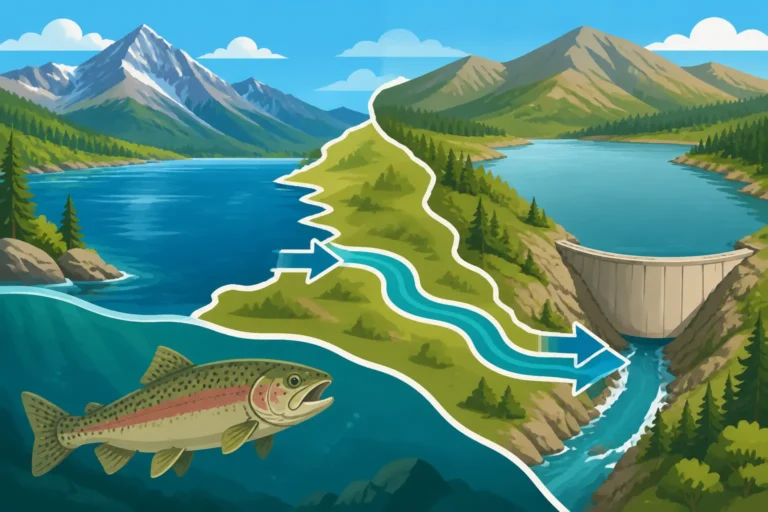
The Yampa River is one of Colorado's true gems, standing out as one of the last remaining major undammed rivers in the entire Colorado River system. This natural flow is what gives the Yampa its wild, dynamic character, creating an ever-changing environment for both fish and anglers. Unlike many of the state's popular tailwaters that offer consistent flows and temperatures, the Yampa is a freestone river, meaning its water levels and clarity are directly influenced by snowmelt, rainfall, and seasonal weather patterns. This means anglers need to be adaptable and ready to fish different conditions throughout the year.
A Unique Freestone River Ecosystem
What truly sets the Yampa apart is its freestone nature, which dictates everything from water temperature to insect hatches and fish behavior. In spring, as the snow melts in the high country, the river swells, becoming a powerful, often murky torrent. This can be challenging for fishing, but it's a vital time for the river's ecosystem, flushing out debris and recharging its banks. As summer progresses and flows recede, the river settles into a more predictable rhythm, revealing its diverse structure of riffles, runs, and deep pools.
The ecosystem supports a robust population of trout, including rainbow, brown, and brook trout, but it also hosts warmwater species like northern pike and smallmouth bass, particularly in its lower, warmer sections. This unique mix provides different angling opportunities depending on the stretch you choose to fish. The river's health is intrinsically linked to the surrounding agricultural lands and wildlife habitats, making conservation efforts paramount to maintaining its wild character.
The Urban Stretch and Its Accessibility
One of the most remarkable aspects of the Yampa River in Steamboat Springs is its incredible accessibility right within city limits. You don't have to venture deep into the wilderness to find excellent fishing. The "urban stretch" refers to the sections of the river that flow directly through town, often paralleling the popular Yampa River Core Trail. This means you can be casting a line just steps from restaurants, shops, and lodging, a convenience rarely found with quality trout water.
Access points are plentiful, with numerous parks like Steamboat Springs City Park, Little Toots Park, and Fetcher Park offering easy entry to the river. Many of these areas are designed for multi-use, so you’ll share the river banks with walkers, cyclists, and tubers during the warmer months. This urban environment doesn't detract from the fishing, however; the river here is actively managed and often stocked by Colorado Parks and Wildlife, especially for the popular Steamboat Lake stocking program, ensuring a healthy fish population for anglers of all skill levels. It's a fantastic option for families or those who want to combine a fishing trip with other Steamboat Springs attractions.
Water Conditions and Seasonal Changes
As a freestone river, the Yampa's fishing conditions are heavily dependent on the seasons, and understanding these fluctuations is key to a successful outing.
- Spring (April-May): This is when snowmelt begins, leading to what locals refer to as "runoff." The river swells, becomes swift, and can be quite murky. Fishing can be tough during peak runoff, but experienced anglers might find success targeting fish holding close to the banks or in slower eddies with large, dark flies or heavy lures. Check out our guide on When Colorado's Spring Runoff Hits and How to Fish Around It for more in-depth strategies.
- Early Summer (June): As runoff begins to subside, the Yampa gradually clears and drops. This period can be phenomenal, especially as the first major insect hatches, like caddis and stoneflies, begin. The fish are hungry after high water, and dry fly fishing can be exceptional.
- Mid-Summer (July-August): Water levels are typically lower and clearer. Temperatures can rise, especially in the urban sections, which might make trout less active during the heat of the day. Early mornings and late evenings often offer the best fishing. This is a great time for terrestrial patterns like grasshoppers and ants.
- Fall (September-November): Many consider fall to be the prime fishing season on the Yampa. Water temperatures cool, fish become more active, and brown trout begin their pre-spawn feeding frenzy. The crowds also thin out, and the autumn colors provide a stunning backdrop.
- Winter (December-March): While much of the river can freeze over, particularly in the quieter, slower sections, tailwaters and sections with faster flow might remain open. Ice fishing on nearby reservoirs like Stagecoach Reservoir is popular, but direct river fishing in town can be limited and requires careful scouting for open water. We'll delve deeper into whether Does the Yampa River Freeze Over in Winter? later on.
Monitoring river flows and clarity through local fly shops or online resources like the USGS streamflow gauges is highly recommended before any trip.
Key Fishing Spots Along the Yampa in Steamboat
The Yampa River provides a fantastic array of fishing experiences right within the Steamboat Springs area, each stretch offering something a little different. From easily accessible urban parks to more secluded spots, there's a piece of water for every angler's preference.
Fishing Yampa River in Steamboat Springs City Park
The section of the Yampa River that flows through Steamboat Springs City Park is arguably the most popular and accessible stretch of water within town. This park, located right off US Highway 40, offers ample parking, public restrooms, and easy access to the river's banks. The river here flows at a moderate pace, with a mix of riffles, runs, and some deeper pools, making it ideal for both fly and spin fishing.
You'll find a healthy population of rainbow and brown trout, often supplemented by Colorado Parks and Wildlife stocking efforts. This area is fantastic for beginners, families, or anyone looking for a quick fishing session without a long hike. While it's an urban park, the river itself feels wild enough to offer a genuine angling experience. It's common to see anglers wading carefully or casting from the grassy banks. Remember, this area can get busy, especially during summer weekends with tubers and swimmers, so early mornings are often best for a peaceful experience and active fish.
Downstream to Fetcher Park
Moving downstream from the city park area, the Yampa River continues to offer excellent access through Fetcher Park and beyond. Fetcher Park, a little further west, provides another great access point with a boat launch, which can be useful for those with small rafts or drift boats, though check regulations for floating. This stretch tends to have a slightly more braided feel in places, with some slower, deeper sections that can hold larger fish.
As you head downstream of town, the river transitions from a purely trout-dominated fishery to one that also holds more warmwater species. The waters here can warm up more in the summer, making it a good place to target smallmouth bass or even northern pike. These species are voracious and offer a different kind of fight than trout. This section also sees a bit less foot traffic than the heart of City Park, offering a slightly more solitary experience without straying too far from amenities. Look for structure like submerged logs, undercut banks, and current seams where fish will ambush prey.
Upstream Towards the Headwaters
While the urban stretches are convenient, venturing upstream from Steamboat Springs proper offers a different, often more wild, angling adventure. As you head east along the Yampa River, closer to its headwaters, the character of the river changes dramatically. The valley narrows, the gradient increases, and the river becomes more of a classic freestone mountain stream.
This upstream section is characterized by colder water, rockier bottoms, and a more pronounced presence of native cutthroat trout, alongside wild browns and rainbows. Access points might be less developed, often requiring short hikes from various pull-offs along county roads or Forest Service lands. The fishing here can be more technical, requiring precise casts and a good understanding of stream dynamics. It's a fantastic escape for those seeking solitude and a more natural setting. This is where you'll find the Yampa's truest wild trout experience, with fish that are often more wary but incredibly rewarding to catch. While less frequently stocked, the wild populations here are robust, making it a truly special place to fish.
Target Species and Best Times to Fish
The Yampa River through Steamboat Springs offers a fascinating mix of fish species, ranging from coldwater trout to warmwater predators, providing diverse angling opportunities throughout the year. Understanding what you're likely to encounter and when each species is most active is crucial for planning a successful trip.
What You'll Catch: Trout, Pike, and Smallmouth
The most sought-after species in the Yampa are undoubtedly its trout.
- Rainbow Trout: These vibrant fish are prevalent throughout the urban and upstream sections, often stocked by Colorado Parks and Wildlife. They are eager biters and put up a strong fight, making them a favorite for many anglers.
- Brown Trout: Known for their beautiful golden hues and aggressive nature, brown trout are wild and abundant in the Yampa. They tend to be more wary than rainbows but can grow to impressive sizes, especially in the deeper pools and undercut banks.
- Brook Trout: While less common in the main urban river, brook trout can be found in the smaller tributaries and higher, colder sections of the Yampa, particularly further upstream towards the headwaters. They are smaller but stunningly colored.
- Northern Pike: Downstream from the urban core, particularly in the slower, warmer sections, northern pike become a significant presence. These toothy predators offer an exhilarating challenge with their explosive strikes and powerful runs. Colorado generally encourages the harvest of pike in many waters to protect native species, so check the latest Colorado Fishing Regulations Every Angler Should Know for specific rules.
- Smallmouth Bass: Also found in the warmer, slower moving stretches downstream of town, smallmouth bass are incredibly fun to catch. They are known for their hard fights and acrobatic jumps, making them a popular target for spin fishers.
This unique combination of species means you can tailor your fishing experience on the Yampa. If you're focused on trout, stick to the cooler, faster sections within and immediately upstream of town. If you're looking for a different challenge, head downstream for pike and bass.
Prime Seasons for Each Species
The best time to target each species on the Yampa largely aligns with the river's seasonal flow and temperature changes.
-
Trout (Rainbow, Brown, Brook):
- Spring (Post-Runoff): Once the high water of runoff subsides, usually mid-to-late June, trout fishing can be phenomenal. Fish are hungry and actively feeding on emerging insects.
- Summer: Early mornings and late evenings are prime during the warmer months, especially for dry fly fishing. Water temperatures can be a concern for trout health in the hottest parts of the day.
- Fall (September-November): This is arguably the best time for trout, especially brown trout. Cooling water temperatures trigger strong feeding behaviors, and brown trout become very aggressive as they prepare for their spawn. Our article on Fall Fishing in Colorado, What Changes details these seasonal shifts.
- Winter: Limited open water fishing, but where available, trout can be targeted with small nymphs and midges.
-
Northern Pike & Smallmouth Bass:
- Late Spring/Early Summer: As water temperatures begin to rise but before they get too hot, pike and bass become very active.
- Summer: These warmwater species thrive in the summer heat. Look for them in areas with cover and slower currents. Topwater action can be exciting during early morning and late evening.
- Fall: They remain active well into the fall, especially during warmer spells, as they feed heavily before winter.
Knowing the typical Colorado Fishing Season Dates and Bag Limits will also help you plan, though the Yampa generally remains open year-round for many species.
Does the Yampa River Freeze Over in Winter?
This is a common question, and the answer is: it depends on the specific section of the river and the severity of the winter. In general, yes, much of the Yampa River in and around Steamboat Springs will freeze over during the coldest parts of winter.
- Slower Sections: Areas with slow currents, wide pools, and minimal gradient, especially those downstream from the main urban flow, are highly susceptible to freezing solid. These sections often develop a thick layer of ice, making them unfishable until spring thaw.
- Faster, Riffled Sections: Stretches with more consistent current, riffles, and runs, particularly in the upper river and parts of the urban core, may remain open, or only partially freeze over. These "open water" sections can offer surprisingly good winter fishing for trout, as fish often congregate in these oxygenated areas.
- Below Warmer Inflows: Sometimes, warmer inflows from springs or urban discharges can keep short sections of the river ice-free for longer. Local knowledge from fly shops is invaluable for finding these spots.
While widespread river fishing can be challenging or impossible due to ice, many anglers pivot to ice fishing on nearby reservoirs such as Stagecoach Reservoir or Elkhead Reservoir during the winter months, offering alternative angling opportunities when the river is locked up. Always prioritize safety and check ice conditions if attempting any late-season or early-season ice fishing.
Essential Techniques and Gear for the Yampa
Successfully fishing the Yampa River, given its diverse fish populations and varied sections, often comes down to choosing the right techniques and having the appropriate gear. Whether you're a fly fishing purist or prefer the simplicity of spin fishing, the Yampa has opportunities for you.
Fly Fishing Strategies for the Yampa
Fly fishing is incredibly popular on the Yampa, particularly for trout. The freestone nature of the river means that fly selection can vary greatly by season and water conditions, but some core strategies generally hold true.
- Nymphing: This is often the most consistent method for catching trout on the Yampa, especially during cooler water temperatures, high flows, or when fish are not actively rising. A two-nymph rig with an indicator is standard. Try patterns like Prince Nymphs, Hare's Ears, Pheasant Tails, and various midge patterns (especially in winter). Sizes #14-20 are typically effective. Varying your weight with split shot and adjusting your indicator depth will be crucial to getting your flies into the feeding zone. For deeper, faster runs, a Euro nymphing approach can also be highly effective.
- Dry Fly Fishing: When the hatches are on, there's nothing quite like it. Caddis hatches are prolific from late spring through summer, and patterns like Elk Hair Caddis or Goddard Caddis in sizes #12-16 are often deadly. Stoneflies can also be a major food source, especially in early summer, so having some large Stimulators or Chubby Chernobyls is a good idea. In late summer and fall, terrestrial patterns such as grasshoppers, ants, and beetles can entice aggressive strikes. Keep an eye out for blue-winged olives in the spring and fall, and midges throughout the year. Our guide on Best Flies for Colorado's Gold Medal Trout Water provides a solid foundation for fly selection, much of which applies to the Yampa.
- Streamer Fishing: For targeting larger brown trout or even northern pike in the lower reaches, streamer fishing can be very productive. Patterns like Woolly Buggers (black, olive, brown), Sculpzillas, or articulated streamers fished on a sink-tip line can provoke aggressive takes. Focus on stripping these flies through deeper pools, undercut banks, and around structure.
A 9-foot, 5-weight fly rod is a versatile choice for most trout fishing on the Yampa, allowing for good casts with various rigs. If targeting larger pike, a heavier 7 or 8-weight setup would be more appropriate.
Spin Fishing Success on the Yampa
Spin fishing is a highly effective and often overlooked method on the Yampa, particularly for those targeting a broader range of species or beginners.
- Lures for Trout: Small spinners (e.g., Mepps, Panther Martin, Rooster Tail) in sizes #0-2 with silver, gold, or brass blades are very effective for rainbow and brown trout. Cast upstream and retrieve at a speed that allows the blade to just spin, mimicking a fleeing baitfish or insect. Small spoons and inline jigs can also work well.
- Lures for Pike and Smallmouth Bass: For the toothier predators, you'll want to size up your lures. Spinnerbaits, crankbaits, and swimbaits are excellent choices for pike and bass. Chartreuse, white, and firetiger patterns are often productive. Jerkbaits and topwater poppers can also provide exciting action. A medium-heavy rod with 10-20 lb test line is recommended for these hard-fighting fish, and a steel leader is essential when targeting pike to prevent bite-offs.
- Bait Fishing: Bait fishing is permitted in many sections of the Yampa, but always check local regulations as there can be specific restrictions, especially in designated "artificial flies and lures only" areas or certain sections for specific species. Worms (nightcrawlers), powerbait, or salmon eggs can be very effective for stocked rainbow trout. Use a small hook and minimal weight to allow the bait to drift naturally. Remember to consult Colorado Bait Restrictions and Where They Apply to ensure compliance.
A light-to-medium action spinning rod (6-7 feet) with 4-8 lb test monofilament or fluorocarbon line is suitable for trout. For pike and bass, a medium-heavy rod with 10-20 lb braid and a fluorocarbon leader (or steel leader for pike) will provide the necessary power and abrasion resistance.
Recommended Gear and Tackle
Beyond your rod and reel, a few essential items will make your Yampa River fishing trip more comfortable and successful:
- Waders and Wading Boots: Even if you plan to bank fish, good waders (chest waders are often best) and sturdy wading boots with felt or rubber soles are invaluable for accessing prime spots and staying warm. The Yampa's bottom can be rocky and slippery, so good traction is critical.
- Net: A rubber-mesh landing net is highly recommended, especially if you plan to practice catch-and-release. It minimizes harm to the fish and helps you secure your catch quickly.
- Pliers/Forceps: Essential for safely removing hooks, particularly with toothy pike or deeply hooked trout.
- Sun Protection: Colorado's sun is intense. Sunglasses (polarized are a must for spotting fish and structure), a wide-brimmed hat, and sunscreen are crucial.
- Rain Gear: Mountain weather can change quickly, so a lightweight, packable rain jacket is always a good idea.
- First-Aid Kit: For minor cuts, scrapes, or other unforeseen incidents.
- Water and Snacks: Stay hydrated and energized, especially during longer outings.
Finally, always carry your valid Colorado Fishing License Guide for Residents and Nonresidents and a copy of the current regulations.
Navigating Regulations and Conservation
Fishing on the Yampa River, like anywhere in Colorado, requires adherence to specific regulations designed to protect fish populations and ensure sustainable angling for everyone. Understanding these rules is not just about avoiding fines; it's about being a responsible steward of this precious natural resource.
Colorado Fishing License Requirements
Before you even think about casting a line, you need a valid Colorado fishing license. This is a non-negotiable requirement for anyone aged 16 or older. There are various license options available, catering to both residents and nonresidents, as well as different durations to suit your trip.
- Annual Licenses: These are valid from March 1st to March 31st of the following year. They offer the best value if you plan to fish multiple times within a year.
- One-Day or Five-Day Licenses: Perfect for visitors or those planning a shorter trip. You can find out Colorado Fishing License Cost for a One-Week Vacation and other options to fit your needs.
- Habitat Stamp: Most anglers between the ages of 18 and 64 are also required to purchase a Habitat Stamp in addition to their fishing license. This stamp supports vital wildlife habitat conservation efforts across the state.
Licenses can be easily purchased online through the Colorado Parks and Wildlife (CPW) website (CPWShop.com), over the phone, or in person at most sporting goods stores (like Murdoch's Ranch & Home Supply or Walmart in Steamboat Springs) and CPW offices. Always carry proof of your license while fishing, either a physical copy or a digital version on your phone.
Specific Yampa River Regulations
While statewide regulations provide a baseline, specific sections of the Yampa River within the Steamboat Springs area may have unique rules, often referred to as "special regulations." These are designed to manage fish populations more precisely in certain areas. It's imperative to consult the current Colorado Fishing Regulations brochure – a task made easier with our guide on How to Read Colorado's Fishing Regulations Brochure – or check the CPW website for the most up-to-date information.
Common special regulations you might encounter on the Yampa include:
- Artificial Flies and Lures Only: Some sections may restrict fishing to only artificial flies and lures, prohibiting the use of bait. This is often implemented to reduce mortality rates for wild trout.
- Barbless Hooks: Certain stretches, particularly those managed for wild trout, might require the use of barbless hooks to minimize harm to fish during catch-and-release. Our article on Barbless Hook Rules on Colorado Rivers dives into why these are important.
- Bag and Possession Limits: While statewide bag limits exist, some Yampa River sections might have reduced or increased limits for specific species, or even "catch-and-release only" designations for certain trout species. For example, rules might differ for trout versus northern pike. Always verify the limits for the specific stretch you are fishing. You can find general information on Colorado's Daily Bag Limits by Species.
- Northern Pike and Smallmouth Bass: In many Colorado waters, including potentially parts of the Yampa, northern pike and smallmouth bass are considered non-native and their harvest is encouraged or even mandatory to protect native fish populations. Always check the current regulations for any specific instructions regarding these species. Learn more in our Northern Pike Fishing in Colorado guide.
These special regulations are often clearly marked on signage near access points, but it's ultimately the angler's responsibility to know and follow them. Ignorance of the rules is not an excuse.
Practicing Responsible Angling
Conservation and responsible angling are at the heart of enjoying the Yampa River for generations to come.
- Catch and Release: When releasing fish, especially trout, handle them gently with wet hands. Minimize their time out of the water, and support them in the current until they swim away strongly. Avoid dragging them on rocks or dry ground.
- Leave No Trace: Pack out everything you pack in. This includes fishing line, bait containers, and any other trash. The Yampa River Core Trail is beautiful, let's keep it that way.
- Respect Private Property: Much of the land along the Yampa is privately owned. Always be aware of property boundaries and only access the river through designated public access points.
- Be Mindful of Other Users: The Yampa River in Steamboat Springs is a multi-use area. Be courteous to other anglers, tubers, kayakers, and wildlife watchers. Share the resource responsibly.
- Protect Riparian Habitat: Avoid trampling vegetation along the riverbanks, as this crucial habitat helps prevent erosion and provides shelter for fish and other wildlife.
By being informed and practicing responsible angling, you contribute to the health and vitality of the Yampa River's ecosystem, ensuring it remains a fantastic fishing destination.
Planning Your Trip: Logistics and Local Resources
A successful fishing trip to the Yampa River in Steamboat Springs isn't just about what's biting; it's also about leveraging local knowledge and resources to make your experience as smooth and enjoyable as possible. Steamboat offers a robust infrastructure for outdoor enthusiasts, and anglers can certainly benefit.
Local Fly Shops and Outfitters
One of the absolute best resources for fishing the Yampa is the knowledgeable staff at local fly shops. These establishments are more than just places to buy gear; they are hubs of up-to-the-minute information on river conditions, recent hatches, and effective flies or lures. Many shops offer guide services, lessons, and rent equipment, making them invaluable, especially if you're new to the area or just getting started.
- Steamboat Flyfisher: Located right in downtown Steamboat Springs, Steamboat Flyfisher is a prime example. They offer a full range of fly fishing gear, an extensive fly selection tailored to local waters, and daily reports on the Yampa's flows and hatches. Their guides are experienced on the Yampa and can provide invaluable insights or a full-day guided trip.
- Straightline Sports: Another excellent local option, Straightline Sports also carries a wide array of fishing tackle, outdoor apparel, and has a team of experts ready to offer advice. They often carry both fly fishing and spin fishing gear, catering to a broader audience.
These shops can tell you exactly what bugs are hatching, what the water temperature is, and which specific sections of the river are fishing best on any given day. They can also advise on specific regulations that might be in effect or any closures due to low water or high temperatures (often implemented to protect trout during stressful conditions). Getting their insights saves a lot of guesswork and helps you "match the hatch" or pick the right lure for the conditions.
Hiring a Fishing Guide for the Yampa
For those looking to maximize their time on the water, learn new techniques, or simply enjoy a stress-free day of fishing, hiring a local fishing guide is an excellent option. A professional guide brings years of experience on the Yampa River, understanding its nuances, fish behavior, and optimal presentation methods. They can teach you everything from casting techniques to reading the water, and they often have access to private water or less-frequented public stretches. Our guide on Hiring a Fishing Guide in Colorado, What to Expect offers a detailed overview of this option.
Most local fly shops, like Steamboat Flyfisher and Straightline Sports, operate their own guide services. You can book directly with them. Alternatively, online platforms like FishingBooker can help you find and compare various independent guides and outfitters operating in the Steamboat Springs area, allowing you to read reviews and check availability easily. Whether you're interested in a walk-wade trip to explore the technicalities of a specific section or a float trip that covers more water, a guide can customize the experience to your skill level and preferences. They typically provide all the necessary gear, flies, and tackle, and often lunch, leaving you free to focus on the fishing. This is particularly beneficial for beginners or those targeting specific species like trophy brown trout or the elusive northern pike.
Lodging and Dining Options in Steamboat
Steamboat Springs is a world-class resort town, so finding comfortable lodging and delicious dining options is never an issue. This makes it an ideal destination for a fishing trip that can easily be combined with other vacation activities.
- Lodging: Options range from luxurious resort hotels like the Steamboat Grand to cozy vacation rentals, charming bed-and-breakfasts, and budget-friendly motels. Many accommodations are located near the Yampa River Core Trail, putting you within walking distance or a short drive of prime fishing spots. If you're looking for a more rustic experience, there are also campgrounds available in the surrounding Routt National Forest.
- Dining: Steamboat's culinary scene is vibrant, offering everything from fine dining to casual cafes and classic Western pubs. After a long day on the river, you can enjoy a gourmet meal, grab a quick bite, or savor a craft beer at one of the local breweries. Many restaurants are located in the charming downtown area, just a stone's throw from the Yampa River.
The accessibility of amenities means you can enjoy excellent fishing during the day and return to comfort and convenience in the evening. This balance is one of the many reasons why the Yampa River in Steamboat Springs is such a beloved destination for anglers.
Disclaimer
The information provided in this guide is for general informational purposes only and is subject to change. Fishing regulations, season dates, and access points can vary. Always consult the most current Colorado Parks and Wildlife regulations and local signage before fishing. Safety should always be your top priority on the water.