Fishing Chatfield Reservoir
There's nothing quite like the feeling of wanting to spend a day on the water, only to be overwhelmed by questions about where to go, what you can catch, and what rules you need to follow. Navigating the possibilities for a productive and enjoyable fishing trip in a busy area like the Denver Metro can be a bit daunting. This guide is designed to cut through that confusion, giving you all the insider details on fishing Chatfield Reservoir, from its diverse fish populations to the best spots, seasons, and techniques to help you reel in a great day.
Getting to Know Chatfield Reservoir
Chatfield Reservoir, nestled just southwest of Denver at the confluence of the South Platte River and Plum Creek, is more than just a body of water; it's a vibrant ecosystem and a true recreational hub. For many Front Range anglers, it’s one of the most accessible and productive fisheries around, offering a fantastic escape without a long drive into the mountains. However, its popularity means understanding its unique characteristics is key to a successful outing.
Location and Unique Characteristics
Chatfield State Park, where the reservoir resides, is a massive natural playground. The reservoir itself spans about 1,400 surface acres at full capacity, with an average depth around 47 feet and maximum depths reaching over 100 feet. This depth variation, coupled with its large size, creates diverse habitats for a wide array of fish species. You've got everything from shallow, weedy coves that warm up quickly in the spring, to deep, cold main lake basins that hold species like lake trout and salmon through the summer. The reservoir also plays a critical role in flood control for the Denver area, which means water levels can fluctuate, particularly during high runoff years or periods of drought. Always check current conditions before heading out, as access points might change.
The surrounding landscape is a mix of plains and foothills, making for scenic views, especially during sunrise and sunset. While it’s close to urban areas, once you’re out on the water, you can often feel miles away from the hustle and bustle. The park offers extensive amenities, including multiple boat ramps, campgrounds, and miles of shoreline access, making it incredibly user-friendly for both seasoned anglers and families just starting out. It's a true gem for those looking to experience Colorado fishing without venturing too far from the city lights.
History and Ecological Significance
Chatfield Reservoir was built in the early 1970s primarily for flood control following the devastating 1965 South Platte River flood. Over the decades, it evolved into a premier recreational area, managed by Colorado Parks and Wildlife (CPW) and the U.S. Army Corps of Engineers. Its purpose as a flood control reservoir means its operation can sometimes impact fishing conditions, particularly during extreme weather events. Despite this, its carefully managed waters and diverse habitat have made it a haven for fish and wildlife.
Ecologically, Chatfield is a fantastic example of a warmwater and coolwater fishery thriving in a semi-arid environment. It's fed by the South Platte River, which brings in nutrients and creates a dynamic environment. The reservoir supports a complex food web, from various aquatic insects and small baitfish to larger predator species. This robust ecosystem is why CPW invests heavily in stocking programs here, ensuring a healthy and varied fishery for anglers. It's not just about catching fish; it's about appreciating the balance of nature in a heavily utilized public space.
A Deep Dive into Chatfield's Fish Species
One of the greatest appeals of fishing Chatfield Reservoir is the sheer diversity of species you can target. Unlike some high-mountain lakes that might only hold trout, Chatfield offers a genuine smorgasbord, appealing to anglers with varied preferences and techniques. Knowing what to expect will dramatically improve your chances of a successful day.
Trout and Salmon Varieties
For many Colorado anglers, trout are the bread and butter, and Chatfield doesn't disappoint. While it's not a classic trout stream, the reservoir is regularly stocked with Rainbow Trout by CPW, providing excellent opportunities, especially in the cooler months. These stocked rainbows are often eager biters, making them a great target for beginners and families. You'll find them cruising shallower waters in spring and fall, and deeper as summer heat sets in.
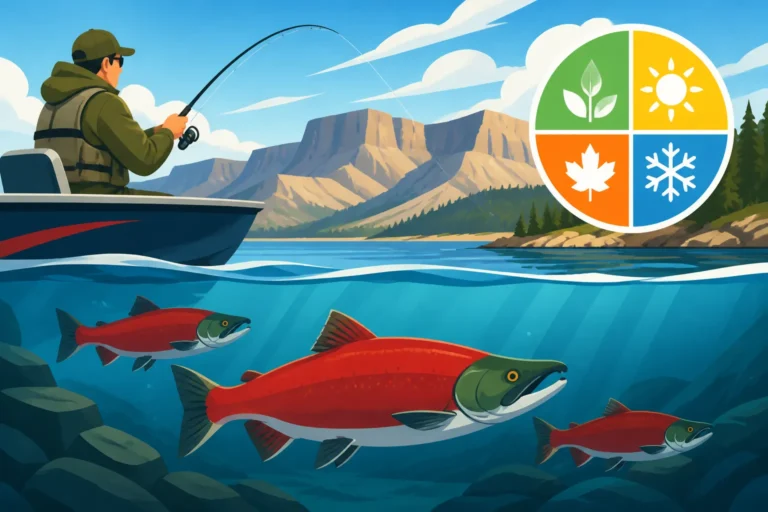
Beyond rainbows, Chatfield also hosts Brown Trout, which can grow to impressive sizes, offering a more challenging fight. While some browns might be stocked, many are wild or naturalized, seeking out rocky structures and cooler depths. They're particularly active in the fall, often gorging themselves before their spawning season. And let's not forget Kokanee Salmon, a landlocked sockeye salmon that provides a thrilling and unique fishery. These silvery beauties are challenging to catch and are often targeted by specialized trolling techniques. The Kokanee here can be quite large, and their distinctive red flesh makes them a prized catch for the dinner table. If you're wondering Colorado's Trout Species, A Field Guide is a great resource to learn more about identifying your catch.
Walleye and Bass Opportunities
Moving into the coolwater species, Chatfield Reservoir is renowned for its Walleye population. These elusive, delectable fish are highly sought after by anglers willing to put in the time. Walleye prefer rocky bottoms and points, and they are masters of ambush, often biting subtly. Targeting them successfully often requires specialized lures and a keen understanding of their feeding habits, especially around dawn and dusk. Night fishing for walleye can also be incredibly productive here.
The reservoir also offers decent Smallmouth Bass and Largemouth Bass fishing. Smallmouths thrive in the rocky shorelines and clear water, providing a spirited fight on light tackle. Largemouths, on the other hand, prefer the weedy coves and submerged structure, ambushing prey from cover. For those specifically interested in a unique hybrid, you can find Fishing for Wiper at Chatfield Reservoir, which are a fantastic fighting fish and another exciting species to add to your target list. The presence of both bass species, alongside walleye, truly cements Chatfield's reputation as a diverse multi-species lake.
Catfish and Panfish Abundance
If you're looking for consistent action and a different kind of fight, Chatfield's warmwater species are abundant. Channel Catfish are prolific, often found in the shallower, warmer areas of the reservoir, especially at night. They're powerful fighters and can be caught using a variety of baits, from stink baits to cut bait and worms. They make for excellent table fare and are a favorite among bank anglers.
For younger anglers or those simply looking for a relaxed day of steady bites, the Panfish population — including Yellow Perch, Bluegill, and Crappie — is robust. These smaller species are excellent for introducing kids to fishing, as they are often found in large schools and readily take small baits and lures. They're also delicious when pan-fried, offering a tasty reward for a fun day on the water. Knowing What Chatfield Reservoir Holds Besides Trout really highlights the diverse opportunities available here.
Mastering Fishing Techniques at Chatfield
With such a diverse array of fish species in Chatfield, it stands to reason that a variety of techniques will be effective depending on your target. Whether you prefer to cast from shore, navigate the depths by boat, or brave the cold for hardwater action, Chatfield offers avenues for every angler.
Effective Shore Fishing Strategies
Shore fishing at Chatfield is incredibly popular due to the extensive and accessible shoreline provided by Chatfield State Park. Many areas, particularly near the park's picnic spots and along the main dam, offer easy access for casting. For trout, PowerBait, worms, and small Kastmasters or spinners are highly effective. A simple slip-sinker rig with a worm or PowerBait, cast out and allowed to sit on the bottom, often yields results. In the spring and fall, these areas can be particularly productive as trout cruise closer to shore.
When targeting catfish, fishing after dark often improves your chances. Live or cut bait, like shrimp, chicken livers, or nightcrawlers, fished on the bottom with a heavier sinker, is the go-to. Look for areas with a bit of a drop-off or near submerged structures if possible. For panfish, small jigs tipped with a piece of worm, or even a tiny piece of corn, under a bobber in shallower, calmer coves will keep the action steady. Don't be afraid to move around if a spot isn't producing; Chatfield's vast shoreline offers many different pockets and contours to explore. A good pair of polarized sunglasses will help you spot subtle changes in structure from the bank.
Boat Fishing for Deeper Waters
Boat fishing opens up a whole new dimension at Chatfield, allowing you to access deeper water, vast open expanses, and remote points that are unreachable from shore. There are excellent Boat Ramps at Chatfield Reservoir, making it easy to launch everything from a small jon boat to a large bass boat or pontoon. For walleye and lake trout, trolling with crankbaits or spoons at various depths is a common and often successful method. Using a fish finder to locate schools of baitfish and target depths where fish are holding is invaluable. Often, walleye will hug tight to the bottom, especially near rocky humps and ledges.
When targeting Kokanee Salmon, downriggers are almost essential to get your lures (typically dodgers and squids or small spoons) down to their preferred depths, often 30-60 feet or even deeper, depending on the season and water temperature. For bass, covering water with spinnerbaits, crankbaits, or soft plastics around submerged timber, weed lines, and rocky points can be highly effective. Vertical jigging spoons or blade baits can also be deadly for both walleye and lake trout once you've located them. Remember to review Colorado's Second-Rod Stamp and Who Needs One if you plan on using multiple lines from your boat.
Ice Fishing Opportunities in Winter
When winter settles over the Front Range and the ice thickens sufficiently, Chatfield transforms into a popular hardwater destination. Colorado Ice Fishing Rules are specific, so always check thickness and park regulations before venturing out. Once safe, ice fishing can be incredibly productive for a variety of species. Trout are often caught on small jigs tipped with mealworms, wax worms, or PowerBait, suspended just off the bottom or midway through the water column. Drilling a series of holes and actively moving between them can help you locate schools.
Walleye can also be targeted through the ice, often requiring a bit more patience and specialized techniques. Jigging spoons, blade baits, or even dead sticks with a shiner minnow are popular choices. Look for them around underwater structure like humps or points. Perch are another ice fishing favorite, often found in large schools, providing fast action on small jigs or spoons tipped with bait. Always prioritize safety on the ice, fish with a buddy, and carry essential safety gear like ice picks and a spud bar.
Essential Gear and Preparation
A successful fishing trip to Chatfield isn't just about knowing where to cast or what fish are biting; it's also about being adequately prepared with the right gear and knowledge of the regulations. Being prepared will make your day much more enjoyable and productive, and most importantly, keep you within legal bounds.
Recommended Rods, Reels, and Lines
Given the diverse fishery at Chatfield, a versatile setup or a couple of specialized rigs will serve you well. For general purpose trout and panfish fishing from shore, a medium-light spinning rod (6 to 7 feet) paired with a 2000 or 2500 series spinning reel spooled with 6-8 pound monofilament or fluorocarbon is ideal. This setup provides enough backbone for casting lures and handling a decent fish, while remaining sensitive enough for lighter bites.
If you're specifically targeting walleye or bass, a medium-heavy spinning rod or baitcasting setup (6.5 to 7.5 feet) with a 3000 series reel or comparable baitcaster, spooled with 10-15 pound braided line (with a fluorocarbon leader), offers the power needed for heavier lures and strong hooksets. Braided line offers superior sensitivity, which is crucial for detecting subtle walleye bites. For catfish, a heavier action rod (7 to 8 feet) with a larger spinning reel (4000 series) or baitcaster, spooled with 15-20 pound monofilament, will provide the necessary strength for these powerful fighters. Always match your tackle to your target species to maximize your chances and enjoyment.
Bait, Lures, and Terminal Tackle
The bait and lure selection for Chatfield can be extensive, but a few staples will cover most scenarios. For trout, live worms, Gulp! PowerBait (especially in bright colors like green or orange), and small Kastmaster spoons or Panther Martin spinners are reliable choices. When targeting walleye, jigs tipped with soft plastic grubs, swimbaits, or live minnows (where allowed) are highly effective. Crankbaits, especially those designed to dive to specific depths, are also excellent for trolling. Rapala and Berkley are popular brands that produce reliable walleye lures.
For bass, soft plastic worms, creature baits, spinnerbaits, and topwater lures (in warmer months) are great options. Catfish are generally less picky; stink baits, chicken livers, cut bait, and large nightcrawlers are their preferred meals. For panfish, tiny jigs, micro spoons, and small pieces of worm or corn are often all you need. Don't forget essential terminal tackle: a variety of hooks (Aberdeen, octopus, circle hooks), sinkers (split shot, egg sinkers, bullet weights), swivels, and leader material are must-haves. A good pair of pliers and a net are also invaluable for handling your catch.
Navigating Regulations and Licensing
Before you even think about casting a line, ensure you have the proper licensing. Everyone aged 16 and over needs a valid Colorado fishing license. You can find all the details in the Colorado Fishing License Guide for Residents and Nonresidents. It’s also crucial to be familiar with Colorado Fishing Regulations Every Angler Should Know. Chatfield, like all Colorado waters, has specific rules regarding bag and possession limits, bait restrictions, and sometimes even length limits for certain species. These regulations can change annually, so always consult the most current Colorado Parks and Wildlife (CPW) fishing brochure. You can also learn how to read Reading Colorado's Fishing Regulations Brochure for a more detailed understanding.
Specific Chatfield Rules:
While Chatfield generally follows statewide regulations, always double-check any special conditions posted at the park or in the CPW brochure. For instance, there might be specific closures or bait restrictions in certain areas or during certain times of year to protect spawning fish or sensitive habitats. Ignoring these rules can lead to hefty fines, as outlined in What Happens If You Fish in Colorado Without a License. It's not just about compliance; it's about being a responsible angler and contributing to the conservation efforts that keep Chatfield such a fantastic fishery.
Here's a quick overview of some common bag limits for species you might encounter at Chatfield. Always verify with the current CPW regulations, as these are subject to change:
| Species | Daily Bag Limit (General) | Possession Limit (General) | Notes |
|---|---|---|---|
| Trout (Rainbow, Brown) | 4 | 8 | May have size restrictions or special regulations; check local postings. |
| Walleye | 5 | 10 | Usually combined with Sauger and Saugeye. Often includes minimum size limits. |
| Kokanee Salmon | 10 | 10 | May have specific rules during spawning runs. |
| Wiper | 10 | 10 | Often combined with Striped Bass. |
| Channel Catfish | 10 | 20 | No size limit. |
| Yellow Perch | 20 | 40 | No size limit. |
| Crappie (Black/White) | 20 | 40 | No size limit. |
| Largemouth/Smallmouth Bass | 5 | 10 | Often includes minimum size limits; check for specific Chatfield rules. |
Note: This table provides general guidelines. Always consult the most current Colorado Parks and Wildlife fishing regulations for specific rules pertaining to Chatfield Reservoir before fishing. Colorado Daily Bag Limits by Species will give you a broader understanding.
Seasonal Fishing Strategies for Chatfield
Understanding the rhythm of the seasons is paramount to consistent success at Chatfield Reservoir. The behavior and location of fish change dramatically with water temperature, light conditions, and spawning cycles. Tailoring your approach to the time of year will significantly increase your chances of a memorable day on the water. For a general overview of the year, see Colorado Fishing Seasons Month by Month.
Spring Awakening and Pre-Spawn Frenzy
Spring at Chatfield is a period of awakening. As the ice recedes (if it formed) and water temperatures begin to climb, fish become incredibly active. This is a prime time for trout, which will be cruising the shallower coves and shorelines, eager to feed after a long winter. PowerBait, worms, and small spinners cast from the bank or trolled from a boat near the surface are highly effective. The warming water also kickstarts the metabolism of walleye and bass, leading to a pre-spawn feeding frenzy. Walleye will move into shallower rocky areas and points, making them more accessible to both boat and shore anglers. Jigging with minnows or soft plastics, or slowly trolling crankbaits, can be deadly.
Smallmouth bass will also begin to stage near rocky structures. Target them with small crankbaits, jigs, or soft plastics. As spring progresses, the water clarity can be affected by runoff from the South Platte River and Plum Creek, but often the fish are still active. This is a fantastic time for consistent action across multiple species, before the full heat of summer drives fish deeper. The energy on the water during this period is palpable, with anglers eager to shake off winter's chill and get back to bending rods.
Summer Heat and Deep Water Tactics
Summer fishing at Chatfield presents a different challenge as surface water temperatures rise. Many fish, especially trout, Kokanee salmon, and larger walleye and lake trout, will retreat to cooler, deeper parts of the reservoir. This is where boat anglers with electronics and specialized gear shine. For Kokanee, trolling with downriggers at depths of 30-60 feet or more, using dodgers and squids or small spoons, is the most productive method. Similarly, lake trout will be found near the bottom in the deepest parts of the reservoir, and can be targeted with heavy jigging spoons or by trolling large presentations.
While the deep water holds many secrets, don't write off shallower areas entirely. Early mornings and late evenings, when temperatures are cooler, can still yield results for bass and catfish closer to shore. Look for shaded areas or submerged structure. Catfish are particularly active at night during the summer, making it an excellent time for bank anglers to set out some stink baits. Panfish can often be found suspended over brush piles or around docks. Always be mindful of afternoon thunderstorms in Colorado; safety on the water is paramount.
Fall Colors and Spawning Runs
Fall is arguably one of the most beautiful and productive seasons to fish Chatfield Reservoir. As water temperatures begin to cool, many fish become more active, feeding aggressively in preparation for winter. Trout move back into shallower waters, providing excellent opportunities for shore anglers with spinners, spoons, and PowerBait. The most exciting event in the fall, however, is the Kokanee Salmon spawning run. As these fish mature, they turn a brilliant red and move towards the inlet streams, particularly the South Platte River, where they attempt to spawn. While they are difficult to catch once they've turned red and are focused on spawning, trolling for them in the main lake basin before they make their run can be incredibly rewarding.
Brown trout also become more active and aggressive in the fall as they prepare for their own spawning rituals. Streamer fishing or throwing larger crankbaits can entice a trophy brown from rocky points or submerged cover. Walleye fishing can also pick up significantly in the fall, as they too feed heavily. They might be found shallower in low light conditions, or slightly deeper during the day. This season offers a fantastic blend of beauty and excellent fishing, making it a favorite for many local anglers.
Winter Chill and Hardwater Action
When winter truly sets in and the ice becomes thick enough for safe access, Chatfield transforms into a popular ice fishing destination. As mentioned earlier, always check ice conditions and park alerts before heading out. Once on the ice, trout are a primary target, often caught using small jigs tipped with bait or tiny spoons. Drilling multiple holes and moving until you find an active school is a common strategy. Perch are another excellent species for ice anglers, often providing steady action.
Walleye and occasionally lake trout can also be caught through the ice, though they often require more specialized techniques like jigging larger spoons or using tip-ups with dead bait. Ice fishing demands patience and the right gear, but the reward of a fresh catch on a quiet, frozen lake is truly unique. This is a time when the crowds thin out, and a peaceful solitude can often be found. Regardless of the season, a quick check of resources like FishingBooker can give you an idea of local guides who might have up-to-the-minute reports on what's biting.
Planning Your Visit to Chatfield
A great fishing day involves more than just casting a line; it's about the entire experience. Knowing the access points, amenities, and ways to make your trip more comfortable can enhance your time at Chatfield Reservoir significantly.
Access Points and Facilities
Chatfield State Park offers a multitude of access points, making it convenient for various types of anglers. For boat anglers, there are several well-maintained boat ramps. The marina area provides fuel, supplies, and often boat rentals, which is a huge convenience if you don't own a boat or are visiting from out of state. It's always a good idea to check the park website or call ahead for current ramp conditions, as water levels can affect usability.
Shoreline access is abundant, with miles of trails and open areas around the reservoir. Popular spots include the areas around the dam, the north and west shores, and various coves where you can spread out. Many of these areas are easily reachable from the park's internal road system. Beyond fishing, Chatfield State Park boasts numerous amenities, including extensive campgrounds with both primitive and electric sites, picnic areas, restrooms, swimming beaches, and trails for hiking, biking, and horseback riding. There are even equestrian facilities. A valid Colorado State Park Pass is required for vehicle entry, in addition to your fishing license.
Nearby Services and Accommodation
Being so close to the Denver Metro area, Chatfield Reservoir benefits from an abundance of nearby services and accommodations. Within a short drive, you'll find numerous bait and tackle shops like Angler's Covey or Bass Pro Shops, where you can pick up any last-minute gear, bait, or get local fishing reports. These shops are often invaluable sources of current information from anglers who are on the water regularly.
For lodging, there's everything from budget-friendly motels to upscale hotels in Littleton, Highlands Ranch, or even closer to downtown Denver. The option of camping within Chatfield State Park itself is very popular, offering direct access to the water for early morning or late evening fishing sessions. If you're looking to enhance your experience, consider exploring a guided trip. Services like FishingBooker can connect you with local guides who specialize in Chatfield, providing everything from equipment to expert knowledge, making your trip stress-free and productive. This can be especially helpful for targeting specific species like walleye or Kokanee, which often require specialized techniques and gear.
Final Tips for a Successful Chatfield Outing
Beyond the technical skills and gear, a truly successful fishing trip often comes down to a few key principles: respect for the resource, safety, and a willingness to adapt. Chatfield Reservoir is a shared resource, and preserving its beauty and productivity is everyone's responsibility.
Practicing Responsible Angling
The future of fishing at Chatfield depends on all of us. This means practicing catch-and-release, especially for larger breeding fish, unless you plan to keep them for consumption within the legal limits. Handle fish gently, minimize their time out of water, and use proper de-hooking tools. Always dispose of your trash properly – pack it in, pack it out – and leave no trace. This includes discarded fishing line, which can be harmful to wildlife.
Respect other anglers, boaters, and park visitors. Maintain a respectful distance from others and be mindful of noise levels, especially in shared spaces like boat ramps or popular shoreline spots. Understanding the park's rules, such as speed limits for boats or designated quiet hours in campgrounds, contributes to a pleasant experience for everyone. Colorado Parks and Wildlife works tirelessly to manage this fishery, and our cooperation helps their efforts.
Safety First on the Water and Ice
Safety should always be your top priority, whether you're on a boat or fishing from shore. If you're boating, ensure you have all required safety equipment, including life jackets for everyone on board, a throw cushion, fire extinguisher, and sounding device. Always check weather forecasts before heading out; Colorado weather can change rapidly, and strong winds can quickly whip up dangerous waves on large reservoirs like Chatfield.
For ice fishing, the rules are even stricter. Never venture onto ice that is less than 4 inches thick for a single person on foot, and even then, exercise extreme caution. Look for signs posted by the park regarding ice conditions. Fish with a buddy, tell someone your plans, and carry essential safety gear such as ice picks, a rope, and a spud bar to test ice thickness as you go. Even during warmer months, always be aware of your surroundings, stay hydrated, and wear appropriate sun protection. A little preparation goes a long way in ensuring a safe and enjoyable day.
Adapting to Conditions
Chatfield Reservoir is a dynamic environment, and conditions can change quickly. Water levels fluctuate, weather patterns shift, and fish behavior is constantly adapting. The most successful anglers are those who are flexible and willing to adjust their plans. If your usual spot isn't producing, try moving. If a particular bait isn't working, switch to something else. Pay attention to local reports from bait shops or online forums, and observe what other anglers are doing. Sometimes the simplest change, like fishing a different depth or presentation, can make all the difference. Embrace the challenge, learn from each outing, and enjoy the process of deciphering Chatfield's secrets.
Disclaimer
The information provided in this guide is for general informational purposes only and is subject to change. While we strive to offer accurate and up-to-date content, fishing regulations, conditions, and park amenities can vary. Always consult the official Colorado Parks and Wildlife (CPW) website, current CPW fishing regulations brochure, and Chatfield State Park management for the most current and authoritative information before planning your fishing trip. Ensure you have all necessary licenses and permits. Fishing inherently carries risks; always prioritize safety and adhere to all local, state, and federal laws.