Fishing Sloan’s Lake in Denver
For many anglers living in or visiting Denver, the thought of finding quality fishing often means packing up the car and driving hours into the mountains. But what if I told you there’s a surprisingly productive fishing spot right within the city limits, offering a chance to escape the concrete jungle without leaving it? Sloan's Lake, a sprawling urban oasis, provides fantastic opportunities for a variety of species, and this guide will walk you through everything you need to know to make your next city fishing trip a success.
Sloan's Lake: An Urban Fishing Oasis
Sloan's Lake Park, located on the west side of Denver, isn't just a picturesque backdrop for morning jogs and family picnics; it's a vital, living ecosystem teeming with fish. For years, city dwellers might have overlooked it, assuming urban waters couldn't hold much more than carp, but the reality is far more exciting. Colorado Parks and Wildlife (CPW) actively manages Sloan's Lake, ensuring it remains a viable and enjoyable fishing destination for all. Its accessible location, combined with the diversity of fish species, makes it a truly unique urban angling experience.
What Makes Sloan's Lake Unique for Anglers?
The sheer size of Sloan's Lake is one of its most defining features, covering approximately 177 acres. This makes it Denver's second-largest park lake, providing ample shoreline for bank anglers and plenty of open water for those with small boats or float tubes. The urban setting means easy access, with public transportation routes nearby and plenty of parking, though it can get busy on weekends. Unlike many high-country lakes that freeze solid or remote rivers that require a long drive, Sloan's Lake offers year-round opportunities, even if winter fishing is a bit slower. Its accessibility fosters a vibrant local fishing community, from seasoned veterans to families introducing kids to fishing for the first time.
Beyond its size and location, Sloan's Lake boasts a surprising diversity of fish. While trout are the stars of Colorado's mountain rivers, Sloan's Lake is a warmwater haven. You'll find strong populations of species like channel catfish, largemouth and smallmouth bass, crappie, bluegill, and common carp. This variety means there's always something to target, regardless of your preferred fishing style or the time of year. It’s also part of the broader Denver Urban Fishing Program, which means it receives attention and resources from CPW to maintain healthy fish populations.
Common Misconceptions About City Fishing
Many people carry a few biases about urban fishing spots, and it's easy to see why. One prevalent misconception is that city lakes are too polluted to hold healthy fish or that any fish caught wouldn't be safe to eat. While it's true that urban environments present unique challenges, CPW regularly monitors water quality and fish health in lakes like Sloan's. They adhere to strict guidelines, and for the most part, fish from managed urban lakes are perfectly fine for consumption in moderation. However, it's always wise to check current consumption advisories from the Colorado Department of Public Health and Environment if you plan to keep and eat your catch.
Another common belief is that city fishing is always crowded, competitive, and lacking the peaceful serenity of a mountain retreat. While Sloan's Lake can indeed get busy, especially on a sunny Saturday, its expansive shoreline and large water body often allow anglers to find their own space. Early mornings or late evenings on weekdays can be surprisingly quiet and offer some of the best fishing. The charm of urban fishing lies in its convenience; you can squeeze in a few hours before or after work without committing to an all-day expedition, making it a perfect quick escape.
A Brief History of Fishing at Sloan's Lake
Sloan's Lake has a rich history that dates back to the mid-19th century. Originally, it wasn't a lake at all, but a series of natural depressions and a small slough. Legend has it that the lake formed more or less overnight in 1861 when farmer Thomas F. Sloan attempted to dig a well, accidentally tapping into an underground aquifer that rapidly filled the basin. Whether entirely true or embellished, the lake quickly became a popular recreation spot.
Over the decades, Sloan's Lake transitioned from a natural curiosity to a developed park area, with boating, swimming, and, of course, fishing becoming popular activities. CPW, along with Denver Parks and Recreation, has played a crucial role in managing the lake's aquatic resources. They've introduced and maintained various fish species suitable for the lake's warmwater conditions, ensuring that it remains a premier urban fishing destination. This includes regular stockings of species like channel catfish to bolster populations and provide consistent angling opportunities. The lake's continued viability as a fishing spot is a testament to ongoing conservation efforts and community support for its recreational value.
Fish Species You'll Encounter at Sloan's Lake
Sloan's Lake is a warmwater fishery through and through, meaning the dominant species thrive in warmer temperatures, unlike the trout found in Colorado's high-country rivers and lakes. This offers a different kind of angling challenge and reward, making it an excellent place to expand your fishing repertoire. Understanding the habits of each species will significantly increase your chances of success.
Catfish and Bass: The Warmwater Favorites
When you talk about fishing Sloan's Lake, channel catfish and bass are usually the first fish that come to mind for many anglers. Both species offer exciting action and can grow to respectable sizes in these fertile waters.
Channel catfish are incredibly popular at Sloan's Lake, and for good reason. They are plentiful, relatively easy to catch, and put up a strong fight. Catfish are bottom feeders, relying heavily on their keen sense of smell and barbels to locate food in murky waters. They are most active during the warmer months, particularly from late spring through early fall. Many anglers target them during the evening hours and into the night when these fish really come alive. To learn more about targeting these whiskered warriors, you might check out resources on Channel Catfish in Colorado's Warmwater Lakes. A stout medium-heavy rod with 10-20 pound test line is usually sufficient. Standard baits like stink baits, cut bait (like pieces of hot dog or chicken liver), and even worms are highly effective. You'll often find success fishing these baits right off the bottom, using a slip-sinker rig that allows the fish to take the bait without feeling immediate resistance.
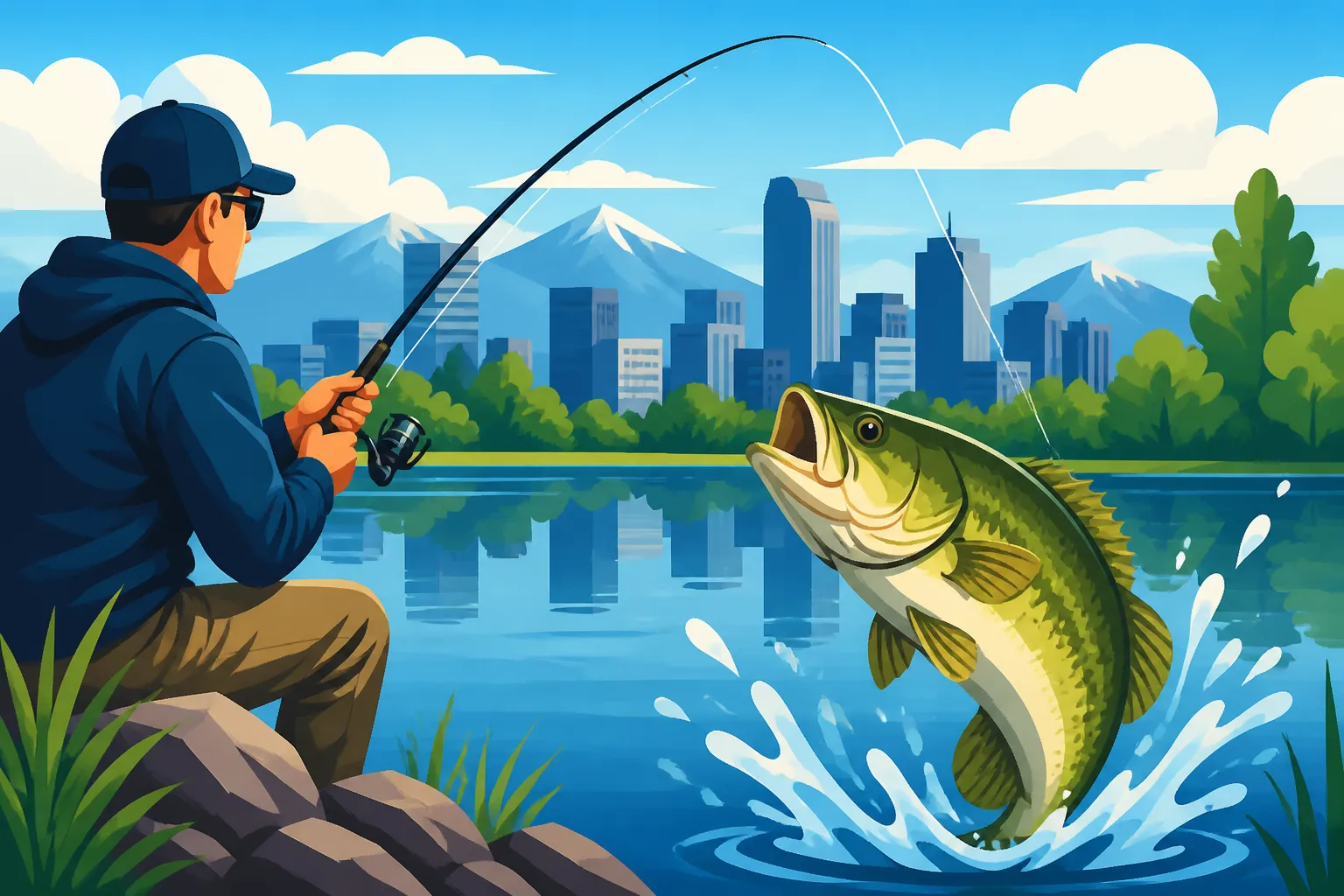
Largemouth and smallmouth bass also thrive in Sloan's Lake. While largemouth bass prefer weedy cover and submerged structures, smallmouth bass tend to favor rocky areas and deeper, clearer water, though Sloan's Lake generally leans towards more largemouth habitat. Both species are aggressive predators that provide thrilling topwater blow-ups and strong battles. Largemouth bass are particularly active during the spring spawn when they move into shallower water, and again in the summer as they ambush prey from dense vegetation. Smallmouth bass, if present in good numbers, can be found around the rip-rap along the shorelines or any subtle drops in depth. Anglers targeting bass should use a medium-action spinning or baitcasting setup with 8-12 pound line. For an in-depth look at their habits, consider exploring guides on Largemouth Bass in Colorado and Best Waters for Smallmouth Bass in Colorado. Lures such as plastic worms, spinnerbaits, crankbaits, and topwater frogs are all excellent choices. Varying your retrieve and working lures around structure like weed beds, docks, or submerged logs can be highly productive.
Panfish Galore: Crappie and Bluegill
Beyond the larger game fish, Sloan's Lake is an absolute paradise for panfish enthusiasts. Black crappie and bluegill are abundant, making them perfect targets for beginners, kids, or anyone looking for consistent action and delicious table fare. They might not be the biggest fighters, but their numbers and accessibility make for a thoroughly enjoyable fishing experience.
Black crappie are schooling fish, often found congregating around submerged structures such as brush piles, old docks, or weed edges. They are most active during the spring, especially around their spawn, when they move into shallower waters. At Sloan's Lake, look for them holding near any available cover. A light-action rod with 4-6 pound test line is ideal for crappie. Small jigs (1/16 to 1/8 ounce) tipped with a small minnow, piece of worm, or a tiny plastic grub are deadly. You can often locate schools by casting and retrieving slowly, or by suspending bait under a bobber near structure. For more specific techniques, a guide on Crappie Fishing in Colorado would be incredibly helpful.
Bluegill are another ubiquitous and aggressive panfish in Sloan's Lake. They are often found in large schools, especially in shallower, sun-warmed areas with some weed cover. Bluegill are fantastic for teaching new anglers the ropes because they are almost always willing to bite. They'll readily strike at tiny jigs, small worms, pieces of corn, or even bread. A simple cane pole or a very light spinning rod with 2-4 pound test line and a bobber is all you need. Focus on areas with lily pads, cattails, or other aquatic vegetation, particularly during warmer parts of the day. Their strong tug on light tackle is surprisingly fun, and they are excellent eating.
Bonus Catches: Carp and Other Species
While not always the primary target for every angler, common carp are incredibly abundant in Sloan's Lake and offer a unique, powerful fight that can rival many game fish. Often dismissed as "trash fish," carp are, in fact, highly intelligent and challenging adversaries, especially on light tackle. They are bottom feeders, and they can be caught using simple baits like corn, dough balls, or even bread, often fished with a simple ledger rig. For some anglers, targeting these large, hard-fighting fish is a passionate pursuit. They can grow to significant sizes in Sloan's Lake, so be prepared for a long battle if you hook into a big one.
Beyond these main species, you might occasionally encounter other fish in Sloan's Lake, though they are less common targets. Bullheads, a type of small catfish, are present and can be caught using similar tactics to channel catfish, though they rarely grow to the same size. There might also be various minnow species that serve as forage for the larger predatory fish. While perhaps not what you set out to catch, these bonus species add to the biological richness of the lake and keep things interesting.
Essential Gear and Techniques for Sloan's Lake
Fishing an urban lake like Sloan's Lake doesn't require highly specialized or expensive gear, but having the right setup can definitely improve your success rate. Versatility is key, as you'll be targeting a range of species, from tiny bluegill to hefty catfish and bass. Understanding how to adapt your tackle and techniques to the specific conditions of an urban environment will serve you well.
Rods, Reels, and Line for Urban Angling
For general fishing at Sloan's Lake, a good all-around setup would be a medium-light to medium-action spinning rod, anywhere from 6 to 7 feet long. This length offers a good balance of casting distance from shore and maneuverability if you’re fishing from a small craft. The medium-light action is sensitive enough to feel the subtle bites of panfish, yet has enough backbone to handle a feisty bass or a big channel catfish.
Pair this rod with a spinning reel in the 2000-3000 series size. These reels hold enough line for typical casting distances and provide a smooth drag system, which is crucial when battling larger fish. For line, a monofilament or fluorocarbon line in the 6-10 pound test range is a versatile choice. Monofilament is more forgiving with stretch and good for topwater lures, while fluorocarbon offers excellent sensitivity and is nearly invisible underwater, making it great for finesse presentations. Some anglers prefer braided line for its strength and sensitivity, especially when fishing for bass in dense cover, but you'll want to add a fluorocarbon leader to it for stealth. The choice really depends on your primary target, but a good 8lb mono is a solid starting point for mixed species.
Best Baits and Lures for Sloan's Lake
The beauty of Sloan's Lake is that both live bait and artificial lures can be incredibly effective, depending on what you're chasing.
For catfish and panfish, live bait is often king. Nightcrawlers or red worms are universal baits that almost every fish will investigate. They are especially good for bluegill, crappie, and smaller catfish. Cut bait, such as pieces of hot dog, chicken liver, or even small strips of sunfish (where legal), are potent attractants for larger channel catfish due to their strong scent trail. Stink baits, available in various forms like dough balls or pre-made dip baits, are also excellent for catfish. A simple bobber rig or a slip-sinker rig fished on the bottom will present these baits effectively. If you're looking for more details on baits, consider consulting resources like Best Bait for Catfish in Colorado Reservoirs.
For bass, artificial lures offer a dynamic and engaging way to fish. Soft plastics, such as plastic worms, creature baits, and senkos, rigged Texas-style or wacky-style, are incredibly versatile and can be fished in various depths and covers. Spinnerbaits and chatterbaits are excellent for covering water quickly and attracting aggressive strikes, especially around weed lines. Crankbaits, both shallow and deep diving, mimic baitfish and are great for probing different depths. Topwater lures like poppers, frogs, and walking baits provide some of the most exciting action, especially during low-light conditions in summer. For specific patterns, remember to consider the forage base in Sloan's Lake – smaller shiners and bluegill are common, so lures that imitate these can be very effective.
Effective Fishing Techniques from Shore and Boat
Most anglers at Sloan's Lake will be fishing from the shore, which offers plenty of opportunities. When fishing from the bank, pay attention to areas with structure. This includes emergent vegetation, docks (where accessible and allowed), and any changes in the bottom contour. Casting parallel to the shore, rather than straight out, can often cover more productive water, as fish tend to patrol these edges. Vary your retrieve speed and depth, experimenting until you find what the fish are biting on that day. Stealth is also important; sudden movements or loud noises on the bank can easily spook fish in shallower water.
If you have access to a small boat, kayak, canoe, or even a float tube, it opens up many more possibilities on Sloan's Lake. These watercraft allow you to access deeper water, offshore structures, and less pressured areas that bank anglers can't reach. Trolling with small crankbaits or spinnerbaits can be effective for covering water and locating schools of crappie or bass. Anchoring near a submerged weed bed or a drop-off and presenting baits or jigs vertically can also be very productive. Just be mindful of other recreational users on the lake, as it's a popular spot for paddleboarding and sailing. Always check the current Colorado Fishing Regulations Every Angler Should Know regarding boat permits and rules before launching.
Optimal Times and Seasons to Fish Sloan's Lake
Understanding the seasonal patterns and daily movements of fish is paramount to success at any fishing destination, and Sloan's Lake is no exception. The warmwater species that inhabit the lake respond strongly to water temperature changes, making certain times of the year and even specific hours of the day much more productive than others.
Spring and Summer: Peak Season for Warmwater Species
Spring is arguably one of the best times to fish Sloan's Lake, particularly from April through June. As the ice thaws and water temperatures begin to rise, the fish become incredibly active after a long, cold winter. This is when species like largemouth and smallmouth bass move into shallower waters for their spawning rituals, making them more accessible and aggressive. Look for bass in bays and coves with protective cover like emergent weeds or submerged logs. Crappie also become highly concentrated during their spring spawn, often schooling up in large numbers near structures, offering fast action for anglers using small jigs or minnows under a bobber.
Summer, from July through August, also offers fantastic fishing, especially for channel catfish. As water temperatures peak, catfish become nocturnal feeders, making evening and night fishing excursions highly productive. They'll cruise the bottom looking for food, and a well-placed stink bait or cut bait can yield impressive results. Bass and panfish will still be active during the summer, but they'll often retreat to deeper, cooler water or seek refuge in dense cover during the heat of the day. Early mornings and late evenings become prime times for these species, as they move into shallower feeding grounds when the sun is less intense. Always remember to check for Colorado Fishing License Guide for Residents and Nonresidents requirements before heading out, as licenses are typically annual and expire at the end of March.
Fall Fishing: Cooler Waters, Active Predators
As autumn arrives, bringing cooler air and water temperatures, Sloan's Lake transitions into another excellent fishing season. From September through November, the shorter days and dropping temperatures signal to many fish species that it's time to feed heavily in preparation for winter. This "fall bite" can be incredibly productive, especially for bass and larger panfish.
Bass will often become more aggressive and less wary as they gorge on baitfish before the cold sets in. You might find them chasing schools of minnows in open water or staging near deeper drops. Large crankbaits, spinnerbaits, and even larger soft plastics can entice some trophy-sized fish during this period. Crappie and bluegill will also remain active, often schooling up tightly, and can be located in deeper holes or near submerged structures. This is a great time for exploring the lake's contours with sonar if you have a boat, or by systematically working different depths from shore. The crowds tend to thin out a bit compared to summer, offering a more peaceful angling experience.
Winter and Ice Fishing Considerations
While Colorado is known for its incredible ice fishing on high-country reservoirs, Sloan's Lake generally does not offer reliable or safe ice fishing conditions due to its urban setting and often fluctuating temperatures. The ice cover, if it forms at all, is usually inconsistent and thin, making it extremely dangerous to venture onto. For serious ice anglers, it's always best to seek out dedicated ice fishing locations in higher elevations, which are managed for safe ice access.
Even without ice fishing, open water fishing can still be possible during mild winter days. While the bite will be significantly slower, hardy anglers might find success targeting deeper holding areas for catfish or inactive bass. However, the catch rates are generally much lower than during the warmer seasons. It's always crucial to prioritize safety, dress in layers, and be aware of changing weather conditions if you choose to fish during the colder months. When considering winter fishing, remember that proper licensing, like Colorado's Urban Fishing Program License Rules, still applies regardless of the season.
Navigating Sloan's Lake: Access and Regulations
Fishing at Sloan's Lake is generally quite accessible and user-friendly, but like any managed public recreation area, it comes with specific rules and regulations. Understanding these guidelines, along with knowing the best ways to access the lake, will ensure a smooth and enjoyable experience for everyone.
Public Access Points and Parking
Sloan's Lake Park encircles the entire lake, providing extensive public shoreline access. This means you can typically walk around a good portion of the lake and find a spot to cast your line. Popular access points include areas near the Denver Downtown skyline views on the east side, and the more residential stretches along the north, west, and south shores.
Parking is available in several designated lots around the park perimeter. The largest lots are generally found on the east side off Byron Place and on the south side near the tennis courts. On weekends and holidays, these lots can fill up quickly, so arriving early is often a good strategy. Street parking is also available in surrounding neighborhoods, but always be mindful of local parking restrictions and respect residents' property. Remember that this is a multi-use park, so be courteous to runners, walkers, and families enjoying the green spaces.
Boating and Watercraft Rules
For those who prefer to fish from the water, Sloan's Lake does allow certain types of watercraft. Non-motorized vessels such as kayaks, canoes, stand-up paddleboards, and float tubes are generally permitted. These offer excellent opportunities to explore different parts of the lake, access areas not reachable from shore, and target fish holding in deeper water or around submerged structures. However, motorized boats, including those with electric trolling motors, are typically restricted or subject to strict regulations to maintain the peaceful atmosphere and water quality.
Before launching any watercraft, it is absolutely crucial to check the most current regulations from Denver Parks and Recreation and Colorado Parks and Wildlife. Rules can change, and you may need a specific permit for your vessel. Always adhere to safety guidelines, including wearing a PFD (personal flotation device), especially if you're in a smaller craft or float tube. Launching areas are available, but they are often shared with other users, so patience and courtesy are essential. It's also a good idea to ensure your watercraft is clean and free of invasive species before and after use to protect the lake's ecosystem.
Understanding Colorado Parks and Wildlife Regulations
Even though Sloan's Lake is an urban fishery, it falls under the jurisdiction of Colorado Parks and Wildlife, meaning all state fishing regulations apply. The most fundamental requirement is that anyone aged 16 or older must possess a valid Colorado fishing license. There are different options available, from annual licenses to shorter-term permits, and they can be purchased online through CPW's website (CPWShop.com) or from authorized license retailers. For a detailed breakdown of what you need, check out How to Buy a Colorado Fishing License. Fishing without a license can result in significant fines and penalties, as detailed in What Happens If You Fish in Colorado Without a License.
Beyond the license, it's critical to be aware of species-specific bag and possession limits. These regulations are designed to protect fish populations and ensure sustainable angling for everyone. For example, while catfish are often abundant, there will still be a daily bag limit. Bass may also have specific length and bag limits, which can vary by water. It’s also important to understand specific bait restrictions; while bait fishing is generally allowed at Sloan's Lake, some waters in Colorado have strict rules, such as those related to live minnows or worms. Always carry a copy of the current Colorado Fishing Regulations Brochure (or have the digital version on your phone) and consult it before you start fishing. This comprehensive guide will outline all the specifics for the Denver urban waters and other fisheries throughout the state, ensuring you stay within the legal framework and contribute to responsible angling practices.
| Species | Preferred Habitat | Common Baits/Lures | Best Time to Fish | Notes |
|---|---|---|---|---|
| Channel Catfish | Lake bottom, deeper holes, structure | Stink bait, cut bait, worms, chicken liver | Evening, Night (Warm Months) | Strong fighters, excellent eating. |
| Largemouth Bass | Weedy cover, submerged structures | Plastic worms, spinnerbaits, crankbaits, topwater | Spring spawn, Summer (early/late) | Ambush predators, fun topwater action. |
| Smallmouth Bass | Rocky areas, rip-rap, deeper water | Jigs, crankbaits, tubes, grubs | Spring, Fall (cooler water) | Known for hard fights and acrobatic jumps. |
| Black Crappie | Submerged brush, docks, weed edges | Small jigs, minnows, tiny plastic grubs | Spring spawn, Fall | Schooling fish, excellent for kids. |
| Bluegill | Shallow, warm water, aquatic vegetation | Worms, crickets, corn, small jigs | Warm months (daytime) | Abundant, eager biters, great for beginners. |
| Common Carp | Lake bottom, throughout the lake | Corn, dough balls, bread | Year-round, especially warm water | Powerful fighters, can grow very large. |
Disclaimer
The information provided in this guide is for general informational purposes only and is based on publicly available data and common angling practices. Fishing regulations, species populations, and environmental conditions can change frequently. Always consult the most current Colorado Parks and Wildlife regulations and local park rules before planning your fishing trip to Sloan's Lake or any other body of water. Stay safe, be responsible, and enjoy your time on the water.