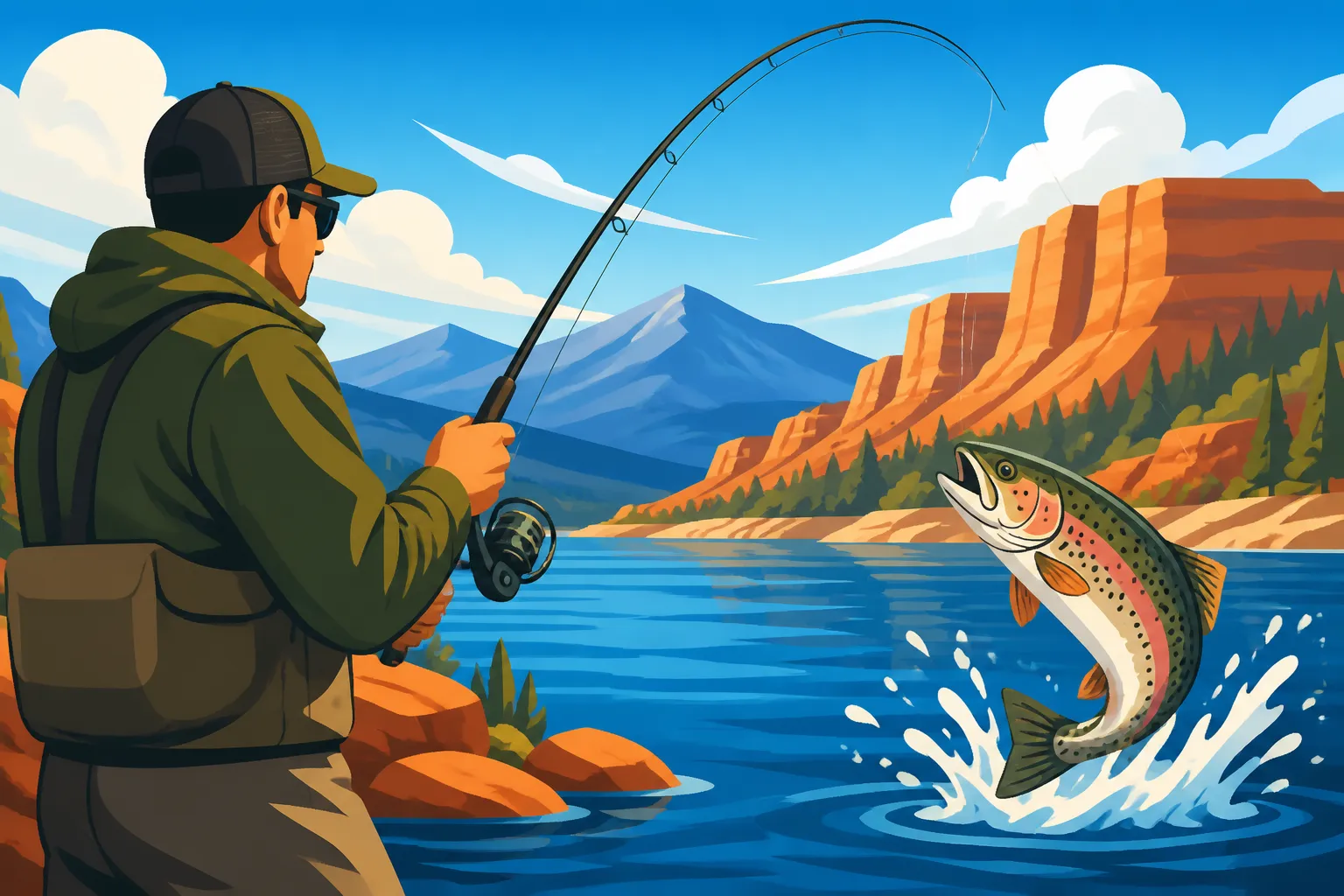
Fishing Navajo Reservoir in Southwest Colorado
Many anglers, myself included, often dream of chasing trout in Colorado's iconic rivers, envisioning pristine alpine lakes or the famed Gold Medal Waters. But in the state's rugged southwest corner lies a vastly different, yet equally captivating, fishery that often gets overlooked: Navajo Reservoir. This sprawling body of water, shared with New Mexico, offers a unique warmwater angling experience focused on trophy bass, aggressive pike, and abundant panfish, presenting a thrilling challenge that many anglers are unsure how to tackle. This comprehensive guide will strip away the mystery surrounding Navajo Reservoir, providing you with all the insights you need to confidently plan and execute a memorable fishing adventure in this truly special, border-straddling destination.
Navajo Reservoir: An Overview for Anglers
Navajo Reservoir is a colossal body of water, a true marvel nestled within the high desert landscape, and it presents an angling experience quite distinct from the mountain trout streams Colorado is typically known for. Its sheer size and unique characteristics are what make it such an intriguing destination for those willing to explore beyond the usual fishing spots.
Where is Navajo Reservoir?
Navajo Reservoir is quite literally a two-state lake, with its northern arm extending into Southwest Colorado and the majority of its main body and southern sections residing in Northwest New Mexico. In Colorado, it's primarily accessed via Navajo State Park, near the small communities of Arboles and Tiffany. On the New Mexico side, it's part of Navajo Lake State Park, with popular access points near Bloomfield and Farmington. The reservoir is fed by the San Juan River, a significant waterway that originates in the Colorado Rockies, bringing cold, clear water into the system.
This dual-state nature is a critical factor for anglers, as it means navigating different sets of regulations depending on where you cast your line. The Colorado portion offers stunning, relatively undeveloped shoreline and several distinct coves and arms, while the New Mexico side tends to be more developed with larger marinas and extensive recreational facilities. Driving to the Colorado side from places like Pagosa Springs or Durango is typically straightforward, but be prepared for a journey into a more remote, expansive landscape than you might be used to in the high country.
Why Navajo Stands Out
What truly sets Navajo Reservoir apart is its incredible ecological diversity, driven by its unique geography. Imagine a vast expanse of water carved through high desert canyons, contrasting sharply with the alpine environments many associate with Colorado fishing. This transition zone creates a rich habitat that supports a vibrant array of warmwater species, a delightful change of pace from constant trout pursuits.
The reservoir’s massive size, stretching over 30 miles long with countless coves, points, and submerged structures, means there’s always a new spot to explore, and it rarely feels crowded, even on busy weekends. Anglers can find everything from deep, clear main lake basins to shallower, brushy coves and expansive flats. This variety in habitat supports diverse fish populations, making it a versatile fishery for different techniques and target species. Beyond the fishing, the rugged beauty, the brilliant sunsets over the desert mesas, and the pervasive sense of solitude contribute to an experience that feels truly wild and remote, offering a profound escape from the everyday hustle.
Prime Species to Target at Navajo Reservoir
Navajo Reservoir is not just a pretty face; it's a phenomenal fishery teeming with a diverse array of species that thrive in its unique warmwater environment. While trout might be an occasional bonus, the real stars here are the hard-fighting warmwater fish.
Smallmouth and Largemouth Bass
Navajo Reservoir is a true haven for bass anglers, particularly those chasing smallmouth. These bronze beauties thrive in Navajo's clear, rocky environments, making the main lake points, ledges, and submerged rock piles their prime hunting grounds. They're keen on feeding on crayfish and baitfish, so mimicking these with your lure choice is key. You'll often find them lurking near drop-offs and along rocky shorelines, especially where there's a good current seam or an abrupt depth change. The fight they put up is legendary, a series of powerful runs and acrobatic jumps that will test your tackle and your angling skills, making every catch incredibly rewarding.
When targeting smallmouth, focus on presentations that mimic a struggling crayfish or a darting baitfish. Jigs, especially those with a bulky skirt or a craw-pattern trailer, are incredibly effective when hopped or dragged along the bottom. Consider colors that match the local forage, like browns, greens, and pumpkinseed. Drop-shot rigs, allowing for a subtle presentation in deeper water, can also entice finicky biters. For those more into reaction strikes, crankbaits that dive to the depth of the submerged structure can trigger aggressive bites, particularly on overcast days or during periods of increased fish activity.
While smallmouth might dominate the rocky main lake, Navajo also offers fantastic opportunities for largemouth bass, especially in its shallower, more vegetated arms and coves. Look for these green giants in areas with standing timber, submerged brush, and dense weed beds – essentially any cover where they can ambush unsuspecting prey. The Pine River Arm and other similar shallower, warmer embayments are excellent places to start your search for largemouth. They are notoriously territorial and aggressive, often striking lures with explosive force, especially during low-light conditions. For more general advice on pursuing these species across the state, check out our guide on Bass Fishing in Colorado.
To coax largemouth out of their cover, presentations that get right into their hiding spots are essential. Weedless soft plastics, such as Texas-rigged worms or creature baits, can be punched through heavy vegetation. Topwater lures, like frogs, poppers, and walking baits, create an exhilarating experience at dawn or dusk, or on cloudy days, as you watch a largemouth explode on your offering. Spinnerbaits, especially those with tandem willow blades, are excellent for covering water quickly and drawing strikes from aggressive fish positioned along the edges of weed lines or submerged brush.
Northern Pike
Navajo Reservoir holds a special reputation among anglers for its formidable Northern Pike population. These toothy predators are the apex of the food chain in many parts of the reservoir and offer a thrilling, hard-hitting fight that few other freshwater fish can match. While pike can be considered invasive in some Colorado waters, at Navajo they are a celebrated and managed sport fish, providing an exciting target for those looking for a true trophy. Their sheer size potential here is truly impressive, with many fish pushing well into the double-digit poundage.
You'll typically find Northern Pike lurking in areas where they can ambush prey. This means targeting weed lines, submerged points, standing timber, and the mouths of river inlets. The Pine River Arm, particularly, is well-known for producing large pike, offering extensive shallow, weedy areas perfect for these ambush hunters. They are sight feeders, so presentations that grab their attention and mimic a struggling baitfish are often the most effective.
When fishing for pike, it’s important to come prepared with stout tackle. Large spoons, especially in flashy silver, gold, or red-and-white patterns, are classic pike getters. Heavy spinnerbaits, jerkbaits, and big swimbaits are also incredibly effective. For fly anglers, massive streamers that imitate trout or other large baitfish can lead to explosive takes. Remember to use a wire leader or heavy fluorocarbon leader (at least 30-pound test) to prevent their razor-sharp teeth from cutting your line. For deeper insights into targeting these powerful fish, our article on Northern Pike Fishing in Colorado offers more detailed strategies, and you'll definitely want to be aware of Colorado's Daily Northern Pike Limit. If you're wondering about specific tackle, our guide to Best Lures for Northern Pike in Colorado Reservoirs will give you some excellent ideas.
Crappie and Other Panfish
Beyond the powerhouse bass and pike, Navajo Reservoir offers fantastic opportunities for crappie and other panfish, making it an excellent destination for family fishing trips or for anglers seeking a delicious meal. Crappie, in particular, are highly sought after for their delicate white flesh and their tendency to school up, allowing for consistent action once you find them.
These speckled beauties typically school around submerged brush piles, standing timber, rock outcroppings, and the shady side of docks and marinas. In the spring, they move into shallower water to spawn, making them more accessible from shore or by small boats in the coves. As the water warms in summer, they often retreat to deeper, cooler water, but can still be found suspended over structure.
The best techniques for crappie involve using small jigs, often tipped with a piece of Gulp! or a live minnow, fished under a bobber or slowly retrieved. A 1/32 or 1/16 ounce jig head is usually ideal. Light spinning tackle makes catching these relatively small but spirited fish incredibly fun. For those looking for a more relaxed day, bluegill and yellow perch are also abundant in Navajo, providing consistent action for anglers of all ages. These smaller panfish can be caught using tiny jigs, worms, or even corn under a bobber. You can learn more about targeting these schooling fish in our comprehensive guide to Crappie Fishing in Colorado.
Trout Fishing Opportunities
While Navajo Reservoir is predominantly a warmwater fishery, there are occasional opportunities for trout, particularly in the cooler, deeper sections near the dam or where river inlets provide colder water. Rainbow trout are the most commonly encountered species, often stocked to supplement the fishery and provide additional angling diversity. Brown trout might also show up, particularly in the sections influenced by the San Juan River.
These trout often hold deeper in the water column during the warmer months, seeking out cooler temperatures. Trolling with spoons, stickbaits, or even small flies behind a dodger can be an effective way to cover water and locate them. From shore, power bait, salmon eggs, or worms fished on a slip-sinker rig near access points where trout are stocked can yield results.
It's important to set your expectations correctly: Navajo isn't a Gold Medal Trout Water, and you're not likely to fill a stringer with trout every trip. However, for those who enjoy the surprise of a diverse catch or prefer lighter tackle, the occasional trout can be a delightful bonus, adding an extra layer of excitement to an already vibrant fishing experience.
Navajo Reservoir Fishing Techniques and Tactics
Navajo Reservoir's vastness and diverse habitats demand a range of techniques and a thoughtful approach to seasonal changes. Whether you're casting from the bank or cruising the expansive waters in a boat, understanding the most effective tactics will significantly increase your chances of success.
Shoreline and Wade Fishing
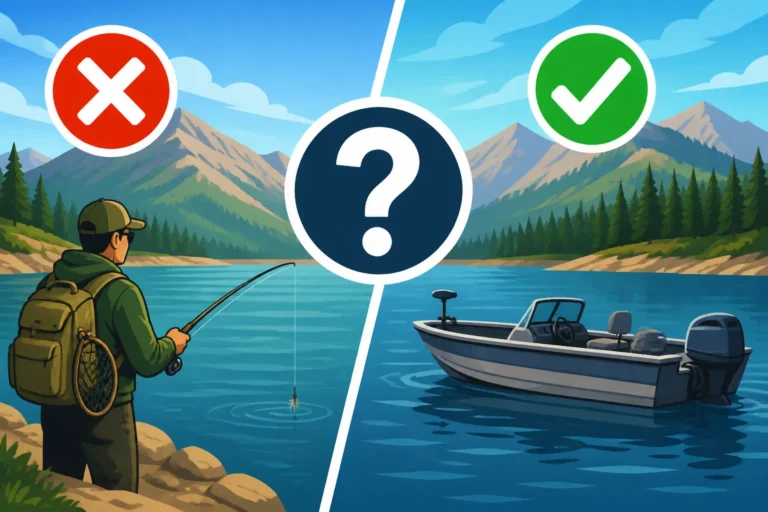
For many anglers, especially those new to Navajo or without boat access, shoreline and wade fishing are the primary ways to experience the reservoir. While not all areas are easily accessible, designated recreation sites and some more rugged sections of Navajo State Park (on the Colorado side) offer good bank fishing opportunities. These areas are typically best for targeting bass and panfish during the spring and fall when fish move shallower, but aggressive pike can also be caught from shore in prime habitats, particularly in weedy coves.
When planning to fish from the bank, it's wise to bring a medium-action spinning rod, versatile enough to handle a range of lures and baits. A selection of soft plastics (like worms, creature baits, and tube jigs), small crankbaits, and spinnerbaits will cover most situations. Live bait such as worms or minnows (check regulations for live bait rules) can also be highly effective for panfish and even bass. For anglers looking to expand their reach, waders can be invaluable, allowing you to access slightly deeper water and extend your casting range into areas that might otherwise be out of reach. Remember to bring sturdy footwear, as the terrain can be rocky and uneven, and always be aware of your surroundings, including potential wildlife.
Boat Fishing Strategies
For serious anglers looking to fully explore Navajo Reservoir, a boat is almost essential. Its sheer size means that a boat allows you to cover vast distances, access remote coves and structures, and employ a wider array of fishing techniques that simply aren't possible from shore. Whether you prefer trolling, casting, or vertical jigging, the reservoir offers endless possibilities for boat anglers.
Trolling is an incredibly effective method for covering large areas and locating schools of fish, especially for deeper-holding pike, bass, or the occasional trout. Using planer boards can help spread your lines and cover a wider swath of water, while downriggers allow you to present lures at specific depths, which is crucial when fish are suspended. Experiment with different lures like spoons, stickbaits, or large crankbaits, and vary your speed until you find what triggers bites.
For bass and pike, casting to visible structure is a highly productive strategy. Pitching jigs, spinnerbaits, and topwater lures into weed beds, submerged brush, rock piles, and along steep drop-offs can entice aggressive strikes. A quality fish finder or sonar unit is an absolute game-changer on Navajo, helping you identify submerged humps, ledges, and channels where fish are likely to congregate. This technology allows you to pinpoint structure that might otherwise go unnoticed, giving you a significant advantage. Finally, vertical jigging, especially with heavy jigs or spoons, can be incredibly effective when fish are holding tight to deep structure, particularly during the colder months or when fish are less active.
Seasonal Approaches
Understanding the seasonal changes at Navajo Reservoir is paramount to consistent success. Like any large body of water, fish behavior and location shift dramatically with water temperature and weather patterns. Our guide to Colorado Fishing Seasons Month by Month provides a broader context, but here's how it specifically applies to Navajo.
-
Spring (March-May): This is arguably one of the best times to fish Navajo. As water temperatures begin to rise, fish become incredibly active and move into shallower water for their spawning rituals. This period offers fantastic opportunities for bass, crappie, and pike, as they are more accessible and often more aggressive. Focus on northern coves and flats that warm up faster, using reaction baits like spinnerbaits and crankbaits, or subtle presentations like jigs and soft plastics for spawning bass.
-
Summer (June-August): The heat of summer drives fish deeper into cooler waters or into shaded cover during the day. Early morning and late evening become prime fishing times, often offering exciting topwater action for bass. During the brighter, hotter parts of the day, focus on fishing deep ledges, submerged humps, and the coolest sections of the lake, using jigs, drop-shot rigs, or by trolling deeper-diving lures. Staying hydrated and being prepared for intense sun is crucial during this period.
-
Fall (September-November): As temperatures cool and days shorten, fish enter a pre-winter feeding frenzy, making fall another exceptionally productive time. Bass and pike become incredibly aggressive, trying to pack on calories. Fish often spread out more, cruising flats and points as they actively hunt. Large swimbaits, jerkbaits, and spinnerbaits can elicit powerful strikes. This is an excellent time for trophy pike and bass, as they are at their peak activity levels.
-
Winter (December-February): While less common than on other Colorado lakes, ice fishing can be possible on the Colorado side of Navajo Reservoir when conditions allow for safe ice. Always check ice thickness before venturing out. For open water areas, deeper water jigging for bass and pike can still be productive, especially near major drop-offs or humps. The fishing slows down considerably, but dedicated anglers can find success with patience and precise presentations.
Planning Your Trip to Navajo Reservoir
A successful fishing trip to Navajo Reservoir involves more than just knowing where the fish are; it requires careful planning, especially due to its unique bi-state status. Getting the logistics right will ensure your adventure is smooth and enjoyable.
Licenses and Regulations
Here’s where it can get a bit complicated, and frankly, it's a frustration many anglers face when dealing with border waters. Navajo Reservoir straddles both Colorado and New Mexico, and a single license from either state does not cover the entire reservoir. You absolutely must have a valid fishing license for the state in which you are physically fishing. This means if you launch your boat in Colorado and motor into New Mexico waters, you need a New Mexico fishing license, and vice versa. It’s a common pitfall, so pay close attention. For a full understanding of what's required in Colorado, refer to our Colorado Fishing License Guide for Residents and Nonresidents.
There are no reciprocal agreements for general fishing licenses between Colorado and New Mexico for Navajo Reservoir. Always consult the most current regulations for both Colorado Parks and Wildlife (CPW) and the New Mexico Department of Game and Fish (NMDGF) before your trip. This includes checking specific requirements for habitat stamps, such as Colorado's Habitat Stamp, Explained, or any secondary endorsements, as these can vary. Furthermore, daily bag and possession limits for various species, as well as bait restrictions, can differ significantly between the two states. Ignorance of the law is not an excuse, and game wardens from both states patrol these waters diligently. To ensure you're fully compliant, always carry both state's current regulation brochures or have access to their online versions. It's a bit of a headache, but well worth the effort to avoid fines and ensure you're fishing legally. You can find more general information in our guide to Colorado Fishing Regulations Every Angler Should Know, and understand the nuances in Resident vs Nonresident Fishing Licenses in Colorado. If you're only planning a short trip, knowing What a One-Day Colorado Fishing License Costs might be useful, and you can easily purchase your Colorado license online via How to Buy a Colorado Fishing License Online at CPWShop.com.
| Feature | Colorado Side (Navajo State Park) | New Mexico Side (Navajo Lake State Park) |
|---|---|---|
| Required License | Colorado Fishing License (plus Habitat Stamp for ages 18-64) | New Mexico Fishing License (plus habitat stamp/Conservation Fee) |
| Primary Access | Arboles, Tiffany boat ramps | Pine River, Cottonwood Marinas, Navajo Dam |
| Camping | Developed campgrounds, primitive camping at designated sites | Developed campgrounds, RV parks, primitive areas |
| Boating Facilities | Ramps, limited services | Multiple marinas, full services, boat rentals |
| Regulations | Colorado Parks and Wildlife (CPW) rules apply | New Mexico Department of Game and Fish (NMDGF) rules apply |
| Bag Limits | Refer to current CPW regulations (e.g., pike limits) | Refer to current NMDGF regulations (can differ for same species) |
| Notable Feature | More remote, rugged feel in many areas | More developed infrastructure, higher visitor volume in some areas |
Access Points and Boat Ramps
Navajo Reservoir offers various access points, each with its own advantages, depending on your preferred style of fishing and where you plan to stay. On the Colorado side, the main gateway is Navajo State Park, located near Arboles. Here, you'll find multiple developed boat ramps, such as the Arboles and Tiffany ramps, making it relatively easy to launch larger vessels. The park also offers several campgrounds, cabins, and a visitor center with basic amenities. Do remember that entry into Colorado State Parks typically requires a valid State Parks Pass in addition to your fishing license. For more detailed information on specific locations and amenities, our article on Best Boat Ramps on Navajo Reservoir can be a great resource.
The New Mexico side, which holds the majority of the reservoir, generally boasts more developed access points. Navajo Lake State Park in New Mexico offers large marinas like Pine River Marina and Cottonwood Marina, complete with fuel, boat rentals, lodging, and extensive services. These areas are often busier but provide convenient access to the reservoir's deeper sections and larger coves. Beyond the developed areas, countless remote coves and arms are accessible only by boat, offering a true wilderness experience for those willing to venture further. When researching local boat rentals or considering a guided trip, online platforms like FishingBooker can offer a wide selection of services operating on different sections of the reservoir, helping you find the perfect fit for your adventure.
Essential Gear for Navajo
Packing the right gear for Navajo Reservoir is crucial, as the diverse species and vast waters demand a versatile tackle selection. Given the emphasis on warmwater species like bass and pike, you'll want to adjust your usual Colorado trout-fishing setup accordingly.
For targeting bass and pike, a medium-heavy spinning or casting rod paired with a reliable reel spooled with 10-20 pound test monofilament or fluorocarbon, or even heavier braid, is a solid starting point. Braid is particularly good for pike due to its strength and lack of stretch, but always remember to add a stout leader to prevent bite-offs. For crappie and other panfish, a lighter spinning rod (light to medium-light) with 4-6 pound test line will provide maximum fun and sensitivity.
Your lure selection should be broad:
- For Bass: Include crankbaits (both deep and shallow diving), spinnerbaits, jigs (tube jigs, swim jigs, football jigs), and a variety of soft plastics (worms, creature baits, flukes). Topwater lures like poppers and frogs are also a must for exciting surface action in low light.
- For Pike: Pack larger spoons (e.g., Daredevils, Johnson Silver Minnows), big spinnerbaits (1 ounce or more), jerkbaits, and swimbaits. Don't forget wire leaders or heavy (50lb+) fluorocarbon leaders to prevent cut-offs.
- For Crappie/Panfish: Small jigs (1/32 to 1/8 ounce) in various colors, tiny grubs, and live minnows (if regulations allow) or worms under a bobber.
Beyond fishing tackle, always prioritize safety and comfort. Personal flotation devices (PFDs) are legally required on boats, and it's always smart to wear one. Sunscreen, a wide-brimmed hat, and polarized sunglasses are essential for protection from the intense high-desert sun. Bring plenty of water to stay hydrated. A good cooler for keeping your catch fresh, especially if you plan to keep crappie or pike for dinner, is also highly recommended. A GPS or detailed reservoir map can be invaluable for navigation, especially if you venture into less familiar territory.
Navajo Reservoir Challenges and Conservation
Like any major fishery, Navajo Reservoir comes with its own set of challenges, both for anglers and for the delicate ecosystem it supports. Being aware of these and understanding your role in conservation is vital for ensuring the reservoir remains a thriving fishing destination for years to come.
Managing Invasive Species
One of the most significant management challenges at Navajo Reservoir revolves around Northern Pike. While these aggressive fish offer fantastic sport fishing opportunities and are a primary draw for many anglers, their predatory nature means they can have a significant impact on other fish populations, particularly if not managed effectively. Colorado Parks and Wildlife (CPW) and the New Mexico Department of Game and Fish (NMDGF) actively monitor pike populations and often encourage anglers to harvest them within legal limits to help maintain a balanced ecosystem. This isn't just about controlling their numbers; it's about protecting other species that might be more vulnerable to predation.
Beyond pike, the constant threat of aquatic invasive species (AIS) like zebra or quagga mussels is a major concern. These tiny organisms can wreak havoc on ecosystems, infrastructure, and native species. As an angler, your role in preventing their spread is critical. Always remember to "Clean, Drain, and Dry" your boat, trailer, and any fishing gear that comes into contact with the water. Inspect your equipment thoroughly before leaving the ramp, draining all bilge water, live wells, and engine cooling systems, and allowing everything to dry completely before launching in another body of water. This simple act of diligence protects Navajo and all other waters from these devastating invaders.
Water Level Fluctuations
Navajo Reservoir plays a crucial role in water storage and irrigation for the region, which means its water levels can fluctuate significantly throughout the year, especially during periods of drought or heavy snowmelt. These fluctuations present unique challenges and opportunities for anglers, requiring adaptability and a keen understanding of how fish react to changing conditions.
When water levels are low, previously submerged structures like rock piles, humps, and old creek channels become exposed or are more easily identified, providing new targets for casting. However, low water can also make boat launching difficult or even impossible at some ramps, and can expose prop-damaging hazards. Conversely, high water levels can flood new vegetation, creating prime shallow-water habitat for bass and pike, but can also disperse fish over a larger area, making them harder to locate.
Before heading out, it's always a good idea to check current reservoir level reports from both CPW and NMDGF. Using topographical maps, especially those with satellite overlays, can help you visualize how structures will look at different water levels. Be prepared to adjust your tactics – if water is low, focus on exposed rock and deeper transitions; if it's high, explore newly flooded vegetation. Many local guides listed on platforms like FishingBooker are adept at navigating these conditions and can provide up-to-the-minute advice on productive areas regardless of water levels, making them a valuable resource for planning around these environmental shifts.
Disclaimer
Please note that fishing regulations, license requirements, and access policies are subject to change. Always consult the official websites of Colorado Parks and Wildlife (CPW) and the New Mexico Department of Game and Fish (NMDGF) for the most current and accurate information before planning your fishing trip to Navajo Reservoir. This guide is intended for informational purposes only and does not supersede official state regulations.