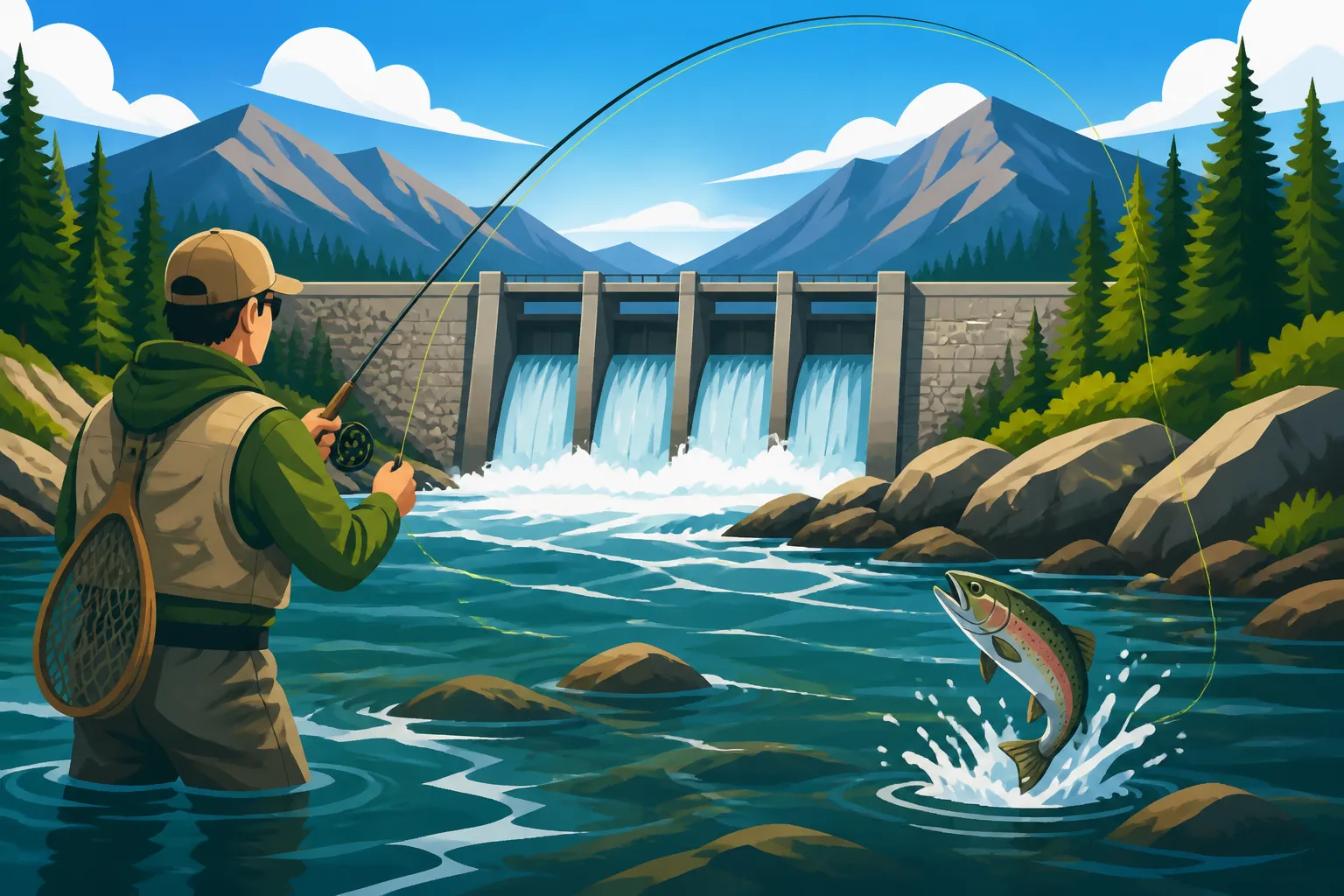
Fishing the Taylor River Below the Dam
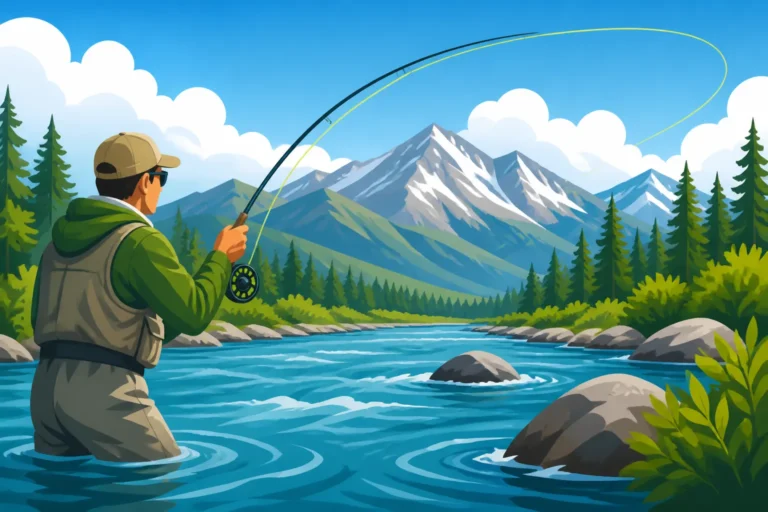
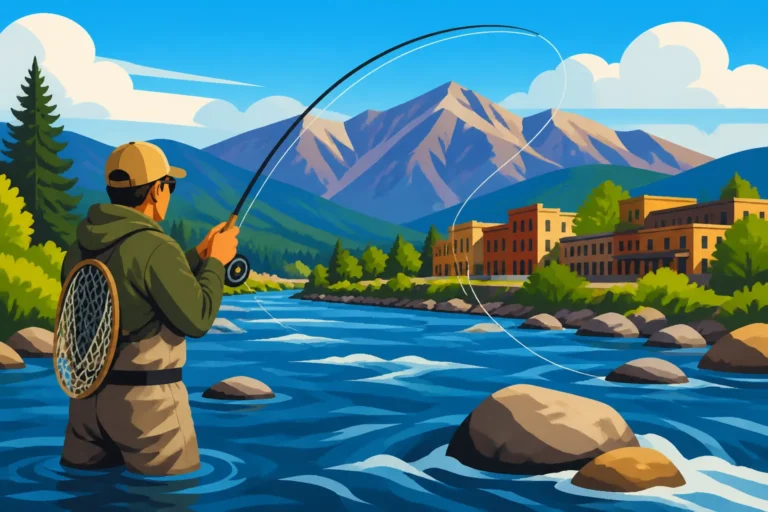
The Taylor River below the dam is one of those places that calls to anglers, whispered about in hushed tones for its monster trout, but it also strikes fear into the hearts of many. You hear tales of truly massive fish, but you also hear about endless hours of frustration, tiny flies, and finicky takes. It's easy to feel intimidated, wondering if your skills are up to the challenge of such technical water. This guide is here to demystify fishing this incredible stretch of river, helping you understand its unique quirks and equip you with the knowledge to tackle those legendary Taylor River trout, or at least understand why they're so tough.
Understanding the Taylor River's Unique Ecosystem Below the Dam
What makes the Taylor River below Taylor Park Reservoir such an anomaly in Colorado's fishing landscape? It's not just another river; it's a tailwater, which means its water source comes directly from the bottom of the dam. This creates a highly specific and often challenging environment that dictates everything about how the trout behave and, consequently, how you need to fish for them.
The most critical factor is the consistent water temperature. Because the water is released from deep within the reservoir, it remains incredibly cold and stable year-round. This isn't like a freestone river that experiences drastic temperature swings with the seasons or daily weather changes. This constant cold promotes a stable environment for aquatic insect life, particularly midges, year-round. While this means a consistent food supply, it also means the fish rarely need to move far or expend much energy to feed. They become accustomed to a steady diet of tiny, perfectly presented insects, making them incredibly selective.
Another defining characteristic is the nutrient-rich water. The reservoir acts as a giant natural filter and a rich source of nutrients. As water flows out, it carries microscopic organisms and plant matter, creating an almost unending buffet for the resident trout. This abundant food source allows the trout to grow to truly exceptional sizes. You're not just fishing for average fish here; you're often targeting specimens that are significantly larger and older than what you might find in other rivers. This is why the Taylor River is renowned as one of Colorado's premier Gold Medal Waters, a designation that comes with specific regulations to protect these trophy fisheries. If you're wondering about the specifics of these protections, you'll want to check out the Colorado's Gold Medal Water Regulations Explained page for more in-depth information.
The immediate section below the dam, often affectionately and sometimes despairingly called the "Toilet Bowl," is particularly famous (or infamous). This deep, churning pool is where many of the largest trout congregate, drawn by the constant flow of food and the deep, comfortable holding lies. However, its reputation for enormous fish also means immense pressure from anglers. These fish are not only huge, but they're also highly educated, having seen every fly pattern and presentation imaginable. Catching a fish from the Toilet Bowl is often considered a badge of honor among experienced Colorado anglers, but it requires extreme stealth, precision, and often, a touch of luck.
Essential Gear and Fly Selection for Technical Tailwater Fishing
When you're heading to a place like the Taylor River below the dam, your standard all-around trout setup might not cut it. This is a game of finesse, tiny offerings, and delicate presentations. Approaching this water with the right gear isn't just helpful; it's often the difference between a day of frustration and a memorable catch.
Rods, Reels, and Line for Delicate Presentations
For the Taylor River, think light and long. A 9 to 10-foot fly rod in a 3 or 4-weight is generally ideal. The longer rod helps with line control, crucial for mending your line to achieve drag-free drifts in complex currents. It also offers a bit more cushion to protect those incredibly fine tippets you’ll be using against the sudden surges of a big fish. A smooth, reliable reel with a good drag system is also important, not because you'll be fighting fish on the reel constantly, but because when a large trout decides to run, you need that drag to be consistent and responsive.
Your fly line should be a weight-forward floating line, but the real key is your leader and tippet. Forget your standard 9-foot 4X leader. On the Taylor, you'll often be using leaders that are 12 to 15 feet long, tapering down to 6X, 7X, or even 8X fluorocarbon tippet. Fluorocarbon is essential here because it's nearly invisible underwater and sinks faster than monofilament. The longer leader helps keep your fly line off the water, reducing drag, while the fine tippet is paramount for presenting those tiny flies naturally to the notoriously selective trout. Learning how to properly set up a nymph rig for deep tailwater runs is a crucial skill here, and resources like How to Set Up a Nymph Rig for a Deep Tailwater Run can provide excellent guidance.
The Tiny World of Taylor River Flies
The phrase "match the hatch" takes on a whole new meaning on the Taylor River. The predominant food source is often midges, and they are tiny. We're talking about fly sizes from 18 down to 24, and sometimes even smaller. Don't be surprised if your guide hands you a size 26 or 28 midge pattern.
Here are some of the most consistent producers for the Taylor, focusing on both larva, pupa, and emerger stages:
- Midges (Larva & Pupa): Zebra Midges (black, red, olive, purple), Mercury Midges, Miracle Nymphs, Top Secret Midges, Brassie. These are your bread and butter, especially in sizes #20-26.
- Mayfly Nymphs: Baetis (Blue-Winged Olives) are the most common mayfly hatch on the Taylor, especially in spring and fall. RS2s, Barr's Emergers, Flashback Pheasant Tails, and Jujubee Midges in sizes #20-24 are highly effective.
- Worms and Eggs: While less technical, these can be absolute lifesavers, especially after a fresh stocking or during higher flows. San Juan Worms (red, pink, orange) and various egg patterns can tempt even the most finicky trout.
- Streamers: Believe it or not, large trout will eat streamers, especially during low light or when aggressively feeding. Small Buggers or Sculpzillas can sometimes entice a reaction strike, but nymphing is generally the most productive method.
For a deeper dive into specific patterns that consistently work on Gold Medal waters, consider exploring resources like Best Flies for Colorado's Gold Medal Trout Water.
Indicators, Weights, and Wading Gear
Indicators: Forget large bobber-style indicators. On the Taylor, you need something incredibly sensitive that registers the slightest take. Small, buoyant yarn indicators (like New Zealand Strike Indicators), air-lock strike indicators, or even just a brightly colored leader section are preferred. When fishing extremely deep, sometimes a simple piece of colored putty or even nothing at all, relying on subtle line movements, is the most effective.
Weights: Split shot is crucial for getting your tiny flies down to the fish quickly. Use small, non-toxic split shot (sizes B, BB, or even smaller) placed 6-12 inches above your lead fly. Be prepared to adjust your weight constantly based on depth and current speed.
Wading Gear: The water here is consistently cold, often in the 30s and 40s even in summer. Insulated waders are a must, even on warm days. The river bottom is a mix of gravel and slick rocks, so felt-soled or rubber-soled boots with studs are highly recommended for safety and stability. The last thing you want is a cold swim or a twisted ankle in this current.
Strategies and Techniques for Tricky Trout on the Taylor
Fishing the Taylor River below the dam is less about brute force and more about finesse, observation, and an almost zen-like patience. These trout are notoriously smart, and they demand near perfection.
Master the Nymphing Game
Nymphing is, without a doubt, the most consistently effective technique on the Taylor. The fish are often holding deep, lethargically sipping tiny insects as they drift by. Your goal is to get your fly down to their feeding lane, mimic a natural drift, and detect the subtlest takes.
- Indicator Nymphing: This involves using a strike indicator to suspend your nymphs at the desired depth. The challenge here is using enough weight to get your flies down without hindering the natural drift. Longer leaders (12-15 feet) and fine tippets (6X-8X) are essential. Focus on making upstream casts and mending your line to eliminate drag, allowing your flies to tumble naturally with the current.
- Euro Nymphing / Tightline Nymphing: This technique shines on the Taylor's deep runs and pockets. By eliminating the indicator and using a specialized leader, you maintain direct contact with your flies. This allows for incredibly sensitive strike detection and precise depth control. It's a highly active and rewarding way to fish this technical water, and if you're interested in learning more, exploring resources on Nymphing Techniques for Colorado Tailwaters could greatly enhance your skills.
- Depth is Key: These fish are often right on the bottom. Don't be afraid to add more weight or adjust your indicator depth until you're occasionally ticking the bottom. That's usually where the fish are holding.
The Art of the Perfect Drift
You'll hear guides on the Taylor constantly preach "drag-free drift." What does that truly mean? It means your fly is moving at the exact same speed as the surrounding water, with no unnatural pull from your line. On a river with varied currents like the Taylor, this is incredibly difficult to achieve.
- Casting and Mending: Cast slightly upstream of your target, then immediately begin mending your line. Mending involves flipping sections of your fly line upstream to compensate for different current speeds. It’s an ongoing process throughout your drift.
- Reading the Water: Pay attention to how your indicator (or leader, if Euro nymphing) is moving. If it's speeding up or slowing down unnaturally, you've got drag. Identify current seams and target areas where the flow is consistent, typically behind large rocks or in slower seams adjacent to faster water.
- Stealth and Approach: These fish are not just selective about flies; they're incredibly spooky. How to Approach a Tailwater Without Spooking Trout is a critical read before your trip. Move slowly, keep a low profile, and avoid wading unnecessarily. Long casts help keep you further from the fish, reducing your chances of spooking them.
Patience, Persistence, and Observation
Success on the Taylor often comes down to sheer persistence. You might make dozens of perfect drifts without a bite, only to have a monster trout finally eat on the 101st cast.
- Observe Before You Cast: Spend time watching the water. Look for rises (even tiny dimples from midges), fish flashing as they feed, or even large shadows moving slowly in the depths. Identify likely holding water—deeper pools, current seams, and areas with submerged structure.
- Adjust Constantly: If you're not getting bites, don't keep doing the same thing. Change your fly pattern, size, or color. Adjust your depth. Move a foot or two up or downstream. Experiment with different weights. Sometimes, a subtle change is all it takes.
- Stay Positive: It's easy to get discouraged on the Taylor. Remember that catching these magnificent, highly educated fish is a challenge. Enjoy the process, the beautiful scenery around Almont, and the satisfaction of even a single hookup.
Navigating Access, Etiquette, and Conservation
Fishing such a popular and sensitive fishery comes with responsibilities. Understanding where you can fish, how to behave, and the importance of conservation ensures that the Taylor River remains a world-class destination for generations to come.
Public Access Points and Private Water
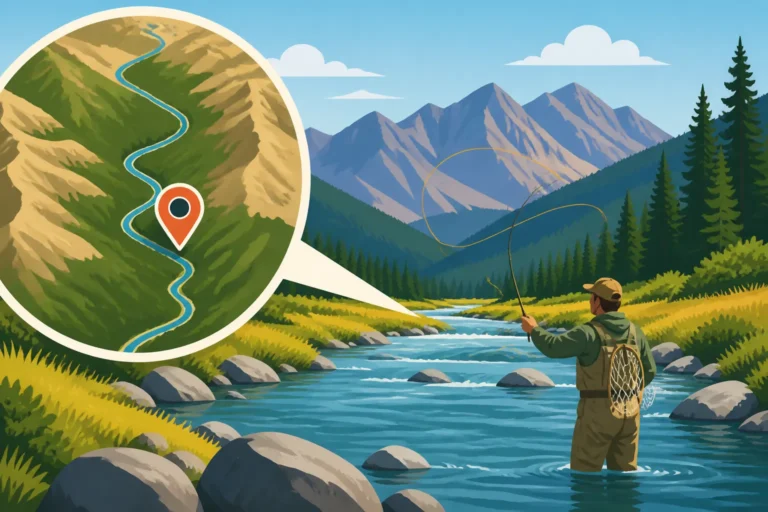
The most popular and easily accessible public water is directly below the Taylor Park Dam, which includes the famous "Toilet Bowl" area. You'll find ample parking and clearly marked access points here. However, as you move downstream, much of the river transitions into private land. It’s absolutely critical to be aware of property lines and respect private land postings. Trespassing is not tolerated and can result in significant fines. Always consult a current map, such as the Colorado Parks and Wildlife (CPW) Fishing Atlas, to ensure you are on public access points. If you're considering a guided trip, many guides have access to private water sections, offering a different experience. You can often find reputable outfitters through platforms like FishingBooker, which makes planning much easier.
River Etiquette and Crowds
Given its reputation, the Taylor River below the dam can get crowded, especially on weekends and during peak seasons. Maintaining good river etiquette is crucial for everyone's enjoyment.
- Give Space: If you see another angler in a spot, give them plenty of room. Don't crowd them or walk directly through their fishing lane. A general rule of thumb is to allow at least 50-100 feet of space, more if the water allows.
- Wade Respectfully: When wading, move slowly and deliberately to avoid disturbing the fish or stirring up the bottom unnecessarily. If you must walk past another angler, do so well behind them on the bank, or politely ask if you can cross.
- Patience is a Virtue: You might have to wait for a prime spot to open up. Rather than getting frustrated, enjoy the scenery, observe other anglers (you can often learn a lot!), or try a less pressured section.
Catch and Release Practices
The Taylor River below the dam is primarily a catch-and-release fishery, especially for its large trout, and many sections have specific rules such as Colorado's 14-Inch Trout Length Rule or require barbless hooks. The cold water does help with trout survival, but proper handling is still paramount.
- Barbless Hooks: Pinch down the barbs on all your flies. This makes hook removal easier and causes less trauma to the fish. In some sections, Barbless Hook Rules on Colorado Rivers are mandatory.
- Minimal Handling: Keep the fish in the water as much as possible. If you must take a photo, wet your hands thoroughly and support the fish horizontally. Avoid squeezing or touching the gills.
- Revive Carefully: After a fight, hold the fish gently in the current, facing upstream, until it swims away under its own power. Don't just toss it back; ensure it's strong enough to recover. For more details on best practices, check out Catch-and-Release Rules on Colorado's Cutthroat Waters.
| Fly Type | Common Patterns | Primary Target Stage | Recommended Sizes | Key Characteristics |
|---|---|---|---|---|
| Midges | Zebra Midge, Mercury Midge, Miracle Nymph, Brassie | Larva/Pupa | #20 – #26 | Segmented body, often with bead head or subtle flash. |
| Baetis Nymphs | RS2, Barr's Emerger, Flashback Pheasant Tail | Nymph/Emerger | #20 – #24 | Slender body, often with a wing case or soft hackle. |
| Worms/Eggs | San Juan Worm, Blood Worm, Glo-Bug | Attractor/Emergency | #12 – #18 | Represent worms or loose fish eggs, highly visible. |
| Small Streamers | Micro Bugger, Sculpzilla | Baitfish | #8 – #14 | Imitate small baitfish, often jigged or stripped. |
While the Taylor River below the dam demands a specific approach and sometimes a good deal of humility, the rewards can be immense. Landing one of its legendary trout is an experience you won't soon forget. If you're new to fishing this kind of technical water, don't hesitate to consider hiring a local guide. Services like FishingBooker can connect you with experienced professionals who know this river like the back of their hand and can shave years off your learning curve. Their expertise in reading the subtle currents, choosing the right fly, and making that perfect presentation can make all the difference.
Disclaimer
Fishing conditions and regulations in Colorado can change, sometimes without much notice. Always consult the most current Colorado Parks and Wildlife (CPW) fishing regulations brochure before heading out. This guide is for informational purposes only and should not replace official sources. Always prioritize safety and environmental stewardship on the water.