How Remote the North Platte’s Gold Medal Section Is
So, you've heard whispers about the North Platte River's Gold Medal section in Colorado, a place renowned for its incredible trout fishing, but perhaps also for its elusive nature. Many anglers dream of untouched waters teeming with trophy fish, yet the reality of reaching such places can often be a rude awakening. This guide is for those who are drawn to the wild, rugged beauty of Colorado's backcountry and are ready to tackle the challenge of accessing one of its most remote, yet rewarding, fishing destinations.
Understanding the North Platte's Gold Medal Allure and its Isolation
The term "Gold Medal Water" in Colorado instantly conjures images of pristine rivers and lakes, overflowing with large, healthy trout. It's a designation that sets a certain expectation, and for good reason. But not all Gold Medal waters are created equal in terms of accessibility, and the North Platte is a prime example of a diamond in the rough that truly makes you work for the reward.
What Makes a Gold Medal Water "Gold Medal"?
Colorado Parks and Wildlife (CPW) bestows the "Gold Medal" designation on waters that meet very specific, stringent criteria. For a river stretch, this means it must consistently hold at least 60 pounds of trout per acre, with at least 12 individual trout measuring 14 inches or longer per acre. These aren't just arbitrary numbers; they signify an exceptional fishery, a place where the trout population thrives, grows to impressive sizes, and offers unparalleled angling opportunities.
This designation tells you that the habitat is robust, the food sources are plentiful, and the overall ecosystem supports a vibrant trout population. When you're fishing a Gold Medal river, you're not just hoping for a big fish; you're casting into waters where the odds are significantly in your favor to encounter substantial trout. These are the waters where you're most likely to tie into a truly memorable brown or rainbow trout, often displaying brilliant colors and incredible fight. Understanding these regulations can help you appreciate the quality of the fishing, and for more details on these specific guidelines, you might want to check out our comprehensive guide on Colorado Gold Medal Water Regulations Explained.
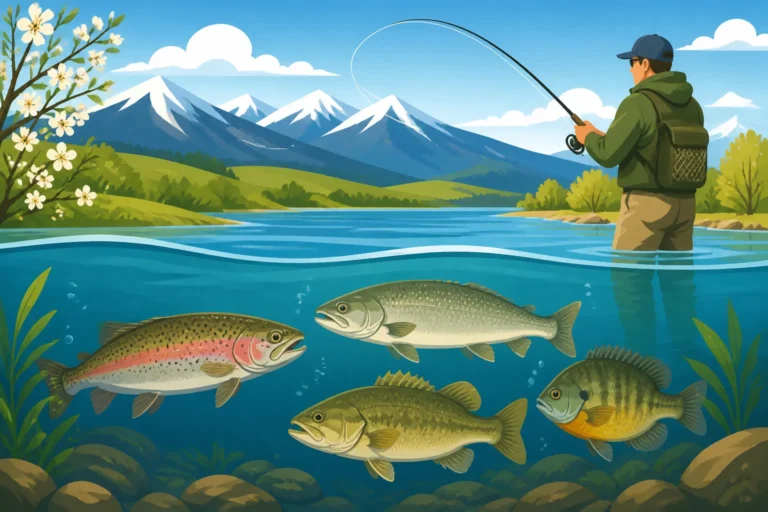
The North Platte's Gold Medal section lives up to this standard, offering incredible catches that justify the effort. Anglers often report hooking into large, robust brown trout and energetic rainbows, with occasional cutthroat adding to the diversity. The sheer density and size of the fish here are a testament to the river's pristine environment and the minimal pressure it receives compared to more easily reached locales. It’s this combination of wild fish and stunning scenery that makes the arduous journey so appealing to dedicated anglers.
The North Platte River's Unique Character in Colorado
The North Platte River in Colorado is a bit of an enigma. Unlike many of the state's iconic trout streams that originate high in the Rockies and flow westward or southward, the North Platte starts its journey in the expansive, high-altitude North Park basin, near the town of Walden. From there, it flows north, winding its way out of Colorado and into Wyoming, only to briefly re-enter Colorado through a remote canyon known as Northgate Canyon, right before it hits the Wyoming border again. It's this specific, fleeting return to Colorado that holds its most remote and rugged Gold Medal water.
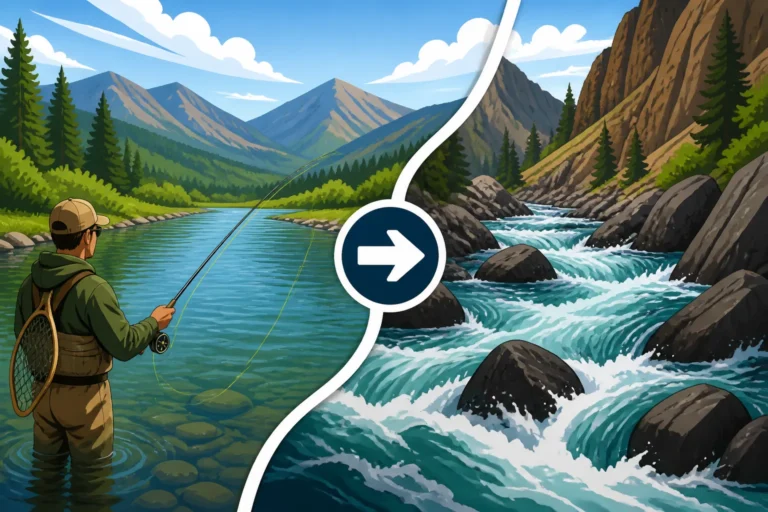
This stretch is far removed from paved roads, bustling towns, or even well-maintained gravel tracks. It's characterized by dramatic canyon walls, thick forests of lodgepole pine and aspens, and a palpable sense of solitude. The river itself here is a mix of deep pools, turbulent riffles, and long, slow runs, providing diverse habitats for trout. It truly feels like stepping back in time, where human impact is minimal and nature reigns supreme. This contrasts sharply with many other celebrated Gold Medal waters, which, while beautiful, often have much more defined and developed access points. If you're looking for a genuine wilderness fishing experience, the North Platte's Colorado section near Northgate offers it in spades, and you can learn more about this specific area in our Fishing the North Platte Near Northgate guide.
The unique geography means that the river, in this particular Colorado segment, is largely fed by snowmelt and high-country springs from the surrounding Medicine Bow Mountains, giving it cold, clean water year-round. This pristine water quality, coupled with a healthy insect population and diverse aquatic habitat, fosters the perfect conditions for trout to thrive. The isolation also means fewer anglers, allowing fish to grow larger and be less wary than those in more heavily trafficked areas. It's truly a place where you can feel like you have an entire river to yourself, a rare luxury in today's crowded fishing world.
Pinpointing the Remote Gold Medal Stretch
Identifying exactly where this remote Gold Medal section lies and understanding its access points is the first critical step in planning your adventure. It’s not a place you just stumble upon; it requires deliberate research and preparation. The "remote" aspect isn't just about driving a long way; it's about the difficulty of the final approach to the water.
Where the "Remote" Section Begins and Ends
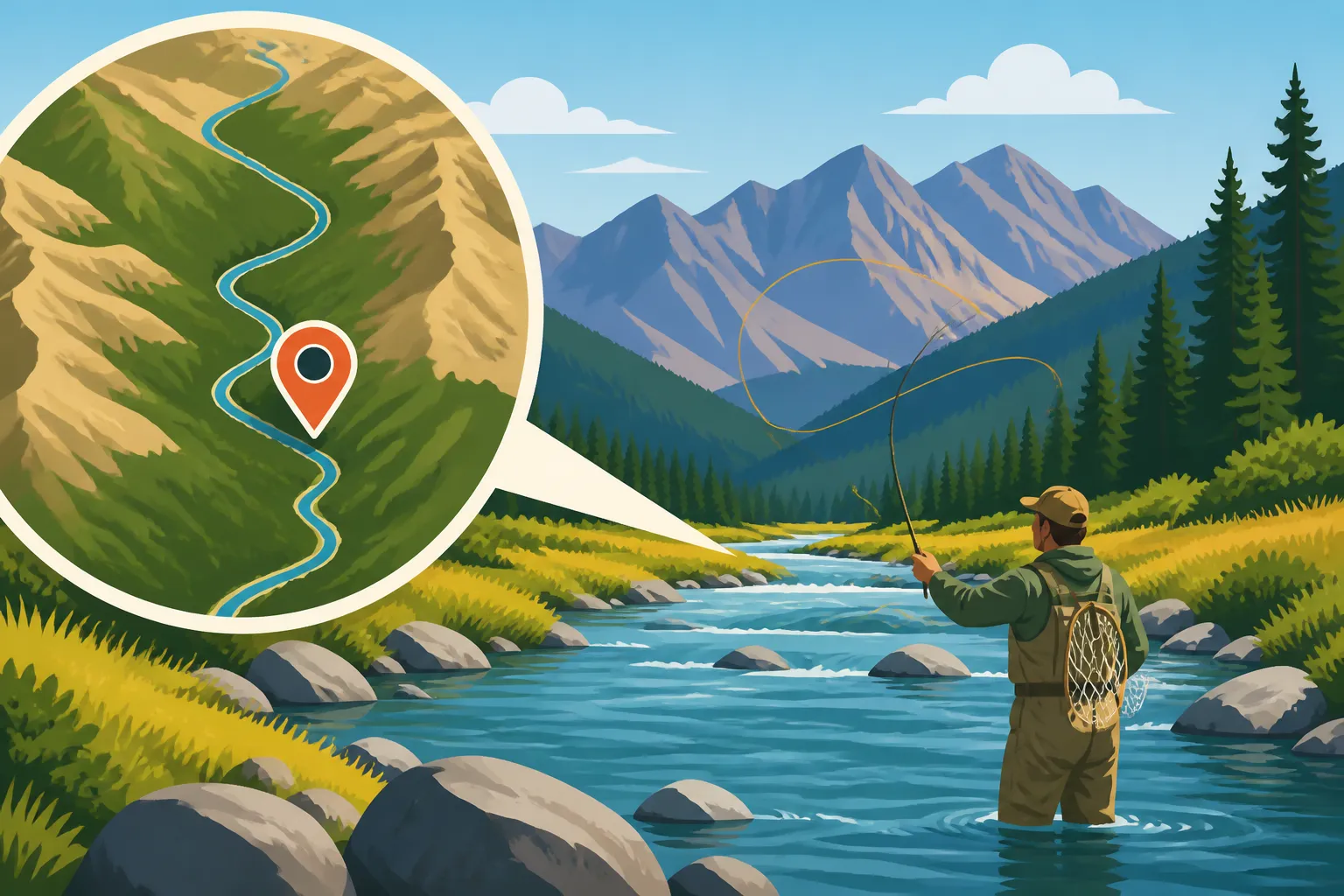
The Gold Medal designation for the North Platte River in Colorado specifically applies to the 6.5-mile stretch from the Routt National Forest boundary downstream to the Wyoming state line. This section is primarily within the Northgate Canyon. When people talk about the "remote" aspect, they are almost exclusively referring to this segment. There aren't any towns right next to it, not even a general store. The closest community with any significant services is Walden, Colorado, which is still a considerable drive away, or Saratoga, Wyoming, just over the border.
The area is characterized by vast tracts of national forest land, deep canyons, and challenging terrain. You won't find marked trails every hundred yards or convenient parking lots. Instead, access is dictated by the rugged landscape itself, primarily through unmaintained or minimally maintained Forest Service roads that spiderweb through the mountains. This lack of clear, direct access is precisely what preserves its remote character and keeps angler pressure incredibly low, making it a true backcountry experience rather than a roadside fishery.
The remoteness is not just a selling point; it's a foundational element of the experience. Imagine driving for hours, often on dirt and gravel, only to park your vehicle and realize the actual river access is still a significant hike away, possibly involving bushwhacking or navigating steep descents. This isn't a place for a casual afternoon outing. It demands dedication, physical stamina, and a willingness to truly disconnect. It's a commitment that ultimately pays off with some of the most undisturbed fishing Colorado has to offer.
Access Points and Their Challenges
Accessing this remote stretch of the North Platte is not for the faint of heart, or for vehicles not designed for rough terrain. The primary access points involve navigating a network of Forest Service roads. For instance, Forest Service Road 400 (also known as the Northgate Canyon Road or County Road 19) provides some of the initial access points into the general area. However, "access" here is a relative term. These are often unpaved, deeply rutted, and sometimes rocky roads that can be challenging even for 4×4 vehicles, especially after rain or snowmelt.
Once you leave the main Forest Service roads, any path to the river often becomes a primitive dirt track or simply disappears, requiring you to park and hike in. These hikes can be strenuous, involving steep descents into the canyon, navigating dense vegetation, and potentially crossing smaller feeder streams. There are very few marked trails, meaning good navigation skills and a keen sense of direction are essential. It's a stark contrast to some more popular destinations where you might find paved paths or well-trodden trails right to the water's edge. This difficult approach certainly helps thin out the crowds, ensuring that those who make it to the river are truly committed. If you're used to easier access, understanding these differences is key, similar to how one might consider the challenges of places like Cheesman Canyon, though the North Platte is often even more isolated; for comparison, read about How to Access Cheesman Canyon Without a Long Hike.
You'll also encounter gates and signage indicating private land. It's absolutely crucial to respect these boundaries and only access public lands. Trespassing is not only illegal but can jeopardize future public access to these areas. Always consult up-to-date land ownership maps (like those from the Forest Service or digital mapping apps) before heading out. The combination of challenging roads, demanding hikes, and the need for careful navigation means that preparation is paramount. This isn't a spontaneous trip; it's an expedition that requires thorough planning and a realistic assessment of your capabilities and your vehicle's limitations.
Let's put the North Platte's accessibility into perspective with a quick comparison to some other well-known Gold Medal waters in Colorado:
| Gold Medal Water | Typical Access | Vehicle Needed | Hike to River | Amenities Nearby | Angler Pressure |
|---|---|---|---|---|---|
| North Platte River (Northgate) | Forest Service Roads | High-clearance 4×4 often | Moderate-Long | Very Few (Walden/Saratoga) | Very Low |
| Fryingpan River (below Ruedi) | Paved/Good Gravel Road | Any passenger vehicle | Short-None | Town of Basalt | High |
| Arkansas River (Browns Canyon) | Paved/Good Gravel Road | Any passenger vehicle | Short-Moderate | Buena Vista/Salida | Moderate-High |
| South Platte River (Deckers) | Paved/Good Gravel Road | Any passenger vehicle | Short-None | Limited (Deckers store) | Very High |
| Gunnison River (Gorge/Black Canyon) | Road to Rim, Hike/Float | Passenger Vehicle, 4×4 for some | Long/Float | Town of Gunnison | Moderate |
As you can see, the North Platte stands out for its demanding access, a factor that directly contributes to its low angler pressure and pristine environment.
The Journey to Reach North Platte's Remote Waters
Getting to the remote North Platte isn't just a drive; it's a multi-stage journey that begins long before you even see the river. It's an experience that requires a particular mindset and a solid understanding of backcountry travel.
Navigating Forest Service Roads and Backcountry Trails
The Forest Service roads leading into the Northgate Canyon area are often a test of patience and vehicle capability. These aren't the well-graded, easily navigable roads you might find in more developed recreation areas. They can be narrow, winding, and prone to washouts, especially during spring runoff or heavy summer rains. Mud, snow, and large rocks are common obstacles, making a high-clearance 4×4 vehicle almost a necessity for safe travel. Don't underestimate the time it takes to cover even a short distance on these roads; a few miles can easily take an hour or more.
It's absolutely essential to carry detailed maps, both physical and digital, and have a reliable GPS device or app. Cell service is virtually nonexistent in much of this area, so relying on your phone for navigation alone is a recipe for getting lost. Inform someone of your itinerary and expected return time. Beyond the roads, the trails (if you can call them that) to the river are often faint game trails or require pure bushwhacking. You'll need to be comfortable with route finding and negotiating dense brush, uneven terrain, and potentially steep descents into the canyon. Planning for plenty of daylight hours is crucial, as getting stuck or losing your way in the dark in this remote area would be a serious situation. Remember to factor in extra fuel, as the round trip can involve hundreds of miles, much of it on low-speed, fuel-consuming roads.
The Physical Demands of Getting to the River
Once you've navigated the challenging roads and parked your vehicle, the real physical work often begins. The hike to the North Platte's Gold Medal waters can be demanding. Expect elevation changes, as you'll likely be descending into the canyon to reach the river and then climbing back out at the end of your day. The terrain is rugged and uneven, with loose rock, slippery slopes, and dense undergrowth. You might also encounter fallen trees that require scrambling over or around.
Sturdy, waterproof hiking boots with good ankle support are non-negotiable, and if you plan to wade the river, quality waders and wading boots (perhaps with studded soles for extra grip on slippery rocks) are essential. Carrying a heavy backpack with all your gear, food, and water for the day will add to the challenge. Depending on the time of year, you might face deep snow in the shoulder seasons or dense, thorny bushes in the summer. It's not uncommon to spend an hour or more hiking just to reach your desired fishing spot, and that's an hour you'll also have to hike back out, often uphill and tired. For general guidance on appropriate outdoor attire, even if you're not going on a guided trip, our article on What to Wear on a Colorado Guided Fishing Trip offers useful tips on layering and functional clothing.
Safety in this remote environment also means being aware of potential wildlife encounters. Moose are common in North Park, and while generally placid, they can be aggressive if surprised or threatened. Bears are also present, so knowing bear safety protocols and carrying bear spray is advisable. Rattlesnakes are less common in the higher elevations but can be present in warmer, rocky areas. The isolation means that help is a long way off, so prevention and self-sufficiency are key. A satellite messenger device for emergency communication is highly recommended, as cell service will be non-existent.
Planning Your Remote North Platte Adventure
A successful and safe trip to the North Platte's remote Gold Medal section requires meticulous planning. This isn't a spontaneous grab-your-gear-and-go kind of outing. It demands careful consideration of what you'll need, when you'll go, and who you might consult.
Essential Gear and Supplies for a Backcountry Trip
When heading into such a remote area, your gear list needs to be robust and comprehensive, prioritizing self-sufficiency and safety. Beyond your standard fishing setup, consider the following essentials:
- Navigation: A topographical map, compass, and a fully charged GPS device or satellite messenger (like a Garmin inReach or Zoleo). Do not rely on your phone alone.
- Water: At least 2-3 liters of water per person, plus a reliable water filter or purification tablets. River water can be unsafe to drink directly.
- First-Aid Kit: A comprehensive kit capable of handling cuts, sprains, insect bites, and other backcountry emergencies.
- Emergency Shelter: A lightweight tarp or emergency bivy sack, just in case.
- Fire Starter: Waterproof matches, lighter, or a ferro rod.
- Headlamp/Flashlight: With extra batteries. Even if you plan to be out before dark, unexpected delays can occur.
- Extra Food: High-energy snacks beyond what you think you'll need.
- Appropriate Clothing: Layers are critical for Colorado's quickly changing mountain weather. Think moisture-wicking base layers, insulating mid-layers, and waterproof/windproof outer shells. Even in summer, evenings can be chilly.
- Bear Spray: And know how to use it.
- Sun Protection: Sunscreen, hat, and sunglasses are vital at high altitudes.
- Fishing Gear: A sturdy rod (a spare rod or reel isn't a bad idea, given the remoteness), a selection of flies/lures suitable for large trout (e.g., various nymphs, streamers, dry flies), extra leader and tippet, forceps, and nippers. Consider heavier tippet than you might use on highly pressured waters, as these fish are less line-shy.
While the context is different, some of the principles for gearing up for challenging environments apply across fishing disciplines. For instance, the emphasis on layering and robust emergency preparedness echoed in our guide to Ice Fishing Gear for Colorado Reservoirs holds true here, even without the ice.
Timing Your Visit for Best Conditions and Reduced Risk
Choosing the right time of year is paramount for a successful North Platte adventure.
- Late Spring (late May to early July): After the peak of spring runoff but before the heat of summer. This is often an ideal window. The water levels are dropping, clarity is improving, and the fish are actively feeding after the high-water period. However, be prepared for potentially lingering snow at higher elevations and muddy roads. Learn more about navigating runoff in When Colorado's Spring Runoff Hits and How to Fish Around It.
- Summer (July to August): This offers generally stable weather, but afternoon thunderstorms are common and can make roads impassable or swell rivers quickly. Water temperatures can also rise in certain sections during prolonged heatwaves, which can stress trout. Always check water temperatures and be prepared to stop fishing if they exceed safe levels for trout.
- Fall (September to October): Often considered the prime time. The aspens turn golden, the weather is usually stable (though snow can come early), and brown trout become very active as they prepare for their spawn. The crisp air and vibrant colors create a truly spectacular backdrop. However, roads can become impassable quickly with early snowfall.
- Winter (November to April): Generally not recommended for unguided trips due to extreme cold, heavy snowpack, and often completely impassable roads. Access becomes virtually impossible for all but the most experienced and equipped backcountry winter travelers.
Always check the latest weather forecasts, road conditions (especially Forest Service updates), and river flow data (e.g., USGS stream gauges) before and during your trip. The Colorado Parks and Wildlife website often provides alerts for specific areas. You can get a broader understanding of fishing throughout the year in Colorado Fishing Seasons Month by Month.
The Value of Local Knowledge or a Guide
Let's be realistic: the North Platte's Gold Medal section is not a beginner-friendly destination. Its remote nature means that even experienced anglers can benefit immensely from local knowledge. A local fly shop in Walden, Colorado, or Saratoga, Wyoming, can provide invaluable, up-to-the-minute information on road conditions, river flows, recent hatches, and specific access nuances that you won't find online. They live and breathe these waters and can offer insights that significantly increase your chances of success and safety.
For those who are less experienced with backcountry travel or simply want to maximize their time on the water without the stress of navigation, considering a guided trip is a fantastic option. While the North Platte's remote canyon doesn't see the same volume of guided trips as, say, the Fryingpan or the South Platte, some specialized outfitters do venture there. A guide not only knows the river intimately but also understands the tricky access routes, potential hazards, and the specific techniques required to catch these wild trout. They can navigate the roads, lead the hike, and provide all the necessary gear, transforming a potentially stressful expedition into a memorable fishing experience. When looking for such specialists, platforms like FishingBooker can sometimes list guides who operate in more niche or challenging areas, allowing you to filter by location and desired experience. Even if you're not hiring a guide, learning how to choose one, as detailed in Choosing a Colorado Fishing Guide, What to Look For, can inform you about the kind of expertise needed for such demanding waters.
While the cost of a guide might seem steep, the value they provide in terms of safety, access, and fishing expertise for such a remote and challenging destination is often well worth it. They can get you to spots you'd never find on your own, teach you subtle techniques specific to the river, and ensure you have a much safer and more productive day.
The Rewards of a Remote Fishing Experience
After all the planning, the difficult drive, and the strenuous hike, what makes the North Platte's remote Gold Medal section truly worth the effort? The rewards are profound and deeply satisfying, offering an experience that transcends mere fishing.
Unpressured Fish and Solitude
The single greatest draw of the North Platte's remote Gold Medal water is the incredible quality of the fishing, directly tied to the lack of human pressure. Unlike many of Colorado's more accessible Gold Medal stretches, where you might find yourself shoulder-to-shoulder with other anglers, this section offers true solitude. The fish here are wild, less educated, and often more willing to take a well-presented fly or lure. They haven't seen hundreds of different patterns or felt the sting of a hook countless times.
This translates into more aggressive takes, longer fights, and often, larger fish. You might find pods of trout holding in spots that would be picked over in a more crowded river, or discover a truly trophy-sized brown trout lurking in a deep pool all to itself. It's a feeling of discovery, knowing you've earned every fish you catch. The quiet of the canyon, broken only by the sound of the river and the occasional call of a bird, contributes to an overwhelming sense of peace and connection with nature. It’s a stark contrast to the often-bustling atmosphere of places like Cheesman Canyon; to see the difference, check out How Crowded Cheesman Canyon Gets on Weekends. The North Platte offers a true escape, allowing you to fully immerse yourself in the fishing experience without distraction.
Imagine casting your line into a pristine run, knowing that your footprints might be the only human ones there all week. This kind of unadulterated fishing, where the fish act instinctively rather than warily, is increasingly rare. It’s a chance to truly test your skills against wild trout in their natural element, without the added challenge of outsmarting other anglers or navigating crowded stretches.
Pristine Wilderness and Wildlife Encounters
Beyond the exceptional fishing, the remote North Platte Gold Medal section offers an unparalleled wilderness experience. The landscape itself is breathtaking: rugged canyon walls, towering pines, and crystal-clear water flowing through a verdant riparian zone. It's an ecosystem largely untouched by human development, where the natural world flourishes.
You're likely to encounter a rich array of wildlife. Moose are a common sight, often seen wading in the river or browsing along its banks. Mule deer, elk, and various smaller mammals also call this area home. Overhead, you might spot ospreys or bald eagles circling, ready to dive for a fish. The sheer beauty of the surroundings, combined with the chance to observe wildlife in its natural habitat, adds an extra layer of richness to the fishing trip. It’s a genuine opportunity to disconnect from the modern world and reconnect with nature on a deep level. Just remember to practice Leave No Trace principles to ensure these pristine conditions remain for future generations.
This isn't just a fishing trip; it's an immersive outdoor adventure. The journey itself, with all its challenges, becomes part of the reward. The solitude, the unpressured fish, the stunning scenery, and the chance to witness nature untamed—these are the elements that make the remote North Platte River an unforgettable destination for the dedicated angler. Understanding and adhering to all local regulations, which you can typically find outlined in the Reading Colorado's Fishing Regulations Brochure, is also paramount to preserving this incredible environment. And always remember the consequences for non-compliance, such as Penalties for Fishing Without a License in Colorado. Lastly, in such a wild area, there’s always a chance of encountering protected species; knowing What to Do If You Catch an Endangered Fish by Accident is a crucial part of being a responsible angler.
Disclaimer
Please note that fishing regulations, conditions, and access points can change. Always check the latest information from Colorado Parks and Wildlife (CPW) before planning your trip. Backcountry travel carries inherent risks, and personal safety is your responsibility. This guide is for informational purposes only and does not substitute for thorough personal preparation and judgment.