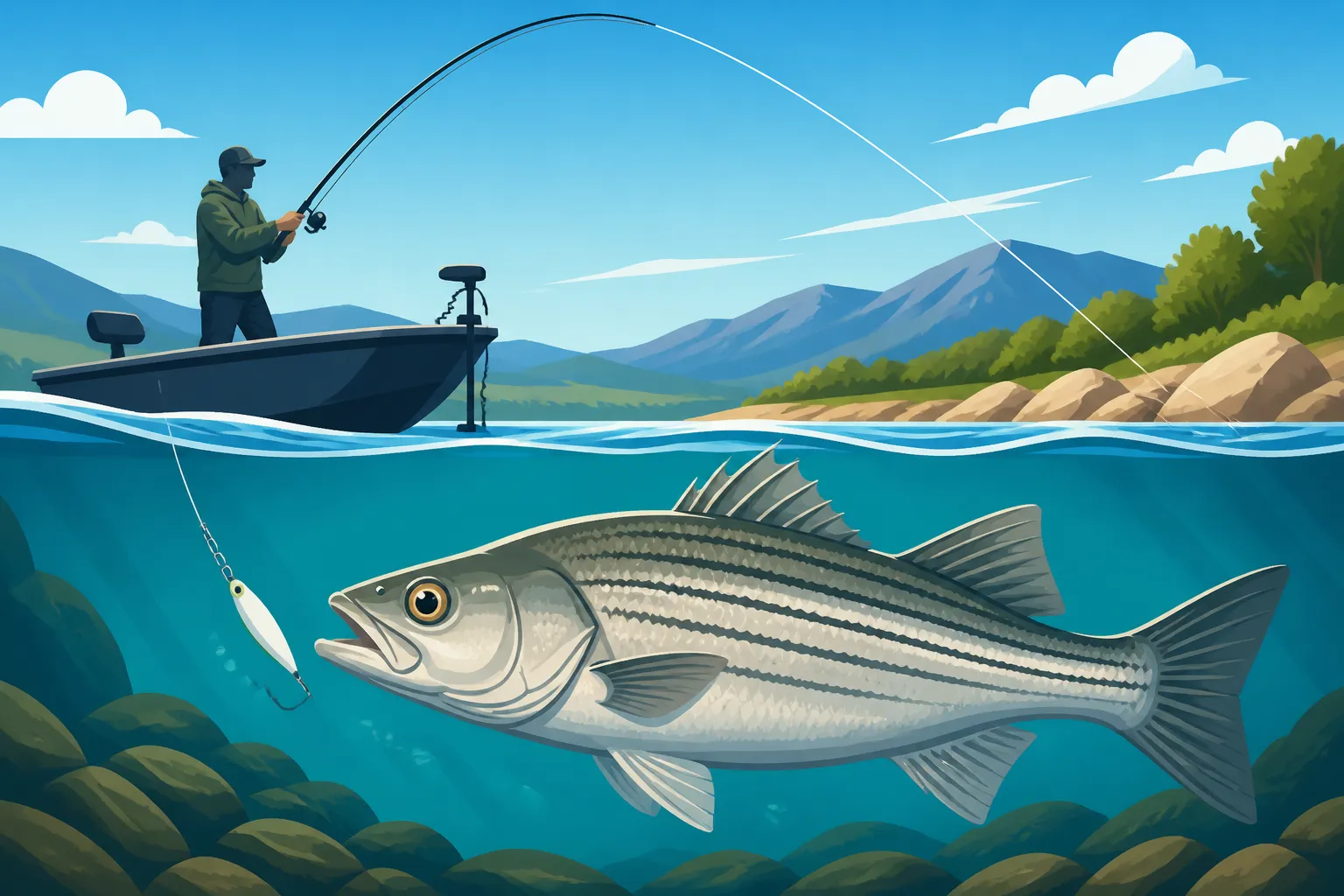
Fishing for Wiper at Chatfield Reservoir
One of the most thrilling challenges for anglers in Colorado is targeting the elusive yet incredibly strong wiper, a hybrid striped bass. Many folks spend countless hours trying to find a consistent bite, often frustrated by their nomadic nature. This comprehensive guide will pull back the curtain on fishing for wiper at Chatfield Reservoir, equipping you with the knowledge of where to find them, what they bite, and the best techniques to land these hard-fighting fish.
The Allure of Wiper Fishing at Chatfield Reservoir
Chatfield Reservoir, nestled against the foothills southwest of Denver, is a true gem for Colorado anglers, offering diverse fishing opportunities. While trout, walleye, and smallmouth bass certainly draw crowds, it's the wiper that often provides the most exhilarating battles. These powerful hybrids are stocked annually by Colorado Parks and Wildlife (CPW) and grow to impressive sizes, making them a top target for many.
Understanding the Wiper: A Powerhouse Hybrid
Wiper are not a naturally occurring species; they are a hybrid created by crossing a striped bass (Morone saxatilis) with a white bass (Morone chrysops). This genetic blend results in a fish that combines the size and fighting prowess of a striped bass with the aggressive feeding habits of a white bass. They are streamlined, silver-sided, and often display broken, irregular stripes along their flanks, differentiating them from their purebred relatives. In Colorado, they are typically sterile, meaning they don't reproduce in the wild, which allows CPW to manage their populations and growth through stocking programs.
These fish are renowned for their incredible strength and endurance. When you hook a wiper, be prepared for long runs, powerful head shakes, and a relentless fight that will test your tackle and your stamina. They are often described as "freshwater torpedoes" for a good reason! Their predatory nature means they're constantly on the hunt for baitfish, which makes them susceptible to various artificial lures and live bait presentations. For those interested in the diverse fish species in Colorado, our guide on Wiper, Colorado's Hybrid Striped Bass delves deeper into their characteristics and why they're stocked.
Why Chatfield Reservoir is a Wiper Hotspot
Chatfield Reservoir provides an ideal environment for wiper to thrive, which is why it's considered one of Colorado's premier wiper fisheries. The reservoir is large, covering approximately 1,478 acres at full capacity, and features varied depths, expansive flats, rocky points, and submerged structures. This diverse underwater landscape offers plenty of ambush points and feeding grounds for these active predators. The CPW regularly stocks Chatfield with wiper, ensuring a healthy and growing population.
What truly makes Chatfield stand out is its abundant forage base. Wiper are voracious eaters, and Chatfield's waters are teeming with shad, rainbow trout, and other baitfish, providing a rich food supply that allows wiper to grow quickly and to substantial sizes. Additionally, the reservoir's water temperatures, particularly in summer, are well-suited for these warm-water tolerant fish. The reservoir also offers excellent access for both boat and bank anglers, with numerous boat ramps, shoreline access points, and dedicated fishing areas, making it convenient for everyone to pursue these exciting fish. If you're looking for broader information on Fishing Chatfield Reservoir, we have a dedicated article to help you explore all its offerings.
Decoding Wiper Behavior and Habitat in Chatfield's Waters
Successful wiper fishing at Chatfield hinges on understanding their behavior throughout the year and knowing where to look for them. Wiper are highly mobile and schooling fish, often following their food source. Their movements are influenced by water temperature, light conditions, and the availability of prey.
Key Structures and Depths Where Wiper Thrive
Wiper at Chatfield love structure, but not always the typical "cover" like submerged timber that bass might favor. Instead, they often relate to subtle changes in depth, prominent points, submerged humps, and the edges of channels. Look for these fish congregating around:
- Main Lake Points and Submerged Humps: These are classic ambush spots. Wiper will often push baitfish up against these features to feed. Use your fish finder to locate schools of baitfish, and wiper are likely to be nearby, just below or on the edges.
- Creek Channels and River Inlets: The South Platte River inlet is a prime area, especially during periods of increased flow or when baitfish are moving in and out of the main reservoir. Wiper will patrol these zones, taking advantage of current breaks and concentrated forage.
- Expansive Flats with Subtle Depth Changes: While seemingly featureless, large flats can hold massive schools of baitfish, and where the bait goes, the wiper follow. Pay close attention to any small depressions, ridges, or transitions from sand to rock on these flats.
- Open Water Schools: Don't be surprised to find wiper suspended in open water, especially during warmer months, chasing schools of shad. Keep an eye out for "boiling" activity on the surface where wiper are actively feeding.
Generally, wiper will adjust their depth based on the season and time of day. In spring and fall, they might be shallower, from 5-20 feet. During the heat of summer, they often retreat to deeper, cooler waters, sometimes as deep as 40-60 feet, but will push shallower during low-light conditions to feed. Understanding What Fish Live in Colorado's Warmwater Reservoirs can give you a better overall picture of the ecosystem these fish inhabit.
Reading the Signs: Locating Active Wiper Schools
Spotting active wiper schools can be the difference between a slow day and a banner day. These fish are aggressive feeders and often give away their presence.
- Surface Activity: The most exciting and obvious sign is when wiper are actively busting bait on the surface, creating what's known as a "boil." Keep a keen eye on the water, especially during dawn and dusk, or on cloudy days. When you see this, cast quickly into the commotion.
- Bird Activity: Gulls, terns, and other diving birds are excellent indicators of baitfish activity. If you see birds diving and feeding, chances are there's bait being pushed to the surface by predatory fish like wiper.
- Sonar/Fish Finder: A good fish finder is an invaluable tool for wiper fishing. Look for large, dense schools of baitfish, often appearing as "clouds" or "balls" on your screen. Wiper will show up as larger, individual arcs or clumps of arcs below or around these baitfish schools. Don't just scan the bottom; pay attention to the entire water column.
- Wind and Current: Wind can concentrate baitfish against certain shorelines or points. Wiper will often follow this concentration. Also, remember that any current, even subtle, can position fish in ambush points.
Patience and observation are key. Sometimes you'll have to motor around, watching your electronics and the water surface, until you locate an active school. Once you find them, act fast, as they can move just as quickly as they appeared.
Mastering Techniques and Tackle for Chatfield Wiper
Catching wiper consistently at Chatfield requires a blend of appropriate tackle, effective lure presentations, and strategic bait choices. Their powerful fight demands gear that can handle the abuse, and their predatory nature means they'll strike at a variety of offerings.
Proven Lures and Presentations for Aggressive Bites
Wiper are opportunistic predators, and a wide range of lures can trigger strikes, especially when they're actively feeding.
- Casting Spoons: Lures like the Kastmaster or Little Cleo in chrome, silver, or blue/silver are deadly when wiper are chasing shad. Cast them out, let them sink to the desired depth, and reel with a retrieve that mimics a fleeing baitfish. A lift-and-drop retrieve can also be very effective.
- Swimbaits and Paddle Tails: Soft plastic swimbaits, rigged on a jig head (e.g., 3/8 to 1/2 ounce), are excellent for mimicking baitfish. Sizes from 3 to 5 inches are often ideal. Chartreuse, white, and shad patterns are popular. You can cast them and retrieve steadily, or bounce them off the bottom.
- Lipless Crankbaits: These noisy, vibrating lures are fantastic for covering water and calling in aggressive wiper. Brands like Rapala Rattlin' Rap or Bill Lewis Rat-L-Trap in chrome, silver, or shad patterns are excellent choices. Cast, let them sink, and retrieve with a stop-and-go action.
- Topwater Lures: When wiper are actively busting on the surface, nothing beats a topwater lure. Poppers, walk-the-dog baits (like a Heddon Super Spook), or even chuggers can provoke explosive strikes. The visual thrill of a wiper smashing a topwater is unmatched.
- Jigs: Bucktail jigs or soft plastic grub tails on a jig head can be very effective, especially when wiper are holding deeper or near the bottom. A steady retrieve with occasional twitches can entice strikes.
Experiment with retrieve speeds and depths until you find what the fish are responding to. Remember that wiper can be very particular one day and aggressive the next. For more general advice on Spin Fishing Techniques for Colorado Trout, many of the core principles of lure presentation still apply here.
Effective Bait Fishing Strategies
While artificial lures are a blast, sometimes live or cut bait is the most consistent way to catch wiper, especially when they're less active or holding deeper.
- Live Minnows/Shad: If legal and available, live baitfish like shiners, suckers, or gizzard shad (where permitted) are incredibly effective. You can fish them under a bobber in shallower areas, or on a slip-sinker rig near the bottom in deeper water. Hook them through the back or lips.
- Cut Bait: Chunks of shad, sucker, or even rainbow trout can be irresistible to wiper, especially when fished on a bottom rig. The scent trail can draw them in from a distance. Use a relatively stout hook (e.g., a 2/0 to 4/0 circle hook or Kahle hook) to ensure a good hookset.
- Chicken Liver/Gizzards: While not as common for wiper, some anglers report success with chicken liver or gizzards, particularly if other catfish species like those mentioned in Best Waters for Channel Catfish in Colorado are also present and active in the same area. This is more of an alternative for slower days.
When bait fishing, it’s often best to set up in areas where you’ve marked fish on your sonar or observed baitfish. Anchor your boat or fish from a bank known for production, and present your bait naturally. Patience is key, as is a good rod holder if you’re fishing multiple lines.
Essential Gear for Taming These Fighters
Given the powerful nature of wiper, having the right gear is crucial to avoid heartbreaking break-offs and ensure you can land these strong fish.
- Rods and Reels: A medium-heavy to heavy action spinning or baitcasting rod, typically 6'6" to 7'6" in length, is ideal. This provides the backbone needed to cast heavier lures and handle strong fish. Pair it with a robust reel (size 3000-4000 for spinning, or a comparable baitcaster) with a smooth drag system. Brands like Shimano, Daiwa, or Penn offer reliable options.
- Line: Spool your reel with 15-20 lb braided line for its strength and sensitivity, or 10-17 lb monofilament or fluorocarbon. If using braid, a fluorocarbon leader (12-20 lb test) of 2-4 feet is highly recommended for abrasion resistance and stealth. Wiper have decent eyesight, especially in clear Chatfield water.
- Hooks and Terminal Tackle: For lures, ensure your treble hooks are sharp and strong. For bait fishing, use sturdy wide-gap or circle hooks appropriate for the bait size, typically 2/0 to 4/0. Carry an assortment of barrel swivels, snap swivels, and lead weights (1/4 to 1 ounce bullet or egg sinkers for bottom rigs).
- Landing Net: A large, sturdy landing net is absolutely essential. Trying to hand-land a thrashing, toothy wiper is a recipe for injury or a lost fish.
- Pliers and Hook Removers: Wiper have strong jaws and sometimes swallow hooks deeply. Long-nose pliers or a dedicated hook remover will protect your hands and aid in a quick, safe release if you’re practicing catch-and-release.
For those venturing out with a guide, many charter services often provide all the necessary gear. If you're looking to book a guided trip specifically for species like these, websites like FishingBooker can help you find local captains experienced in Charter Boats for Kokanee Salmon at Blue Mesa or other reservoir species, who will have the heavy-duty gear you need for wiper. Learning more about Hiring a Fishing Guide in Colorado, What to Expect can give you insights into these services.
Seasonal Adjustments for Year-Round Wiper Success
Wiper activity at Chatfield Reservoir changes significantly with the seasons, driven by water temperature and the availability of their primary food source, gizzard shad. Adapting your approach throughout the year is key to consistent success. Understanding Colorado Fishing Seasons Month by Month will give you a broader context for seasonal changes.
Spring's Shallow Pursuit and Pre-Spawn Activity
As ice recedes (if applicable) and water temperatures begin to rise in early spring (March-April), wiper start to become more active. They'll often move into shallower areas, congregating near inflows like the South Platte River or along sunny, protected coves and flats. This is a pre-spawn period where they feed heavily to build energy.
- Where to Look: Focus on depths of 5-15 feet. Look for mud lines near inflows, shallow rocky points, and wind-blown shorelines where baitfish might be concentrated.
- Techniques: Lipless crankbaits, jerkbaits, and swimbaits are highly effective for covering water and triggering reaction strikes. A slower retrieve might be necessary in cooler water. If you find them schooled up, vertical jigging with spoons or heavy swimbaits can work wonders.
- Bait: Live minnows, fished under a bobber or on a slip-sinker rig, can be very productive as the water warms up.
This period offers some of the most accessible wiper fishing from the bank as they move shallower.
Summer's Deepwater Strategies
When the Colorado summer heats up (June-August), Chatfield's water temperatures can soar, pushing wiper into deeper, cooler water. They'll often suspend over main lake basins or near thermoclines, following schools of shad. Early morning and late evening will see them move shallower to feed.
- Where to Look: During the day, target main lake humps, submerged channels, and deep points in 20-40 feet of water, or even deeper. Use your fish finder to locate suspended schools of bait and the wiper below them. During low-light periods, they might patrol shorelines and flats in 10-20 feet.
- Techniques: Trolling is an incredibly effective technique during the summer. Use diving crankbaits that reach the depth where you're marking fish, or spoons and swimbaits with planer boards or downriggers. For specific insights, check out our guide on Trolling Techniques for Colorado Reservoirs. Casting heavy spoons, lipless crankbaits, or jigging spoons to suspended schools found on sonar can also be very productive. Topwater lures remain effective during early morning and late evening boils.
- Bait: Live shad or large shiners fished on a slip-sinker rig in deep water or under a balloon to control depth can be deadly for suspended fish. Cut bait on the bottom can also entice less active wiper.
This is often the time when you'll find wiper chasing bait on the surface in massive feeding frenzies, creating exciting, fast-paced action if you can get to them quickly.
Fall's Frenzy and Winter's Subtleties
As fall arrives and water temperatures begin to cool (September-November), wiper go on a major feeding binge, preparing for winter. This is often considered one of the best times of year for trophy wiper. They become incredibly aggressive and can be found in a wider range of depths.
- Where to Look: Wiper will be highly mobile, following large schools of shad that also move shallower as the water cools. Look for them on flats, points, and near creek channels in 10-30 feet of water. Surface activity can be rampant during this period.
- Techniques: All casting techniques become highly effective. Lipless crankbaits, large spoons, swimbaits, and topwater lures can all produce. Focus on covering water quickly to locate active schools. Streamer fishing with fly gear can also be exceptional if you're a fly angler.
- Bait: Live bait remains a strong option, particularly large shiners or sucker minnows.
Winter (December-February) sees wiper activity slow down significantly as water temperatures drop further and Chatfield potentially ices over. If there's open water, they'll hold in the deepest parts of the reservoir, often near the bottom.
- Where to Look: Target deep basins, river channels, and structures in 30-60+ feet of water.
- Techniques: Ice fishing for wiper can be challenging but rewarding. Vertical jigging with heavy spoons (e.g., ½ to 1 ounce) or blade baits (like a Cicada or Rapala Rippin' Rap) is the primary method. Slowly lift and drop, keeping your lure in the strike zone. If open water fishing, slow trolling deep-diving crankbaits or presenting cut bait on the bottom are options.
- Bait: Live shiners or cut bait fished slowly on the bottom are often the most reliable for a winter bite.
While the bite is slower in winter, the fish you do catch are often larger and in excellent condition. Always prioritize safety when ice fishing, ensuring the ice is thick enough before venturing out.
| Season | Typical Depths (Feet) | Preferred Techniques | Best Lures/Baits | Key Locations |
|---|---|---|---|---|
| Spring | 5-15 | Casting, Jigging | Lipless Crankbaits, Jerkbaits, Live Minnows | Inflows, Sunny Flats, Rocky Points |
| Summer | 15-40+ (day), 5-20 (low-light) | Trolling, Casting, Topwater | Diving Crankbaits, Spoons, Swimbaits, Live Shad | Main Lake Humps, Deep Points, Open Water Boils |
| Fall | 10-30 | Casting (aggressive), Trolling | Lipless Crankbaits, Spoons, Topwater, Streamers | Flats, Points, Creek Channels |
| Winter | 30-60+ | Vertical Jigging, Slow Trolling | Heavy Spoons, Blade Baits, Live/Cut Bait | Deep Basins, River Channels (if open) |
This table provides a quick reference, but remember that conditions can change daily, so staying adaptable is crucial for consistent success. If you're planning a trip to Chatfield or another Colorado fishery, remember to always check the latest Colorado Parks and Wildlife fishing regulations for bag and possession limits and any specific water restrictions.
Disclaimer
The information provided in this guide is for general informational purposes only and is not intended as legal advice regarding fishing regulations. Colorado fishing regulations can change frequently. Always consult the most current official Colorado Parks and Wildlife (CPW) fishing regulations brochure or website before heading out on the water to ensure compliance with all applicable laws and rules. Fishing involves inherent risks; always prioritize safety and exercise caution while recreating outdoors.