Urban Fishing Ponds Within Denver City Limits
We've all been there: the craving to cast a line hits hard, but the thought of battling I-70 traffic or driving hours into the high country just isn't in the cards. Life in the city, especially in a vibrant place like Denver, often means balancing passion with practicality. If you're an angler yearning for the tranquility of fishing without the long commute, you're in luck. This comprehensive guide will walk you through the fantastic world of urban fishing ponds right here within Denver's city limits, revealing accessible spots, target species, essential regulations, and tips to make your next fishing outing a success without leaving the metro area.
The Allure of Urban Fishing in Denver: Why City Waters Call to Us
There's a unique magic to urban fishing that often gets overlooked by those who only seek remote wilderness. While Colorado's majestic mountains offer unparalleled solitude, the convenience and surprising productivity of Denver's city ponds provide a different, equally rewarding experience. It's about finding that peaceful escape just minutes from your doorstep.
Beating the Mountain Drive: Convenience at Your Fingertips
One of the biggest frustrations for many Denver-based anglers is the sheer time commitment required to reach some of Colorado's renowned fishing destinations. Planning a full day, packing the car, and then enduring hours of driving can turn a relaxing hobby into a logistical headache, especially on a busy weekday evening or a spontaneous weekend morning. This is where urban fishing truly shines.
Imagine being able to grab your rod after work, drive ten minutes, and be casting into a promising pond before the sun even starts to dip. You save gas, you save time, and you get to scratch that fishing itch without sacrificing an entire day. These city ponds are designed for easy access, often with paved parking, restrooms, and sometimes even picnic areas, making them ideal for a quick solo trip, a family outing with the kids, or an impromptu practice session to hone your casting skills. You don't need a heavy-duty 4×4 or a week's worth of supplies; just your basic gear and a desire to connect with nature, right in the heart of the city.
Surprising Diversity: More Than Just Trout in the City
While Colorado is undeniably a trout haven, Denver's urban fisheries offer a much broader spectrum of species than many realize. Sure, you'll find plenty of rainbow trout, especially in the cooler months when Colorado Parks and Wildlife (CPW) actively stocks many of these ponds. These stockings are often announced, giving anglers a heads-up on when and where to find fresh fish. If you're keen on knowing when these stockings occur, it's worth learning about Reading Colorado's Weekly Stocking Report If you're wondering Colorado's Trout Species, A Field Guide, these ponds are a great place to get acquainted with rainbows, in particular.
But the urban waters aren't just for trout. As the weather warms, species like channel catfish, largemouth bass, and various panfish such as bluegill and crappie become active, providing exciting opportunities for different techniques and diverse catches. This means you can switch up your tactics throughout the year, targeting aggressive bass in summer or patient catfish in the evenings. This ecological diversity means that these ponds are not just pretty places; they're vibrant ecosystems supporting a surprising array of aquatic life, offering a different challenge for every season and every angler.
Navigating Denver's Prime Urban Fishing Ponds
Denver boasts an impressive network of parks and open spaces, many of which include accessible ponds managed for recreational fishing. While some are small community ponds, others are quite substantial, offering a true sense of space and opportunity.
Downtown Delights: Sloan's Lake and City Park Lake
These two iconic Denver parks offer fantastic fishing opportunities with breathtaking city views.
Sloan's Lake Park: As Denver's second-largest park lake, Sloan's Lake provides ample space for anglers, offering both boat and shoreline access. You'll find a mix of species here, making it a great all-around spot. Common catches include largemouth bass, channel catfish, crappie, bluegill, and even some wipers. Given its size, understanding Catfish and Bass Fishing at Sloan's Lake, for instance, can greatly improve your success. The lake is regularly stocked by CPW, especially with trout during the cooler seasons. It's a fantastic spot for families, with paved paths, playgrounds, and plenty of space to spread out. Just be mindful of other park users; it's a popular spot for walkers, runners, and boaters. For those who enjoy variety, the diversity of fish means you can easily spend a day switching between targeting different species.
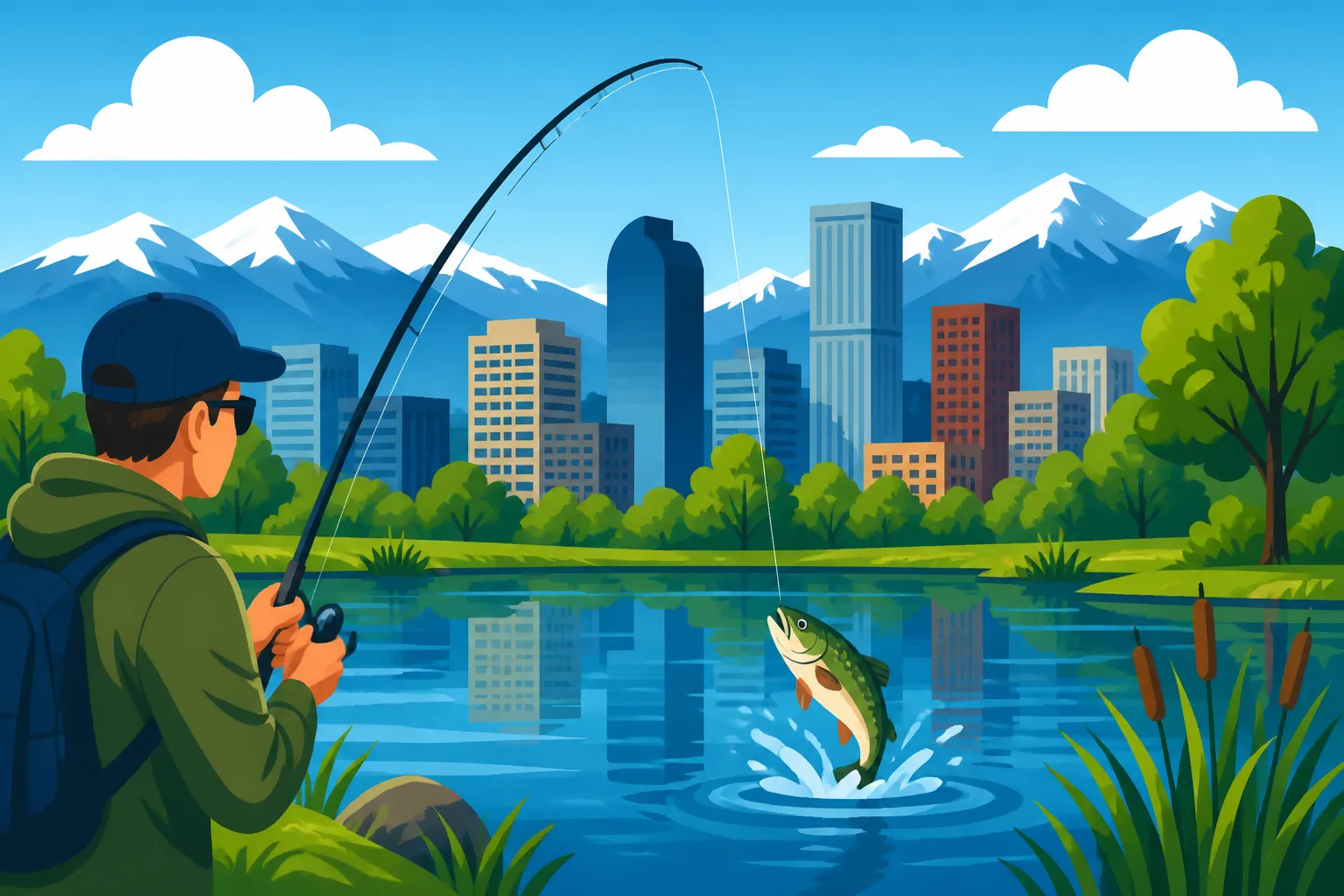
City Park Lake (Ferril Lake): Located in the heart of City Park with the Denver skyline and the Rocky Mountains as a backdrop, Ferril Lake is a beautiful and convenient option. While smaller than Sloan's Lake, it's regularly stocked with rainbow trout, particularly in the spring and fall. Beyond trout, anglers can also find channel catfish, bass, and panfish. The lake prohibits gas-powered boats, making it a calmer environment for fishing from shore or small electric boats, kayaks, or paddleboards. Its central location makes it incredibly accessible for many Denver residents, and it's a perfect spot for a quick fishing session before or after exploring the Denver Zoo or Denver Museum of Nature & Science nearby. Remember that this is a high-use urban park, so practice patience and share the space.
South Denver Gems: Washington Park and Harvard Gulch
Heading south, you'll find more fantastic urban fishing spots, each with its own charm.
Washington Park Lakes: Washington Park is home to two main lakes, Grasmere Lake and Smith Lake. Both are relatively small but offer excellent fishing for their size. Like many Denver urban ponds, they are frequently stocked with rainbow trout. Additionally, you can expect to find good populations of bluegill, sunfish, and small bass. These lakes are extremely popular with families due to the park's amenities, including playgrounds, walking paths, and paddleboat rentals. This makes them ideal spots for introducing children to fishing, as the smaller fish are often eager to bite. The lush surroundings and mature trees provide a pleasant, shaded environment, perfect for a relaxing afternoon. Keep an eye on local stocking reports to maximize your trout fishing opportunities here.
Harvard Gulch Reservoir: While not as widely known as the larger park lakes, Harvard Gulch Reservoir offers another quiet urban angling experience. It's a popular spot for those seeking trout stockings and is also home to catfish and panfish. Its slightly more secluded feel compared to the bustling larger parks can be a draw for anglers looking for a bit more peace. The reservoir is part of the CPW's Urban Fishing Program, meaning it receives regular attention to ensure good fishing opportunities for the community. Always check the specific regulations for this reservoir, as urban ponds can sometimes have unique rules.
North Denver Nooks: Berkeley Lake and Rocky Mountain Lake
Journeying to Denver's northern parts reveals more accessible fishing havens.
Berkeley Lake Park: Another sizable urban lake, Berkeley Lake offers diverse fishing opportunities. Anglers often pull out rainbow trout, especially after stockings, as well as bass, catfish, and panfish. The lake allows hand-launched boats like canoes and kayaks, providing additional access to different fishing grounds. The park features a recreation center, dog park, and ample green space, making it a community hub where fishing blends seamlessly with other activities. Its slightly elevated position can sometimes offer nice views of the foothills to the west, adding to the urban angling charm.
Rocky Mountain Lake Park: This smaller, charming lake offers a more intimate fishing experience in North Denver. It's a reliable spot for trout stockings and also holds populations of warmwater species like catfish and sunfish. Its relatively shallow nature can make it a good place to sight-fish for cruising trout or panfish on clear days. The park is a neighborhood favorite, providing a tranquil escape for local residents. The smaller size of Rocky Mountain Lake means it can be easier to cover more water from shore, making it suitable for quick trips where you want to maximize your chances of a bite.
Nearby But Feel Like City: Cherry Creek and Chatfield State Parks
While technically just outside Denver's strict city limits, Cherry Creek and Chatfield State Parks are so close and so popular with Denver residents that they are essential mentions when discussing urban-accessible fishing. They offer a much larger scale of fishing than the inner-city ponds, almost feeling like a mini-mountain getaway without the arduous drive.
Cherry Creek State Park: Located in southeast Denver, Cherry Creek Reservoir is a massive body of water offering an incredible variety of fishing. Here, you'll find not just trout but also walleye, bass (both largemouth and smallmouth), crappie, bluegill, catfish, and the hard-fighting wiper. Its extensive shoreline and boat ramps make it ideal for both bank anglers and those with boats. Because of its size and diverse fish population, it's a truly remarkable urban fishing destination. If you're targeting specific species, exploring topics like Fishing Cherry Creek Reservoir, Colorado's Daily Walleye Limit, or Best Time of Year to Target Walleye in Colorado, would be incredibly beneficial. Keep in mind that a Colorado State Parks Pass is required for entry in addition to your fishing license.
Chatfield State Park: Situated in southwest Denver, Chatfield Reservoir is another huge body of water that acts as a fantastic urban fishing hub. Like Cherry Creek, it's stocked with trout, but its real draw for many is its excellent populations of smallmouth bass, largemouth bass, walleye, channel catfish, and wiper. The reservoir is also known for its good crappie and bluegill fishing. With numerous coves, submerged structures, and varying depths, Chatfield offers endless opportunities for exploration. Many anglers consult resources like Fishing Chatfield Reservoir, especially for species like the hard-hitting wiper. As with Cherry Creek, a Colorado State Parks Pass is needed for park entry. The sheer scale of these reservoirs provides an experience closer to what you'd find in the high country, yet they're just a stone's throw from the metro area.
Here's a quick overview of some popular Denver urban fishing spots:
| Pond Name | Primary Species Stocked/Found | Best For | Key Features | State Park Pass Required? |
|---|---|---|---|---|
| Sloan's Lake Park | Trout, Bass, Catfish, Crappie, Wiper | Diverse Angling | Large, boat access (non-gas), city views | No |
| City Park Lake | Trout, Catfish, Panfish | Family Fishing, Quick Trips | Central location, scenic, no gas boats | No |
| Washington Park Lakes | Trout, Panfish, Small Bass | Beginner, Family | Quiet, scenic, good for kids | No |
| Berkeley Lake Park | Trout, Bass, Catfish, Panfish | Diverse Angling, Kayaks | Good size, hand-launched boat access | No |
| Rocky Mountain Lake Park | Trout, Catfish, Panfish | Quiet, Local Spot | Smaller, intimate feel | No |
| Cherry Creek State Park | Trout, Walleye, Bass, Wiper, Catfish | Multi-Species, Boating | Large reservoir, diverse species, full amenities | Yes |
| Chatfield State Park | Trout, Walleye, Bass, Wiper, Catfish | Multi-Species, Boating | Large reservoir, diverse species, full amenities | Yes |
Essential Rules and Responsible Practices for Urban Anglers
Fishing in any public water, especially within a city, comes with specific rules and a shared responsibility. Adhering to these guidelines ensures everyone can enjoy these valuable resources for years to come.
Licensing and Bag Limits: What You Need to Know
First and foremost, any angler aged 16 or older needs a valid Colorado fishing license. This is a non-negotiable requirement, whether you're fishing in a remote mountain stream or a small urban pond. You can easily purchase one online through the Colorado Parks and Wildlife website, or from numerous authorized retailers like Walmart, sporting goods stores, or even by phone. If you're a new angler, or just visiting, understanding the Colorado Fishing License Guide for Residents and Nonresidents, is your first step. For younger anglers, you might be asking, "Do Kids Need a Fishing License in Colorado?," and the answer is generally no for those 15 and under, but always good to confirm the latest regulations.
Beyond the license, it's crucial to understand daily bag and possession limits. These limits dictate how many fish of a certain species you can keep in a single day and how many you can have in your possession at any given time. While these rules can vary by water, CPW's general guidelines for urban waters are usually more conservative. For instance, many urban ponds have a daily bag limit of four trout. However, some special regulations might apply, so always consult the current Colorado Fishing Regulations brochure or the CPW website for the specific water you're fishing. Neglecting these rules can result in hefty fines and even loss of fishing privileges, so it's always better to be informed. You can find more specific details by checking out guides on Colorado Daily Bag Limits by Species.
Specific Pond Regulations: Barbless Hooks and Bait Restrictions
Many of Denver's urban ponds, especially those that are heavily stocked and managed as part of the CPW's Urban Fishing Program, have additional, often stricter, regulations. These can include:
- Artificial Flies and Lures Only: Some ponds, or certain sections of them, might be designated for artificial flies and lures only, or even require barbless hooks. This is usually done to promote catch-and-release and reduce harm to fish. Always look for signage around the pond and check the regulations.
- Bait Restrictions: While many urban ponds allow bait, some might restrict certain types, especially live minnows, to prevent the introduction of invasive species. Common baits like worms, PowerBait, or corn are usually fine, but confirm before you go.
- No Live Fish as Bait: It's almost universally prohibited to use live fish from one body of water as bait in another in Colorado to prevent the spread of diseases and invasive species.
These specific rules are in place to maintain the health of the fishery and ensure a quality experience for all. A quick check of the CPW website or the kiosk at the park entrance will usually clarify any special regulations. Remember, these ponds are often frequented by biologists and park rangers, so adherence to rules is regularly monitored. For broader context on state-level rules, a read of Colorado Fishing Regulations Every Angler Should Know, can be incredibly insightful.
Practicing Leave No Trace in the City
Urban fishing ponds are shared spaces, not just with other anglers, but with families picnicking, joggers, dog walkers, and wildlife. Practicing Leave No Trace principles is even more critical in these high-use areas:
- Pack it In, Pack it Out: Take all your trash with you, including discarded fishing line, bait containers, and food wrappers. Even biodegradable items should be packed out. Monofilament fishing line is especially harmful to wildlife.
- Respect Wildlife: Observe fish and other animals from a distance. Do not feed wildlife.
- Be Mindful of Others: Keep noise levels down, especially early mornings or late evenings. Avoid casting too close to other anglers or park users.
- Handle Fish with Care: If you're practicing catch-and-release, handle fish gently with wet hands, minimize their time out of water, and release them quickly. This ensures their survival and maintains healthy fish populations.
- Stay on Trails: Avoid trampling vegetation around the pond banks, which can lead to erosion and habitat degradation.
These simple courtesies go a long way in preserving the enjoyment and ecological integrity of Denver's urban fishing spots. A responsible angler is a respected angler, and by following these principles, you contribute to a positive experience for everyone who visits these precious urban oases.
Maximizing Your Catch in Denver's Urban Fisheries
While urban fishing offers convenience, success still hinges on understanding the environment and employing effective strategies. It's not just about showing up; it's about showing up prepared and smart.
Gear Up Smart: Tackle for City Waters
You don't need a boatload of specialized gear for Denver's urban ponds, which is another huge advantage. A simple, versatile setup will serve you well:
- Rod and Reel: A light to medium-light spinning rod, 5.5 to 7 feet long, paired with a small to medium spinning reel (sizes 1000-2500) spooled with 4-8 lb monofilament or braided line is perfect. This setup is sensitive enough for panfish but has enough backbone for a larger trout or bass.
- Terminal Tackle: Keep it simple. A selection of small hooks (sizes 8-12) for bait, a few split shot weights, and some small bobbers (slip or fixed) will cover most situations. For lures, small inline spinners (like Panther Martins or Mepps), spoons (Kastmasters), and soft plastic grubs or worms on jig heads (1/16 to 1/8 oz) are very effective for trout, bass, and panfish.
- Bait: PowerBait (trout dough or nuggets), corn, and worms are consistently successful for trout and panfish. For catfish and bass, cut bait (hot dogs, chicken livers), stink baits, or larger plastic worms and crankbaits will work wonders.
- Essentials: Don't forget a small pair of pliers or a hemostat for hook removal, a small net to land fish safely, and a stringer or cooler if you plan to keep your catch. A small tackle box that fits in a backpack is ideal for portability.
For those interested in exploring different techniques and ensuring they have the right bait and lures for various seasons, looking into articles on Colorado Fishing Seasons Month by Month, can provide excellent guidance, helping you adapt your tackle to what the fish are biting.
Timing is Everything: Best Hours and Seasons
Just like in larger, wilder waters, the time of day and year play a significant role in your urban fishing success.
- Early Mornings and Late Evenings: These are almost universally the best times to fish urban ponds. The water is cooler, especially in summer, and fish are often more active and less spooky due to lower foot traffic. Predatory fish like bass and catfish often feed aggressively during these low-light conditions.
- Overcast Days: A cloudy day can extend productive fishing hours, as it reduces direct sunlight on the water, making fish feel more comfortable moving and feeding.
- Spring and Fall: These are prime seasons for trout fishing in Denver's urban ponds. CPW does most of its trout stocking during the cooler months, meaning fresh, active fish are readily available. Water temperatures are ideal, and fish are often eager to feed.
- Summer: While trout fishing slows down in the heat, summer is excellent for warmwater species like bass, catfish, and panfish. Target them in the cooler parts of the day or find deeper, shadier areas.
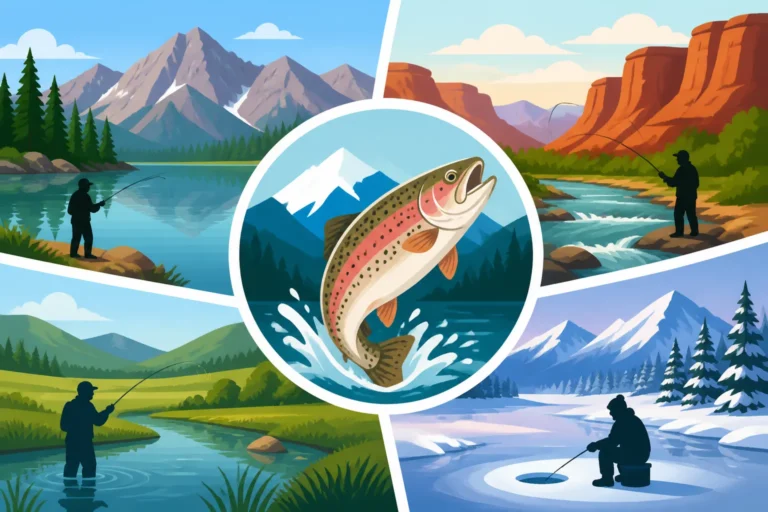
- Winter: Don't discount winter! Many urban ponds can offer decent ice fishing opportunities once the ice is thick enough (generally 4 inches of clear, solid ice is the minimum safe thickness). Ice fishing for trout and perch can be surprisingly productive.
Staying informed about local conditions can be invaluable. Websites like FishingBooker offer local reports and guide services that can provide real-time insights into what's biting and where, even in urban settings. Even if you're just looking for a casual trip, knowing the general trends can greatly improve your chances.
Staying Safe and Courteous on Crowded Shores
Urban fishing is a social activity, by its very nature. Many of Denver's ponds are popular with families and local residents, so a little extra consideration goes a long way.
- Share the Space: If a spot is occupied, move on to another. Don't cast too close to other anglers, especially if they're with children.
- Be Aware of Your Surroundings: Watch out for joggers, cyclists, and dog walkers behind you, especially when casting. A stray hook can ruin someone's day.
- Mind Your Backcast: If you're fly fishing, ensure you have plenty of clear space behind you.
- Keep It Clean: We touched on Leave No Trace, but it bears repeating: litter is unsightly and harmful. Use trash cans or take everything with you.
- Respect Park Rules: Pay attention to signs regarding park hours, restricted areas, or specific activities.
- Personal Safety: While Denver's parks are generally safe, it's always wise to fish with a buddy, especially during early morning or late evening hours. Be aware of your surroundings, and secure your belongings.
By following these guidelines, you're not just ensuring your own enjoyment but contributing to a positive, respectful atmosphere for everyone who enjoys Denver's wonderful urban green spaces. These small efforts make a big difference in maintaining the quality of these accessible fishing havens. If you ever want to expand your fishing horizons beyond the city and need more guidance, FishingBooker can also connect you with experienced guides who can show you the ropes on Colorado's larger reservoirs or rivers, offering insights that build on your urban angling skills.
Disclaimer
Please remember that fishing regulations, stocking schedules, and park rules can change. Always check the current Colorado Parks and Wildlife (CPW) regulations brochure and any specific signage at the fishing location before you cast your line. This guide provides general information and should not be considered an exhaustive or definitive source for all regulations. Safety is paramount, especially when fishing near water; be aware of your surroundings and exercise caution.