Fishing Lakes Inside Rocky Mountain National Park
One of the most common frustrations for anglers visiting Colorado, especially those new to the state, is figuring out where they can actually cast a line within the iconic Rocky Mountain National Park. With its stunning alpine scenery and pristine waters, it’s a natural magnet for anyone dreaming of catching a wild trout. This guide will walk you through everything you need to know about fishing the beautiful lakes scattered throughout Rocky Mountain National Park, from the necessary permits and regulations to identifying the species you might encounter and the best ways to approach these unique high-altitude fisheries.
Understanding Rocky Mountain National Park Fishing Regulations
Fishing in Rocky Mountain National Park isn't quite the same as fishing in other parts of Colorado. While you absolutely need a valid Colorado fishing license to fish anywhere in the park, the National Park Service (NPS) layer on their own set of rules, which can sometimes feel a bit overwhelming to decipher. It’s crucial to understand these park-specific regulations because they often differ from statewide rules and are designed to protect the park's delicate ecosystems and native fish populations, particularly the endangered Greenback Cutthroat Trout.
Colorado Fishing License Requirements within the Park
First things first: you must have a current Colorado fishing license. There’s no special "National Park" license; your standard state license covers you. Whether you're a long-time Colorado resident or visiting from out-of-state, make sure your license is purchased and valid before you even think about packing your rod. You can find comprehensive details on obtaining one in our guide, Colorado Fishing License Guide for Residents and Nonresidents. These licenses are easy to purchase online through the Colorado Parks and Wildlife (CPW) website or from various authorized retailers across the state. Remember, park rangers will check for licenses, and fishing without one can lead to hefty fines, spoiling an otherwise incredible trip.
Park-Specific Rules and Restrictions
Beyond the state license, Rocky Mountain National Park has distinct fishing regulations that anglers need to be intimately familiar with. These are primarily outlined in the park's specific fishing brochure, which you can usually pick up at visitor centers or find on the NPS website. Unlike general Colorado waters, bait is generally restricted or outright prohibited in many RMNP lakes and streams, especially in areas managed for native trout recovery. You’ll often find "artificial flies and lures only" rules, and some waters may even mandate the use of barbless hooks to minimize harm to fish, particularly for catch-and-release efforts.
For example, many of the park's high-alpine lakes are managed as catch-and-release for native cutthroat trout, meaning you must immediately release any Greenback Cutthroat or Colorado River Cutthroat you catch unharmed. However, non-native species like Brook Trout or Rainbow Trout found in some waters often have more liberal possession limits, or sometimes even unlimited harvest, to help native fish populations thrive. It’s a delicate balance, and the park relies on anglers to know and follow these rules diligently. Always consult the most current RMNP fishing regulations before heading out, as they can change annually.
Key Fishing Lakes Within Rocky Mountain National Park
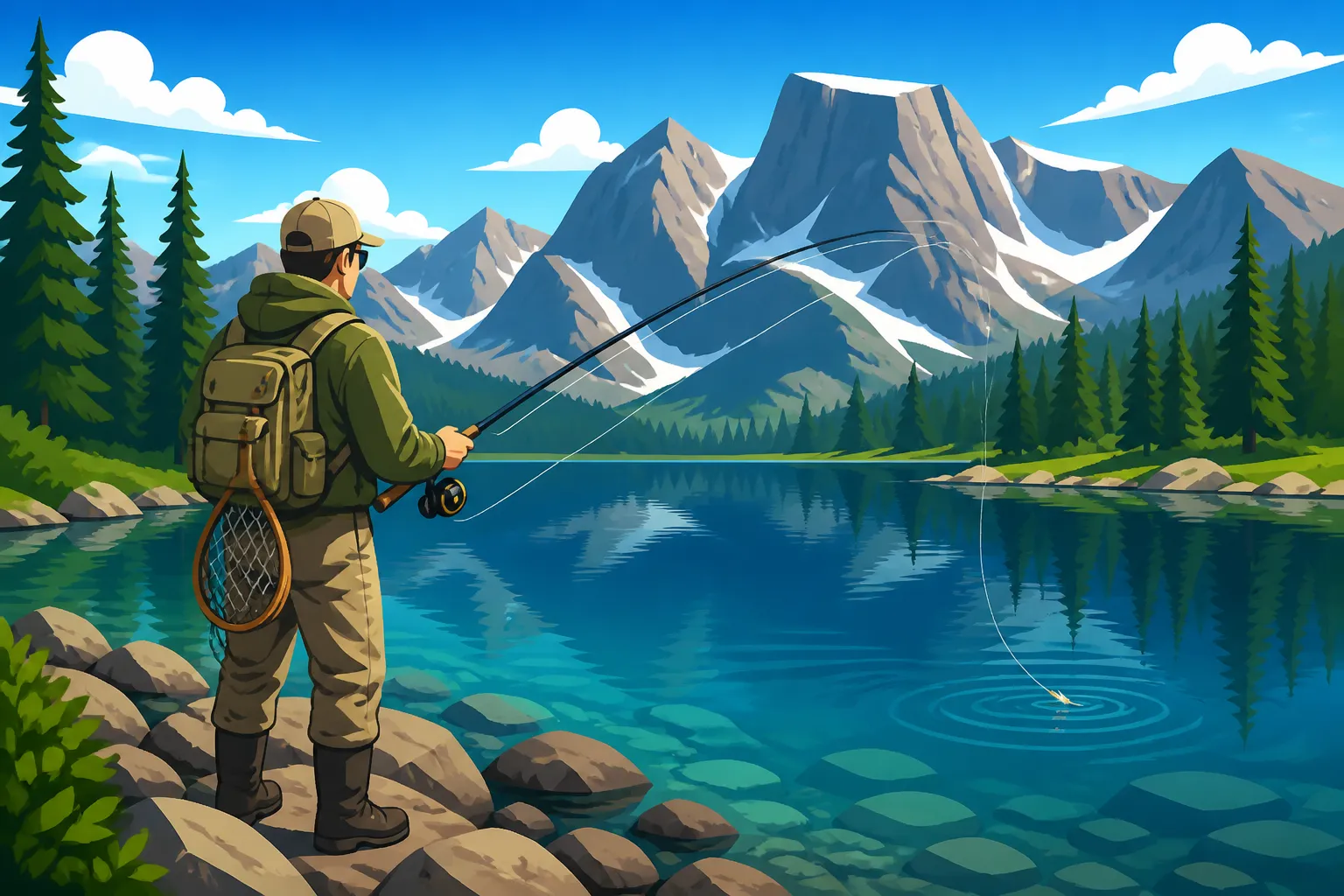
Rocky Mountain National Park is home to over 150 lakes and 450 miles of streams, but only a fraction are easily accessible for fishing, and even fewer are known for truly productive angling. The park's lakes are primarily high-alpine, formed by glaciers, and offer stunning backdrops for your fishing adventures. Access varies wildly, from short, paved walks to strenuous, multi-mile hikes up steep terrain.
Accessible Lakes for a Quick Trip
If you're looking for a relatively easy fishing experience, especially if you have family in tow or are just getting acclimated to the altitude, some lakes offer quicker access.
- Bear Lake: This iconic lake is one of the most popular destinations in RMNP, accessible via a paved road and shuttle bus during peak season. While it's more known for its scenic loop trail, Bear Lake does hold fish, primarily Brook Trout, and sometimes even Greenback Cutthroat. The easy access makes it a good spot for a quick cast, but don't expect solitude, especially in summer. It's often catch-and-release for native species here.
- Sprague Lake: Another easily accessible spot, Sprague Lake offers a flat, ADA-accessible loop trail around its perimeter, making it perfect for families. It's stocked with Rainbow Trout by the CPW, making it a reliable spot for beginners or those seeking a higher chance of success. Like Bear Lake, it's popular, so consider early mornings or late evenings for a more peaceful experience.
- Shepherd Creek and Big Thompson River (lower sections): While not lakes, the lower stretches of these rivers, accessible near the park's eastern entrance, offer opportunities for Brown and Rainbow Trout without requiring extensive hiking. These areas are often overlooked by those heading to the high country.
High-Country Lakes for the Adventurous Angler
For those willing to lace up their hiking boots and commit to a longer trek, RMNP's high-country lakes offer unparalleled beauty and often, excellent fishing for wild trout. These lakes are typically above 9,000 feet and sometimes even exceed 11,000 feet. Understanding How Altitude Affects Fishing at Colorado's High Lakes is crucial for success and safety.
- Emerald Lake and Dream Lake: These stunning lakes are reached via a popular but moderately challenging hike from the Bear Lake trailhead. Dream Lake, often fished with small dry flies, holds Brook Trout, while Emerald Lake offers a chance at native Greenback Cutthroat (catch-and-release only). The scenery alone is worth the effort, and the fishing can be rewarding for those who practice stealth and patience.
- Fern Lake and Odessa Lake: These lakes are part of a longer, more strenuous hike, often accessed from the Fern Lake trailhead. They are known for holding a mix of Brook Trout and potentially some native Cutthroat, especially in the surrounding streams. The longer hike means fewer crowds, increasing your chances for a more serene fishing experience.
- Lake Haiyaha: Accessible via a hike from Bear Lake, this incredibly scenic lake (known for its turquoise water) holds Greenback Cutthroat Trout. It’s strictly catch-and-release for these native beauties, making it a prime destination for conservation-minded fly anglers.
- Sky Pond: One of the most challenging but rewarding hikes in the park, the journey to Sky Pond takes you past multiple waterfalls and ends at a breathtaking alpine lake. This pristine water is home to Greenback Cutthroat Trout, offering a truly wild angling experience for those who make the arduous climb. Remember, fishing here is strictly catch-and-release for the native trout.
Here’s a quick overview of some popular fishing lakes in Rocky Mountain National Park:
| Lake Name | Access Difficulty | Primary Access Point | Dominant Fish Species | Key Regulations |
|---|---|---|---|---|
| Bear Lake | Easy | Bear Lake Trailhead | Brook Trout, Greenback Cutthroat | Mixed, often C&R for natives |
| Sprague Lake | Easy | Sprague Lake Trailhead | Rainbow Trout | Stocked, more liberal limits |
| Dream Lake | Moderate Hike | Bear Lake Trailhead | Brook Trout, Greenback Cutthroat | Mixed, C&R for natives |
| Emerald Lake | Moderate Hike | Bear Lake Trailhead | Brook Trout, Greenback Cutthroat | C&R for natives |
| Fern Lake | Strenuous Hike | Fern Lake Trailhead | Brook Trout, Cutthroat | Mixed, C&R for natives |
| Odessa Lake | Strenuous Hike | Fern Lake Trailhead | Brook Trout, Cutthroat | Mixed, C&R for natives |
| Lake Haiyaha | Strenuous Hike | Bear Lake Trailhead | Greenback Cutthroat Trout | C&R for natives |
| Sky Pond | Strenuous Hike | Glacier Gorge Trailhead | Greenback Cutthroat Trout | C&R for natives |
Species You'll Find in RMNP's High-Country Lakes
The fish species in Rocky Mountain National Park are a fascinating mix of native and introduced populations. The park is a critical area for the recovery of the Greenback Cutthroat Trout, Colorado's state fish, which was once thought extinct in its pure form. Understanding what you might catch is important, not just for the thrill of identification but also for adhering to specific catch-and-release rules designed to protect these precious native fish. For a broader understanding of various trout, check out Colorado's Trout Species, A Field Guide.
Native Cutthroat Trout
The stars of RMNP's high-country fishing scene are the native cutthroat trout. Historically, two subspecies called these waters home: the Greenback Cutthroat Trout on the eastern slope and the Colorado River Cutthroat Trout on the western slope. Today, dedicated efforts are underway to restore these fish to their native ranges. When you catch a cutthroat in RMNP, particularly in designated recovery waters, it's often a rare and special experience.
- Greenback Cutthroat Trout: Found primarily in the eastern part of the park, these fish are identified by their vibrant red slashes under the jaw and often a greenish-gold hue along their sides. They are critical to the park's conservation efforts, and many of the lakes where they've been reintroduced are managed as catch-and-release only. Handling these fish with extreme care is paramount to their survival. Learn more about their journey in Greenback Cutthroat Trout Recovery in Colorado.
- Colorado River Cutthroat Trout: On the western side of the Continental Divide, you might encounter the Colorado River Cutthroat Trout. While similar in appearance, their genetic lineage places them in the waters flowing toward the Pacific. Like their eastern counterparts, these fish are also a conservation priority.
Introduced Trout Species
While native trout are the focus for conservation, other trout species have been introduced to RMNP over the years, either through historical stocking or natural migration.
- Brook Trout: These beautiful, small trout with distinctive worm-like markings (vermiculations) on their backs and red spots are prolific in many of RMNP's high-country lakes and streams. They are not native to Colorado and often outcompete native cutthroat for resources. As such, many areas have liberal or even unlimited harvest limits for Brook Trout to help manage their populations and give native species a better chance. For more on these resilient fish, refer to Brook Trout in Colorado's High Country.
- Rainbow Trout: Found in some of the more accessible, lower-elevation lakes like Sprague Lake, Rainbow Trout are a popular stocking choice due to their hardiness and willingness to bite. They offer a fun experience for anglers, especially families, but are not found in the most remote, pristine alpine waters dedicated to native species.
- Brown Trout: While less common in the highest alpine lakes of RMNP, Brown Trout can be found in some of the larger streams and lower elevation lakes, particularly near the park boundaries. They are known for their beautiful spots and often larger size.
Tips for a Successful RMNP Lake Fishing Trip
Fishing in Rocky Mountain National Park is an experience that combines hiking, solitude, and the challenge of high-altitude angling. To make the most of your trip, some preparation and local knowledge will go a long way.
Essential Gear and Preparedness
Due to the often rugged terrain and unpredictable alpine weather, packing the right gear is non-negotiable.
- Lightweight Tackle: For the vast majority of RMNP's high-country lakes, light spinning gear or a 3- to 5-weight fly rod is ideal. The fish aren't usually massive, and lighter gear makes for more enjoyable fights. For fly anglers, a dry-dropper rig or small nymph patterns (e.g., small pheasant tails, hares ears, midges) are often effective. Always bring a variety of small flies or lures, as the hatch can be subtle or non-existent, and conditions change quickly.
- Hiking Essentials: Remember, many of these lakes require significant hiking. Comfortable, broken-in hiking boots, layers of clothing (weather can change from sunny and warm to hail and snow in minutes), rain gear, plenty of water, high-energy snacks, a map, compass or GPS, and bear spray are all crucial. Cell service is unreliable, so don't depend on your phone for navigation or emergencies.
- Catch and Release Tools: If you're targeting native cutthroat, a small, soft-mesh landing net is invaluable for quickly and safely landing fish. Forceps or hemostats are essential for removing hooks, and barbless hooks will make the release even gentler. Wet your hands before handling fish to protect their delicate slime coat.
Timing Your Visit
The fishing season for high-country lakes in RMNP is relatively short.
- Late Spring/Early Summer (June-July): This is When Alpine Lakes Above 11,000 Feet Thaw Out and become accessible. Early season fishing can be fantastic as trout are often hungry after ice-out, but trails might still have snow, and stream crossings can be high. Be prepared for colder weather.
- Mid-Summer (July-August): This is peak season for hiking and fishing. The weather is generally more stable, and all but the highest trails are clear. Expect more crowds, especially on popular trails to lakes like Emerald or Dream. This is often the best time for dry fly fishing as insects become more active.
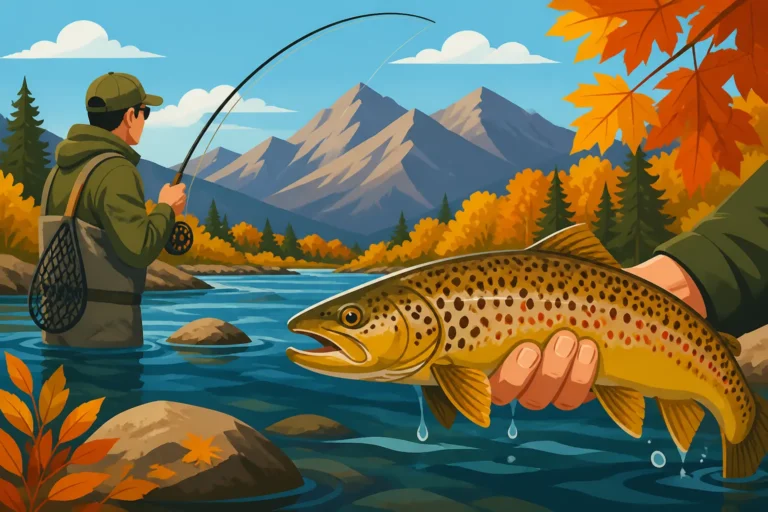
- Fall (September-October): As temperatures drop and aspens turn gold, crowds thin out, and the fishing can be superb, especially for larger brown trout in lower elevations as they begin to spawn. Be ready for colder conditions and potential early snow. The park's beauty during this time is unparalleled.
Respecting the Park and Fellow Anglers
Rocky Mountain National Park is a shared resource, and practicing good etiquette is key to preserving its beauty and ensuring enjoyable experiences for everyone.
- Leave No Trace: Pack out everything you pack in. This includes all trash, fishing line, and any other waste. Stay on marked trails to protect fragile alpine vegetation.
- Be Mindful of Wildlife: You are in prime wildlife habitat. Give animals plenty of space, never feed them, and store food properly to prevent attracting bears and other animals.
- Share the Trail and Water: Many trails lead to scenic viewpoints as well as fishing spots. Be courteous to hikers, photographers, and other anglers. If a spot is occupied, find another. Solitude is part of the RMNP experience, but sometimes you have to earn it.
- Consider a Guide: If navigating the park's regulations and finding productive waters feels daunting, consider hiring a local guide who specializes in RMNP (or nearby similar high-country fisheries). While specific guides cannot operate within the National Park without special permits, many can help you plan your trip, understand the rules, and suggest productive areas just outside the park boundaries. Resources like FishingBooker can help you connect with experienced guides across Colorado. They can provide valuable insights into Hiring a Fishing Guide in Colorado, What to Expect.
Fishing in Rocky Mountain National Park is more than just catching fish; it's about immersing yourself in some of the most spectacular mountain scenery on Earth. With a little preparation and respect for the environment, you can have an unforgettable angling adventure.
Disclaimer
The information provided in this guide is for general informational purposes only and is subject to change. Anglers are responsible for consulting the most current Colorado Parks and Wildlife regulations and specific Rocky Mountain National Park regulations before engaging in any fishing activities. Always prioritize safety and environmental stewardship.