How Crowded Cheesman Canyon Gets on Weekends
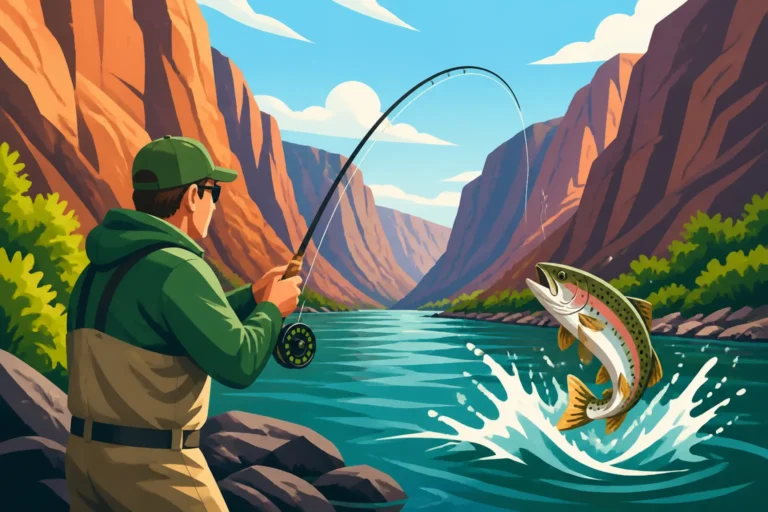
Ah, Cheesman Canyon. Just the name conjures images of pristine water, towering rock formations, and some of the most challenging, yet rewarding, trout fishing in Colorado. It's truly a bucket-list destination for many anglers, but let's be honest, the dream of solitude with trophy trout can quickly turn into a frustrating reality check when you arrive on a weekend. If you've ever wondered just how packed this iconic stretch of the South Platte River can get, you're not alone. This guide will dive deep into the weekend warrior phenomenon at Cheesman Canyon, managing your expectations, and offering strategies to still find that elusive peace and epic fishing.
The Unavoidable Truth: Why Cheesman Canyon Draws the Crowds
There’s a reason Cheesman Canyon isn’t a secret little hideaway, especially on the weekends. Its reputation precedes it, drawing anglers from all corners of Colorado and beyond. Understanding why it gets so busy is the first step to strategizing your visit or managing your expectations.
Gold Medal Status and Reputation
Cheesman Canyon isn't just a pretty place; it's officially designated as Gold Medal Water by Colorado Parks and Wildlife (CPW). This isn't just a fancy title; it means this stretch consistently supports a significant population of large trout (at least 60 pounds per acre) and a good percentage of trophy-sized fish (at least twelve 14-inch or larger trout per acre). For anglers, this designation is a siren song, promising the chance at truly remarkable brown and rainbow trout.
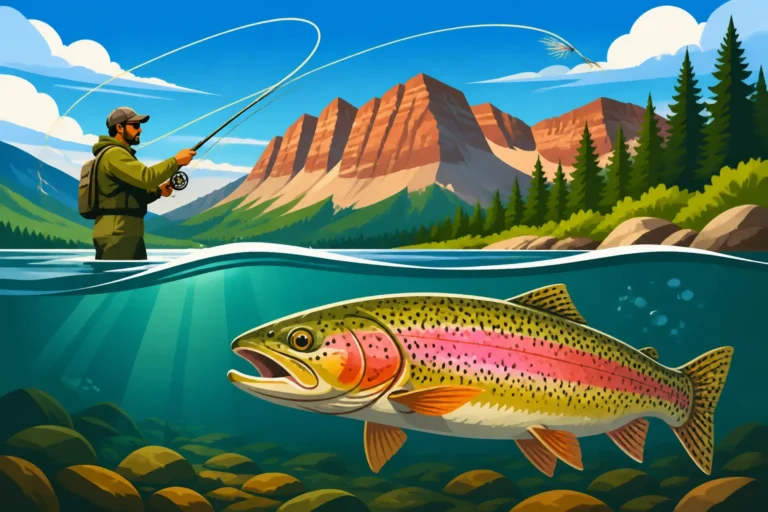
The fish here are wild, often large, and incredibly challenging to catch, demanding precision casting, perfect drifts, and a keen understanding of their behavior. This challenge, combined with the potential for a personal best, makes it an irresistible draw. The sheer numbers of big, healthy fish are a testament to the river's health and the rigorous catch-and-release regulations in place. Anglers hear the whispers of 20-inch browns and finicky, native-strain rainbows, and they simply have to experience it for themselves. It’s this allure of exceptional quality that ensures a steady stream of visitors, especially when people have time off.
Accessibility and Proximity to Urban Centers
Another significant factor contributing to weekend crowds is Cheesman Canyon's relatively convenient location. While it feels remote once you're hiking into the canyon, it’s remarkably close to Colorado's largest population centers. Denver and Colorado Springs are both within a reasonable driving distance, making it a prime day-trip or quick weekend getaway destination. Many anglers can leave home early in the morning, be on the water by sunrise, and be back in their own beds by nightfall.
This accessibility, while a blessing for many, also contributes to its popularity. Unlike some of Colorado's more distant, high-country fishing spots that require multi-hour drives or even overnight stays, Cheesman is a practical option for a dedicated Saturday or Sunday outing. The drive down Highway 67, though winding, is scenic and well-maintained, further enhancing its appeal for those not looking for a backcountry expedition but still craving a wild trout experience.
Limited Public Access and Concentrated Fishing
The very geography of Cheesman Canyon, while stunning, also funnels anglers into relatively confined areas. Public access to this section of the South Platte River is primarily through the Cheesman Canyon Trailhead, requiring a hike in. This trail, while beautiful, concentrates foot traffic and, by extension, fishing pressure along the river. The canyon walls rise steeply on either side, meaning there aren't many alternative routes or widely dispersed entry points once you're in.
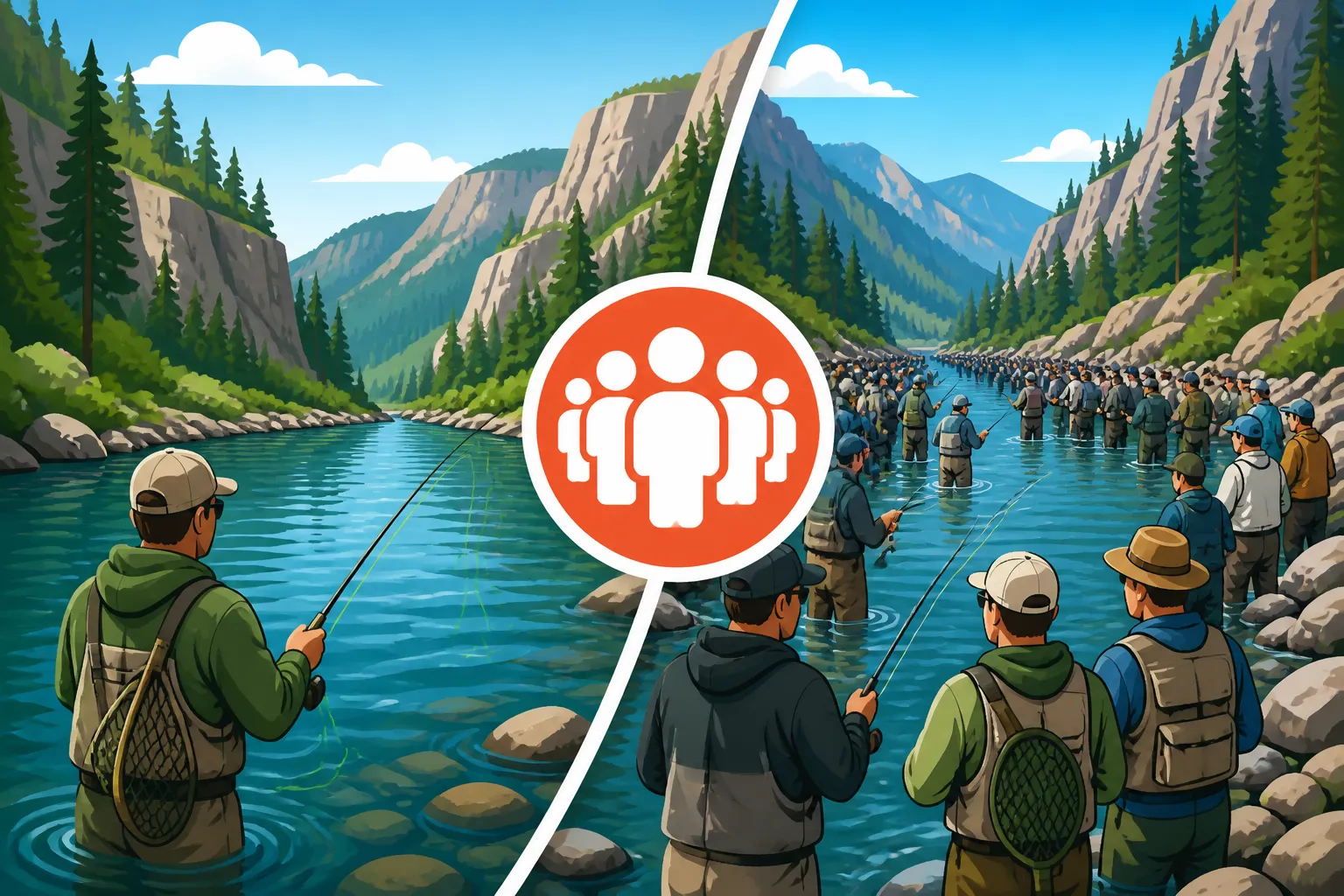
Anglers typically follow the main trail, fanning out into prime runs, pools, and riffles that are easily reachable. This can lead to a phenomenon often dubbed "combat fishing" on peak days, where finding a truly secluded spot becomes a genuine challenge. While there are certainly stretches that require more strenuous hiking or scrambling over boulders, most anglers tend to stick to the more accessible and well-known sections, exacerbating the feeling of congestion. For those looking for more remote experiences, understanding How to Access Cheesman Canyon Without a Long Hike can be useful, though even those methods can see pressure.
What to Expect on a Weekend in Cheesman Canyon
So, you've decided to brave the weekend crowds at Cheesman Canyon. What's it really like? It's important to set realistic expectations to avoid disappointment and ensure you still have an enjoyable, albeit potentially less solitary, day on the water.
The Early Bird Gets the Worm (or the Water)
When planning a weekend trip to Cheesman, "early" doesn't just mean getting there by 8 AM; it means pre-dawn. On a Saturday or Sunday, the parking lot at the Cheesman Canyon Trailhead can start filling up well before the sun even thinks about rising. Dedicated anglers, knowing the competition for prime spots, will often arrive as early as 4 or 5 AM, headlamps blazing, to secure a parking spot and get a head start on the hike down to the river.
By mid-morning, especially on a beautiful spring or fall day, finding a parking space can become a significant challenge, sometimes requiring you to park a considerable distance away and add even more hiking to your day. This early arrival strategy is less about the fish biting better at dawn (though that's often true) and more about claiming a stretch of river before someone else does. If you arrive any later than mid-morning, be prepared for a long walk and potentially all the best spots already occupied.
Navigating the Crowds on the River
Once you've made it down to the river, the reality of weekend fishing sets in. You will likely see other anglers. Lots of them. Expect to see multiple groups spread out along the popular runs and pools. While most anglers are respectful and understand river etiquette, it's not uncommon to find yourself within sight or even earshot of several other parties. This necessitates a degree of patience and a willingness to share the water.
This means being mindful of your casting space, avoiding wading directly through productive water if someone is fishing it upstream or downstream, and giving fellow anglers ample room. Sometimes, it feels less like a tranquil escape and more like a shared experience on a popular trail that happens to have incredible fishing. You might even find yourself waiting for a group to move on before you can access a highly desired spot. For those new to these conditions, reviewing Colorado Fishing Regulations Every Angler Should Know can help ensure a respectful experience for all.
Impact on Fishing Success and Experience
The sheer number of anglers undoubtedly impacts the fishing itself. Trout in heavily pressured waters like Cheesman Canyon become notoriously wary and selective. They’ve seen every fly, felt every line, and heard countless footsteps on the bank. This means successful fishing often requires more finesse, longer leaders, smaller flies, and perfect drifts. What might work easily on a less-pressured stream might not get a second look from a Cheesman brown.
For beginners or those looking for an easy day, the pressure can be frustrating. You might walk past several anglers, only to find them all struggling to get bites. This isn't to say fishing isn't possible or rewarding; it simply means the challenge is amplified, requiring top-notch nymphing techniques for Colorado tailwaters or incredibly subtle dry fly presentations. While landing a Cheesman trout is a true accomplishment, the overall experience can be less about serene contemplation and more about a focused, technical pursuit amidst company.
Strategies for a More Serene Cheesman Canyon Experience
Just because Cheesman Canyon can be crowded doesn't mean you can't find moments of peace or improve your chances of a memorable fishing trip. With a bit of strategic planning, you can significantly enhance your experience.
Midweek Missions: The Ultimate Escape
If your schedule allows, the single most effective strategy to avoid crowds at Cheesman Canyon is to visit on a weekday. The difference between a Saturday and a Tuesday can be absolutely staggering. On a Tuesday morning, you might find only a handful of cars in the parking lot, and once you're on the river, long stretches of prime water might be entirely yours. The fish, having seen less pressure, often become more cooperative, and the true tranquility of the canyon shines through.
Imagine having a deep, clear pool all to yourself, with nothing but the sound of the rushing South Platte and the chirping of birds. This is the reality of a weekday trip to Cheesman. The stress of finding parking, jockeying for position, and dealing with other anglers simply melts away. If you have the flexibility, prioritize a midweek visit; it's genuinely a game-changer for this specific location.
Off-Season Adventures: Embracing the Elements
Another excellent way to reduce crowd density is to fish Cheesman Canyon during the "off-season." While popular from spring through fall, the canyon sees significantly less pressure during the colder months, especially in winter. Of course, this comes with its own set of challenges: colder temperatures, icy trails, and potentially slushy water conditions. However, for those prepared to embrace the elements, the reward can be solitude and some incredible winter fishing opportunities.
Winter fishing on Colorado's tailwaters can be surprisingly productive, as the stable water temperatures released from the bottom of Cheesman Reservoir keep the trout active. You'll need appropriate gear, including warm layers, waders, and traction for icy paths, but the chance to have this iconic canyon largely to yourself is a powerful motivator. Similarly, early spring (before runoff truly hits) and late fall (after the leaves drop but before heavy snow) can offer a sweet spot of fewer crowds and still pleasant, if crisp, conditions. These periods often align with key hatches, like the prolific Blue-Winged Olives, which can provide excellent dry fly action.
Exploring Lesser-Known Access Points or Distant Reaches
While the main trailhead is the primary access, don't be afraid to put in some extra legwork. The further you hike into or out of the canyon from the main entry points, the fewer people you're likely to encounter. Many anglers tend to stick to the sections closest to the trailhead, so pushing past those initial popular stretches can often lead to more secluded water.
This might mean adding an extra mile or two to your hike, navigating some rougher terrain, or even exploring alternative, less-marked paths (always being mindful of private property boundaries). The reward for this effort is often a noticeable drop-off in angler numbers. Just remember to carry plenty of water, snacks, and be prepared for a longer day on the trail. Sometimes, the most beautiful and untouched pockets of the canyon are reserved for those willing to venture a little further.
Consider Alternative Gold Medal Waters
If the idea of crowds, even on a weekday, still feels like too much, or if your schedule only permits weekend outings, consider exploring other Gold Medal Waters in Colorado. While Cheesman is fantastic, it's just one of many incredible fisheries. Other rivers offer similar quality fishing with varying levels of pressure and accessibility.
For instance, sections of the Fryingpan River below Ruedi Reservoir, the Taylor River near Almont, or even parts of the Arkansas River can offer exceptional trout fishing. Each of these rivers has its own character, regulations (always check Colorado Gold Medal Water Regulations Explained), and crowd dynamics. While some, like the "Toilet Bowl" on the Fryingpan, can also get busy, many stretches offer more room to spread out, especially if you're willing to explore. Researching Colorado's Best Fishing Spots by Region can help you discover a less-pressured gem.
Beyond Cheesman: Expanding Your Colorado Fishing Horizons
While Cheesman Canyon is iconic, Colorado is a vast state brimming with diverse and spectacular fishing opportunities. Don't let the crowds at one spot deter you from exploring everything else the state has to offer.
Discovering Other South Platte River Opportunities
The South Platte River doesn't begin and end at Cheesman Canyon. Downstream, and even upstream of Cheesman Reservoir, there are other fantastic sections that offer different experiences. The renowned "Dream Stream" between Spinney Mountain Reservoir and Eleven Mile Reservoir is another Gold Medal stretch that is incredibly popular, especially for its fall brown trout run and spring rainbow spawn. While it can also get busy, its open, meadow-like setting allows for more space than the tight canyon. For more information, check out Fishing the Dream Stream and Cheesman Canyon on Colorado's South Platte.
Further downstream, near the Deckers area, the South Platte offers miles of accessible public water, still with good numbers of wild trout. While popular, especially in certain access points, the sheer length of the river in this section means anglers can often find more room to spread out. The fishing here is still technical but can be very rewarding, especially for those who enjoy sight-fishing for wary browns and rainbows. Each section has its own charm and challenges, making it worth exploring beyond just the canyon.
Exploring Diverse Colorado Waters
Colorado's fishing landscape is incredibly varied, extending far beyond the cold, clear tailwaters famous for trout. If you’re looking to truly escape the crowds, consider branching out to different types of fisheries or targeting different species. High-country lakes, often requiring a hike, can offer solitude and spectacular views alongside native cutthroat trout. These pristine waters are a world away from the busy canyon, and while the fish might not be as large, the experience of fishing in alpine wilderness is unparalleled.
For a completely different experience, explore Colorado's warmwater reservoirs, particularly on the Front Range and Eastern Plains. These lakes hold a variety of species, including walleye, smallmouth and largemouth bass, channel catfish, and northern pike. Places like Cherry Creek Reservoir near Denver or Pueblo Reservoir in Southern Colorado offer excellent opportunities for these species. The techniques are different (think spin fishing or bait fishing instead of delicate nymphing), and the crowds often disperse more easily on large bodies of water, or focus on boating rather than wading. When planning these diverse trips, you might consider using resources like FishingBooker to scout out different locations or find specialized guides for these varied fisheries.
Hiring a Local Guide for a Unique Perspective
If you're truly aiming for an exceptional and less-crowded fishing experience, especially if you're visiting from out of state or are new to Colorado, consider hiring a local fishing guide. Guides are invaluable resources. They know the rivers intimately – not just where the fish are, but also where the crowds aren't. A good guide can take you to lesser-known access points, private water, or guide you during times when the pressure is historically lower.
They're also fantastic teachers, helping you refine your techniques for Colorado's often finicky trout. They'll know the current hatches, the best flies, and how to read the water effectively. While an investment, a guided trip often pays off in terms of both fishing success and a more enjoyable, less stressful day on the water. Platforms like FishingBooker are excellent for finding reputable local guides across Colorado, allowing you to filter by species, location, and even whether they cater to beginners or specific techniques. This can be particularly beneficial for navigating complex regulations or finding those truly secluded spots that only a local expert would know. For a comprehensive overview, review Hiring a Fishing Guide in Colorado, What to Expect.
| Feature / Scenario | Cheesman Canyon (Weekend) | Cheesman Canyon (Weekday) | Alternative Gold Medal Water (e.g., Fryingpan) |
|---|---|---|---|
| Crowd Level | High; often very crowded, "combat fishing" | Low to moderate; significant reduction in anglers | Moderate; popular but often more room |
| Parking Difficulty | Very High; must arrive pre-dawn for a spot | Low to moderate; easier to find parking | Moderate; varies by access point |
| Fishing Pressure | Intense; fish are extremely wary and selective | Moderate; fish can be more cooperative | Moderate to High; varies by section |
| Solitude Potential | Very Low; constant sight of other anglers | High; long stretches of river can be yours | Moderate; possible to find seclusion |
| Best Strategy | Arrive pre-dawn, hike far, advanced techniques | Go any day Monday-Thursday | Research specific access points, explore |
| Overall Experience | Challenging, potentially frustrating, but rewarding when fish are landed | Tranquil, focused, highly rewarding | Excellent quality fishing, varied scenery |
Disclaimer
Fishing conditions and regulations in Colorado can change frequently due to weather, water levels, and management decisions by Colorado Parks and Wildlife. Always check the most current regulations and conditions before heading out, as information can be updated seasonally or in response to environmental factors. Your safety is paramount, especially when navigating challenging terrain or adverse weather.