Dry Fly Season on Colorado’s Freestones
There’s nothing quite like it, is there? That feeling of anticipation, waiting for the high, muddy waters of spring runoff to finally recede, knowing that soon, very soon, the dry fly season on Colorado’s freestone rivers will burst into life. For many of us, it’s the purest form of fly fishing – the visual thrill of a trout rising to your perfectly presented imitation. But getting the timing right, understanding the nuances of these wild, untamed rivers, and knowing what to throw can feel like a secret code. This guide is here to demystify it all, helping you unlock the incredible rewards of dry fly fishing Colorado's freestone rivers.
What Makes Colorado's Freestone Rivers Prime for Dry Fly Fishing?
Colorado boasts an incredible diversity of fishing waters, but for many dry fly enthusiasts, it's the freestone rivers that truly capture the heart. Unlike the more stable tailwaters, which are controlled by dam releases, freestones are completely at the mercy of Mother Nature – fed by snowmelt and rainfall, their flows fluctuate dramatically throughout the year. This wildness is precisely what makes them so exhilarating, and at the same time, a bit challenging.
The Rhythms of a Freestone River
Imagine a river born high in the Rockies, rushing over bedrock, carving its way through canyons, and braiding across wide-open valleys. That’s a freestone river. Its character is defined by its environment: steep gradients create fast riffles, while wider, flatter sections allow for deep pools and slow runs. These rivers ebb and flow with the seasons. Spring brings raging torrents from melting snow, often referred to as "runoff," which makes fishing nearly impossible. But after this annual cleansing, the river settles into a rhythm, revealing its true potential. The clarity returns, insects begin to hatch in earnest, and trout, hungry after surviving the high water, look up for their meals. Understanding these rhythms is the first step to becoming a successful freestone angler. You're not just fishing; you're dancing with the river.
The Lifeblood of Wild Trout
Freestone rivers are the natural habitat for some of Colorado's most beautiful and resilient wild trout populations. While stocked fish populate many lakes and urban ponds, the trout you find in a pristine freestone environment like sections of the Colorado River or the upper Arkansas are often wild brown trout, brook trout, and even native cutthroat species. These fish are generally warier, more attuned to their surroundings, and demand a precise presentation. They haven't grown up on a diet of hatchery pellets; their survival depends on keen eyesight and quick decisions about what's edible floating by. This makes catching them on a dry fly an even more rewarding experience. It’s a testament to your skill, patience, and ability to "match the hatch." If you want to learn more about the various species you might encounter, our comprehensive guide on Colorado's Trout Species, A Field Guide offers a great overview.
Pinpointing the Start of Dry Fly Magic: Post-Runoff Timing
The biggest question for any angler dreaming of dry flies on a freestone river is: When can I actually start? The answer isn’t a simple calendar date, but rather a dynamic window that depends heavily on the previous winter's snowpack and the speed of the spring melt. It's a waiting game, and sometimes, it feels like an eternity.
Navigating the Spring Runoff Period
Every spring, Colorado's rivers swell with snowmelt. This "runoff" period typically kicks off in late May and can last well into June, sometimes even early July in heavy snow years. During this time, rivers become high, swift, and murky, often resembling chocolate milk. While some experienced anglers might attempt to fish the edges with heavy nymph rigs or streamers, it's generally not ideal for dry fly fishing. The sheer volume of water makes insect identification nearly impossible, and trout are often tucked away in slower, less turbulent pockets, not looking up for surface food. The frustration during this period is real; you see beautiful weather, but the rivers are unfishable for dries. Our article When Colorado's Spring Runoff Hits and How to Fish Around It delves deeper into tactics for this challenging time.
Regional Differences in Season Kick-Off
While runoff is a statewide phenomenon, its timing and duration vary significantly across Colorado's diverse regions. Lower elevation rivers and those on the eastern plains might clear up earlier, sometimes in late May or early June. Rivers in the central mountains, fed by massive snowpacks, often see runoff peak later and linger longer, pushing the prime dry fly window into mid-June or even early July. For instance, the lower sections of the Arkansas River near Cañon City might become fishable for dries before the upper sections near Leadville. Similarly, the Yampa River in Steamboat Springs often clears up later than some Front Range rivers. Keeping an eye on local streamflows and reports from fly shops in areas like Aspen, Salida, or Kremmling is crucial. A good rule of thumb is to look for flows to drop and water clarity to increase to about 1-2 feet of visibility. This is when trout start to feel comfortable enough to rise to the surface. Generally, by July, most freestones across the state are in fantastic dry fly shape, making this the sweet spot for a lot of anglers heading to the high country.
Essential Gear for Your Freestone Dry Fly Arsenal
Once the rivers settle and the hatches begin, having the right gear can make all the difference. Freestone dry fly fishing often calls for a more delicate touch than nymphing heavy rigs, and your equipment should reflect that. Don't worry, you don't need to break the bank, but a few key items will certainly enhance your experience.
Rods, Reels, and Lines for Delicate Presentations
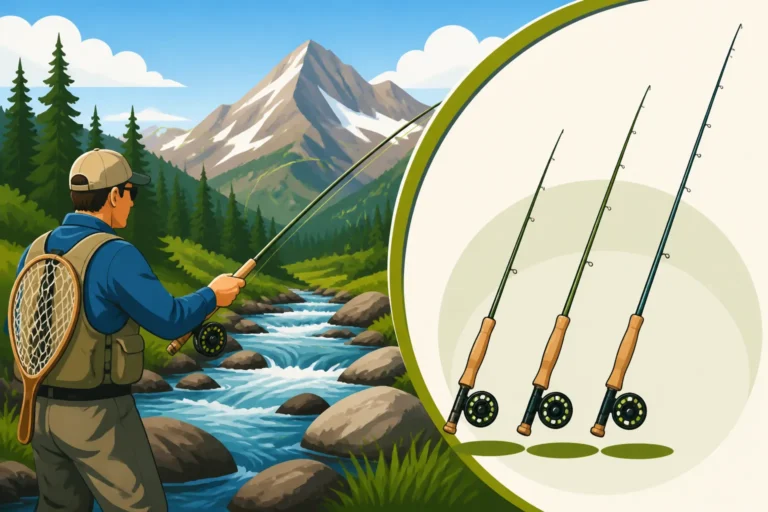
For most Colorado freestone dry fly fishing, a rod in the 3-weight to 5-weight range is ideal. A 4-weight is often considered the perfect all-rounder, offering enough backbone to fight a decent fish while still providing the sensitivity needed for delicate presentations with smaller flies. Rod length typically falls between 8.5 and 9 feet. A longer rod can help with line control and mending on complex currents, while a shorter one might be preferable on tight, brushy mountain streams. Your reel primarily serves as a line holder, but a smooth drag is always a plus, especially when a strong trout decides to make a run.
The fly line is where the magic really happens for dry flies. You’ll want a weight-forward floating line that matches your rod’s weight. Look for lines with a taper designed for delicate presentations, often called "troutfishing" or "dry fly" specific tapers. These lines help turn over longer leaders more gently, landing your fly softly on the water without spooking wary fish. Brands like Scientific Anglers or Rio offer excellent choices that can often be found on platforms like Amazon with detailed reviews to help you pick the best one for your budget and fishing style.
Leaders, Tippet, and the All-Important Fly Selection
This is where the direct connection to the fish happens, and attention to detail here pays off. For dry fly fishing, you'll want a long, tapered leader, typically 9 to 12 feet in length, that helps transfer energy from your fly line to the fly gradually, ensuring a soft landing. A 4X or 5X leader is a good starting point, but you'll often need to attach finer tippet to the end to match the size of your fly and the pickiness of the trout.
Tippet, which is essentially thinner leader material, is crucial. You’ll frequently use 5X, 6X, or even 7X tippet for smaller dry flies, especially on clear, technical waters or when trout are highly selective. Always carry a spool of each. It's inexpensive and can be easily purchased online via Amazon or at any local fly shop in Colorado.
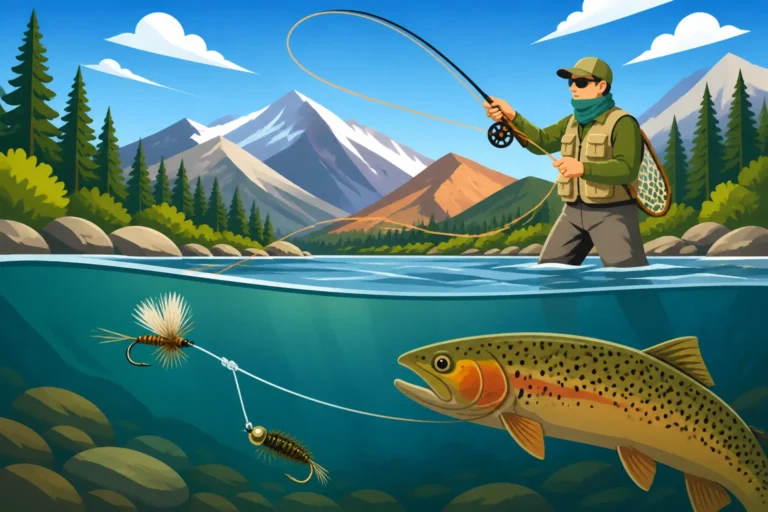
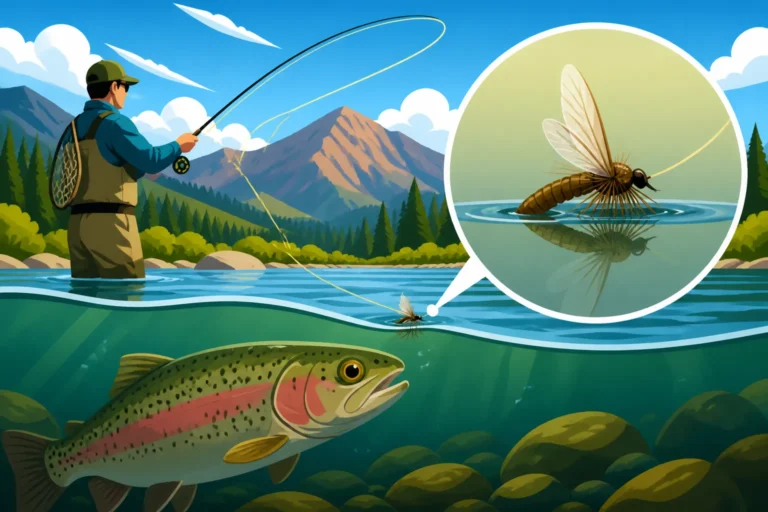
Finally, the flies themselves! This is the most exciting part for many. For freestone rivers, your fly box should contain a mix of general attractor patterns and specific imitations for common hatches. Think about carrying Adams, Parachute Adams, Elk Hair Caddis, Stimulators, and various ant and beetle patterns. As you get more experienced, you’ll start carrying specific patterns for hatches like Green Drakes, Pale Morning Duns (PMDs), and Blue-Winged Olives (BWOs). A good starting point for fly selection on these rivers is often a larger attractor pattern (like a size 12 Stimulator) with a smaller, more imitative dry fly or nymph tied off it as a dropper – a common and effective setup, especially in the early season.
Here’s a quick overview of essential dry fly gear:
| Item | Recommended Specification | Purpose |
|---|---|---|
| Fly Rod | 4-weight, 8.5-9 feet | Versatile for delicate presentation & fighting fish |
| Fly Reel | Match rod weight, smooth drag | Line storage, drag for strong fish |
| Fly Line | Weight-forward floating, dry fly taper | Soft presentation, accurate casting |
| Leaders | 9-12 feet, tapered (4X-5X) | Gradual energy transfer, soft landing |
| Tippet | Spools of 5X, 6X, 7X | Finer attachment for smaller flies |
| Flies | Attractors & imitative patterns | General searching & matching specific hatches |
| Floatant | Liquid or gel | Keeps flies buoyant |
| Nippers/Forceps | Small, sharp nippers; curved forceps | Cutting line, de-barbing hooks, hook removal |
Reading the Water: Locating Trout and Presentation Zones
Knowing where to cast your fly is just as important as the fly itself. On a dynamic freestone river, trout positions can shift with water levels and current speeds. Developing your "river vision" – the ability to read the water – is a skill that will dramatically increase your success.
Decoding Riffles, Runs, and Pools
Freestone rivers are a patchwork of different water types, each holding trout in unique ways.
- Riffles: These are the shallow, turbulent sections where the water tumbles over rocks, creating oxygenation. Trout often sit at the head or tail of riffles, where the current slows slightly, waiting for dislodged insects to float into their feeding lane. Don't be fooled by the fast water; hungry trout are often here.
- Runs: Deeper, more consistent currents often found downstream from riffles or between pools. Trout will hold in the middle or along the edges of runs, particularly where the current is a comfortable speed for them to feed without expending too much energy. These are classic dry fly spots.
- Pools: The deepest, slowest sections of the river. While some big trout might hold in the depths, for dry fly fishing, focus on the edges of pools, especially where a riffle feeds into it (the "head" of the pool) or where water exits (the "tailout"). These areas concentrate food and offer easier feeding.
It’s about understanding where a trout can comfortably hold and where food is most likely to drift past. Look for changes in current speed, depth, and substrate. Fish love structure – large rocks, submerged logs, undercut banks – as it provides shelter from current and predators. Our guide on Reading Water on a Colorado Freestone River goes into even greater detail about this fundamental skill.
Identifying Feeding Lanes and Holding Water
Once you’ve identified a promising section of water, the next step is to pinpoint the specific "feeding lanes" and "holding water."
- Feeding Lanes: These are the narrow currents where insects naturally drift. Often, they are defined by seams where a fast current meets a slower one, or along foam lines that collect floating debris (and therefore, insects). Trout will position themselves directly in or just adjacent to these lanes, waiting for food to come to them. Your goal is to get your dry fly into these lanes and keep it there.
- Holding Water: This refers to spots where trout can rest comfortably out of the main current but still have easy access to a feeding lane. This could be behind a large boulder, in the softer water along an undercut bank, or in the calmer water at the tail of a riffle. A trout that is expending less energy to hold its position has more energy to chase down a meal.
Spend a few minutes observing the water before you cast. Look for actual rises – subtle dimples or aggressive splashes that indicate where trout are actively feeding on the surface. These are your prime targets. If you don't see rises, imagine where a trout would logically sit, conserving energy and waiting for food. Often, a cast to the sunny side of a seam, or the shady side of an undercut bank, can yield surprising results.
Crafting the Perfect Drift: Casting and Mending Techniques
A beautiful cast isn't just about distance; it's about precision and presentation. For dry fly fishing on Colorado's freestone rivers, achieving a natural, drag-free drift is paramount. Trout are incredibly sensitive to unnaturally moving flies, and even a slight drag can send them fleeing.
The Art of the Drag-Free Presentation
A "drag-free drift" means your fly is moving at the exact same speed as the natural currents around it, mimicking an actual insect floating downstream. This is harder than it sounds on a freestone river, where currents often vary wildly in speed and direction within a small area.
Here's how to aim for it:
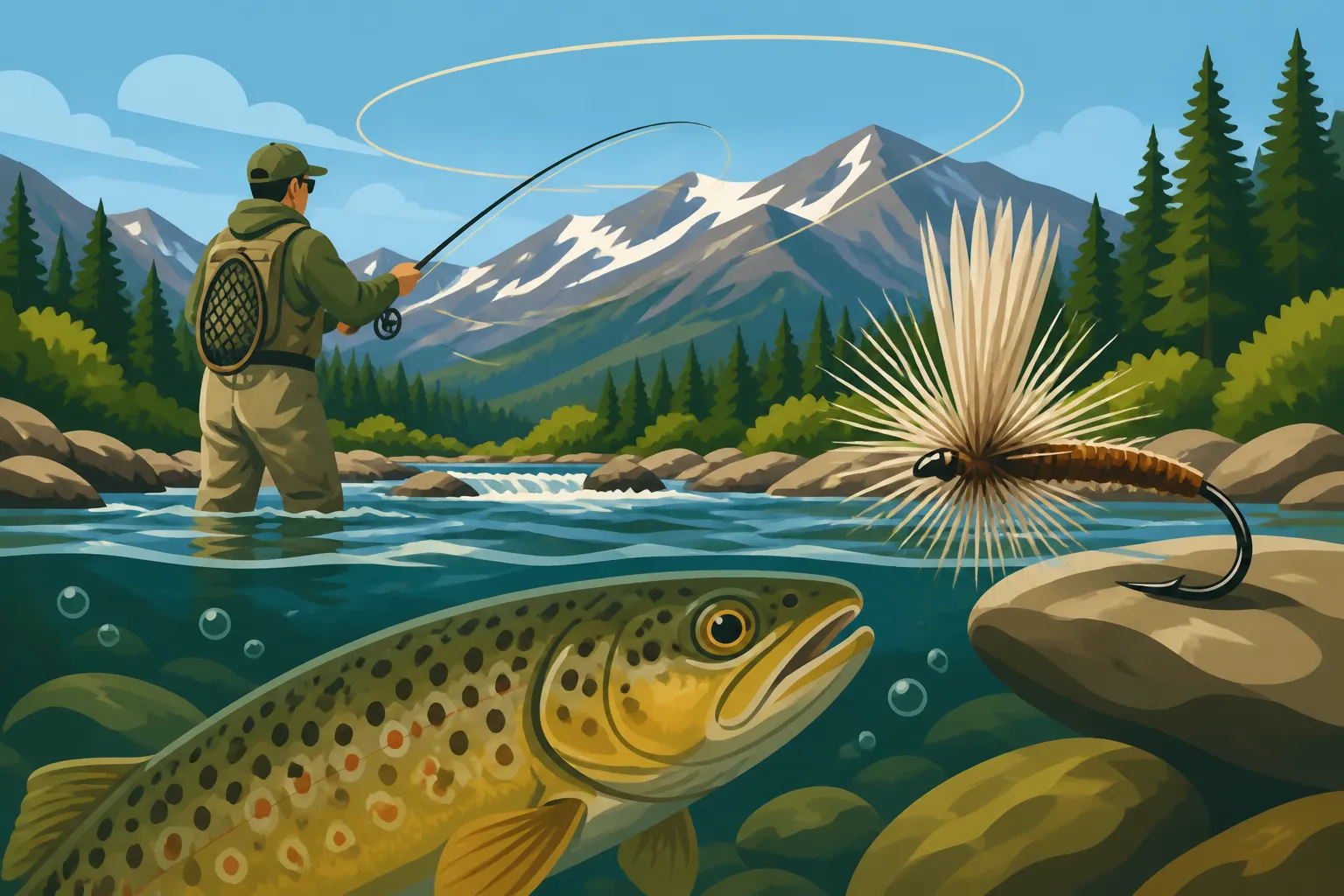
- Casting Upstream and Across: Often, you'll cast slightly upstream and across the current from your position. This gives your fly line and leader more time to settle on the water before the fly reaches the target, allowing for a longer drift.
- Slack Line Presentation: Instead of a taut, straight line, aim for a slightly slack line on your cast. This can involve making a reach cast (a slight S-curve in the line as it lands) or a pile cast, which intentionally introduces slack. This extra slack provides a buffer, allowing the fly to drift naturally for a short period before the current catches your line and causes drag.
- Accuracy is Key: On freestone rivers, trout often hold in small pockets or specific feeding lanes. Your cast needs to be accurate enough to land the fly precisely where you anticipate a fish to be, ideally a few feet upstream of its likely position. This gives the fish time to spot the fly and decide to rise.
Practicing your casting in a park or even your backyard can significantly improve your accuracy and ability to create slack-line presentations. Remember, it's not about how far you cast, but how well you present the fly within a reasonable distance.
Advanced Mending for Tricky Currents
Even with a perfect cast, the complex currents of a freestone river will quickly grab your fly line and pull your fly unnaturally. This is where "mending" comes in – it's the art of repositioning your fly line on the water without moving your fly.
- Upstream Mend: This is the most common mend. As your fly drifts downstream, the faster currents might pull the belly of your fly line, causing your fly to speed up. To counteract this, lift your rod tip and, with a flick of your wrist, throw an upstream loop of line onto the water. This adds slack upstream of your fly, allowing it to continue its natural drift.
- Downstream Mend: Less common but sometimes necessary, a downstream mend helps slow your fly down if the current behind it is faster than the current around the fly.
- Reach Mend: Incorporated into your cast, a reach cast involves extending your rod arm downstream (or upstream) as your line straightens in the air, allowing the line to land in an S-curve, effectively pre-mending your drift.
Mending is a constant, almost subconscious action when dry fly fishing freestones. You’ll find yourself subtly mending throughout the drift, always trying to maintain that elusive drag-free presentation. It’s a dance between you, your rod, and the river. Mastering this technique will allow you to present your fly to fish that others might miss, especially on stretches like the Gold Medal waters of the Fryingpan River or the Dream Stream, which demand exceptional line control.
Major Hatches and Matching the Bugs on Colorado Freestones
What separates a good dry fly angler from a great one often comes down to their understanding of aquatic entomology – knowing what insects are hatching and being able to "match the hatch" with the right fly pattern. While having a box full of general attractors is a great starting point, knowing the key hatches on Colorado's freestones will elevate your success dramatically.
Key Mayfly, Caddisfly, and Stonefly Hatches
Colorado's freestone rivers are rich with insect life, and certain hatches are legendary among anglers.
- Caddisflies: These are often the earliest and most prolific hatch once runoff subsides. Look for them in late spring and early summer. Caddisflies have a distinctive tent-like wing profile and often skitter across the water surface, making for aggressive takes. Patterns like the Elk Hair Caddis (various sizes and colors like olive, tan, brown) are indispensable. You might also see them throughout the summer and into fall. If you're looking for caddisfly patterns, a quick search on Amazon will bring up a wealth of options, often in multi-packs perfect for stocking your fly box. Our post on Fly Selection for Colorado's Caddis Hatch offers deeper insights.
- Mayflies: These delicate insects are often what anglers picture when they think of dry fly fishing. Key species on freestones include:
- Green Drakes: A highly anticipated hatch, usually in late June through July on many freestones. These are large, unmistakable mayflies that can bring big trout to the surface. Carry patterns like a Green Drake Parachute or a Compara-dun.
- Pale Morning Duns (PMDs): Smaller than Drakes, PMDs are crucial throughout summer, often hatching in the late morning or early afternoon. They are typically pale yellow to olive. Parachute PMDs and Sparkle Duns are go-to patterns.
- Blue-Winged Olives (BWOs): These tiny mayflies hatch in cooler weather, often in early spring and late fall, but you can find them on overcast summer days. They are a staple and require delicate presentations with small flies (size 18-24). Parachute BWO and RS2 emergers are essential.
- Stoneflies: The largest of the three, stoneflies don't often hatch in massive numbers like caddis or mayflies, but when they do, trout go wild. Look for them in late spring and early summer, especially golden stones or salmonflies (Pteronarcys). Big, foamy patterns like a Stimulator (size 6-12) or Chubby Chernobyl (various colors) are excellent imitations, often used as "attractors" even when no stoneflies are visibly hatching, because they suggest a big meal.
Terrestrial Treats and Attractor Patterns
Beyond the aquatic insect hatches, a significant part of dry fly fishing on freestone rivers involves "terrestrials" – land-based insects that accidentally fall into the water. These are particularly important from mid-summer through early fall.
- Grasshoppers: When grasshoppers are active in the meadows and along riverbanks, trout know a juicy meal might fall in. Large foam hoppers (like the Morrish Hopper, Charlie Boy Hopper, or Dave's Hopper) can be incredibly effective, especially on breezy days that blow them into the water.
- Ants and Beetles: Smaller, but equally important. Black, red, or cinnamon ant patterns (size 14-20) and various beetle imitations can be deadly, particularly on sunny, slower sections of river where trout might be cruising for easy targets.
- Attractor Patterns: Sometimes, trout aren't keying in on a specific hatch, or you just want to grab their attention. That's where attractor patterns shine. Flies like the Stimulator, Royal Wulff, or Humpy are designed not to imitate one specific insect, but rather to look "buggy" and enticing. They often incorporate bright colors or lots of hackle to create a visible, irresistible silhouette on the water. These are great "searching" patterns when you're not sure what's hatching.
Having a diverse fly box filled with both imitative and attractor patterns, in various sizes, will prepare you for almost any situation on a Colorado freestone river. Remember, trout are opportunistic, and sometimes, a big, juicy attractor will outfish the most perfect imitation. Our guide to Best Flies for Colorado's Gold Medal Trout Water provides even more specific recommendations for these hallowed stretches.
Overcoming Common Dry Fly Challenges
Dry fly fishing on freestone rivers is incredibly rewarding, but it’s rarely without its hurdles. From fickle fish to Mother Nature’s whims, being prepared for common challenges will help you stay focused and successful.
Wind, Spooky Fish, and Technical Water
Colorado is known for its afternoon breezes, which can quickly turn into strong, relentless winds, especially in the wider river valleys. Wind makes casting incredibly difficult, creates drag on your line, and can spook fish with unnatural ripples.
- Wind Strategies: When the wind picks up, try to cast with it at your back or side if possible. Shorten your leader and use slightly heavier tippet to help turn over your fly. Sometimes, it’s best to switch to a heavier nymph rig or streamer until the wind dies down. You might also seek out more sheltered sections of the river, like deeper canyons or areas with dense tree cover.
- Spooky Fish: Wild trout in clear, shallow freestone rivers are incredibly wary. A heavy step on the bank, a splashy cast, or even your shadow passing over the water can send them bolting. Approach the river slowly, keeping a low profile. Wear drab clothing that blends in with the surroundings. Cast from a kneeling position if needed. When you spot a rising fish, approach from downstream and cast beyond the fish, allowing your fly to drift naturally into its feeding lane without your line or leader passing over its head first.
- Technical Water: Some freestone stretches, especially Gold Medal waters, are highly technical, requiring precise casts and perfect drifts. The South Platte River through Cheesman Canyon, for instance, is notorious for its challenging currents and selective trout. This is where mastering your mends, using longer, finer leaders, and matching the hatch exactly becomes critical. Don't get discouraged; these are the places where skills are truly honed.
Changing Conditions and Adapting Your Approach
One of the beautiful yet frustrating aspects of freestone rivers is their susceptibility to changing conditions. A sudden rainstorm, fluctuating temperatures, or a decrease in bug activity can completely change the fishing.
- Rain and Storms: A light, gentle rain can often trigger excellent dry fly activity, as it washes terrestrials into the water and can bring fish to the surface. However, heavy downpours can quickly muddy the water and raise flows, making dry fly fishing impossible. Always check the weather forecast before heading out, and be prepared to seek shelter or change tactics if a storm rolls in. Remember that Colorado's afternoon thunderstorms can be intense and dangerous.
- Water Temperature Fluctuations: Trout are cold-blooded, and their activity levels are directly tied to water temperature. Too cold (early morning, high elevation) and they might be sluggish, staying deep. Too warm (midday in late summer, lower elevations) and they might also become lethargic or even stressed, leading to slow fishing or even hoot-owl restrictions. Ideal dry fly temperatures are typically in the 50-65°F range. Carry a small stream thermometer to monitor conditions.
- No Visible Hatch? No Problem! Sometimes you'll be on the water, and there isn't a single bug flying, let alone hatching. This is when attractor patterns truly shine. Don't be afraid to tie on a large Stimulator, a Fat Albert, or even a smaller Adams and fish "blind," prospecting likely holding water. Often, a trout will rise out of curiosity or sheer opportunism, even if no natural food is present. This is also a good time to consider a dry-dropper rig, with a smaller nymph suspended beneath your dry fly, giving you two chances to catch a fish.
By understanding these common challenges and having a few strategies in your back pocket, you’ll be much better equipped to enjoy the unparalleled excitement of dry fly fishing on Colorado’s stunning freestone rivers. If you're considering a trip during a specific time of year, our guide to Colorado Fishing Seasons Month by Month might offer useful insights into seasonal variations.
Disclaimer
Please be aware that fishing regulations in Colorado can change. Always consult the latest Colorado Parks and Wildlife (CPW) regulations brochure before heading out. Information on licenses, bag limits, and specific water restrictions is crucial for a legal and responsible fishing experience.