Mountain Whitefish in Colorado’s Rivers
It's easy to get caught up chasing the "glamour fish" like big brown trout or an elusive rainbow in Colorado's pristine rivers. But sometimes, in our pursuit of those well-known species, we overlook a truly unique native that shares those very same cold, clear waters: the mountain whitefish. Many anglers either don't know what they are, mistake them for something else, or simply disregard them, missing out on a fun and rewarding fishing experience. This guide is here to shed some light on these fascinating fish, helping you understand, find, and appreciate them in the Centennial State.
Understanding Colorado's Mountain Whitefish
Before you can truly appreciate the mountain whitefish, you need to know a little bit about them. They're often misunderstood, sometimes even confused with bottom-feeding suckers due to their mouth structure. But make no mistake, whitefish are a distinct and valuable part of Colorado's aquatic heritage.
What Exactly is a Mountain Whitefish?
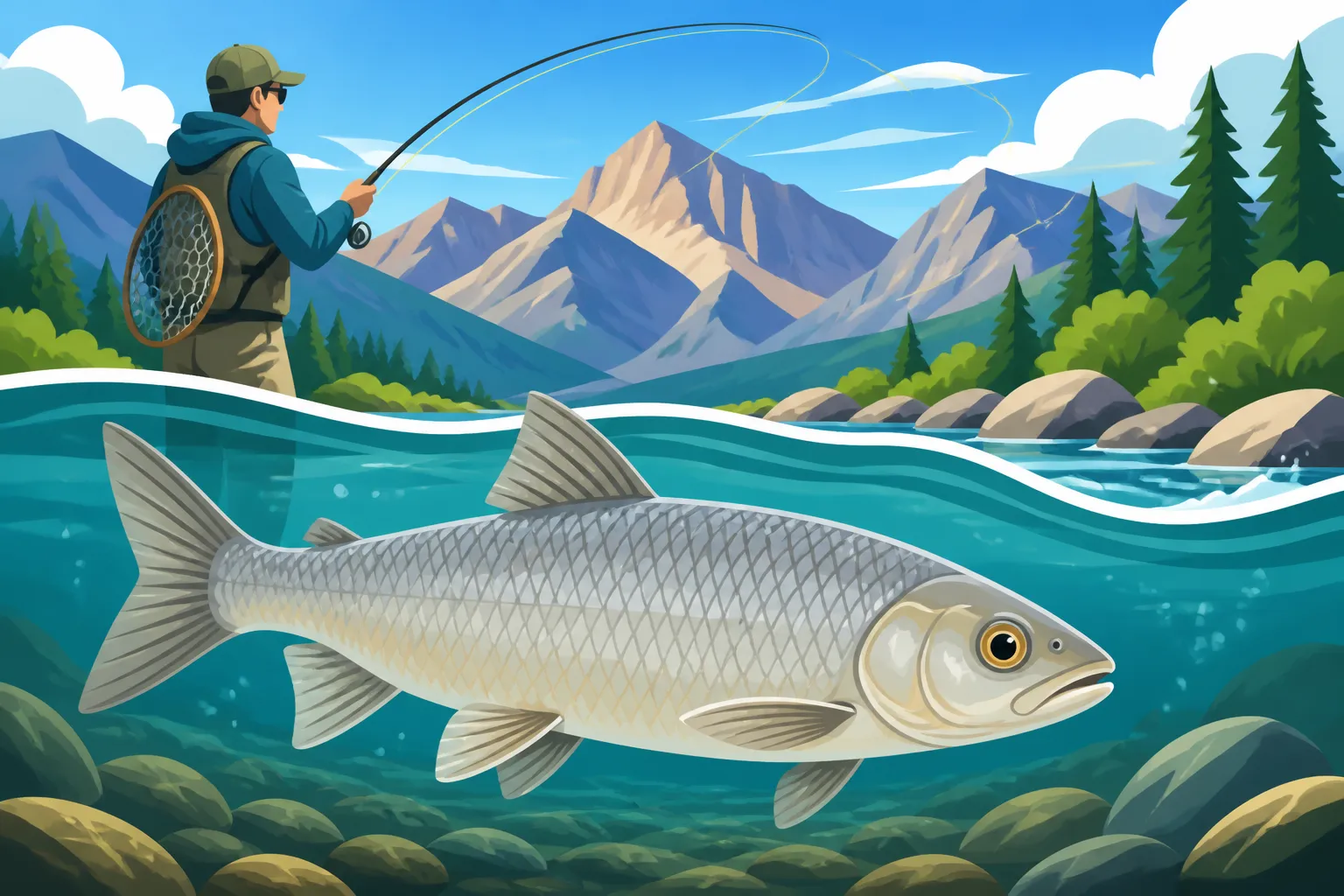
The mountain whitefish (Prosopium williamsoni) is a slender, silvery-bronze fish with relatively large scales and a small, pointed head. One of their most distinctive features is their small, sub-terminal mouth – meaning it's located slightly underneath their snout, which is what often leads to the confusion with suckers. However, unlike suckers, whitefish have an adipose fin, just like trout and salmon, placing them in the same family (Salmonidae). They typically range from 10 to 20 inches in length, though larger specimens can be found. Their coloring can vary depending on the water they inhabit, from bright silver in open water to a more bronze or olive hue in tannin-stained or rocky river sections.
They are primarily insectivores, with their diet consisting largely of aquatic insect larvae, nymphs, and pupae. This diet preference dictates where they often feed and what they’ll strike at. They are well-adapted to the cold, oxygen-rich waters of mountain rivers and streams, thriving in environments that many other fish might find too harsh.
Native or Introduced? The Whitefish's Place in Colorado
This is a really important distinction, especially in Colorado where native species conservation is a huge focus. The mountain whitefish is, in fact, a native fish to many of Colorado's major western slope river systems, including the Yampa, White, Colorado, and Gunnison rivers and their tributaries. They are not an introduced species like many of the rainbow or brown trout you might encounter. This native status means they have been a part of these ecosystems for millennia, playing a vital role in the food web and overall river health.
Their presence signifies a healthy, cold-water environment. While they may not have the vibrant colors of a brook trout or the aggressive strikes of a large brown, their native status gives them a unique appeal for anglers who appreciate the natural heritage of Colorado's fisheries. They occupy a different niche than many trout, often feeding in different water columns or on different insect stages, which contributes to the biodiversity of the river.
Where to Find Mountain Whitefish in Colorado
Knowing what a mountain whitefish is is one thing, but knowing where to cast a line for them is another entirely. These fish are pretty particular about their living arrangements, and understanding their preferences will greatly increase your chances of a successful encounter.
Key Rivers and Habitats
You'll primarily find mountain whitefish in the larger, colder river systems on Colorado's Western Slope. Think about rivers like the Yampa River near Steamboat Springs, portions of the Colorado River upstream of Rifle, the White River, and sections of the Gunnison River. While they share these waters with trout, they often prefer slightly different areas. Look for them in deeper, slower runs, behind large boulders, in substantial eddies, or at the bottom of riffles where food drifts by but they don't have to fight the strongest currents. They love gravelly or rocky bottoms where aquatic insects hide and where they can easily pick off drifting nymphs.
They are less common in the smaller, steeper mountain streams where brook trout often dominate, and generally aren't found in the high-alpine lakes. They are river fish through and through, preferring the consistent flows and ample insect life of moderate to large-sized river channels. If you're fishing a broad, clear western slope river that has a good mix of riffles and deeper pools, you're likely in whitefish territory.
Identifying Whitefish Holds
So, you're on a river, and you know whitefish could be there. How do you find them specifically? Whitefish are often more bottom-oriented than many trout. While trout might hold in the current seams waiting for a drift, whitefish tend to hug the riverbed, especially in deeper, slower water. Imagine a long, relatively deep run with a consistent current – this is prime whitefish real estate. They're not usually in the fastest, most turbulent water, nor are they typically found in stagnant backwaters. They want that gentle, consistent flow that brings food directly to them without too much effort on their part.
Look for subtle depressions in the riverbed, or areas where the bottom structure changes from small gravel to larger rocks. They'll use these features for cover and to break the current. If you're Reading Water on a Colorado Freestone River, think about where nymphs would naturally accumulate or settle – that's often where the whitefish will be. In clearer water, you might even spot them subtly finning near the bottom. They are often found in schools, so if you catch one, it's a good bet there are more in the immediate vicinity.
Tackle and Techniques for Catching Mountain Whitefish
Successfully targeting mountain whitefish doesn't require radically different gear than trout fishing, but a few subtle adjustments in your approach can make all the difference. Their feeding habits and mouth structure dictate the best ways to present a fly or lure.
Fly Fishing for Whitefish
Fly fishing is an incredibly effective way to catch mountain whitefish, especially using nymphing techniques. Since their diet consists heavily of aquatic insects found near the riverbed, presenting small, weighted nymphs on a dead drift is key. Think patterns like small Hare's Ears, Pheasant Tails, Copper Johns, or even tiny midge patterns in sizes 18-22. Whitefish have surprisingly small mouths, so going smaller with your fly choice is often more productive.
A tight-line nymphing or indicator nymphing setup works well. The goal is to get your flies down deep, often bumping along the bottom. You might need to add more weight than you typically would for trout in the same water. When fishing deep, sometimes a simple split shot can make all the difference, and you can find a variety of weights to dial in your drift on Amazon. Don't be afraid to fish sections of river that seem a bit too slow or deep for trout; these are often whitefish hot spots. Strikes can be very subtle – sometimes just a slight hesitation or twitch of your indicator, so pay close attention. Many of the same tactics used for Nymphing Techniques for Colorado Tailwaters will apply to catching whitefish.
Spin Fishing for Whitefish
If fly fishing isn't your preferred method, don't worry – spin fishing can also be very successful for whitefish. The key here, again, is light tackle and small presentations. An ultralight spinning rod with 2-4 pound test line is ideal, allowing you to cast small lures and feel those gentle whitefish bites. Small inline spinners, especially those with natural or silver blades, can be effective, particularly when retrieved slowly along the bottom. Just like fly fishing, smaller baits tend to work better given their mouth size.
Natural baits are also a go-to for whitefish. A small piece of a nightcrawler, a few kernels of corn, or even salmon eggs drifted along the bottom under a small split shot can be irresistible. Be mindful of Colorado Bait Restrictions and Where They Apply on specific waters, as bait is not universally allowed. The retrieve for lures should be slow and deliberate, mimicking a drifting insect or small forage fish. When using bait, let it drift naturally with the current, allowing the whitefish to pick it up without resistance. A small bobber can help detect bites if the current isn't too strong, but often, feeling for the bite is more effective.
Best Time of Year and Day
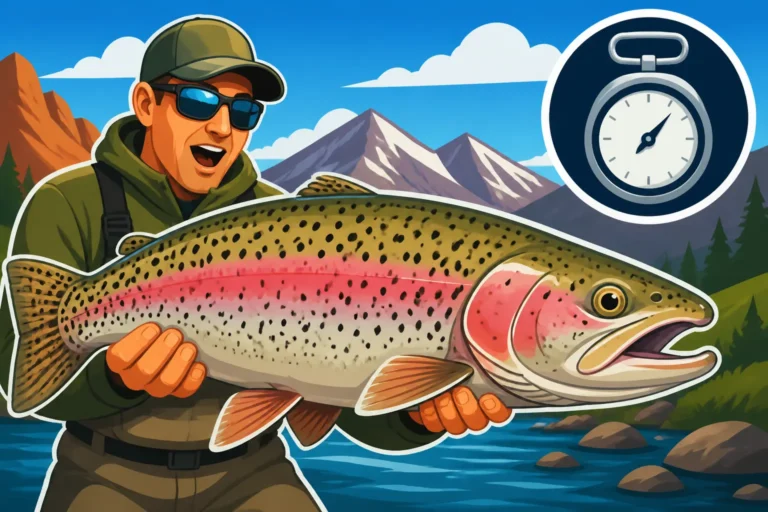
Mountain whitefish are generally active throughout the year, but like most fish, there are peak times. Late spring through fall, when water temperatures are stable and insect activity is high, tends to be excellent. During the warmer summer months, they'll appreciate the cooler temperatures of early morning and late evening, or prefer deeper, shadier runs during the heat of the day. In the fall, as water temperatures drop and other species might become less active, whitefish can still provide consistent action.
They are not particularly known for a strong "dawn or dusk" bite like some trout species. Instead, their feeding often aligns with the major insect hatches and drifts throughout the day. If midges are active, for example, you might find whitefish actively feeding even in the middle of a winter day. This makes them a great target for anglers looking for consistent action when trout might be a bit more finicky, especially if you're out there when Midge Fishing in Colorado Winters is the name of the game.
Mountain Whitefish Regulations and Conservation
It’s crucial to understand the regulations surrounding mountain whitefish. While they are a native species, their management often differs from that of popular trout species, and respecting these rules is part of being a responsible angler in Colorado.
Bag and Possession Limits
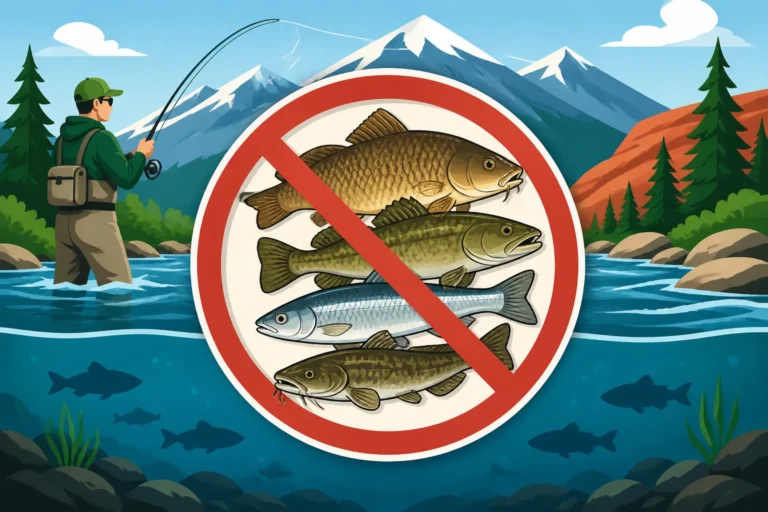
Generally, mountain whitefish in Colorado are managed with more liberal bag and possession limits compared to trout species. This is partly due to their native abundance in certain systems and partly to encourage anglers to harvest them, which can sometimes help reduce competition with other species in specific areas. However, these regulations are subject to change and can vary from one river to another, and even between sections of the same river. It's absolutely imperative to consult the current Colorado Fishing Regulations Every Angler Should Know brochure or the Colorado Parks and Wildlife (CPW) website before heading out.
For example, while you might be limited to a specific number of rainbow trout on a given day, the whitefish limit could be significantly higher or even unlimited in certain areas. Always double-check the specific water you plan to fish. You wouldn't want to accidentally over-harvest or mistake a protected species for a whitefish. Understanding these differences, like contrasting Colorado's Daily Rainbow Trout Limit with whitefish limits, is key to compliance.
Why They Matter to Colorado's Ecosystem
Mountain whitefish are much more than just another fish to catch; they are an integral part of Colorado's cold-water river ecosystems. As a native species, they have evolved alongside other native flora and fauna for thousands of years, contributing to the natural balance of the river. They are a food source for larger predatory fish, birds, and mammals, and as insectivores, they help control aquatic insect populations.
Their presence also serves as an indicator of river health. Healthy populations of mountain whitefish suggest good water quality, appropriate temperatures, and a robust invertebrate community. Protecting native fish like the whitefish is crucial for maintaining the biodiversity and resilience of Colorado's waterways, especially in the face of environmental changes. Their unique life history and ecological role highlight why every species, even the less celebrated ones, is vital.
The Often-Debated Table Fare: Eating Mountain Whitefish
When it comes to eating mountain whitefish, opinions are often divided. Some anglers swear by them, while others are quick to release them. I'm here to tell you that, with the right handling and preparation, mountain whitefish can be a delicious addition to your dinner plate.
Is Mountain Whitefish Good to Eat?
The short answer is: yes! Are Mountain Whitefish Good to Eat? Absolutely. The flesh of a mountain whitefish is white, flaky, and has a mild, delicate flavor. It's often compared to trout, but many find it to be even milder and less "fishy" than some trout species. The primary criticism often comes from their slightly bonier nature than, say, a rainbow trout, or perhaps a preconceived notion. However, if handled properly in the field and cooked correctly, they can be excellent table fare.
They don't have the rich, oily flavor of a salmon or lake trout, but rather a subtle taste that makes them versatile in the kitchen. If you're someone who appreciates a lighter, cleaner-tasting fish, then whitefish might just become a new favorite for you. Don't let old opinions deter you; give them a try yourself!
Handling and Preparation Tips
Like any fish you intend to eat, proper care in the field is paramount for mountain whitefish. If you decide to keep a whitefish, dispatch it quickly and humanely, then get it on ice as soon as possible. This rapid cooling prevents the meat from spoiling and helps preserve its delicate flavor and firm texture. A small cooler with ice is your best friend when harvesting fish.
When it comes to preparation, whitefish lend themselves well to simple cooking methods that highlight their mild flavor. They can be pan-fried, baked, grilled, or even smoked.
Here's a simple approach:
| Cooking Method | Description | Flavor Profile | Best Served With |
|---|---|---|---|
| Pan-Fried | Lightly breaded with flour or cornmeal, cooked in butter or oil until golden. | Crispy exterior, tender, flaky interior, very mild. | Lemon wedges, wild rice, fresh green beans. |
| Baked | Seasoned with herbs (dill, parsley), lemon, and a touch of butter, baked in foil. | Moist, delicate, infused with herb flavors. | Roasted vegetables, couscous. |
| Grilled | Brushed with olive oil and seasoned, cooked over medium heat until flaky. | Slightly smoky, firm texture, great for outdoor cooking. | Corn on the cob, potato salad. |
| Smoked | Brined and slowly smoked, typically cold-smoked for preservation or hot-smoked for immediate eating. | Rich, savory, distinct smoky flavor, excellent texture. | Crackers, cream cheese, capers, or in a salad. |
Because they have a fine bone structure, some people prefer to fillet them carefully or even butterfly them. Others simply cook them whole, and the bones are easily removed after cooking. For a truly simple meal, pan-frying with a little salt, pepper, and lemon can't be beaten. They cook relatively quickly, so keep an eye on them to avoid overcooking, which can dry out the delicate flesh.
Disclaimer
This article is for general informational purposes only and does not constitute professional advice. Laws, prices and regulations vary by location and change over time. Consult a qualified professional for guidance on your specific situation.