Walleye in Colorado’s Front Range Reservoirs
It can be incredibly frustrating to hit a beautiful Colorado Front Range reservoir, full of hope, only to spend hours casting without a single walleye bite. These elusive predators are fantastic table fare and a real challenge to catch, but knowing their habits and preferred haunts in our local waters can make all the difference. This comprehensive guide will arm you with the knowledge to consistently target and land walleye right here in Colorado's bustling Front Range.
Understanding Walleye in Colorado
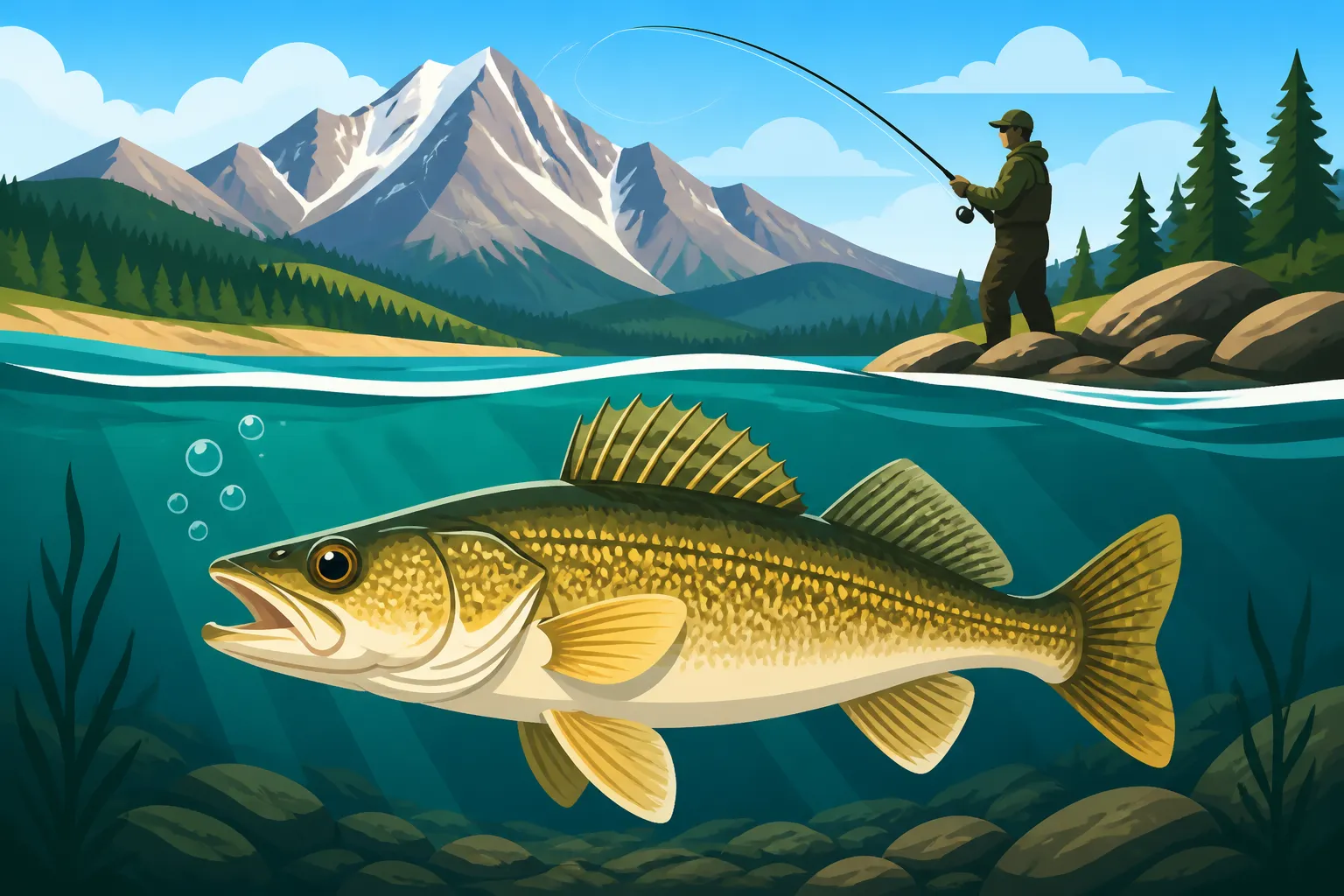
Walleye are a fascinating species, known for their large, glassy eyes (hence the name, which comes from the way their eyes seem to "roll" when caught in light) and their delicious, flaky white meat. While not native to Colorado, they've been successfully introduced into many of our larger reservoirs, especially along the Front Range, to provide diverse fishing opportunities. They're part of what makes our state's fishing scene so vibrant, offering something beyond just trout.
The Appeal of Catching Walleye
For many anglers, walleye fishing is an addiction. They are often challenging to locate and entice, demanding a blend of specific techniques, patience, and a good understanding of their environment. Unlike trout that might readily rise to a dry fly or smash a spinner, walleye can be incredibly finicky, preferring subtle presentations and specific depths. The reward, however, is well worth the effort—not just the fight, which can be surprisingly strong for their size, but also the culinary experience. Many consider walleye among the best-eating freshwater fish available.
They tend to hug structure and transitions, often holding in deeper, darker water during the day and moving shallower to feed at dawn and dusk or on overcast days. This nocturnal or crepuscular feeding pattern adds to their mystique and challenge, often requiring anglers to be out on the water at prime low-light hours. Discovering their patterns and finding that sweet spot where they're actively feeding is a huge part of the thrill.
How Walleye Became a Front Range Staple
Walleye were first introduced to Colorado reservoirs decades ago as a management strategy by Colorado Parks and Wildlife (CPW). The goal was primarily to create a robust sport fishery in waters that might not be ideal for trout dueley to warmer temperatures or different forage bases. These fish thrive in larger, often murkier reservoirs with plenty of baitfish like shad, which are abundant in many Front Range impoundments. Their predatory nature also helps manage populations of other species, creating a balanced aquatic ecosystem.
Over time, through consistent stocking programs and, in some cases, natural reproduction, walleye have established strong populations in several key Front Range reservoirs. This means that while some waters are stocked annually to maintain numbers, others offer self-sustaining fisheries where anglers can pursue wild-born walleye. This commitment by wildlife agencies has turned walleye into a highly sought-after species, drawing anglers from across the state and beyond to our local lakes.
Prime Front Range Walleye Hotspots
Colorado's Front Range is dotted with numerous reservoirs, but only a handful truly stand out as consistent producers for walleye. These spots offer the right combination of depth, structure, and forage to support healthy walleye populations, making them go-to destinations for dedicated anglers.
North Denver Area Reservoirs
When you head north of Denver, some fantastic walleye opportunities await. These reservoirs are often large and can hold impressive numbers of fish, though locating them can still be a puzzle.
Boyd Lake State Park is a popular destination near Loveland. It's a large body of water known for its clear depths and abundant walleye. Anglers here often target walleye around the numerous submerged structures, points, and sudden depth changes. Early mornings and evenings are particularly productive, especially near the shorelines and coves where walleye come to feed. The lake can get busy, so learning to navigate the boat traffic and find quieter pockets can be key to success.
Horsetooth Reservoir, nestled against the foothills west of Fort Collins, is another premier walleye fishery. This scenic reservoir is deep, clear, and offers incredible structure, from rocky points to sheer underwater cliffs. Walleye here often relate to these steep drop-offs and the old river channels. It's a challenging lake due to its depth and clarity, but it holds some truly trophy-sized walleye. Anglers often employ sonar to locate schools and structure before presenting their baits.
South Denver Area Reservoirs
South of the metro area, there are equally exciting options for chasing walleye. These reservoirs also offer diverse environments and can yield some great catches.
Cherry Creek Reservoir, conveniently located in Aurora, is one of the most accessible walleye fisheries in the Denver area. Despite its urban setting, Cherry Creek boasts a healthy walleye population that attracts countless anglers year-round. Look for walleye around the dam, the deeper channels, and any submerged humps or rocky structures. Its proximity to the city makes it a great spot for a quick evening trip or a full day on the water. Many anglers swear by trolling crankbaits across different depth contours here.
Further south, Pueblo Reservoir stands out as arguably one of Colorado's best walleye lakes. This massive reservoir near Pueblo offers a diverse fishery and is renowned for producing both numbers of walleye and true trophy fish. The reservoir has extensive submerged timber, rocky points, and an old river channel that serve as prime walleye habitat. It's a place where you can find walleye in various depths depending on the season and time of day, making it a versatile and rewarding challenge.
Other Key Front Range Spots
Beyond the immediate Denver metro, a few other Front Range reservoirs deserve a mention for their walleye potential.
Chatfield Reservoir, southwest of Denver, is another excellent choice, especially for anglers looking for a diverse experience. While known for its excellent smallmouth bass and wiper fishing, Chatleye are also a strong component of its fishery. Similar to Cherry Creek, Chatfield benefits from its accessibility and consistent stocking. Focus your efforts on the flats, submerged humps, and the dam area. Targeting the evenings, especially during the warmer months, can yield great results as walleye move into shallower feeding zones. You might also encounter Wiper, Colorado's Hybrid Striped Bass here, which are often mistaken for or found alongside walleye.
Carter Lake, west of Loveland, is another gem. While smaller than Horsetooth or Boyd, it's a deep, clear lake known for its healthy walleye population. Like Horsetooth, its clear water can make walleye a bit more challenging, but the rewards are there for persistent anglers. Trolling with downriggers or lead core line can be effective for reaching deeper walleye in this reservoir. Understanding Colorado's Daily Walleye Limit is crucial before you head out, as limits can vary by water.
Here's a quick overview of some top Front Range walleye waters:
| Reservoir Name | Location (Near) | Key Features for Walleye | Primary Technique Often Used | Notes |
|---|---|---|---|---|
| Boyd Lake State Park | Loveland | Submerged points, coves, clear water | Trolling, Jigging | Can get busy, good forage base |
| Horsetooth Reservoir | Fort Collins | Deep, clear, rocky points, submerged cliffs | Jigging, Trolling | Trophy potential, requires good electronics |
| Cherry Creek Reservoir | Aurora | Dam area, deeper channels, urban access | Trolling, Jigging | Highly accessible, consistent fishery |
| Pueblo Reservoir | Pueblo | Extensive structure, old river channel, large | Trolling, Jigging, Casting | Renowned for numbers and trophy fish |
| Chatfield Reservoir | Littleton | Flats, humps, dam, diverse fishery | Trolling, Jigging, Live Bait | Also good for bass and wiper |
| Carter Lake | Loveland | Deep, clear, rocky structure | Trolling, Jigging | Smaller but holds good walleye, challenging |
Seasonal Walleye Behavior and Tactics
Walleye, like many fish, exhibit distinct behavioral changes throughout the year, largely dictated by water temperature and their spawning cycle. Understanding these seasonal shifts is paramount to consistent success on Front Range reservoirs.
Spring Spawning Patterns
As the ice recedes and water temperatures begin to climb in late winter and early spring, walleye in Colorado's Front Range reservoirs start to prepare for their annual spawn. This is a critical period for anglers, as walleye become highly concentrated and often more aggressive. Typically, walleye spawn when water temperatures reach the 40-50°F range, often congregating on rocky shoals, riprap along dams, or shallow gravelly areas where they can deposit their eggs.
During this pre-spawn and spawn period, walleye are often found in shallower water than usual, making them more accessible to shore anglers or those fishing from boats without needing to plumb extreme depths. Jerkbaits, shallow-running crankbaits, and jigs tipped with soft plastics or live bait can be incredibly effective. Remember, while it's tempting to target spawning fish heavily, practicing catch-and-release, especially for larger females, helps ensure a healthy fishery for future generations. Knowing Best Time of Year to Target Walleye in Colorado will directly tie into these seasonal patterns.
Summer Feeding Habits
Once the spawn is over and water temperatures continue to rise, walleye typically transition to their summer patterns. This generally means moving to deeper, cooler water during the day, often relating to submerged structure, main lake points, humps, and the old river channels. They become more active feeders during low-light conditions—dawn, dusk, and overcast days—or will hold tight to structure in deeper water during bright sunlight.
Summer fishing often involves techniques like trolling deep-diving crankbaits or spinner rigs with bottom bouncers to cover vast amounts of water and locate scattered fish. Vertical jigging over submerged structure or drop-offs can also be highly effective once a school is located using sonar. Live bait, particularly nightcrawlers or leeches, presented on a slip bobber or a bottom rig, is also a consistent summer producer. Patience is key, as summer walleye can be lethargic during the brightest parts of the day.
Fall and Winter Tactics
As autumn arrives and water temperatures begin to cool, walleye often go through a strong feeding binge to bulk up for the winter ahead. This can be one of the most productive times of year for trophy walleye, as they become more aggressive and less wary. They might still be found on deeper structures, but they will often push shallower to feed on baitfish that are also moving to warmer, shallower water. Crankbaits, jigs, and large live baits can all be very effective during this period. The fall bite can last well into late autumn, sometimes right up until ice-up.
Once the reservoirs freeze over, ice fishing becomes the primary method. Walleye can be caught through the ice, often relating to shallower flats, humps, and points near deeper water. They tend to be more active during low-light periods under the ice as well. Jigging spoons, blade baits, and tip-ups set with live minnows are go-to presentations. It's a different game entirely, requiring specialized gear and safety precautions, but the rewards can be significant. You can find many essentials for ice fishing on Amazon, from tip-ups to portable shelters.
Effective Techniques for Front Range Walleye
Successfully catching walleye in Colorado's Front Range reservoirs often comes down to employing the right techniques for the conditions. Walleye are predators, but they can be finicky, requiring a good understanding of their preferences and precise presentations.
Jigging for Walleye
Jigging is one of the most versatile and effective techniques for walleye, especially when fish are concentrated around structure or holding at specific depths. It involves using a jig—a weighted hook with a soft plastic, hair, or feather dressing—to mimic baitfish or crawfish. The key is to present the jig vertically or with short, sharp lifts and drops, making it "dance" near the bottom or at the depth where walleye are suspended.
When fishing from a boat, vertical jigging directly over a marked fish or structure is common. A good fish finder (more on that later) is invaluable here, allowing you to position yourself precisely. Vary your retrieve speed and jigging cadence until you find what triggers a bite. Soft plastic swimbaits rigged on a jig head, bucktail jigs, or even simple lead-head jigs tipped with a piece of live nightcrawler or a minnow, can all be deadly. You can find an incredible variety of jig styles and colors on Amazon to match any condition.
Trolling for Walleye
Trolling is a fantastic way to cover large expanses of water and locate scattered walleye, particularly in the bigger Front Range reservoirs like Pueblo or Boyd Lake. This technique involves dragging lures behind a slowly moving boat, typically using an electric trolling motor or even a small gas kicker motor. The goal is to present your lure at the correct depth and speed to entice a strike.
Deep-diving crankbaits are a staple for trolling, especially those designed to reach specific depths. Experiment with different colors and bill shapes. Using devices like planer boards can help spread out your lines and cover a wider path, preventing lines from tangling and allowing you to present more lures simultaneously. Lead core line or downriggers are also useful for precisely controlling the depth of your presentation, ensuring your lure is right in the walleye's strike zone. This is especially important when targeting deeper fish. Learning Trolling Techniques for Colorado Reservoirs can significantly improve your walleye catch rates.
Best Baits and Lures
Walleye can be particular, so having a diverse tackle box is always a good idea. Live bait often shines, but artificial lures can be just as effective when the fish are aggressive or when covering a lot of water.
Live Bait: The kings of live bait for walleye are nightcrawlers, leeches, and minnows.
- Nightcrawlers: Presented on a worm harness (a rig with two small hooks) behind a bottom bouncer or a spinner blade, they are irresistible to walleye. You can also fish them under a slip bobber or tipped on a jig. How to Rig a Nightcrawler for Walleye is a fundamental skill for any walleye angler.
- Leeches: These slimy creatures are a walleye delicacy, especially in warmer water. Fish them on a jig, under a bobber, or on a plain hook.
- Minnows: Live minnows (where legal, always check regulations!) are fantastic, whether fished on a plain hook, a jig head, or a quick-strike rig under a bobber.
Artificial Lures:
- Jigs: As mentioned, jigs are versatile. Pair them with soft plastic paddletails, grubs, or minnow imitations.
- Crankbaits: Deep-diving and shallow-diving crankbaits are essential. Match the size and color to the prevalent baitfish in the reservoir. Perch, shad, and crawfish patterns are often good starting points.
- Spinner Rigs: Harnesses with spinner blades and beads, tipped with a nightcrawler or soft plastic, can be deadly when trolled slowly, mimicking injured baitfish.
- Blade Baits: These vibrating metal lures are great for vertical jigging and can elicit strong reaction strikes, especially in cold water.
Essential Gear for Colorado Walleye Fishing
Having the right gear won't guarantee a walleye every time, but it certainly puts the odds in your favor. From the right rod and reel setup to specialized electronics, equipping yourself properly for Front Range walleye fishing is a smart investment.
Rods and Reels
For walleye fishing, you'll generally want a sensitive setup that allows you to feel subtle bites, yet still has enough backbone to handle a good fight and cast heavier lures if needed.
- Spinning Gear: A medium-light to medium power spinning rod, typically 6'6" to 7'6" in length, is a popular choice. Look for a fast action tip, which means the top third of the rod bends easily, providing excellent sensitivity for detecting those faint walleye "taps." Pair this with a reliable spinning reel in the 2000-3000 size range, spooled with 6-10 lb test monofilament or fluorocarbon, or 10-20 lb braided line with a fluorocarbon leader for added sensitivity and strength. This setup is excellent for jigging, casting crankbaits, and working live bait.
- Baitcasting Gear: For heavier trolling setups or casting larger, heavier lures, a medium-heavy baitcasting rod of similar length might be preferred. Baitcasting reels offer more power for fighting larger fish and managing heavier lines, often spooled with stronger braid or lead core line for controlled depth.
Having multiple setups allows you to quickly switch between techniques, which is often crucial when walleye patterns change throughout the day.
Essential Electronics
In the world of walleye fishing, particularly in large reservoirs, good electronics are almost as important as your rod and reel. They are your eyes underwater.
- Fish Finders (Sonar): A quality fish finder is perhaps the most critical piece of equipment for a boat angler. Modern units, often with CHIRP sonar, down imaging, and side imaging capabilities, allow you to see fish, baitfish schools, and most importantly, underwater structure like humps, drop-offs, and old river channels. Learning to interpret these displays can drastically cut down on wasted casting time and help you pinpoint exactly where walleye are holding. Many good models are available across various price points, and you can explore options on Amazon.
- GPS/Chartplotter: Many fish finders integrate GPS, which is invaluable for marking productive spots, tracking your trolling paths, and navigating safely, especially in unfamiliar waters or during low light. Knowing your exact location relative to a submerged point or a marked fish school is a game-changer. This also helps you return to those hotspots on future trips.
Other Must-Have Accessories
Beyond the core gear, a few accessories can make your walleye fishing experience more productive and enjoyable.
- Landing Net: Walleye have sharp dorsal fins and often thrash when brought to the boat. A rubberized landing net is essential for safely landing fish, especially if you plan to release them. The rubber mesh protects the fish's slime coat and gills.
- Long-Nose Pliers or Forceps: To safely remove hooks from a walleye's mouth, especially if they've swallowed the bait deep. Their teeth can be sharp, and reaching in with your bare hands is not advisable.
- Livewell/Cooler: If you plan on keeping your catch (always adhere to Colorado Bag and Possession Limits by Species), a good livewell or a cooler filled with ice is necessary to keep your fish fresh.
- Anchors/Trolling Motor: A quality anchor or a reliable electric trolling motor with spot-lock GPS functionality is crucial for holding your position over structure when jigging or drift fishing.
- Appropriate Clothing: Given Colorado's variable weather, layers, rain gear, and sun protection are always wise. Early mornings or late evenings can be chilly, even in summer.
Equipping yourself thoughtfully for walleye fishing in Colorado's Front Range reservoirs not only increases your chances of success but also enhances the overall experience of pursuing this esteemed game fish. Whether you're a seasoned walleye hunter or just starting, the challenge and reward of landing one of these fantastic fish are hard to beat.
Disclaimer
This article is for general informational purposes only and does not constitute professional advice. Laws, prices and regulations vary by location and change over time. Consult a qualified professional for guidance on your specific situation.