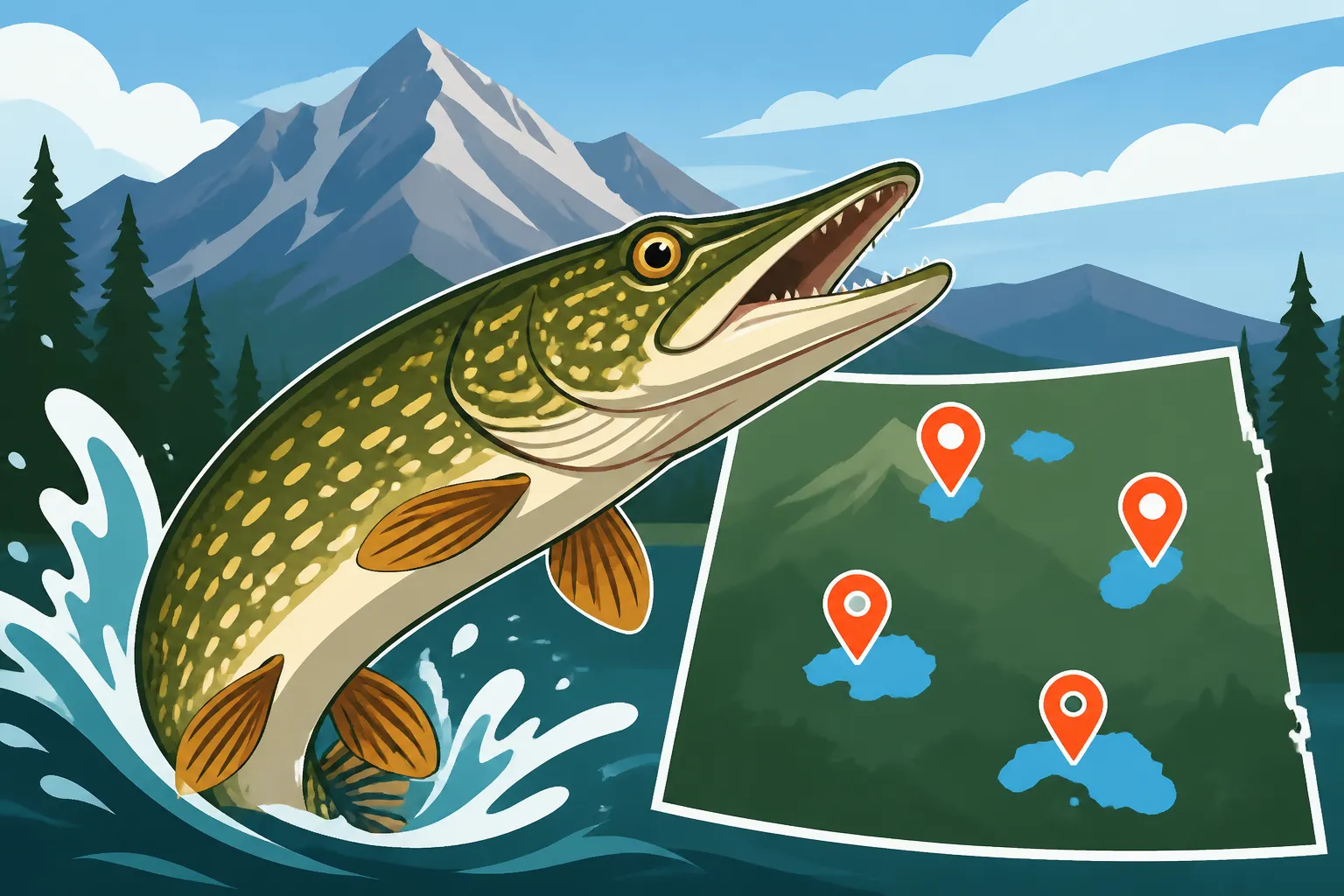
Colorado’s Northern Pike, Where They’re Legal
Anglers often find themselves scratching their heads when it comes to Northern Pike in Colorado. Are they a nuisance? A trophy? A meal? The truth is, it's a bit of all three, depending entirely on where you cast your line. This guide will unravel the specific regulations surrounding Northern Pike in Colorado, detailing exactly where these toothy predators are legal, encouraged, or even actively removed, so you can fish with confidence and compliance.
Understanding Northern Pike in Colorado's Ecosystem
Northern Pike are formidable predators, and their presence in Colorado's diverse aquatic environments has a complex history and ongoing impact. Understanding their role is crucial to appreciating why regulations vary so much across the state. They aren't just another fish in the water; they're a significant factor in how many of our fisheries are managed.
A Brief History of Pike in Colorado
It might surprise some, but Northern Pike aren't native to Colorado. They were introduced to various waters, both intentionally and unintentionally, many decades ago. Sometimes, these introductions were for sport fishing, aiming to establish a new trophy species for anglers. In other instances, they were introduced as a form of biological control, though this often had unforeseen and sometimes detrimental consequences. Once established, their highly predatory nature allowed them to quickly spread and thrive in many of Colorado's lakes and reservoirs. This rapid establishment sometimes came at the expense of native fish populations, particularly smaller, less aggressive species, and even impacted populations of highly prized sportfish like trout and kokanee salmon.
This history of introduction and subsequent impact is really what shapes the current management strategies we see today. Fisheries biologists continuously monitor pike populations and their effects on other species. It's a delicate balancing act, trying to provide diverse angling opportunities while also protecting the integrity of Colorado's natural aquatic ecosystems and ensuring the health of native fish.
The Pike's Reputation: Predator or Prize?
Few fish elicit such strong, divided opinions among Colorado anglers as the Northern Pike. To some, they are aggressive, hard-fighting sport fish, offering an exhilarating challenge for those who enjoy targeting toothy predators. The thrill of a pike strike and the subsequent battle can be incredibly addictive, making them a prize catch for many. They grow to impressive sizes, and landing a trophy pike is a truly memorable experience.
However, to a significant portion of the angling community and certainly to fisheries managers, pike can be viewed as an invasive species that can decimate trout and salmon populations. This is particularly true in delicate coldwater ecosystems or in waters specifically managed for high-quality trout fishing, such as those designated as "Gold Medal" waters. Their insatiable appetites and rapid growth mean they can quickly outcompete native fish for food and habitat, or simply eat them. This dual reputation—a worthy sportfish versus an ecological threat—is precisely why Colorado's regulations surrounding Northern Pike are so varied and location-specific. You can learn more about how they impact ecosystems by reading Are Northern Pike Considered Invasive in Colorado?.
Where Northern Pike Are Legal and Even Encouraged
Despite their predatory nature, Northern Pike are very much a legal and even encouraged species in many parts of Colorado. These are the waters where you can target them with enthusiasm, often with very generous harvest limits, knowing you're contributing to fisheries management goals.
Designated Pike Waters: High Bag Limits and No Possession Limits
Many of Colorado's larger, warmwater reservoirs, especially those located on the Eastern Plains and some western slope impoundments, actively embrace Northern Pike fishing. These waters often boast robust populations of other warmwater species like walleye, bass, and crappie, which can coexist with pike, or they are specifically managed to offer diverse angling opportunities that include these powerful predators. In these areas, the Colorado Parks and Wildlife (CPW) agency often encourages anglers to harvest pike, sometimes with no bag or possession limits whatsoever. This isn't just about providing more fishing opportunities; it's a critical management tool. By encouraging anglers to keep all the pike they catch, CPW helps to keep pike populations in check, preventing them from growing too numerous and potentially overrunning the ecosystem or preying excessively on other desired species like stocked trout or kokanee salmon.
Think of waters like Pueblo Reservoir near Pueblo, John Martin Reservoir out on the Eastern Plains, or Navajo Reservoir in the southwest corner of the state. These are places where you can confidently target pike, knowing that if you catch one, you're welcome to keep it (and many more!). Always remember to check the current Colorado Fishing Regulations Every Angler Should Know for the specific water body you're visiting, as regulations can and do change. For a deeper dive into limits, check out Colorado's Daily Northern Pike Limit and Colorado Bag and Possession Limits by Species.
The Rationale Behind Encouraging Pike Harvest
Colorado Parks and Wildlife relies heavily on strategic regulations as a primary tool for effective fisheries management. When Northern Pike populations are thriving in certain waters and pose a potential threat to other sportfish or native species, encouraging harvest through liberal limits—or, as mentioned, sometimes no limits at all—becomes a highly effective and relatively low-cost way to maintain ecological balance. This approach leverages the angling community to help control predator numbers, which can otherwise escalate rapidly given the pike's prolific breeding and voracious appetite.
Furthermore, this management strategy serves a dual purpose: it not only helps keep pike numbers at a manageable level but also provides anglers with a unique opportunity to target a formidable predator without the strict catch-and-release rules often associated with trout or other more sensitive species. It means you can go out, have a blast catching some big, hard-fighting fish, and then bring them home for dinner, contributing directly to the health of the fishery. This reduces competition for food resources for other fish, like the highly popular Kokanee salmon in some reservoirs. It's a win-win for both conservation and recreation when implemented in the right waters.
Waters Where Northern Pike Face Restrictions or Removal Efforts
While pike are welcomed in some areas, the story changes dramatically in others. There are significant portions of Colorado's waterways where Northern Pike are considered a threat and are actively managed for reduction or removal. Ignoring these regulations can have serious consequences, both for the angler and the environment.
Protecting Native Species and Sport Fish
The other side of Colorado's pike management coin involves waters where these aggressive predators are seen as a significant threat. These are typically coldwater fisheries, high-alpine lakes, or specific river stretches that are critical habitats for sensitive native species, such as the various subspecies of cutthroat trout (like the Greenback Cutthroat, Colorado River Cutthroat, or Rio Grande Cutthroat). In these delicate ecosystems, pike can quickly decimate populations of smaller, less aggressive native fish that simply aren't equipped to handle such a dominant predator. Their presence can undo decades of conservation work.
Similarly, waters managed for trophy trout or kokanee salmon often view pike as a competitor and a predator that must be controlled. Colorado Parks and Wildlife actively manages these waters to suppress or even eradicate pike populations. This can involve encouraging anglers to mandatory harvest, or it might include more aggressive, direct methods employed by CPW staff, such as netting or electrofishing. The goal is always to protect and preserve the health of the primary species in those specific environments. For more on these efforts, check out Why Colorado Culls Pike From Some Waters.
Specific Waters with Strict Pike Regulations
Many of Colorado's most cherished and ecologically sensitive waters have very strict rules regarding Northern Pike. For example, waters designated as "Gold Medal" often have incredibly tight regulations to protect their exceptional wild trout populations. These are rivers and streams renowned for their beauty and the quality of their fishing, and any threat to that delicate balance is taken seriously. You can explore these regulations further in Colorado Gold Medal Water Regulations Explained. Similarly, lakes and rivers that are part of active native cutthroat trout recovery efforts are heavily protected, and the introduction or proliferation of pike in these areas is a major concern.
In such locations, pike might be subject to mandatory harvest, meaning if you catch one, you must keep it. This is a crucial distinction from "no bag limit" waters where keeping them is optional. In some areas, CPW might even have ongoing programs to actively remove pike, and anglers are expected to assist in this effort. It is absolutely critical to consult the current Colorado Fishing Regulations brochure or the CPW website for the specific water body you plan to fish before you ever cast a line. Failure to understand these location-specific rules can lead to fines and penalties. Learning about Why Some Colorado Waters Ban Northern Pike can help you understand the gravity of these rules.
Identifying Northern Pike and What to Do When You Catch One
Knowing what a Northern Pike looks like and how to safely handle it is paramount, especially given their sharp teeth and the varying regulations you might encounter across Colorado. Misidentification or improper handling can lead to issues for both you and the fish.
Key Characteristics of a Northern Pike
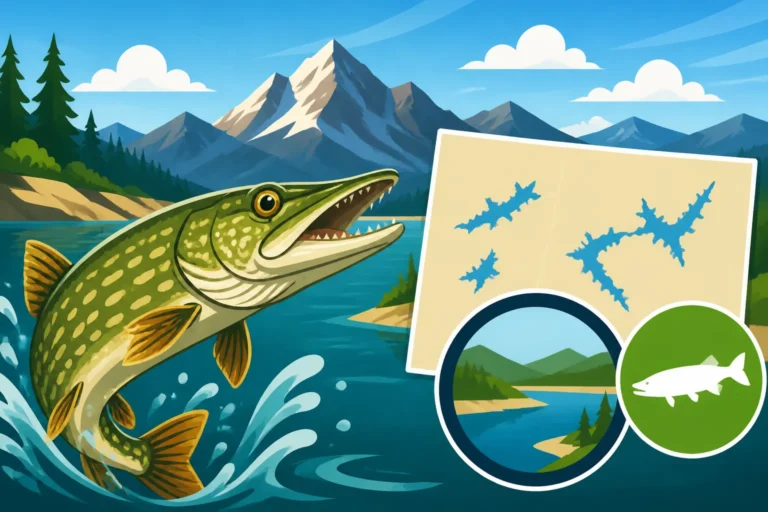
Northern Pike are among the most distinctive fish you'll encounter in Colorado waters, making them relatively easy to identify once you know what to look for. Their bodies are elongated and torpedo-shaped, perfectly adapted for explosive bursts of speed to ambush prey. Perhaps their most recognizable feature is their broad, flattened, "duck-bill" snout, which is lined with rows of razor-sharp, needle-like teeth – truly a sight to behold, and a reason for caution!
Their coloration typically ranges from a dark olive green to a lighter green, often fading to a creamy white on their belly. Along their sides, you'll notice distinctive lighter, bean-shaped spots or streaks that create a mottled pattern. A key anatomical feature for identification is their dorsal fin, which is set far back on their body, almost directly above their anal fin. This posterior placement of fins contributes to their incredible acceleration. Knowing these features is crucial for distinguishing them from other species, such as walleye, which have a much more elongated body and a spiny dorsal fin, or muskellunge, which are much rarer in Colorado and have different patterning. Always double-check your catch against a reliable fish identification guide if you're unsure.
Best Practices for Handling and Harvesting Pike
Given their formidable array of sharp teeth, handling a Northern Pike requires a good deal of caution to protect both yourself and the fish. It's a common mistake for inexperienced anglers to try and lip a pike like a bass, which can lead to serious injury. Instead, come prepared: a good pair of lip grippers, long-nosed pliers (at least 10-12 inches), and even a heavy-duty cut-resistant glove are highly recommended for safe handling and hook removal. Once you have the fish under control, always support its body properly, especially if it's a larger specimen, to prevent injury to its internal organs.
When it comes to harvesting, if regulations for the specific water body require or encourage you to keep pike, be prepared to do so humanely. A quick, decisive blow to the head is generally the recommended method for dispatching the fish. If you plan to keep pike for the table, remember they are excellent eating fish, so bring a cooler with ice to preserve the quality of the meat. Never let a mandatory-harvest fish go back into the water. Conversely, if you're in a water where catch-and-release is practiced or allowed for pike, handle the fish as little as possible, keep it in the water, and release it quickly. Always, always consult the current regulations for the specific water you are fishing to understand whether harvest is mandatory, encouraged, or restricted.
Essential Gear for Targeting Northern Pike in Colorado
Successfully targeting Northern Pike in Colorado isn't just about knowing where they are; it's also about having the right tools for the job. These powerful predators demand tackle that can withstand their explosive strikes and determined fights. Getting your setup dialed in beforehand will dramatically increase your chances of success and enjoyment.
Rods, Reels, and Lines for Pike
Pike fishing is not for light tackle. These fish are powerful, and their strikes can be absolutely brutal, so your gear needs to be up to the task. You'll want to invest in medium-heavy to heavy action fishing rods, typically ranging from 6'6" to 7'6" in length. This rod power provides the backbone needed to cast large, heavy lures and to effectively set the hook into a pike's bony mouth. The length offers good leverage for fighting strong fish and making longer casts from shore or boat.
For reels, both spinning and baitcasting setups work well, but ensure your chosen reel has a smooth, reliable drag system and ample line capacity. Pike make powerful runs, and a slipping or jerky drag can lead to lost fish. When it comes to line, braided line is a popular choice among pike anglers for very good reasons. Ranging from 30 to 65 lb test, braided line offers incredible strength, minimal stretch for excellent sensitivity, and resistance to abrasion. However, the absolute most crucial component of your line setup is a steel or heavy fluorocarbon leader. Those razor-sharp teeth will make short work of monofilament or standard fluorocarbon main lines. A leader of at least 12-18 inches will prevent bite-offs and save you from losing expensive lures and, more importantly, trophy fish. You can find robust braided lines and reliable leaders on Amazon from various reputable brands.
Lures and Baits That Attract Pike
Northern Pike are aggressive visual predators, and they respond exceptionally well to lures that mimic their natural prey or simply trigger their predatory instincts. This means you'll want to stock your tackle box with a selection of large, flashy lures that create a lot of commotion in the water. Some of the most effective choices include spinnerbaits, often those with big blades that flash and vibrate strongly. Many anglers find great success with spinnerbaits like those you'd find on Amazon from companies such as Strike King or Booyah. Large spoons, such as the classic Dardevle, are also perennial favorites for their wobbling action and reflective flash.
Jerkbaits and swimbaits, especially those designed to imitate larger baitfish, can also be incredibly effective, particularly when retrieved with an erratic action. Don't be afraid to go big with your lure choices; pike are known to hit lures that seem disproportionately large for their size! Beyond artificials, live bait can also be highly effective where legal. Large shiners or suckers, fished under a bobber or on the bottom, can entice even the most wary pike. Always remember to check local bait regulations before heading out, as restrictions on live bait can vary by water body. Sometimes, even dead bait, particularly large oily fish, fished on the bottom can entice a hungry pike, especially during colder months. Knowing Best Lures for Northern Pike in Colorado Reservoirs can help you fill your tackle box, and How to Fish a Spinnerbait for Colorado Pike provides great technique tips.
| Water Type / Management Goal | Typical Northern Pike Regulation | Example Waters (Check Current Regs) | Primary Rationale |
|---|---|---|---|
| Warmwater/Mixed Fishery | No bag/possession limits; harvest encouraged | Pueblo Reservoir, John Martin Reservoir, Navajo Reservoir | Balance ecosystem, provide diverse angling, reduce pressure on other species |
| Native Species Recovery | Mandatory harvest; active removal by CPW | High-country lakes, specific river stretches for cutthroat trout | Protect endangered/threatened native fish populations from predation |
| Gold Medal Waters | Mandatory harvest; active removal by CPW | Sections of the South Platte, some high-quality trout streams | Preserve exceptional wild trout fisheries and their habitat |
| Other Coldwater Fisheries | Liberal bag limits (e.g., 10 fish); harvest encouraged | Eleven Mile Reservoir, Spinney Mountain Reservoir | Manage predator populations to benefit other sport fish (e.g., Kokanee salmon) |
Disclaimer
This article is for general informational purposes only and does not constitute professional advice. Laws, prices and regulations vary by location and change over time. Consult a qualified professional for guidance on your specific situation.