Colorado’s Endangered and Threatened Fish
It's a sobering thought, but many of the beautiful, wild places we love to fish in Colorado are also home to some incredibly vulnerable species, struggling to survive against a changing landscape. It can feel overwhelming to think about, especially when you just want to enjoy a peaceful day on the water, but understanding the challenges faced by Colorado's endangered and threatened fish isn't just for biologists or policymakers – it's crucial for every angler who cares about the future of our state's aquatic heritage. This guide aims to shed light on these precious native species, what makes them endangered or threatened, and how we, as responsible stewards of the outdoors, can play a part in their protection.
The Harsh Reality of Colorado's Aquatic History
Colorado, with its stunning mountains and sprawling plains, offers a diverse array of aquatic habitats. Yet, beneath the surface, a silent crisis has been unfolding for decades. Many of our native fish, those that have called these rivers and lakes home for millennia, are now struggling simply to exist. It's a complex issue, far more intricate than just one factor, and it impacts the very essence of what makes Colorado's fisheries unique.
Why Our Native Fish Face Such Challenges
When we talk about the challenges facing native fish, we're really looking at a perfect storm of environmental changes and human impacts. Imagine a fish species that has evolved over thousands of years to thrive in a specific river system, adapted to its flow, temperature, and food sources. Now, picture that same river being dammed, diverted for irrigation, or subjected to dramatically altered flow regimes. The native species, which once flourished, suddenly finds its home fundamentally changed. This loss of suitable habitat is arguably the biggest culprit. Dams fragment rivers, blocking migration routes for fish that need to move upstream to spawn. Water diversions reduce flows, leaving critical stretches dry or too warm.
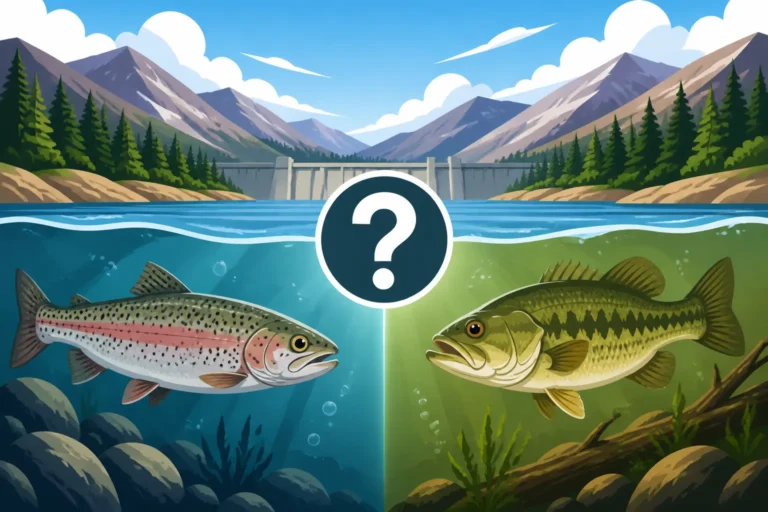
Beyond habitat alteration, the introduction of non-native species has been a monumental problem. Historically, game fish like rainbow trout and brown trout were widely stocked to create recreational fisheries. While these species provide incredible angling opportunities, they often outcompete native fish for food and habitat, and sometimes even prey directly on them. Hybridization, where a native species breeds with a non-native one, can also dilute the genetic purity of native populations, making them less resilient. Disease transmission from stocked fish to native populations is another very real concern. It's a complicated legacy where good intentions for sport fishing inadvertently created long-term challenges for the original inhabitants of our waters.
The Delicate Balance of Colorado's Ecosystems
Colorado's aquatic ecosystems are incredibly interconnected and fragile. Every species, from the tiniest invertebrate to the largest native fish, plays a role in maintaining that balance. When one species declines, it sends ripples through the entire system. For instance, many of our native fish are crucial indicators of river health; their presence or absence can signal changes in water quality, temperature, or flow that might otherwise go unnoticed until it's too late. The rivers of the Colorado River basin, in particular, are unique systems that historically experienced dramatic seasonal fluctuations in flow, temperature, and turbidity. Native fish evolved to cope with these "flashy" conditions. Modern water management, which seeks to control and stabilize flows, often creates environments that favor non-native species and put immense stress on natives.
The very nature of our mountainous terrain means that many river systems are relatively isolated, leading to unique subspecies and populations that are highly adapted to their specific niche. This also makes them particularly vulnerable. A single major habitat disturbance, a localized pollution event, or the introduction of an aggressive non-native species can wipe out an entire isolated population, leading to the rapid decline of a species across its limited range. Recognizing this delicate balance is the first step toward understanding why conservation efforts are so vital and why Colorado's Endangered and Threatened Fish require such focused attention.
Understanding the Difference: Endangered vs. Threatened
When you hear terms like "endangered" and "threatened," it's easy to lump them together as just "in trouble." But in the world of conservation and legal protection, these terms have very specific meanings, and those distinctions drive different levels of management and recovery efforts. It's important for anglers to grasp this, as it influences everything from fishing regulations to the long-term outlook for a species.
What "Endangered" Truly Means for a Species
For a species to be classified as "endangered" under federal law, it means it is in danger of extinction throughout all or a significant portion of its range. This isn't just about a local population being small; it's about the species facing an imminent, high risk of disappearing forever. Think of it like a patient in critical condition in the intensive care unit. Every effort is being made to stabilize and recover the species, often involving intensive habitat restoration, captive breeding programs, and strict protections against any further harm.
For anglers, encountering an endangered species usually comes with very clear directives: strict catch-and-release rules, often requiring barbless hooks, or even complete closure of certain areas during critical spawning periods. The penalties for harming or possessing an endangered species are severe, reflecting the urgency of their situation. The ultimate goal for an endangered species is to improve its status to the point where it can be downlisted to "threatened" and eventually removed from the list entirely. It's a long, uphill battle, requiring immense dedication and resources, but the success stories, like that of the bald eagle, show it's possible.
The Critical Status of "Threatened" Species
A "threatened" species, while also in peril, is considered likely to become endangered in the foreseeable future throughout all or a significant portion of its range. Using our medical analogy, this is like a patient who is seriously ill but not yet in immediate critical danger. There's a clear warning, a strong indication that without intervention, things will get much worse. The classification allows for more flexibility in conservation strategies, often focusing on preventing the species from declining further and implementing proactive measures to bolster populations.
While regulations for threatened species might be less stringent than for endangered ones, they are still very much about protection. Anglers may encounter catch-and-release guidelines, specific gear restrictions, or limitations on harvest. The emphasis is on preventing that slide into endangered status by addressing the root causes of decline before it's too late. For example, some populations of Colorado's Native Cutthroat Trout Subspecies might be considered threatened in certain areas, prompting efforts to restore their habitat and manage non-native interactions. Both classifications demand our respect and vigilance on the water, understanding that the health of these populations directly reflects the health of our larger aquatic environment.
Spotlight on Colorado's Federally Protected Fish
Colorado is home to several federally protected fish species, primarily concentrated in the vast and complex Colorado River Basin. These are ancient inhabitants of these waters, having adapted over millennia to the unique, often harsh, conditions of the high desert rivers. Their stories are a testament to nature's resilience, but also a stark reminder of the profound impact human activity can have.
The Colorado Pikeminnow: A River Giant's Struggle
Imagine a fish that can grow over six feet long and weigh more than eighty pounds, a true apex predator of its river system. That's the Colorado pikeminnow (Ptychocheilus lucius), often called the "white salmon" by early settlers. This magnificent fish is the largest native minnow in North America and historically roamed throughout the entire Colorado River system, migrating hundreds of miles to spawn. It's a powerful, streamlined fish, perfectly adapted to the turbulent, silty flows of a wild river.
Sadly, the Colorado pikeminnow is now federally endangered. Its decline is directly linked to the extensive damming and alteration of the Colorado River and its major tributaries. Dams like Glen Canyon and Flaming Gorge block its migration routes, change the river's temperature regimes (making them too cold in some areas for spawning), and reduce the natural seasonal floods that were crucial for shaping its habitat. Non-native predatory fish, stocked for sport, also pose a significant threat, especially to juvenile pikeminnow. Recovery efforts involve maintaining adequate water flows, modifying dam operations to mimic natural conditions, and managing non-native species. For anglers fishing the Green, Yampa, or Colorado Rivers, it's vital to know that if you accidentally catch one of these rare giants, it must be released immediately and unharmed. Why the Colorado Pikeminnow Is Protected explains more about the severity of their situation.
Humpback Chub: Master of the Canyons
The humpback chub (Gila cypha) is a remarkable fish, perfectly engineered for life in the fast, turbulent waters of the Colorado River's deep canyons. Its distinctive, fleshy hump behind the head, large fins, and slender, scale-less tail are adaptations that allow it to navigate powerful currents and avoid being swept away. This fish thrives in the extreme conditions of places like the Black Canyon of the Gunnison and Grand Canyon, utilizing eddies and side channels.
Like the pikeminnow, the humpback chub is federally endangered, facing similar threats from habitat alteration and non-native fish. Dams have changed water temperatures and flows, impacting their spawning and rearing grounds. Predation by non-native rainbow trout, particularly in tailwater sections, is a significant problem for juvenile chub. Conservation efforts focus on managing dam operations to create more favorable conditions, controlling non-native fish populations, and protecting critical canyon habitats. Understanding What the Humpback Chub Is and Where It Lives is key for anyone fishing in the lower stretches of the Gunnison or Colorado Rivers, where these unique fish still persist.
Bonytail Chub: The Rarest of Them All
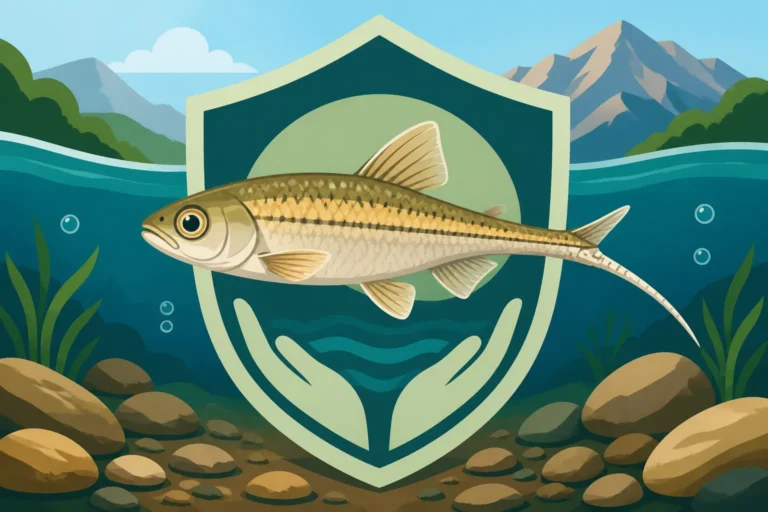
If the Colorado pikeminnow is the giant and the humpback chub is the canyon acrobat, then the bonytail chub (Gila elegans) is the ghost of the Colorado River. This fish is considered the rarest of the four federally endangered native fish in the Colorado River basin and is often described as the most imperiled native fish in North America. It's a graceful, streamlined fish with a very slender caudal peduncle (the narrow part of the body leading to the tail fin), giving it its "bonytail" name. Historically, it was widespread, but never abundant.
The bonytail chub's decline has been catastrophic, primarily due to habitat loss and the introduction of non-native species. Its preference for slower, warmer backwater habitats was often targeted for agricultural diversions and reservoir construction. With less natural habitat, it became highly susceptible to predation and competition from non-native species. Today, wild populations are extremely scarce, and most recovery efforts rely heavily on hatchery propagation and stocking into carefully managed, protected habitats, often with barriers to prevent non-native fish from entering. Learning about What the Bonytail Chub Is and Why It's Protected truly highlights the urgency of conservation for these precious fish.
Razorback Sucker: Resilient, Yet Vulnerable
The razorback sucker (Xyrauchen texanus) is another one of Colorado's unique native fish, distinguished by a prominent, bony keel on its back, giving it its namesake "razorback" appearance. This long-lived species can grow quite large, sometimes reaching up to three feet in length, and it's adapted to the wide, shallow, and often turbid main channels of the Colorado River and its major tributaries. Historically, it was an important food source for Native American tribes and early settlers.
Despite its size and longevity, the razorback sucker is also federally endangered. Like its endangered counterparts, habitat alteration from dams, flow regulation, and the introduction of non-native fish have devastated its populations. The loss of critical floodplain spawning habitats, which were seasonally inundated by natural floods, has severely impacted their ability to reproduce successfully. Young razorback suckers are particularly vulnerable to predation by non-native fish. Intensive recovery programs are underway, involving hatchery rearing, stocking, and efforts to restore essential spawning and nursery habitats. If you're fishing in the lower parts of the Yampa or Green Rivers, keep an eye out for these unique fish and always release them carefully if caught, following guidelines like those mentioned in What to Do If You Catch an Endangered Fish by Accident.
Here's a quick overview of these federally protected species:
| Species | Status | Distinctive Feature | Primary Threat | Key Habitat Type |
|---|---|---|---|---|
| Colorado Pikeminnow | Endangered | Large (up to 6 ft), streamlined | Dams, habitat loss, non-native predation | Mainstem rivers, long migrations |
| Humpback Chub | Endangered | Pronounced fleshy "hump" | Dams, altered flows, non-native predation | Deep canyons, turbulent rapids |
| Bonytail Chub | Endangered | Slender body, narrow tail base | Habitat loss (backwaters), non-native competition | Slow-moving backwaters, eddies |
| Razorback Sucker | Endangered | Bony keel/ridge on its back | Habitat loss (floodplains), non-native predation | Mainstem rivers, floodplain wetlands |
State-Level Protections and Species of Concern
Beyond the federally listed endangered and threatened species, Colorado Parks and Wildlife (CPW) also identifies species of "state concern" that may not yet meet federal criteria but are facing significant challenges within the state. These species are often native to Colorado and are under management to prevent them from becoming federally listed. This category often includes some of our beloved trout, highlighting that even iconic species can be vulnerable.
Greenback Cutthroat Trout: A Story of Recovery and Redefinition
The greenback cutthroat trout (Oncorhynchus clarkii stomias) holds a special place in Colorado's heart – it's our state fish. However, its history is a complex and often misunderstood saga of near extinction, scientific discovery, and dedicated recovery. Historically, greenbacks were believed to be found throughout the South Platte River Basin. Intensive fishing, habitat degradation, and especially the widespread stocking of other trout species led to their near disappearance by the early 20th century. For decades, it was thought that only a few isolated, pure populations remained.
More recently, extensive genetic research revealed a fascinating twist: many of the populations previously identified as "pure" greenbacks were actually another subspecies, the Colorado River cutthroat. The true greenback cutthroat, as defined by its unique genetic lineage, was found to exist in only a handful of tiny, isolated streams, clinging to survival. This redefinition, while initially confusing, has invigorated conservation efforts, focusing on identifying, protecting, and expanding these genetically pure populations. While the species as a whole is federally threatened, specific, genetically pure populations are considered critical. CPW, along with federal partners, works tirelessly to restore their native habitat and protect them from hybridization and competition. Anglers interested in truly native fish can learn more in Colorado's State Fish, the Greenback Cutthroat Trout and Greenback Cutthroat Trout Recovery in Colorado.
Rio Grande Cutthroat Trout: High-Altitude Survivor
Another of Colorado's native cutthroat subspecies, the Rio Grande cutthroat trout (Oncorhynchus clarkii virginalis), is native to the Rio Grande River basin in southern Colorado and New Mexico. These beautiful trout are adapted to the unique, often intermittent, and high-altitude stream systems of the San Luis Valley and surrounding mountains. They exhibit the classic red-orange "cutthroat" slash under their jaw and a distinctive spotting pattern.
While not federally listed as endangered, the Rio Grande cutthroat trout is considered a sensitive species and a conservation priority in Colorado. Its primary threats mirror those of other native cutthroats: habitat fragmentation from diversions and dams, and genetic introgression (hybridization) with non-native rainbow trout or other cutthroat subspecies that have been stocked outside their native range. Many populations are now isolated in small, headwater streams, which protects them from non-natives but also makes them vulnerable to localized disturbances like wildfires or drought. Efforts to restore Rio Grande cutthroat involve removing non-native fish, improving stream habitat, and carefully translocating pure populations to historical habitats. If you find yourself fishing in the Rio Grande basin, knowing What Rio Grande Cutthroat Trout Look Like and the importance of catch-and-release for these fish is invaluable.
Roundtail Chub: A Lesser-Known Native
The roundtail chub (Gila robusta) is a lesser-known but equally important native fish to Colorado's western slope. Part of the Gila genus, like the humpback and bonytail chub, it shares some of their robust, river-adapted characteristics but lacks the extreme specializations for canyon life. It's a generalist, typically found in a wider range of habitats, from large rivers to smaller tributaries, often favoring rocky pools and runs.
While not federally listed as endangered, the roundtail chub is a species of concern in Colorado. Its populations have declined significantly in many parts of its historical range, largely due to habitat degradation, altered flow regimes from dams, and the persistent threat of non-native fish predation and competition. As more and more water is diverted from the mainstem rivers for human use, the habitats the roundtail chub depends on become increasingly fragmented and degraded. Conservation efforts for the roundtail chub involve habitat restoration, ensuring adequate stream flows, and managing non-native fish populations, particularly in critical recovery areas. Protecting these fish often means preserving the health and natural dynamics of entire river systems, which benefits all the species within them, including popular game fish. This species, and others like it, underscore the importance of understanding the bigger picture of Colorado's Endangered and Threatened Fish.
How Anglers Can Help Protect These Vulnerable Fish
As anglers, we have a unique connection to the water and its inhabitants. This connection comes with a responsibility, particularly when it comes to the vulnerable native fish that call Colorado home. Our actions, however small, can make a difference in their survival. It's not just about following regulations; it's about being an informed and ethical steward of the resource.
Identifying Native Fish and Best Practices for Release
One of the most immediate ways anglers can help is by learning to correctly identify the fish they catch, especially the native species. This might seem daunting at first, given the similarities between some trout and chub species, but with a little practice and perhaps a good field guide (easily found on platforms like Amazon), it becomes second nature. Pay attention to subtle differences in fin shape, mouth position, spotting patterns, and the presence or absence of a "cutthroat" slash. Many online resources and even physical pamphlets available at CPW offices provide excellent identification guides. For more general guidance on all our trout, check out Colorado's Trout Species, A Field Guide.
When you're fishing in areas known for native or protected species, always assume catch-and-release is the best practice. If you do catch a suspected native or protected fish, follow these best practices for release:
- Handle with care and minimize air exposure: Keep the fish in the water as much as possible. If you must lift it, do so gently, supporting its body.
- Wet hands: Always wet your hands before touching a fish to protect its delicate slime coat, which is vital for preventing disease.
- Barbless hooks: Using barbless hooks makes it much easier to remove the hook quickly and cleanly, reducing stress and injury to the fish. You can buy barbless hooks or simply crimp down the barb on your existing hooks with pliers.
- Remove the hook quickly: Use forceps or a hemostat to carefully remove the hook. If the fish is deeply hooked, cut the line as close to the hook as possible rather than tearing at its gills or throat.
- Revive the fish: Hold the fish gently in the current, facing upstream, until it can swim away on its own. Don't simply toss it back; make sure it's strong enough to orient itself.
- Know what to do if you catch an endangered species: Familiarize yourself with What to Do If You Catch an Endangered Fish by Accident, which outlines specific steps you must take.
These practices aren't just for protected species; they're good etiquette for all catch-and-release fishing, ensuring that the fish you release has the best chance of survival.
Supporting Conservation Efforts
Beyond individual actions on the water, there are many ways to support broader conservation efforts for Colorado's native fish. Financial contributions to organizations dedicated to aquatic conservation are always welcome. Groups like Trout Unlimited, Colorado Water Trust, and local watershed councils work on the ground to restore habitats, improve water quality, and advocate for sustainable water management policies. Many fly shops also partner with conservation groups and can point you toward local initiatives.
Another significant way to contribute is through citizen science. Some conservation projects involve volunteer efforts for habitat surveys, trash cleanups, or even assistance with fish monitoring. Getting involved directly not only helps the fish but also deepens your understanding and appreciation for these ecosystems. Even something as simple as purchasing your fishing gear from companies that donate a portion of their profits to conservation (some brands sold on Amazon explicitly state this) can indirectly support these crucial programs.
Finally, and perhaps most importantly, support for sound science and adaptive management is vital. Conservation isn't static; it evolves with new information. Being open to regulations that prioritize native fish recovery, even if they occasionally limit angling opportunities in specific areas, is a testament to a true conservation ethic.
Understanding and Following Regulations
The most fundamental way anglers contribute to native fish protection is by rigorously understanding and following all Colorado fishing regulations. These rules are not arbitrary; they are carefully crafted by Colorado Parks and Wildlife (CPW) biologists to manage fish populations, protect vulnerable species, and ensure sustainable fisheries for the future.
This means reading the current year's Colorado Fishing Regulations Every Angler Should Know brochure thoroughly before you head out. Pay close attention to:
- Special regulations for specific waters: Many rivers or sections of rivers have unique rules regarding bag limits, size limits, bait restrictions (e.g., barbless hooks only, no live bait), or even season closures. Gold Medal Waters, for example, often have stringent catch-and-release or restrictive harvest rules. Reviewing Colorado Gold Medal Water Regulations Explained can offer insight into these details.
- Species-specific rules: Limits and rules can vary dramatically by fish species. Knowing Colorado Bag and Possession Limits by Species is essential.
- Identification: The regulations brochure will often include images and descriptions to help you distinguish between species, especially native cutthroats and their non-native cousins. This is particularly important for Identifying Colorado's Native vs Stocked Trout.
If you're unsure about a regulation, err on the side of caution or contact CPW directly for clarification. Ignorance of the law is never an excuse. By being diligent and responsible, we ensure that our passion for fishing doesn't inadvertently harm the very resources we cherish. Our collective actions, both big and small, are the lifeline for Colorado's endangered and threatened fish.
Disclaimer
This article is for general informational purposes only and does not constitute professional advice. Laws, prices and regulations vary by location and change over time. Consult a qualified professional for guidance on your specific situation.