Where to Catch Wiper in Colorado
Oh, the thrill of chasing wiper in Colorado! If you've ever felt that jolt when a hard-fighting fish nearly rips the rod out of your hands, then you know exactly why so many anglers are captivated by these powerhouse hybrids. Trying to pinpoint exactly where these elusive, hard-hitting fish hang out can feel like a guessing game, but don't worry, this guide is here to help you unlock the secrets to finding and catching wiper across our beautiful state.
Understanding the Wiper in Colorado
Before we dive into the best places to hook into a wiper, it's really helpful to understand what makes these fish so unique and why they're such a blast to catch. They're not your typical trout, that's for sure, and their habits and preferred habitats are quite different from the coldwater species many of us are used to.
What Exactly is a Wiper?
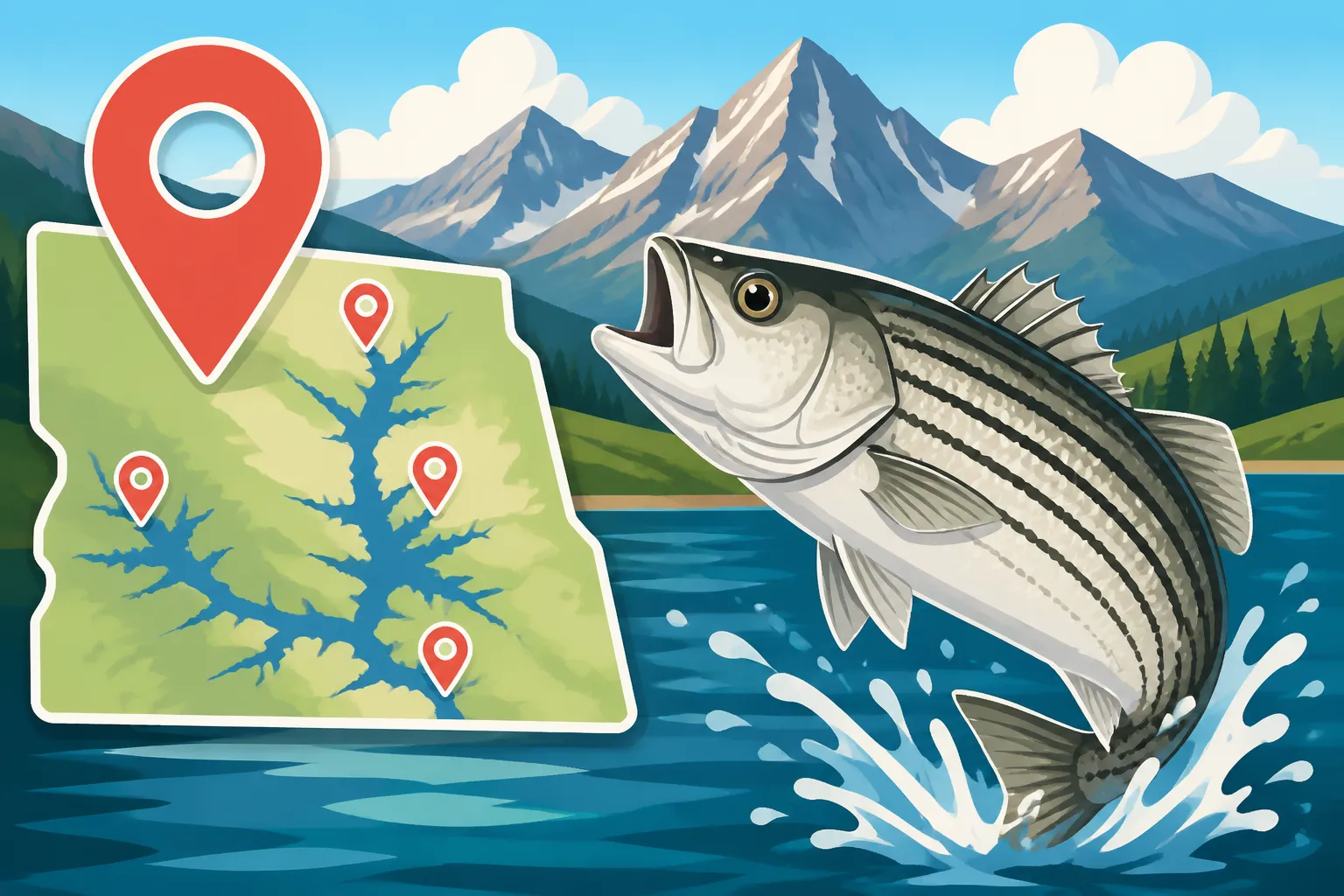
First things first, let's clear up any confusion: What Is a Wiper, and Is It a Real Species?. A wiper isn't a naturally occurring species; it's a fascinating hybrid created by crossing a female striped bass with a male white bass. Think of it as nature's ultimate fighting machine, engineered for speed, power, and an aggressive appetite. Colorado Parks and Wildlife (CPW) specifically stocks these fish in certain reservoirs because they thrive in conditions that might be less ideal for some of our other popular sport fish. They grow quickly, fight incredibly hard, and are a fantastic addition to the angling opportunities here. You'll often hear them referred to as Wiper, Colorado's Hybrid Striped Bass, and for good reason—they truly combine the best fighting qualities of both parent species.
They tend to have a more robust body shape than a pure white bass, often with broken or irregular stripes along their silvery sides. The coloration can vary a bit depending on the water they live in, but that strong, muscular build is a dead giveaway. Their diet is primarily made up of smaller baitfish, which is why they grow so large and put up such a tremendous fight. When you hook into one, expect long, drag-screatching runs and powerful head shakes—it's truly an experience!
Why Wiper are So Popular
Wiper are absolutely beloved by many Colorado anglers for a few key reasons. For starters, their fight is legendary. They hit lures with a vengeance and then pull like a freight train. It's not uncommon for anglers to mistake a medium-sized wiper for a much larger fish, simply because of the sheer power they exhibit. This makes them an exciting target for both seasoned anglers seeking a challenge and those new to the sport looking for some serious action. You won't be bored waiting for a bite when targeting wiper!
Beyond their fighting prowess, wiper are also excellent table fare. Their white, flaky meat is delicious, making them a dual-purpose fish that provides both thrilling sport and a tasty meal. This combination of an exhilarating fight and a rewarding culinary experience definitely adds to their appeal. Plus, they tend to school, so when you find them, you can often find a lot of them, leading to some truly memorable days on the water.
Colorado's Wiper Management
Colorado Parks and Wildlife plays a crucial role in managing wiper populations across the state. Since these fish are sterile hybrids, they cannot reproduce in our waters, which means their populations are entirely dependent on CPW's stocking efforts. This is a deliberate strategy to control populations and ensure they don't impact native fish species, while still providing fantastic fishing opportunities. The stocking programs are carefully planned to introduce wipers into reservoirs where they have ample forage and ideal habitat conditions to thrive.
The primary purpose of stocking wiper is often to help control populations of nuisance forage fish, like gizzard shad. Wipers are voracious predators, and by introducing them, CPW can maintain a healthier ecological balance in some of our larger reservoirs. This means that while you're enjoying a fantastic fight, you're also participating in a fishing program that serves an important ecological role. It's a win-win for everyone involved. Keeping an eye on Reading Colorado's Weekly Stocking Report can sometimes give you clues, though wiper stockings are often less frequent and in larger batches than trout.
Top Colorado Reservoirs for Wiper Fishing
Alright, now for the good stuff! Knowing what wiper are is one thing, but knowing where to find them is the key to success. Colorado has a number of incredible reservoirs that are prime wiper territory, each with its own nuances and best times to visit.
Front Range Hotspots
For those of us living along the Front Range, we're lucky to have some fantastic wiper fisheries right in our backyard. These are often large, accessible reservoirs that can provide incredible action, especially during certain times of the year.
- Chatfield Reservoir: This Denver-area gem is absolutely renowned for its wiper fishing. Fishing Chatfield Reservoir offers a huge expanse of water, and its deep channels and abundant forage make it a perfect home for wipers. Anglers here often target them near the inlets, around submerged structures, or patrolling open water. Early mornings and evenings during the warmer months are prime times. Look for birds diving, which often indicates baitfish being pushed to the surface by actively feeding wiper. Trolling with crankbaits or casting spoons are popular and effective methods here. You'll often find them chasing schools of shad, so if you can locate the shad, you'll likely find the wiper.
- Cherry Creek Reservoir: Another popular Front Range lake, Fishing Cherry Creek Reservoir also boasts a healthy wiper population. Similar to Chatfield, the key here is often locating baitfish. The reservoir's diverse structure, including points, drop-offs, and weed lines, can all hold wiper. Many anglers find success by covering water with fast-moving lures like Kastmasters, rattle traps, or lipless crankbaits. The warmer months, from late spring through fall, tend to be the most productive. Keep an eye out for surface boils, as wipers will often chase baitfish right to the top, creating explosive feeding frenzies.
- Pueblo Reservoir: Heading south a bit, Fishing Pueblo Reservoir in Southern Colorado is a phenomenal destination for wiper, and often produces some of the biggest ones in the state. This reservoir is known for its deep, clear waters and a robust population of shad, which fuels the growth of its hard-fighting wipers. Anglers often have great success trolling deep-diving crankbaits or casting large swimbaits and spoons near points and rocky ledges. The sheer size of Pueblo means you'll need to cover some water, but the reward of a trophy wiper is well worth the effort. It's a favorite among serious wiper enthusiasts for good reason.
Eastern Plains Gems
Don't overlook Colorado's Eastern Plains for some exceptional wiper action. While these reservoirs might be a bit of a drive for some, they can offer less crowded fishing and truly incredible catches, especially if you're willing to explore.
- John Martin Reservoir: Out on the southeastern plains, Fishing John Martin Reservoir on the Eastern Plains is a fantastic, often overlooked spot for wiper. This large reservoir, fed by the Arkansas River, is known for its warm, nutrient-rich waters and a thriving population of shad, which makes it a perfect habitat for wiper to grow big and feisty. Anglers often find success here casting jigs, spoons, or crankbaits from shore or boat. The relatively shallow nature of parts of the lake means wiper can be found cruising near the surface or along submerged structures. Look for areas where wind pushes baitfish, as wiper will often follow this food source.
- Jackson Lake State Park: Located in northeastern Colorado, Fishing Jackson Lake State Park on the Eastern Plains is another excellent choice for wiper. This shallower, warmer lake is packed with baitfish, leading to a healthy and aggressive wiper population. It's a great spot for both boat and shore anglers. Trolling with spoons or crankbaits, especially around the main lake points and flats, can be very productive. Early morning and late evening bites can be particularly hot. Many anglers enjoy the less pressured feel of this plains fishery compared to some of the more popular Front Range spots, and the wiper here are just as hard-fighting.
Other Notable Wiper Waters
While the above reservoirs are your best bets, a few other spots sometimes offer good wiper opportunities, depending on stocking cycles and water conditions. It's always a good idea to check the latest CPW stocking reports and local fishing forums for current information.
- Boyd Lake State Park: Near Loveland, Fishing Boyd Lake State Park Near Loveland can occasionally produce good wiper action, though perhaps not as consistently as Chatfield or Pueblo. It's a beautiful lake with plenty of recreation, and if you're there, it's worth tossing some lures for wiper, especially if you see any surface activity.
- Union Reservoir: Close to Longmont, Fishing Union Reservoir Near Longmont is another Front Range option where wiper might show up. It's a smaller, quieter lake in many ways, but its healthy ecosystem supports various species, including the occasional wiper.
When targeting any of these waters, remember that wiper are often nomadic. They follow their food, so understanding baitfish movements is crucial. Electronics can be a huge asset in locating schools of shad or other forage fish, which in turn will lead you to the wiper.
| Reservoir | Region | Key Features for Wiper | Common Tactics |
|---|---|---|---|
| Chatfield Reservoir | Front Range | Large, deep channels, abundant shad | Trolling crankbaits, casting spoons, rattle traps |
| Cherry Creek Reservoir | Front Range | Diverse structure, good shad populations | Fast-moving lures (spoons, lipless cranks) |
| Pueblo Reservoir | Southern CO | Deep, clear water, trophy potential, robust shad | Trolling deep-diving crankbaits, large swimbaits |
| John Martin Reservoir | Eastern Plains | Warm, nutrient-rich, ample forage | Casting jigs, spoons, crankbaits (shore or boat) |
| Jackson Lake State Park | Eastern Plains | Shallower, warm, plentiful baitfish | Trolling spoons/crankbaits, early/late bites |
| Boyd Lake State Park | Front Range | Good forage, general recreation area | Casting for active fish, occasional catches |
| Union Reservoir | Front Range | Smaller, healthy ecosystem | Locating baitfish schools, covering water |
Essential Techniques for Catching Wiper
Catching wiper isn't just about showing up at the right lake; it's also about having the right tools and knowing how to use them. These fish are powerful, and they demand tackle that can stand up to their aggressive nature.
Gear and Tackle Considerations
You don't want to bring a knife to a gunfight, and with wiper, that means beefing up your usual trout gear. You'll need a setup that can handle powerful runs and the shock of a sudden, violent strike.
- Rods and Reels: A medium-heavy to heavy action spinning or casting rod, typically 6'6" to 7'6" long, is ideal. This rod will give you the backbone needed to cast heavier lures and turn a hard-fighting fish. Pair it with a sturdy reel in the 3000-4000 series for spinning or a baitcaster with a good drag system. A robust drag is non-negotiable when targeting wiper; they will test it! For those who prefer to browse and compare options, many anglers find great deals on reliable gear for their Colorado adventures on Amazon.
- Line: Braided line, in the 20-30 pound test range, is a popular choice for wiper. Its no-stretch properties provide excellent sensitivity for detecting subtle bites and maximum power for setting the hook and fighting fish. You'll want to add a fluorocarbon leader, usually 12-20 pound test, to the end of your braid. Fluorocarbon is nearly invisible underwater, which can be critical in clear Colorado waters, and it offers good abrasion resistance against sharp teeth or rocky structures.
- Terminal Tackle: Strong, sharp hooks are a must. Many lures come with decent hooks, but consider upgrading them to heavier-gauge trebles or single hooks if you're consistently losing fish or bending hardware. Swivels and snaps should also be robust enough to handle the stress of a fighting wiper.
Lures and Baits That Work
Wiper are predators, and they respond well to lures that mimic their natural prey or trigger an aggressive reaction strike.
- Artificial Lures:
- Spoons: Casting spoons like Kastmasters or Daredevils are classic choices. Their erratic flash and wobble mimic injured baitfish, making them irresistible. Silver, chrome, and gold finishes are often effective.
- Crankbaits and Lipless Crankbaits: These are excellent for covering water quickly and targeting various depths. Rattling lipless crankbaits, in particular, create a lot of vibration and sound that can call in wiper from a distance. Shallow-diving models work well when fish are near the surface, while deep-diving ones are great for trolling or reaching fish holding in deeper water. Look for colors that imitate shad or other local baitfish.
- Jigs: Bucktail jigs, grub jigs, or paddle tail swimbaits on jig heads can be incredibly effective, especially when fished around structure or drop-offs. Vary your retrieve, from a steady swim to a lift-and-drop presentation, until you find what the fish prefer.
- Topwater Lures: When wiper are actively busting bait on the surface, topwater plugs like poppers or walk-the-dog baits can provide some of the most exciting strikes you'll ever experience. Nothing beats watching a wiper explode on a surface lure!
- Live Bait: While artificials are incredibly effective, live bait can also be a game-changer, especially when fish are finicky. Live shad (where legal), shiners, or even large minnows can be rigged under a bobber or on a bottom rig. Always check Colorado Fishing Regulations Every Angler Should Know for specific bait restrictions for the water you're fishing. Some waters have strict rules about what live bait can be used, if any, to prevent the spread of invasive species.
Reading the Water and Seasonal Tactics
Wiper behavior changes with the seasons and even throughout the day. Understanding these patterns will significantly increase your chances of success.
- Spring: As water temperatures warm up, wiper become more active and start to feed aggressively after the colder winter months. They'll often move into shallower areas, especially northern banks that warm up first, to feast on emerging baitfish. This is a great time for casting spoons and lipless crankbaits from shore or boat.
- Summer: This is often prime time for wiper. They're highly active, especially during early mornings and late evenings. During the heat of the day, they might move to deeper, cooler water or school up in open water, often suspending over structure. Trolling becomes very effective during summer midday, as does watching for surface boils. During twilight hours, look for them pushing baitfish against shorelines or points.
- Fall: As water cools, wiper remain active, often putting on the feedbag in preparation for winter. This can be a fantastic time for trophy-sized fish, as they're trying to pack on weight. They might be found in a variety of depths, from shallow flats to deeper breaks. Continue using spoons, crankbaits, and even large swimbaits. Fall Fishing in Colorado, What Changes can impact wiper as well, as other species prepare for cooler weather.
- Winter: While not typically a primary target for ice fishing, some anglers do catch wiper through the ice, especially in reservoirs where they are abundant. Jigging spoons or larger soft plastics can sometimes entice a bite. However, they are generally less active and harder to target reliably in winter.
Always pay attention to water temperature, wind direction, and any visible signs of baitfish or feeding activity. Wiper are opportunistic feeders, and being in the right place at the right time is half the battle.
Planning Your Colorado Wiper Adventure
A successful fishing trip, especially for a powerful fish like the wiper, requires a bit of planning. From licenses to local knowledge, covering your bases will ensure a smoother and more enjoyable experience.
Licensing and Regulations
Before you even think about casting a line, you absolutely need to make sure you're legally prepared. Every angler over the age of 16 in Colorado needs a valid fishing license. This isn't just a formality; it's how we fund crucial conservation efforts and fish stocking programs across the state. You can find all the details you need in the Colorado Fishing License Guide for Residents and Nonresidents. Don't forget, if you're between 16 and 64, you'll also need a Habitat Stamp, which directly supports the habitat where these fish thrive. Do You Need a Habitat Stamp to Fish in Colorado? is a good resource if you have questions about that.
It's also imperative to familiarize yourself with the specific regulations for the body of water you plan to fish. Wiper often have general statewide limits, but some specific reservoirs might have their own rules regarding size, bag limits, or bait restrictions. Always check the current Colorado Parks and Wildlife fishing regulations brochure before heading out. Ignoring these rules can lead to hefty fines, and nobody wants that to spoil a day on the water.
Best Times to Go
While you can catch wiper almost year-round in Colorado, the absolute prime time for consistent action typically runs from late spring through early fall.
- Morning and Evening: Without a doubt, the low-light hours of dawn and dusk are often the most productive. Wiper are visual predators, and the reduced light allows them to ambush baitfish more effectively. These are also the times when baitfish are often most active.
- Overcast Days: Don't let a cloudy sky deter you. Overcast conditions can sometimes extend the prime feeding window beyond just dawn and dusk, as the subdued light keeps the fish more comfortable in shallower water for longer periods.
- Post-Storm: After a good rain, especially if it's stirred up the water a bit, wiper can go on a feeding frenzy. The cloudy water can disorient baitfish, making them easy targets. Just be sure to wait until any lightning has passed and river levels have stabilized if you're near inlets.
Maximizing Your Success
Beyond gear and timing, a few other tips can significantly boost your wiper catching ratio.
- Locate Baitfish: This is probably the single most important piece of advice for wiper fishing. Wiper are where the food is. Use your fish finder to mark schools of shad or other baitfish, or simply watch for surface activity like jumping baitfish or diving birds. If you find the bait, you'll find the wiper. How to Find Drop-Offs on a Colorado Reservoir or other structural elements can often concentrate baitfish.
- Cover Water: Wiper are often nomadic and can be found in large schools. Don't be afraid to move around until you locate active fish. Trolling is an excellent method for covering vast expanses of water, especially in the larger reservoirs like Pueblo or Chatfield. Consider different Trolling Techniques for Colorado Reservoirs to find what works best.
- Vary Your Retrieve: Don't stick to one speed or action. Experiment with fast retrieves, slow retrieves, jerks, pauses, and different depths until you crack the code for that particular day. Sometimes a subtle change is all it takes to trigger a strike.
- Stay Prepared: Wiper hits are often violent and unexpected. Always keep your rod in hand or within easy reach, and be ready for that sudden, powerful yank. Your drag should be set appropriately—tight enough to put pressure on the fish but loose enough to prevent your line from snapping on a strong run.
- Respect the Fish: While wiper are stocked and not native, practicing good catch-and-release techniques for fish you don't intend to keep is still important. Handle them gently, minimize their time out of the water, and ensure they swim away strong.
Chasing wiper in Colorado is an exhilarating experience, offering some of the most intense fights you'll encounter. With the right knowledge about their habits, the best places to find them, and effective techniques, you're well on your way to adding these powerful hybrid striped bass to your list of successful catches. Tight lines out there!
Disclaimer
This article is for general informational purposes only and does not constitute professional advice. Laws, prices and regulations vary by location and change over time. Consult a qualified professional for guidance on your specific situation.