How Wiper Compare to Striped Bass
It's easy to get confused when talking about "striped" fish, especially when you hear anglers in other states rave about striped bass, and then you come to Colorado and hear about something called a "Wiper." Are they the same thing? Do they fight similarly? Can you find them in the same waters? For many of us, the distinction isn't always clear, leading to misunderstandings about what you can actually target in Colorado's diverse fisheries. This guide will meticulously break down the differences and similarities between Wiper and true Striped Bass, focusing on their relevance to fishing here in the Centennial State, so you know exactly what to expect and how to approach each species.
Understanding the Wiper: Colorado's Hybrid Fighter
Let's start with the fish you will find in Colorado: the Wiper. The Wiper isn't a natural species in the wild; it's actually a hybrid, specifically a cross between a female Striped Bass (Morone saxatilis) and a male White Bass (Morone chrysops). This genetic combination was engineered by fisheries biologists to create a fast-growing, hard-fighting sport fish that thrives in large reservoirs and lakes, often in conditions where pure striped bass might struggle to establish a self-sustaining population. It's a fantastic management solution that gives anglers an incredible fishing opportunity.
The Origin and Biology of Wiper
The creation of the Wiper came about because fisheries managers were looking for a fish that could control populations of nuisance species like gizzard shad, while also providing a thrilling angling experience. They needed a fish that could grow large, fight hard, and adapt to varying reservoir conditions, especially in states without direct access to the ocean or massive river systems that support wild striped bass. The hybrid cross proved to be incredibly successful. Wiper are almost always sterile, meaning they cannot reproduce on their own, which gives fisheries managers excellent control over their populations. They rely entirely on stocking programs, so if you're fishing for Wiper in Colorado, you know they were put there by design to enhance the fishery.
Biologically, Wiper inherit traits from both parents. From the Striped Bass, they get their potential for significant size and their powerful, muscular build, which translates into those legendary fights. From the White Bass, they get a bit more tolerance for fluctuating water temperatures and slightly less demanding habitat requirements, making them more adaptable to inland lakes and reservoirs. This combination makes them perfectly suited for many of Colorado's larger impoundments, where they actively chase schools of baitfish, often erupting into spectacular feeding frenzies on the surface.
Identifying a Wiper
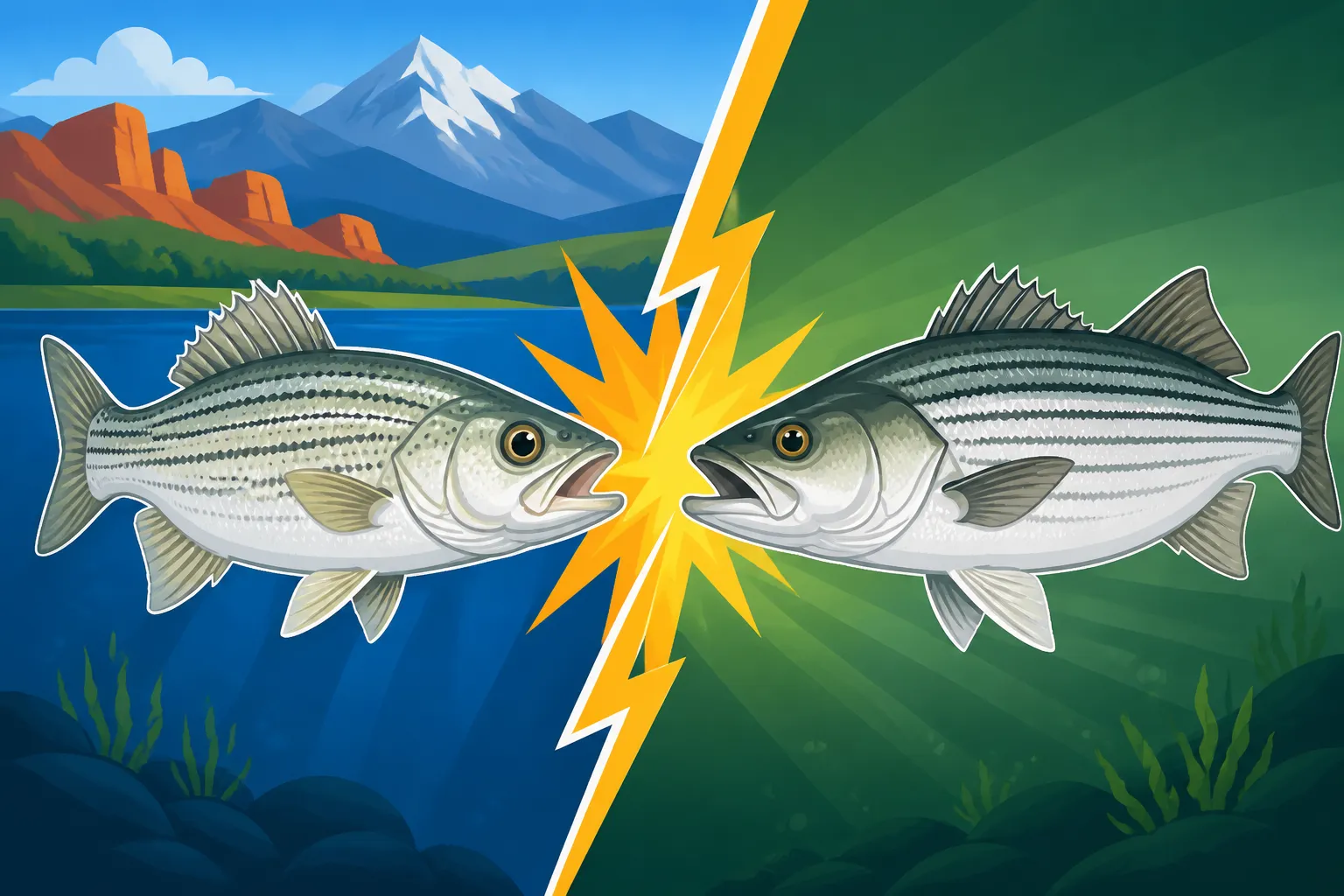
Spotting a Wiper can sometimes be tricky because they do share physical characteristics with both parent species. The most distinctive feature of a Wiper is their striped pattern. Unlike a true Striped Bass, which has continuous, unbroken horizontal stripes along its body, a Wiper will typically have broken or somewhat fragmented stripes. The stripes on a Wiper often look like they've been interrupted, especially below the lateral line, or they might appear faint and uneven in places. This is your primary visual cue when trying to differentiate them from their true Striped Bass cousins (if you ever somehow encountered one in Colorado!).
Another clue is their body shape. Wiper tend to be a bit more "football" shaped, deeper and more compact than the often-elongated pure Striped Bass, though this can vary with age and diet. Their coloration is generally silvery, often with a darker back, similar to many baitfish predators. When you're out on the water, whether you're trying to identify a catch or just learn about the species you're targeting, paying close attention to the continuity of those stripes is key. When stocking up on lures, consider searching for topwater poppers or crankbaits on Amazon that mimic shad, as these can be highly effective for surface-feeding Wiper.
Wiper in Colorado's Waters
Wiper have become a highly sought-after sport fish in Colorado, largely due to their aggressive nature and strong fighting ability. They are primarily found in several of the state's larger warmwater reservoirs and lakes, particularly those with good populations of gizzard shad or other forage fish. Places like Chatfield Reservoir, Cherry Creek Reservoir, and Pueblo Reservoir are well-known for their Wiper fisheries. These environments provide the ample open water and abundant food sources that Wiper need to grow large and healthy.
Anglers often target Wiper using a variety of methods, including casting lures, trolling, or even fly fishing during their exciting surface feeds. Trolling Techniques for Colorado Reservoirs can be particularly effective for locating schools of Wiper over large areas. They are known for their powerful runs and head shakes, making for an exhilarating fight on appropriate tackle. Catching a trophy Wiper in Colorado is a goal for many, and their presence adds a dynamic predatory element to our diverse reservoir ecosystems, providing a unique challenge distinct from our coldwater trout fisheries.
The True Striped Bass: A Different Beast
Now, let's talk about the true Striped Bass (Morone saxatilis). This is the fish that anglers on the East Coast and in some large river systems or landlocked reservoirs elsewhere in the country dream about. While the Wiper inherits many great traits from this species, a pure Striped Bass is a different animal altogether, both in its natural habitat and its presence (or lack thereof) in Colorado.
Natural Habitat and Life Cycle
True Striped Bass are anadromous fish, which means they spend most of their lives in saltwater (like the Atlantic Ocean along the East Coast) but migrate to freshwater rivers to spawn. This incredible life cycle is what defines them. During their spawning runs, they travel far up rivers, sometimes hundreds of miles, to lay their eggs in flowing water. After spawning, the adults return to the ocean, and the juvenile fish spend some time in estuaries before eventually making their way out to sea.
This anadromous nature is a fundamental difference that dictates where you'll find them. While some populations have been successfully introduced into large, landlocked freshwater systems in other states (like Lake Powell on the Arizona/Utah border, or various large reservoirs in the southeastern U.S. that have the unique conditions to sustain them), these are the exceptions rather than the rule. The specific environmental conditions needed for Striped Bass to naturally reproduce in freshwater, including long stretches of flowing river for egg incubation, are simply not common in Colorado's arid, high-altitude environment.
Distinguishing Characteristics of Striped Bass
As mentioned earlier, the primary visual difference between a pure Striped Bass and a Wiper lies in their stripes. A Striped Bass will have distinct, unbroken, and often prominent horizontal stripes running the entire length of its body, from gill plate to tail. These stripes are typically consistent and clearly defined. The body shape tends to be more elongated and streamlined, built for powerful cruising in open water, whether that's the ocean or a vast reservoir.
They also tend to grow significantly larger than Wiper, with trophy fish in coastal waters regularly exceeding 50 pounds, and some landlocked specimens also reaching impressive sizes. While Wiper can reach good sizes in Colorado (often over 10 pounds), they typically don't reach the sheer mass and length of a mature Striped Bass. The power and stamina of a large Striped Bass are legendary among anglers, and the fight is often described as a sustained, brute-force battle. You can often find specialized heavy-duty tackle designed for these monsters available on Amazon, something you might not typically need for Wiper in Colorado.
Why Striped Bass Aren't a Target in Colorado
This is the crucial point for Colorado anglers: true, pure Striped Bass are generally not found in Colorado's waters in any significant, fishable capacity. Our state simply lacks the natural, anadromous river systems that the species requires to reproduce. Even if they were stocked, without suitable spawning habitat, they would quickly become a put-and-take fishery, and the focus of Colorado Parks and Wildlife (CPW) has historically been on the more adaptable Wiper hybrid for warmwater predator management.
So, when you hear about "striped bass fishing" in a broad sense, remember that in Colorado, it almost invariably refers to fishing for Wiper. While it's theoretically possible for an isolated, accidental stocking of pure striped bass to occur, or for a very small number to survive from introductions that didn't take hold, they are not a target species, nor are they sustained in our waters. If you're looking for a "striped bass" experience in Colorado, the Wiper is your closest, and indeed, your only real option for consistent angling. Colorado's Warmwater vs Coldwater Fish Species further clarifies the types of environments and fish you can expect in our state.
Key Differences in Colorado's Waters
When we talk about fishing in Colorado, the distinction between Wiper and Striped Bass becomes very practical. It's not just a biological curiosity; it informs where you go, what gear you use, and what expectations you should have. The most glaring difference, of course, is the sheer availability of each species.
Presence and Availability
The most important difference for any Colorado angler is that Wiper are abundant and regularly stocked in specific warmwater reservoirs throughout the state. They are a recognized and managed sport fishery. You can actively plan a trip to target Wiper, and with the right techniques, you have a good chance of success. Locations like Pueblo, Chatfield, and Cherry Creek are well-known Wiper hotspots.
Striped Bass, however, are essentially absent from Colorado's recreational fishing scene. If you fish in Colorado, you are not fishing for Striped Bass, you are fishing for Wiper. This distinction is critical for setting expectations and understanding local fishing reports or regulations. There are no state record Striped Bass for Colorado because they don't truly exist as a catchable population here. However, the Colorado's State Record Fish, Species by Species list does include Wiper.
| Feature | Wiper (Hybrid Striped Bass) | Striped Bass (Pure) |
|---|---|---|
| Origin | Hybrid (Striped Bass x White Bass) | Native to Atlantic Coast & Gulf of Mexico |
| Reproduction | Sterile (stocked by fisheries) | Reproduces naturally in flowing freshwater |
| Typical Habitat | Large freshwater reservoirs/lakes (inland) | Ocean/Estuaries, migrates to rivers for spawning; some landlocked reservoir populations |
| Presence in CO | Abundant and regularly stocked | Essentially non-existent for angling |
| Stripe Pattern | Broken, interrupted, or fragmented | Continuous, unbroken, distinct |
| Body Shape | Generally deeper, more "football" shaped | More elongated, streamlined |
| Size Potential | Up to 15-20 lbs (Colorado); generally smaller than pure Stripers | Up to 70+ lbs (coastal); 20-50 lbs (landlocked) |
| Fight Style | Powerful, hard runs, good stamina | Legendary, sustained, brute-force fight |
Ecological Role in Colorado
In Colorado, Wiper play a vital ecological role as apex predators in the reservoirs where they are stocked. They are primarily introduced to help control populations of prolific baitfish like gizzard shad, which can overpopulate and compete with other sport fish if left unchecked. By preying on these forage species, Wiper contribute to a healthier, more balanced aquatic ecosystem, which benefits other species like walleye, crappie, and even some trout that might share the same waters.
Because they are sterile, their populations are entirely managed by state wildlife agencies, ensuring that they don't become invasive or disrupt the ecosystem beyond their intended purpose. This controlled stocking allows fisheries biologists to fine-tune the balance of fish populations in specific reservoirs, which is a nuanced and important aspect of Colorado Fishing Regulations Every Angler Should Know. This proactive management is a stark contrast to how a wild, self-sustaining population of anadromous Striped Bass would function in a coastal environment.
Fishing Strategies for Each Species (in context of Colorado)
Since Wiper are the only "striped" game fish you'll encounter in Colorado, our fishing strategies will naturally center around them. However, understanding how techniques might differ for a true Striped Bass can still be an interesting comparison for anglers with broader interests.
Targeting Wiper in Colorado
Wiper are aggressive predators that are often found in open water, chasing baitfish. This means active fishing methods are usually the most productive.
Lure Fishing and Topwater Action
One of the most exciting ways to target Wiper is with lures, especially when they are actively feeding on the surface, pushing schools of shad into "boils" or "blowups." Watching a group of Wiper violently smash topwater plugs or stickbaits is an unforgettable experience. When they're not on the surface, casting crankbaits, swimbaits, or spoons can be highly effective, especially around submerged structures, points, and along drop-offs. Look for lures that mimic shad or other small baitfish, and don't be afraid to retrieve them quickly to trigger a strike. Many anglers find a good selection of these on Amazon. Wiper, Colorado's Hybrid Striped Bass offers more detailed insights into this exciting fishery.
Trolling and Live Bait
Trolling is another popular and effective method for covering large areas of a reservoir and finding schools of Wiper, especially when they are suspended in the water column. Using deep-diving crankbaits or umbrella rigs can help you reach the depths where Wiper might be holding. Live bait, particularly shad or large shiners, can also be deadly when fished under a bobber or on a bottom rig, particularly around known staging areas or over submerged structure. Always check the current regulations regarding bait restrictions, as some waters may have specific rules.
The Hypothetical Striped Bass Approach
While you won't be using these tactics for Striped Bass in Colorado, it's interesting to consider how they differ, highlighting the distinct nature of the pure species.
Coastal and Large Reservoir Tactics
For true Striped Bass in coastal environments, fishing methods range from surf casting with large baitfish imitations or chunks of cut bait, to trolling with massive plugs or live eels from a boat. In large landlocked reservoirs where Stripers are present, tactics can involve deep trolling with downriggers for suspended fish, or casting large bucktail jigs and swimbaits into feeding frenzies that dwarf anything a Wiper boil might offer. The sheer size and power of Striped Bass often demand much heavier tackle than typically used for Wiper in Colorado, including larger rods, reels, and heavier line.
Understanding Their Movement
The anadromous nature of coastal Striped Bass means their movements are often tied to spawning migrations in rivers or seasonal movements along the coast in search of baitfish. Anglers often track water temperatures and baitfish movements to predict where and when the Stripers will be active. This migratory behavior is entirely absent in Wiper, whose movements are dictated more by water temperature, baitfish location within a specific reservoir, and oxygen levels. While both are powerful predators, their inherent biology leads to vastly different angling experiences outside of Colorado.
The Colorado Angler's Reality
For those of us who call Colorado home or visit to fish, the reality is clear: Wiper are our "striped bass." They offer an incredible, challenging, and rewarding fishing experience that makes full use of their hybrid vigor. Forget about trying to find a pure Striped Bass here; instead, embrace the unique opportunity to target a fish specifically designed to thrive in our landlocked reservoirs.
Understanding that Wiper, Colorado's Hybrid Striped Bass are the primary species to target allows you to focus your efforts and gear effectively. Whether you're exploring Colorado's Best Fishing Spots by Region or just hitting a local reservoir near Denver, knowing the differences empowers you to fish smarter and appreciate the distinct contributions of the Wiper to Colorado's diverse angling landscape. So grab your rod, hit the water, and prepare for a fight—it's going to be a Wiper, and it's going to be a blast!
Disclaimer
This article is for general informational purposes only and does not constitute professional advice. Laws, prices and regulations vary by location and change over time. Consult a qualified professional for guidance on your specific situation.