How Big Channel Catfish Get in Colorado
It's easy to think of Colorado as purely a trout fishing paradise, with our stunning mountain streams and crystal-clear high-country lakes. But if you only chase trout, you're missing out on a truly exciting, often overlooked, and surprisingly robust fishery for channel catfish right here in our state. Many anglers are curious: just how big do channel catfish actually get in Colorado? The truth is, they can grow to impressive sizes, offering a powerful fight and a rewarding catch that might just change your perception of warmwater fishing in the Rockies. This guide will dive deep into the world of Colorado channel catfish, exploring their growth potential, the factors that influence their size, and where and how you can target these often-giant whiskered beauties.
The Potential for Trophy Channel Catfish in Colorado
Colorado might not be Louisiana when it comes to catfish, but don't let that fool you. Our warmwater reservoirs and slower river sections are teeming with channel catfish that can reach surprising dimensions. Forget the small "pan-sized" cats you might pull from a local pond; the potential for true trophy fish is definitely here.
Understanding Average vs. Trophy Size
When you're out fishing in Colorado, a "typical" channel catfish might fall into the 1 to 5-pound range, perhaps measuring anywhere from 16 to 24 inches. These are respectable fish, offering a good fight, and they're delicious on the dinner table. You'll encounter many of these in our state's varied warmwater fisheries, from the larger Front Range reservoirs to the smaller urban ponds that Colorado Parks and Wildlife (CPW) regularly stocks. They're fun to catch on lighter tackle, and they can certainly keep an afternoon interesting.
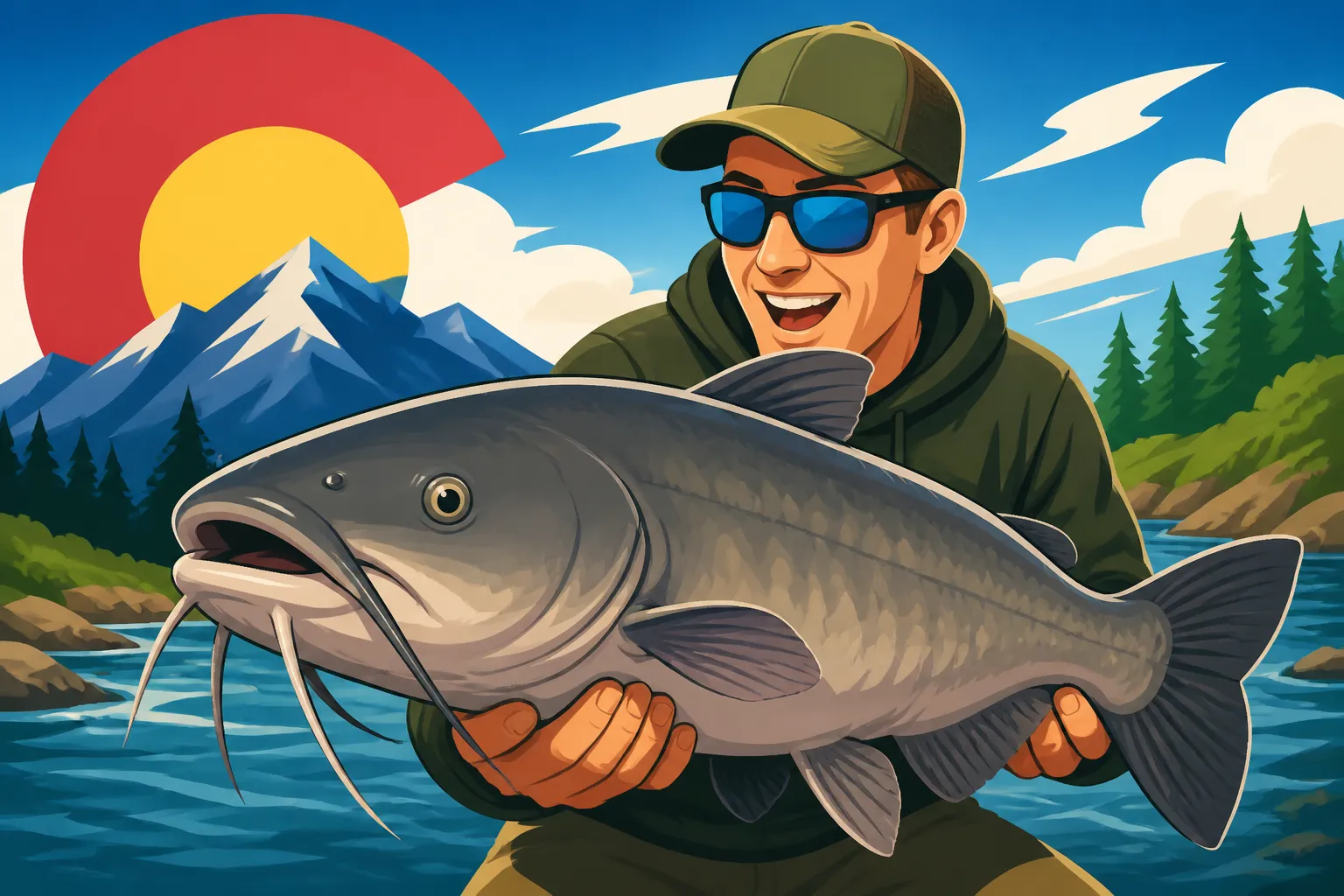
However, the real excitement comes when you hook into something significantly larger. A trophy channel catfish in Colorado is generally considered to be anything over 10 pounds, and certainly anything exceeding 28-30 inches in length. These are the fish that pull serious drag, test your gear, and leave you with a story to tell. They have broad heads, powerful tails, and an undeniable presence once they're out of the water. While they're not lurking around every corner, dedicated catfish anglers know where to find these behemoths.
Colorado's State Record Channel Catfish
To really grasp the upper limits of channel catfish size in Colorado, you need to look at the state record. Colorado proudly boasts a state record channel catfish that weighed in at a whopping 42 pounds, 1 ounce! Imagine the thrill of hooking into a fish that size—it's a truly monstrous catch. This particular record-holder was caught way back in 1969 at the Karval Reservoir, proving that these massive fish have been a part of our state's angling history for a long time.
While setting a new state record is a rare feat, the existence of such a leviathan demonstrates the incredible growth potential of channel catfish in Colorado's waters. It tells us that given the right conditions—plenty of food, good habitat, and enough time to grow—these fish can become truly exceptional. Chasing a personal best that might even nudge toward the state record is a fantastic goal for any serious catfisherman here. You can learn more about all of our state's biggest catches by checking out Colorado's State Record Fish, Species by Species.
Factors Influencing Channel Catfish Size and Growth
Just like any other fish, the size and growth rate of channel catfish aren't random. They're heavily influenced by a combination of environmental factors, food availability, and even their own biology. Understanding these elements can help you identify the best places to target bigger fish.
Habitat and Water Body Characteristics
The "address" a channel catfish calls home plays a huge role in how big it can get. Deep, fertile reservoirs and slow-moving river sections are generally the prime locations for larger fish. These water bodies often have stable water levels, consistent temperatures within the optimal range for catfish, and plenty of submerged structure like old trees, rock piles, or even artificial reefs where catfish can hide and ambush prey. Water temperature, in particular, is critical; channel catfish thrive and grow fastest in warmer waters, typically above 70 degrees Fahrenheit, which is why they do so well in our eastern plains reservoirs during the summer months.
Think about the characteristics of a water body like Pueblo Reservoir or John Martin Reservoir: vast expanses of water, often quite deep, with extensive shorelines and sometimes turbid conditions. These are ideal environments where channel cats can find both refuge and an endless buffet of food. Compare this to a small, shallow pond that might freeze solid or overheat quickly, and you'll see why some places just grow bigger fish. These optimal habitats are key to finding trophy potential. If you're wondering which waters are best, take a look at our guide to Best Waters for Channel Catfish in Colorado.
Food Availability and Diet
It's simple math: more good food equals bigger fish. Channel catfish are opportunistic feeders, meaning they'll eat just about anything they can get their mouths on. Their diet is incredibly varied, including insects, crayfish, mollusks, worms, small fish (both live and dead), and even detritus or plant matter. They have an excellent sense of smell and taste, which helps them locate food in murky waters or at night. A water body with a rich and diverse food web is a catfish growing machine. If there's an abundant supply of baitfish like shad or carp, or plenty of bottom-dwelling invertebrates, channel cats will grow faster and reach larger sizes.
Conversely, in waters where food is scarce or competition is high, channel catfish may grow slower and rarely reach trophy dimensions. This is why highly productive agricultural reservoirs on the eastern plains often yield bigger fish; the nutrient runoff can create a fertile environment that supports a massive food chain, from microscopic organisms all the way up to the larger baitfish that channel cats feast upon. A healthy population of various prey species ensures that these bottom-dwelling scavengers have all the fuel they need to become true giants.
Age, Genetics, and Fishing Pressure
Time is a crucial factor for growth. Channel catfish are relatively long-lived fish, and their size directly correlates with their age. A 20-pound channel cat in Colorado didn't get that way overnight; it likely spent many years, even a decade or more, growing in a productive environment. While individual fish within a population might have genetic predispositions for faster or slower growth, age is the most significant biological driver for reaching trophy sizes.
Fishing pressure also plays an important role. In heavily fished waters where anglers frequently keep smaller and medium-sized catfish, the overall average size of the population can be reduced. This is because fewer fish are left to grow into those larger, trophy categories. Conversely, in less-pressured waters, or those with regulations that encourage catch-and-release for larger fish, the potential for truly massive cats increases. It's a balance between a healthy population and giving individual fish the chance to reach their full potential.
Top Colorado Waters for Catching Bigger Channel Catfish
Knowing where to go is half the battle when you're targeting bigger channel catfish in Colorado. While many lakes and rivers throughout the state hold channel cats, some locations consistently produce larger specimens due to their size, depth, food sources, and environmental conditions.
Front Range and Eastern Plains Reservoirs
Our Front Range and Eastern Plains reservoirs are truly the hotspots for targeting large channel catfish. These expansive, often nutrient-rich impoundments provide the perfect conditions for channel cats to thrive and grow to impressive sizes. Think about places like Pueblo Reservoir, which is not only known for its walleye and bass but also for its beefy channel cats. The sheer size and depth of Pueblo, combined with an abundant forage base, allow these fish to pack on the pounds.
Similarly, John Martin Reservoir out on the eastern plains is a legendary catfish spot. It’s a huge body of water with plenty of submerged structure and warm summer temperatures, making it a prime location for big cats. Other notable reservoirs where you can expect to find good-sized channel catfish include Cherry Creek Reservoir and Chatfield Reservoir near Denver, Barr Lake State Park, and Jackson Lake State Park. These lakes benefit from being managed for warmwater species and often have deeper sections where the largest catfish can reside comfortably. When visiting these spots, remember to always have your Colorado Fishing License Guide for Residents and Nonresidents handy. You can also explore options like Colorado's Annual, One-Day and Five-Day License Options depending on your trip length.
River Systems and Their Catfish Potential
While reservoirs get a lot of attention for big channel cats, don't overlook Colorado's river systems, especially those out on the eastern plains. Slower, deeper stretches of rivers like the South Platte River, Arkansas River, and even the Colorado River can hold some surprisingly large channel catfish. These rivers, particularly downstream where they become wider and more sluggish, offer excellent habitat in the form of deep holes, undercut banks, and extensive snags or logjams. These features provide perfect ambush points and resting areas for big cats.
The nutrient content in these plains rivers can also be quite high, leading to a rich food supply that supports larger fish. Anglers often find success targeting catfish in river bends where the current slows, around bridge pilings, or near the mouths of creeks and tributaries that might wash in additional food. While river fishing for catfish requires a different approach than still water, the rewards can be just as exciting, offering a chance at truly wild and powerful fish. Just be sure you're up to date on Colorado Fishing Season Dates and Bag Limits for any specific river sections.
Strategies for Targeting Bigger Channel Catfish
Catching those elusive, larger channel catfish requires a bit more than just dropping a worm in the water. You need to understand their habits, preferred foods, and the right gear and techniques to handle them.
Best Baits and Techniques
When it comes to baits for big channel catfish, think smelly and substantial. Forget dainty presentations; these fish are scavengers with an incredible sense of smell. Cut bait is a perennial favorite, especially using oily fish like shad or carp. Cut them into 1-2 inch chunks, leaving some skin on to help it stay on the hook. Stink baits or prepared dough baits designed specifically for catfish are also highly effective, especially when fished on a sponge or tube bait holder. Don't underestimate the power of chicken livers; they're messy but irresistible to many catfish. Live worms, especially a big wad of nightcrawlers, can also entice larger fish. You can often find a fantastic array of these specialized catfish baits, along with essential rigging components, easily on Amazon.
For rigging, a Carolina rig or a slip-sinker rig is king. This setup allows your bait to lie naturally on the bottom while allowing a running line through the sinker so the catfish can pick up the bait without feeling the weight immediately. Use a stout circle hook, typically size 4/0 to 6/0, depending on your bait. These hooks are designed to set themselves in the corner of the fish's mouth, making for an easier, safer release if you're practicing catch-and-release, or ensuring a solid hookup for dinner. Want to know more about what baits work best? Check out Best Bait for Catfish in Colorado Reservoirs.
Timing Your Catfish Trip
Timing is everything when you're after bigger channel catfish. Their activity levels are heavily influenced by water temperature and light conditions. Generally, the late spring through early fall is prime time in Colorado, as the water temperatures in reservoirs and rivers rise to their preferred range. During the hottest months of summer, catfish are often most active during the evening, night, and early morning hours. This is when they move into shallower areas to feed more aggressively, taking advantage of cooler water and less light. They rely heavily on their sense of smell and barbels to locate food in the dark, so low light conditions give them an advantage.
Midday during summer can be tough, as they often retreat to deeper, cooler water or dense cover. As the seasons transition, you might find them active during daylight hours in spring and fall when temperatures are more moderate. Understanding their daily and seasonal feeding patterns is crucial for consistent success. If you're wondering about night fishing, you might find some useful context in Do Catfish Bite Better at Night in Colorado?, which, while focused on a different species, explores the general principles of nocturnal angling.
Essential Gear for Big Catfish
You can't bring a knife to a gunfight, and you certainly can't bring ultralight trout gear to a big catfish battle. For trophy channel cats, you need stout rods and reels with good drag. A medium-heavy to heavy action spinning or baitcasting rod, typically 7 to 9 feet long, paired with a reliable reel spooled with 15 to 25-pound monofilament or braid, is a solid starting point. Don't skimp on your line; these fish pull hard and will find any weakness in your setup.
A sturdy landing net with a wide hoop and deep bag is absolutely essential for safely landing and handling larger catfish. Their spines can be sharp, and a net protects both you and the fish. Having a pair of gloves can also be a good idea for handling them, especially if you're trying to remove a hook. Other useful items include a sharp knife for cutting bait, a headlamp for night fishing, and a comfortable chair for those longer waits. You can find many of these crucial items, from heavy-duty rods to robust landing nets, with ease on Amazon to get ready for your next big cat adventure. Don't forget that if you fish without a license, the consequences can be significant, so always ensure you have one to avoid trouble. Read more about What Happens If You Fish in Colorado Without a License.
Channel Catfish Size Comparison Table
To give you a clearer picture of what to expect, here's a table comparing average Colorado channel catfish to trophy-sized specimens and the state record.
| Category | Typical Weight Range | Typical Length Range | Key Characteristics | Where to Find |
|---|---|---|---|---|
| Average Catfish | 1 – 5 pounds | 16 – 24 inches | Good fight, common in many waters, good eating size | Most warmwater lakes, ponds, slower river sections |
| Trophy Catfish | 10 – 20+ pounds | 28 – 36+ inches | Powerful fight, broad head, strong tail, less common | Productive reservoirs, deep river holes, less pressured areas |
| State Record | 42 pounds, 1 ounce | (Length not always recorded, but immense) | Extreme rarity, historical benchmark | Karval Reservoir (historical record location) |
Remember, these are general guidelines, and any fish you catch is a great fish! But with the right knowledge and persistence, the potential for a truly memorable, massive channel catfish in Colorado is very real. Whether you're targeting Best Fishing Lakes Near Denver, Colorado or venturing further afield, the chase for a big cat can be incredibly rewarding. It's also worth understanding the different fish you might encounter in our state by reviewing Colorado's Warmwater vs Coldwater Fish Species.
Disclaimer
This article is for general informational purposes only and does not constitute professional advice. Laws, prices and regulations vary by location and change over time. Consult a qualified professional for guidance on your specific situation.