Best Waters for Yellow Perch in Colorado
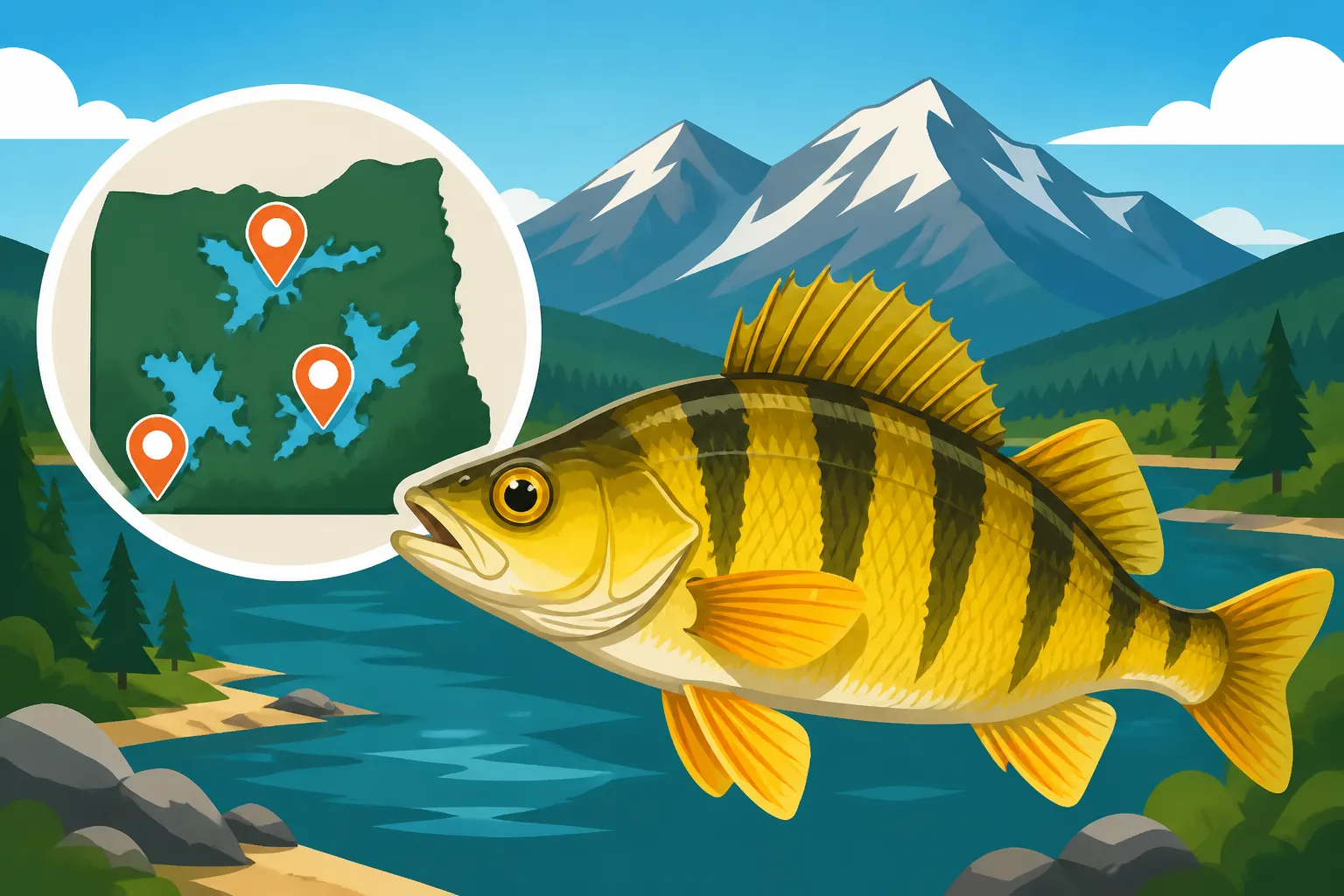
If you've spent countless hours chasing those elusive Colorado trout, sometimes it's refreshing to pursue a fish that's a bit more willing to cooperate. Yellow perch, often overlooked in the Centennial State, offer consistent action, delicious table fare, and a fantastic opportunity for anglers of all skill levels, especially families. This guide is your deep dive into the best waters across Colorado where you can find these feisty panfish and enjoy some truly rewarding fishing.
The Underrated Charm of Colorado's Yellow Perch
Let's be honest, in a state famous for its trout streams and high-alpine lakes, yellow perch sometimes get a bit of a raw deal. They're not the glamour fish, but they're incredibly fun to catch, often schooling in large numbers, which means when you find them, you can often catch quite a few. For many, a day chasing perch is a relaxing change of pace from the demanding technicality of trout fishing, and the reward of a fresh perch fillet is tough to beat.
Why Yellow Perch Are a Great Catch
For anglers, especially those introducing kids or beginners to the sport, yellow perch are absolutely ideal. They're not overly particular about gear, they bite readily, and their size provides a satisfying fight on light tackle. Imagine a weekend morning where you're not dissecting complicated fly patterns or trying to mimic a precise drift. Instead, you're using a simple rig, maybe a worm or a small jig, and getting consistent bites. It's a joyful experience, pure and simple.
Plus, the culinary aspect of yellow perch is a huge draw. Their firm, white, flaky meat is prized by many, making them one of the best-eating freshwater fish you can catch. A successful perch outing often means a delicious fish fry, a perfect way to celebrate a day on the water with friends and family. This combination of catchability and excellent taste makes them a fantastic target, especially when you're looking to stock your freezer.
Understanding Perch Preferences in Colorado Waters
Yellow perch aren't native to Colorado, but they've been successfully introduced and thrive in many of our reservoirs and lakes. Unlike trout, which prefer cold, oxygen-rich moving water, perch are quite adaptable and often do well in warmer, stiller environments. This means you'll typically find them in the larger reservoirs and lakes, particularly those with ample aquatic vegetation, submerged timber, or rocky structures where they can hide, ambush prey, and escape larger predators like Colorado's Daily Northern Pike Limit or walleye.
They're schooling fish, which is key to finding them. If you catch one perch, chances are there are many more nearby. They'll often school by size, so once you dial into a certain depth or type of structure, you might be pulling in similar-sized fish one after another. Understanding their schooling behavior and preferred habitat is half the battle in consistently finding good perch fishing in Colorado.
Top Colorado Waters for Consistent Yellow Perch Action
While many waters across Colorado might hold a rogue yellow perch or two, certain lakes and reservoirs consistently produce good numbers and sizes. These are the spots where the conditions are just right for perch to thrive, providing excellent opportunities for anglers. Whether you're on the Front Range, out on the Eastern Plains, or exploring the Western Slope, there's likely a perch hotspot within reach.
Front Range Favorites: Accessible Perch Fishing
For those living in or around the Denver metro area, you don't have to travel far to find excellent yellow perch fishing. Several popular reservoirs near the city are teeming with them, offering convenient and rewarding trips. These spots are often well-maintained and provide good amenities, making them perfect for a family day out.
Cherry Creek Reservoir in Aurora is a prime example. This large, multi-use reservoir is known for its diverse fishery, and yellow perch are a significant part of that. Anglers often find success targeting perch in Cherry Creek's numerous coves, along drop-offs, and near submerged structures. During the open water season, you can find them from shore in the spring and fall, and throughout the year from a boat, often in deeper channels during summer. Do You Need a Colorado License to Fish at Cherry Creek Reservoir? is a common question, and yes, you do, just like any other public water.
Chatfield Reservoir, southwest of Denver, is another excellent choice. Like Cherry Creek, Chatfield is a large, popular reservoir that holds a healthy population of perch. They tend to congregate around the deeper main channels, old river beds, and any submerged brush or rock piles. Anglers often find success near the marina areas or by drifting over humps and ledges. Chatfield is particularly good for ice fishing for perch, with anglers drilling holes over deeper structure.
Standley Lake in Westminster offers fantastic perch opportunities as well, though it has specific boating and access regulations due to its role as a drinking water source. When you can get on the water, either by permitted boat or from its limited shore access, you'll find healthy perch populations, often hiding in the deeper areas or along the weed lines. Be sure to check their specific rules before you go. The key to these Front Range lakes is often finding those subtle underwater features that concentrate the fish.
Eastern Plains Hotspots: Big Perch, Big Water
Heading east, Colorado's vast plains might seem flat and featureless, but they hide some true gems for warmwater species, including some of the state's best yellow perch fishing. These reservoirs often have extensive shallow areas, healthy weed growth, and abundant forage, creating ideal conditions for perch to grow large and numerous.
John Martin Reservoir near Hasty is a standout. This large reservoir on the Arkansas River consistently produces excellent numbers of yellow perch, often of impressive size. The expansive, relatively shallow nature of John Martin, coupled with its many underwater features and access points, makes it a top destination. Look for perch around the deeper channels, submerged timber, and any areas with aquatic vegetation. It's a great spot for both open-water and ice fishing.
Jackson Lake State Park is another Eastern Plains jewel, renowned for its diverse fishery that includes a strong yellow perch population. Located near Orchard, Jackson Lake features numerous coves and a generally shallower profile than some mountain reservoirs, which yellow perch absolutely love. Anglers often target them along the rip-rap shorelines, around any brush piles, or by drifting over deeper flats. It’s also a popular ice fishing destination where perch are a main target.
Barr Lake State Park near Brighton is a bit closer to Denver but still embodies that Eastern Plains character. This is another excellent spot for perch, especially in its shallower, vegetated areas. It's often overlooked for perch compared to its walleye and pike populations, but dedicated perch anglers can fill a bucket quickly here. The key is often finding the deeper edges of the extensive weed beds. These plains reservoirs can also offer great opportunities for other warmwater fish like crappie. Best Waters for Crappie in Colorado are often the same waters you'd find good perch.
Western Slope Surprises: Perch West of the Divide
While the Western Slope is famous for its stunning trout streams and majestic mountain lakes, there are some excellent opportunities for yellow perch as well, particularly in the lower-elevation reservoirs. These waters provide a different kind of fishing experience, often with breathtaking backdrops.
Ridgway Reservoir near Montrose is a beautiful spot with a healthy yellow perch population. While known for its trout, Ridgway's diverse aquatic environment, with its varied depths and underwater structures, creates good habitat for perch. Look for them in the shallower coves, around submerged rock piles, and along the drop-offs into deeper water. Spring and fall are often prime times, but dedicated anglers can find them year-round.
Highline Lake State Park near Fruita is another Western Slope option, particularly for those looking for a warmer water experience. This lake is known for its bass and crappie, but it also supports a good population of yellow perch. The perch here tend to relate to the abundant weed beds and submerged structures, making it a good spot for light tackle and bait fishing. The warmer water temperatures here mean a longer open-water fishing season than some higher-elevation lakes.
These Western Slope locations remind us that Colorado's fishing diversity extends far beyond just trout. With a little local knowledge and the right approach, you can find excellent perch fishing in some truly beautiful settings.
Gear and Tactics for Success with Colorado Yellow Perch
Catching yellow perch doesn't require a lot of fancy gear, which is part of their appeal. However, having the right setup and understanding a few key tactics can significantly increase your success rate. Whether you're fishing open water or venturing out onto the ice, a light touch and attention to detail will serve you well.
Essential Gear for Perch Angling
When it comes to tackle for yellow perch, think light. A light to ultra-light spinning rod, around 5-6 feet in length, paired with a small spinning reel spooled with 4-6 pound test monofilament or fluorocarbon line is perfect. This setup allows for sensitive feel, which is crucial for detecting subtle perch bites, and provides a fun fight. For those who prefer to browse from home, Amazon has a wide selection of suitable rod and reel combos that won't break the bank.
Terminal tackle is equally simple. Small jigs (1/32 to 1/8 ounce) in bright colors like chartreuse, orange, or white are often deadly. Tipping these jigs with a small piece of worm, a maggot, or a mealworm can be incredibly effective. Small spoons, micro swimbaits, or even tiny crankbaits can also entice bites. For bait fishing, a small hook (size 8-12) under a bobber with a piece of nightcrawler, a red worm, or a small minnow is a classic and highly effective setup. Having a variety of small baits and lures on hand, easily ordered from Amazon for convenience, will ensure you're ready for whatever the perch are biting on that day.
| Gear Category | Recommended Items | Notes |
|---|---|---|
| Rod & Reel | Ultra-light or Light spinning combo | 5-6 ft rod, small reel, 4-6 lb line for sensitivity and sport |
| Line | Monofilament or Fluorocarbon | Good knot strength, low visibility (fluorocarbon) |
| Lures | Jigs (1/32 – 1/8 oz), small spoons, micro swimbaits | Chartreuse, orange, white are popular colors. Tipping with bait is key. |
| Bait | Nightcrawlers, red worms, maggots, minnows | Natural baits are highly effective, especially when tipped on jigs or hooks. |
| Terminal Tackle | Small hooks (size 8-12), split shot, bobbers | Simple setup is often best. Swivels can help prevent line twist. |
| Accessories | Pliers, measuring tape, small cooler | Pliers for hook removal, cooler for keeping your catch fresh. |
Open Water Techniques for Perch
When the ice is off, yellow perch can be targeted effectively from shore or a boat. From shore, look for areas with submerged vegetation, docks, or rocky points that extend into the water. Casting a small jig tipped with a worm or a bobber rig into these areas and letting it slowly drift or gently retrieving it can be very productive. Early morning and late evening often provide the best shore fishing opportunities, as perch move shallower to feed.
From a boat, you have the advantage of covering more water and reaching deeper structures. Drifting over humps, along drop-offs, or parallel to weed lines is a common and effective tactic. Using a fish finder to locate schools of baitfish or actual perch schools can save you a lot of time. Once you find a school, anchor up or use a trolling motor to stay on top of them. Vertical jigging with a small spoon or jig tipped with bait is often irresistible to schooling perch. You might find similar techniques work when targeting walleye in the same reservoirs. How to Rig a Nightcrawler for Walleye could give you ideas for adapting your bait.
Ice Fishing for Yellow Perch
Colorado's harsh winters don't mean the fishing has to stop! In fact, ice fishing is one of the most popular and effective ways to catch yellow perch in the state. As the reservoirs freeze over, perch often school up in predictable locations, making them easier to target. Ice Fishing in Colorado, Getting Started is an excellent resource if you're new to the sport.
The same light tackle setup you use for open water works great for ice fishing, but with shorter rods (24-30 inches). Small jigs, often called "ice jigs," or tiny spoons are jigged vertically through the ice. Again, tipping with a maggot, mealworm, or a piece of nightcrawler is crucial. A flasher or an ice fishing sonar unit can be invaluable for locating fish and observing their reaction to your bait. You'll drill multiple holes over different depths and structures until you find an active school. Remember to check local ice conditions carefully before venturing out, as safety is paramount. Learning about Ice Fishing Gear for Colorado Reservoirs will further enhance your winter perch expeditions.
Timing is Everything: Seasonality for Colorado Perch
One of the great things about yellow perch fishing in Colorado is that it can be a year-round affair. However, like most fish, their behavior and locations change with the seasons, and understanding these patterns will put you in the best position for success.
Spring and Fall: Prime Time for Perch
Without a doubt, spring and fall are often the golden periods for yellow perch fishing in Colorado. As the water temperatures begin to warm in spring, perch become very active, moving into shallower areas to spawn and feed heavily after the long winter. This is when they are often most accessible from shore and very willing to bite. Look for them in shallow coves, along sun-warmed banks, and near the edges of emerging weed beds.
Similarly, in the fall, as water temperatures start to cool, perch enter a "feeding frenzy" phase, fattening up for the upcoming winter. They'll often school tightly in deeper water but will make forays into shallower areas to chase baitfish. This period, from late September through November, can produce some of the largest perch of the year and often offers incredible action. They are typically very aggressive during this time, making a variety of lures effective.
Summer Strategies: Going Deeper
Summer fishing for yellow perch can be a bit more challenging, but certainly not impossible. As the water heats up, perch tend to move to deeper, cooler waters where they find more oxygen and comfortable temperatures. This means they'll often be found suspended in open water or hugging the bottom in deeper channels, humps, or structures.
Boat anglers with electronics have an advantage here, as they can locate these deeper schools. Trolling with small crankbaits or spoons, or vertical jigging over identified structure, are effective methods. Shore anglers might need to focus on early morning or late evening hours when perch might temporarily move shallower to feed, or target areas where deep water is accessible from the bank, such as dam faces or deep points. Knowing Best Time of Day to Fish a Colorado Tailwater in Summer might provide some crossover tips, though tailwaters are generally cold water environments.
Winter Wonders: Ice Fishing for Perch
As mentioned, winter, specifically the ice fishing season, is incredibly productive for yellow perch. Once safe ice forms, perch are highly concentrated in specific areas of the lake, often relating to structure or baitfish schools in moderate depths. They remain active under the ice, and a well-placed jig or spoon can yield continuous action.
The key to successful winter perch fishing is mobility and electronics. Drill multiple holes, and use your flasher to identify fish and depth. Perch bites through the ice can be very subtle, so a sensitive rod tip and quick hook sets are essential. Many Colorado reservoirs, particularly those on the plains, offer a long and productive ice fishing season, turning winter into a prime perch opportunity. For those looking for multi-species fun, you can often find perch alongside other cold-tolerant fish, like some trout species.
Yellow perch are a fantastic fishery resource in Colorado, offering plentiful action and delicious rewards for those willing to seek them out. By understanding their preferences, targeting the right waters, and employing effective techniques, you'll be well on your way to enjoying some of the most consistent fishing the state has to offer. Make sure you always have your Colorado Fishing License Guide for Residents and Nonresidents and are familiar with Colorado Fishing Regulations Every Angler Should Know before heading out.
Disclaimer
This article is for general informational purposes only and does not constitute professional advice. Laws, prices and regulations vary by location and change over time. Consult a qualified professional for guidance on your specific situation.